Smoked Lemon
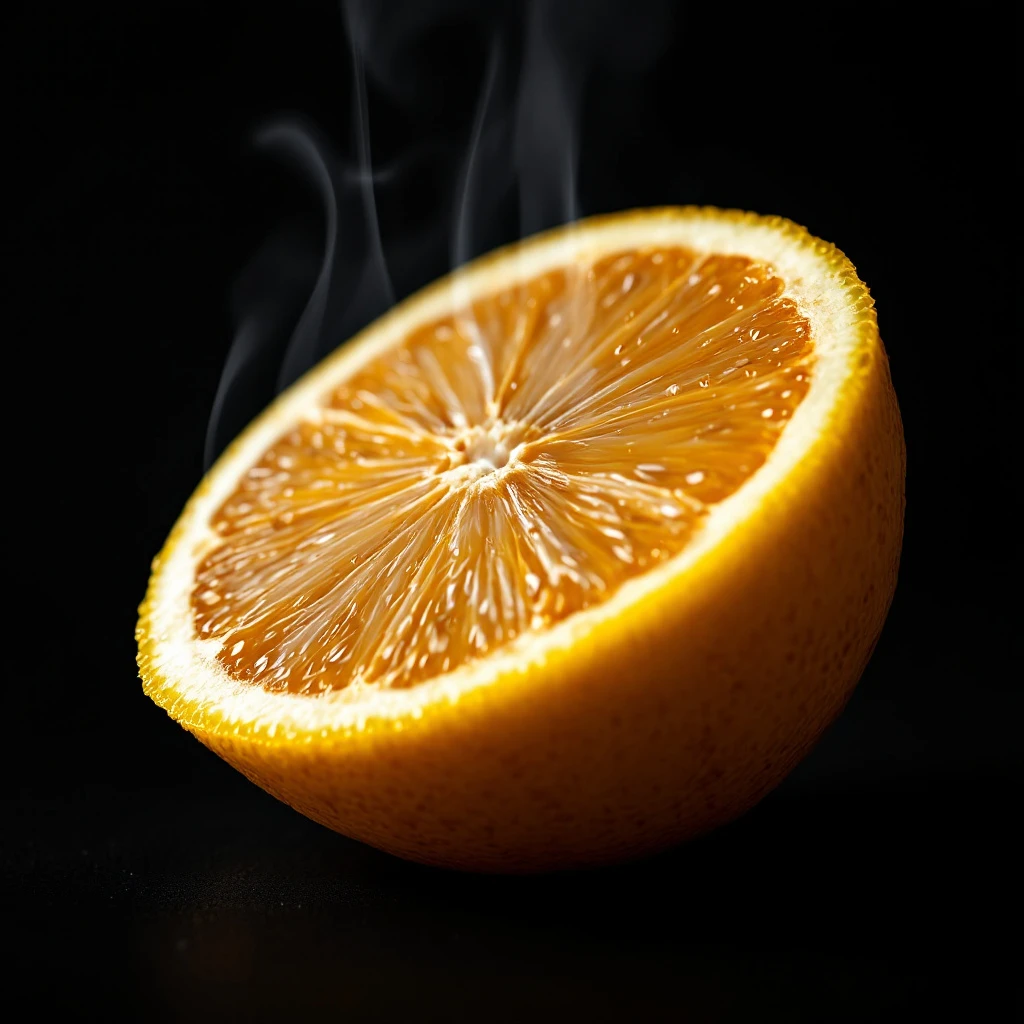
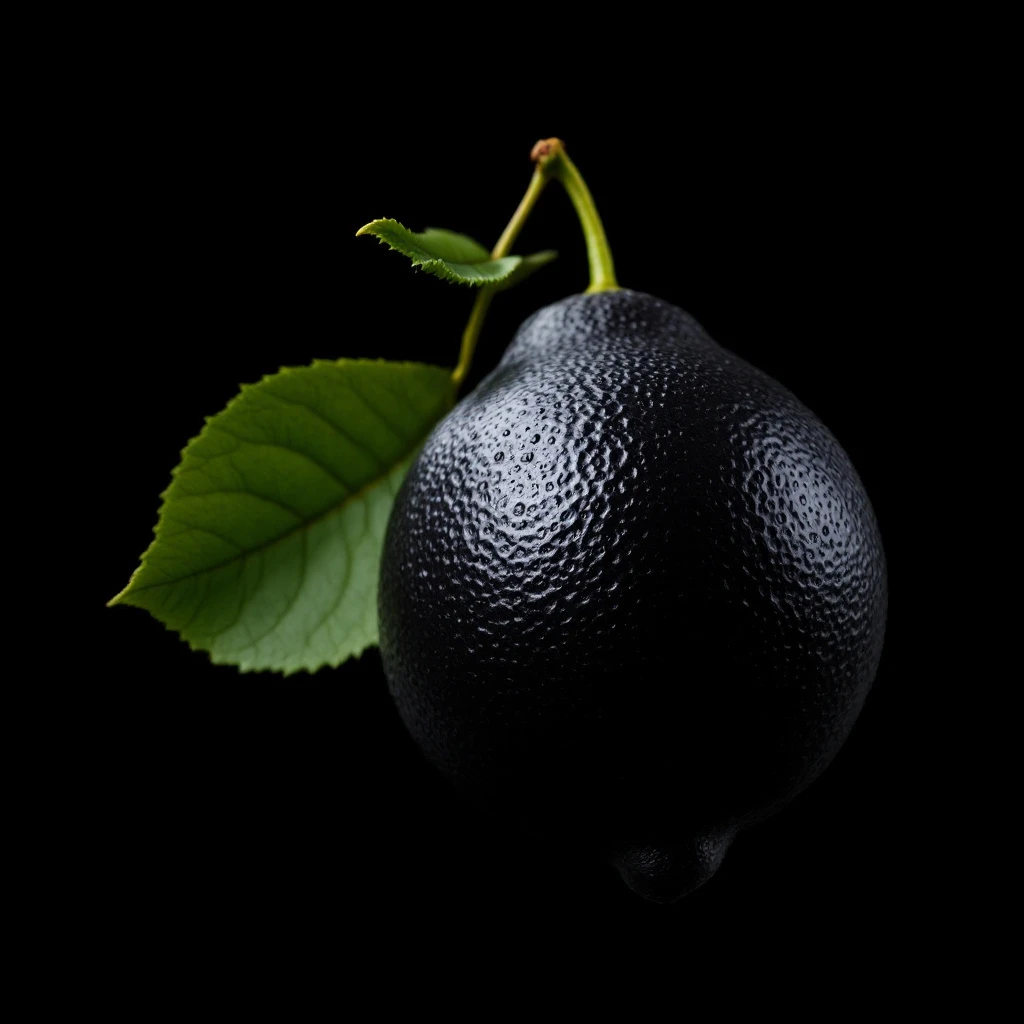
Smoked Lemon fuses the sharp radiance of lemon peel with dry, mineral smoke, creating a citrus note that feels both sunlit and quietly charred.
Character
How it smells
Bright citrus with a dry, smoky edge.
Lemon fragrance oil comes mainly from the peel, where the fruit stores much of its volatile aromatic oil.
Pairs beautifully with
Origin
Italy
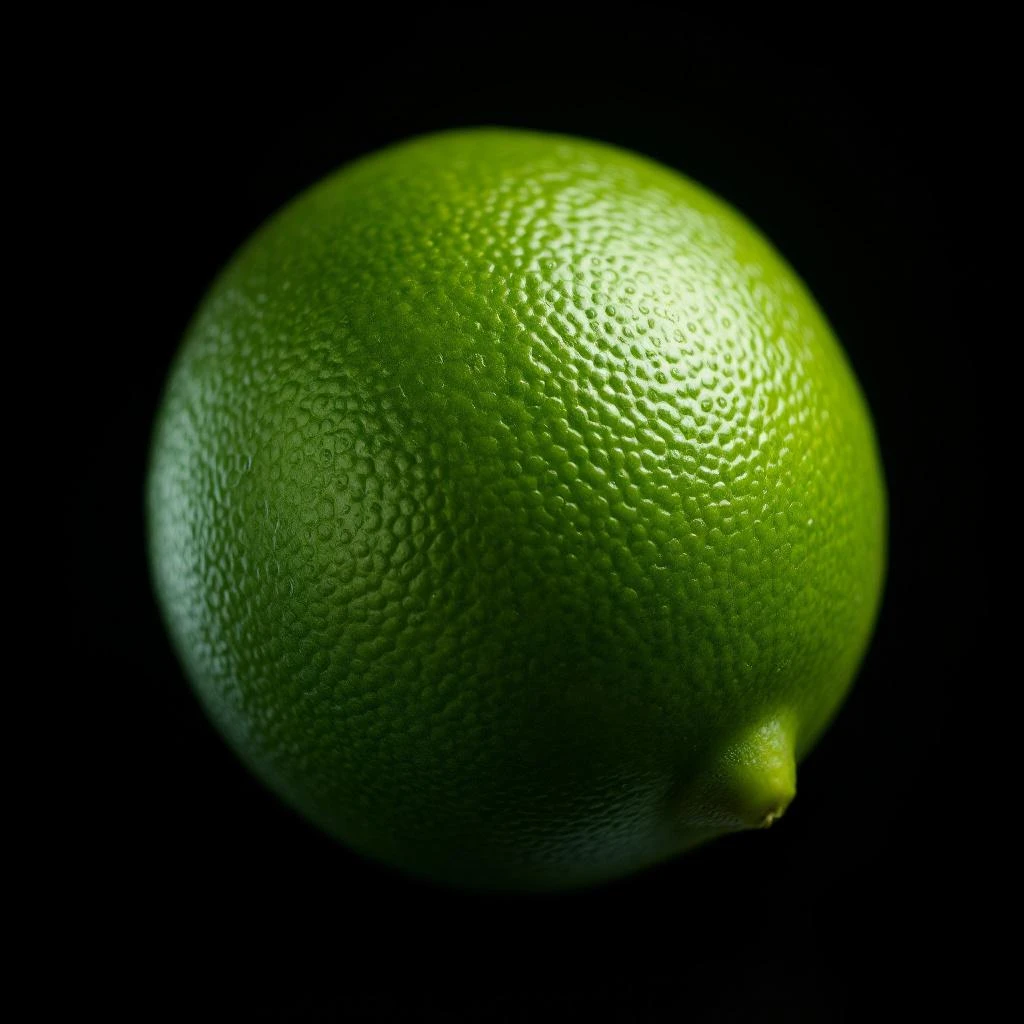
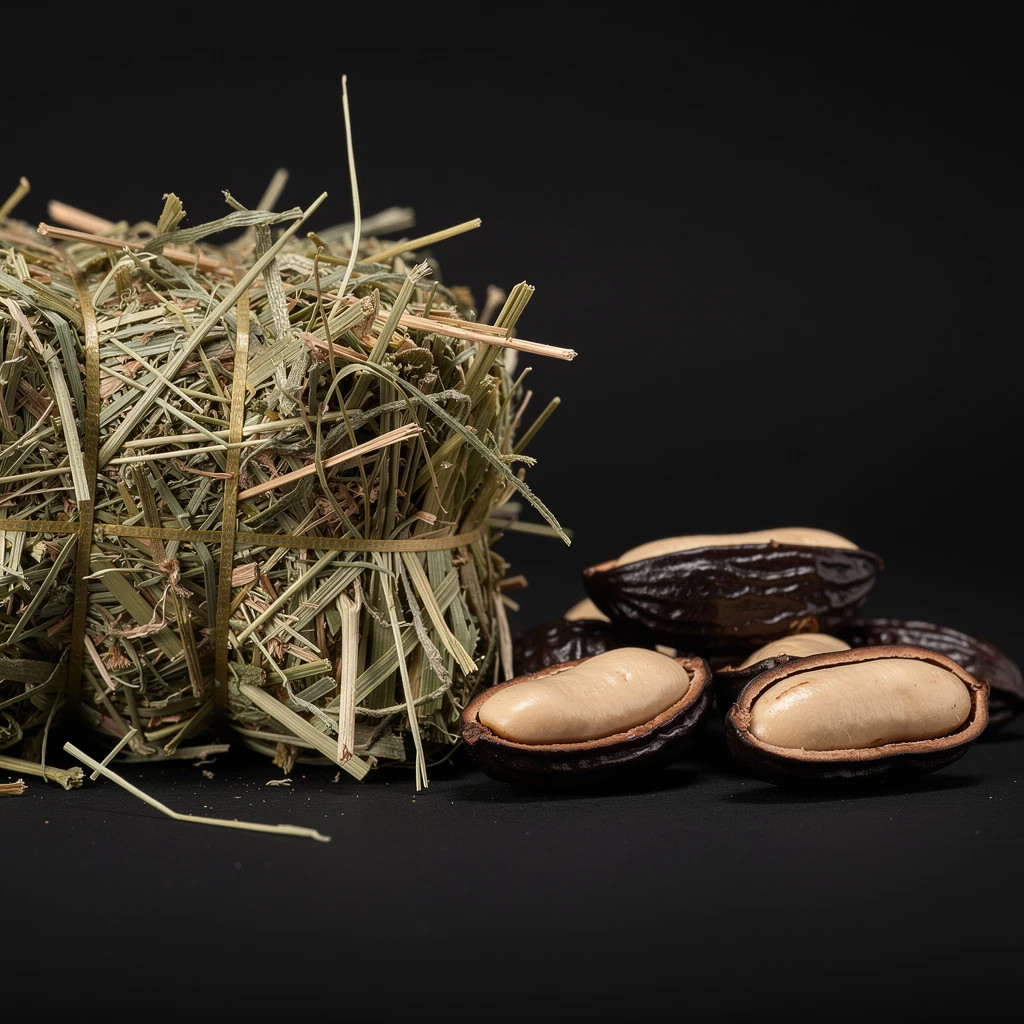
The history of Smoked Lemon is really the meeting of two older fragrance practices. Citrus oils entered perfumery as natural plant materials were pressed, steamed, and burned or blended into scented preparations. Smoke itself has an ancient place in fragrance, linked to the use of fire for aromatic woods, herbs, and resins.
The long history of smoke as a scent carries into modern perfumery, where dry woods, birch tar, incense, and smoky materials add depth to bright fruit and citrus notes. Smoked lemon is not necessarily a historically fixed ingredient. Rather, it is a modern perfumery construction that pairs the recognizably clean peel note of lemon with a dry, mineral smoke effect.
Its appeal lies in that contrast, recalling sunlight and charred wood at the same time.
Wears it best
Fragrances featuring Smoked Lemon
Brands
Brands known for Smoked Lemon
Good to know
Questions, answered
The essentials on Smoked Lemon in perfumery: how it smells, where it comes from, and how it behaves on skin.
What does Smoked Lemon smell like?
Smoked Lemon combines lemon peel’s sharp, zesty character with dry smoke, woody tar, or incense. It can seem sunlit and clean at first, then darker and more mineral as the smoky accord develops.
Is Smoked Lemon a natural ingredient?
Smoked Lemon is usually a fragrance construction, not one naturally occurring substance. It can combine pressed lemon oil or isolated citrus compounds with birch tar, incense, or smoke accords.
How is lemon oil extracted for perfumery?
Lemon oil is most often obtained by cold-pressing the peel, which contains the fruit’s volatile aromatic oils. A perfumer may also use aroma compounds selected for consistency and strength.
Where does the smoky part come from?
The smoky effect can come from birch tar, wood-derived materials, incense, or reconstructed smoke accords. These materials are blended with citrus to create the characteristic dry, charred edge.
Does Smoked Lemon smell harsh?
It can if the smoky material is too strong or the citrus is poorly balanced. In a well-composed fragrance, smoke softens the peel’s brightness and creates a dry contrast rather than a tarry result.
What fragrance families suit Smoked Lemon?
Smoked Lemon works especially well with woody, amber, aromatic, and mineral families. It can add brightness to incense, vetiver, cedar, tobacco-like accords, and dry resins.
Is Smoked Lemon a historic perfume note?
The combination is best understood as a modern perfumery idea built from historic citrus and smoke materials. Citrus and smoky woods have both appeared in scented preparations for centuries, but this exact pairing is not traditionally fixed.
How do perfumers balance lemon and smoke?
Perfumers use a controlled ratio, often testing both materials on blotter strips and skin. Lemon supplies lift and clarity, while smoke gives weight, dryness, and a longer-lasting woody shadow.