Black lemon
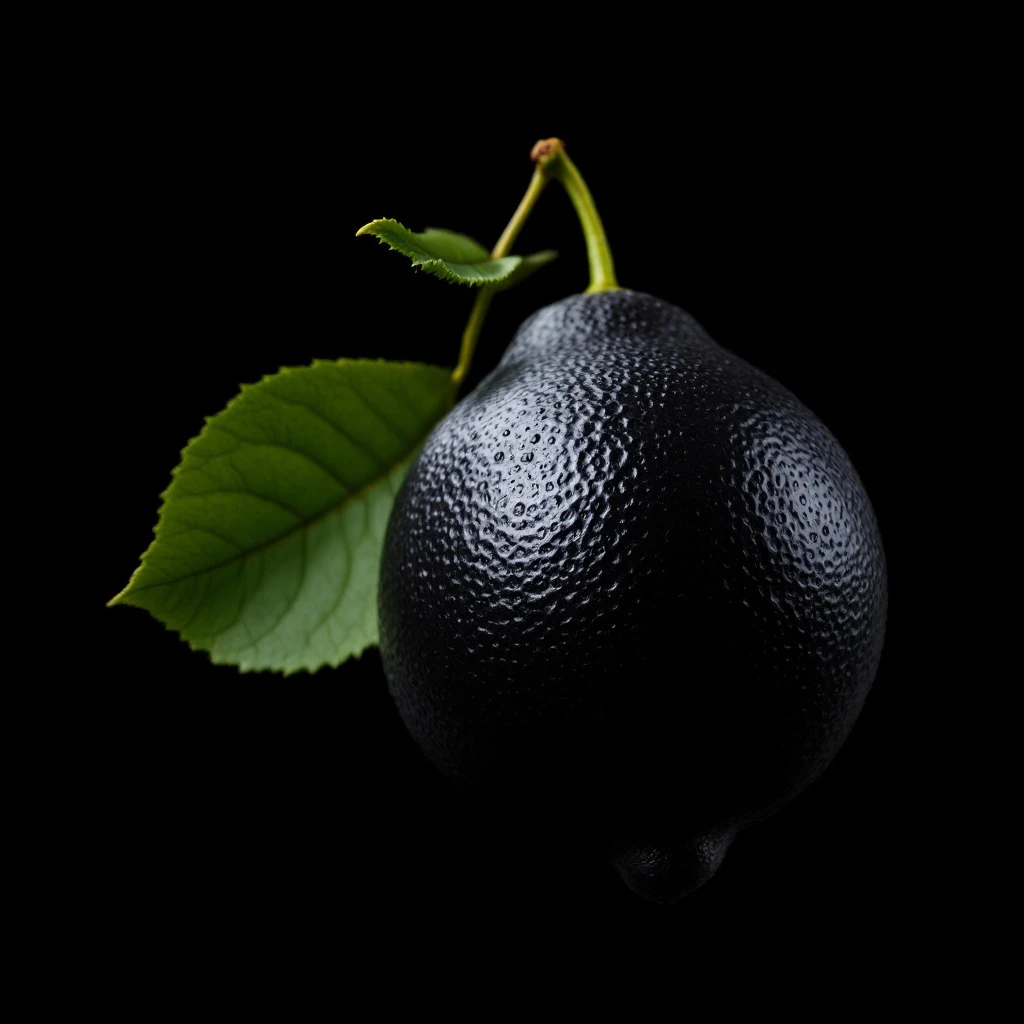
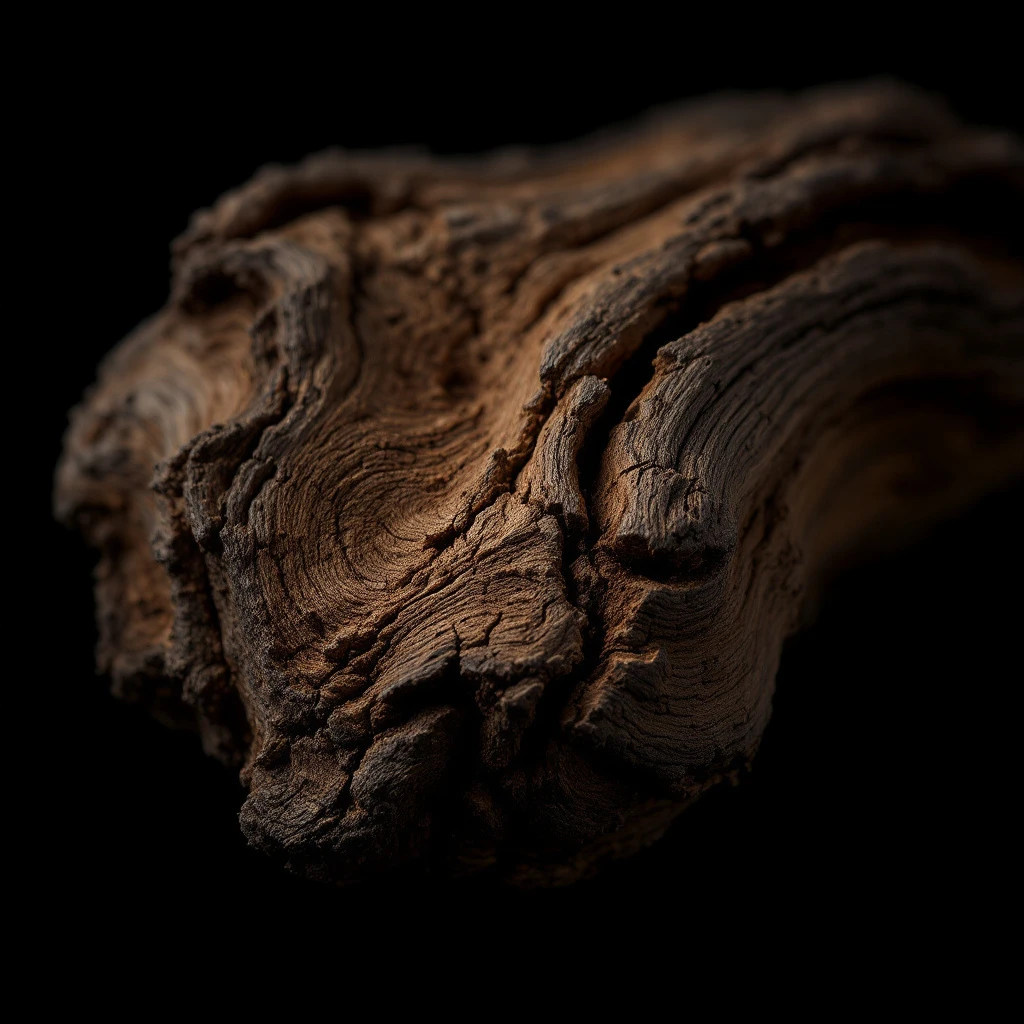
A concentrated citrus material with a deep amber to dark brown hue, offering a bold, smoky twist on bright lemon. This processed ingredient captures lemon's essential character while adding surprising depth and warmth.
Character
How it smells
Where bright citrus meets smoky darkness.
Black lemon begins as fresh citrus fruit before undergoing a transformation that darkens its color and deepens its scent into something almost molasses-like.





Origin
India
Lemon cultivation traces to northeastern India around 700 CE, spreading through Persia and the Mediterranean. By the 12th century, lemon peel appeared in early European perfumery as a fragrant pomade base.
The practice of intentionally darkening citrus materials emerged more recently, likely in the 20th century, as perfumers sought to expand citrus vocabulary beyond fresh top notes. The Middle Eastern tradition of making loomi (blackened dried lemons) for cooking likely influenced this perfumery application, demonstrating how culinary practices occasionally cross into aromatic arts.
Wears it best
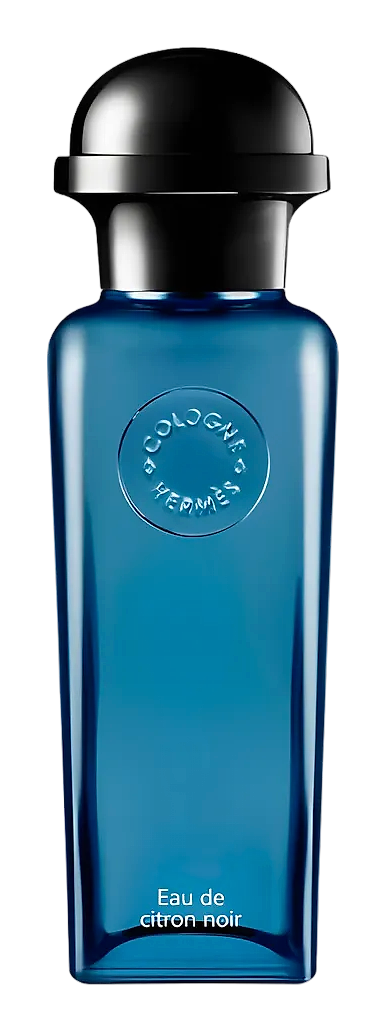
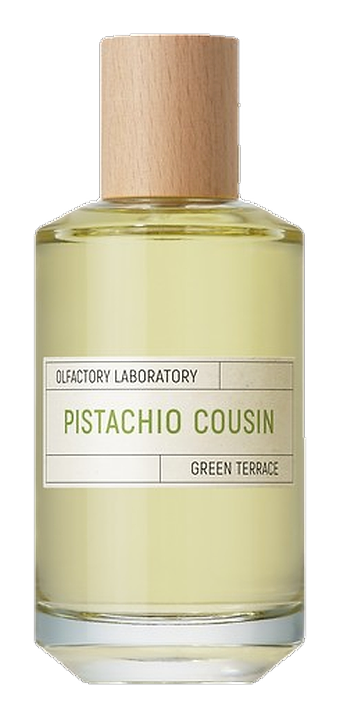
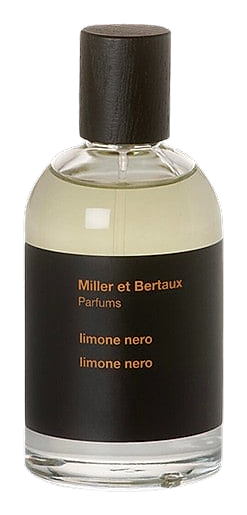
Fragrances featuring Black lemon
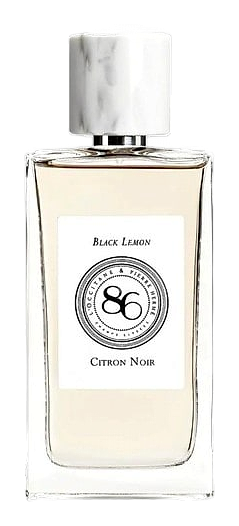
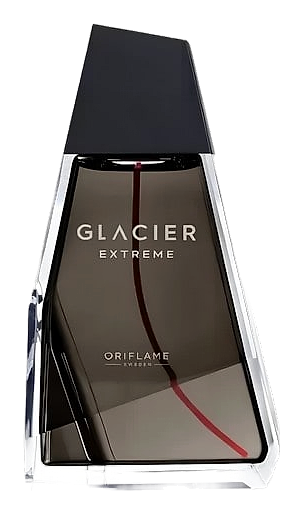
Brands
Brands known for Black lemon
Good to know
Questions, answered
The essentials on Black lemon in perfumery: how it smells, where it comes from, and how it behaves on skin.
What does black lemon smell like?
Black lemon combines fresh lemon's bright, zesty character with deeper smoky and caramelized notes. The result reads as citrus with unexpected warmth and roundness rather than sharp brightness.
Is black lemon natural or synthetic?
Black lemon exists in both natural and synthetic forms. Natural versions process lemon oil or peel through heat and oxidation. Synthetic versions recreate the dark, smoky citrus profile through aromatic chemicals.
Where does black lemon originate?
Black lemon as a perfumery ingredient draws from both Western citrus traditions and Middle Eastern culinary practices. India and the Mediterranean remain primary sources of lemon raw material.
What fragrance families use black lemon?
Black lemon appears across woody, aromatic, and oriental compositions. It works particularly well in masculine fragrances and any scent seeking citrus depth beyond top-note brightness.
How does black lemon differ from regular lemon oil?
Regular lemon oil is pale and sharply citrus. Black lemon undergoes processing that deepens its color to amber or brown and develops smoky, caramelized facets while retaining citrus identity.
Can black lemon be used as a fixative?
Black lemon does not function as a traditional fixative. However, its processed nature gives it slightly better staying power than fresh lemon oil, providing citrus impact that lingers a bit longer.
Is black lemon safe for skin application?
Like most citrus materials, black lemon contains compounds that may cause photosensitivity. StandardIFRA guidelines govern its concentration in consumer products for safe use.
What accords pair well with black lemon?
Black lemon pairs naturally with other citruses, complements woody bases like cedar and vetiver, and bridges well into aromatic herbs and warm spices. It adds citrus dimension to oriental compositions.