Skeleton Flower
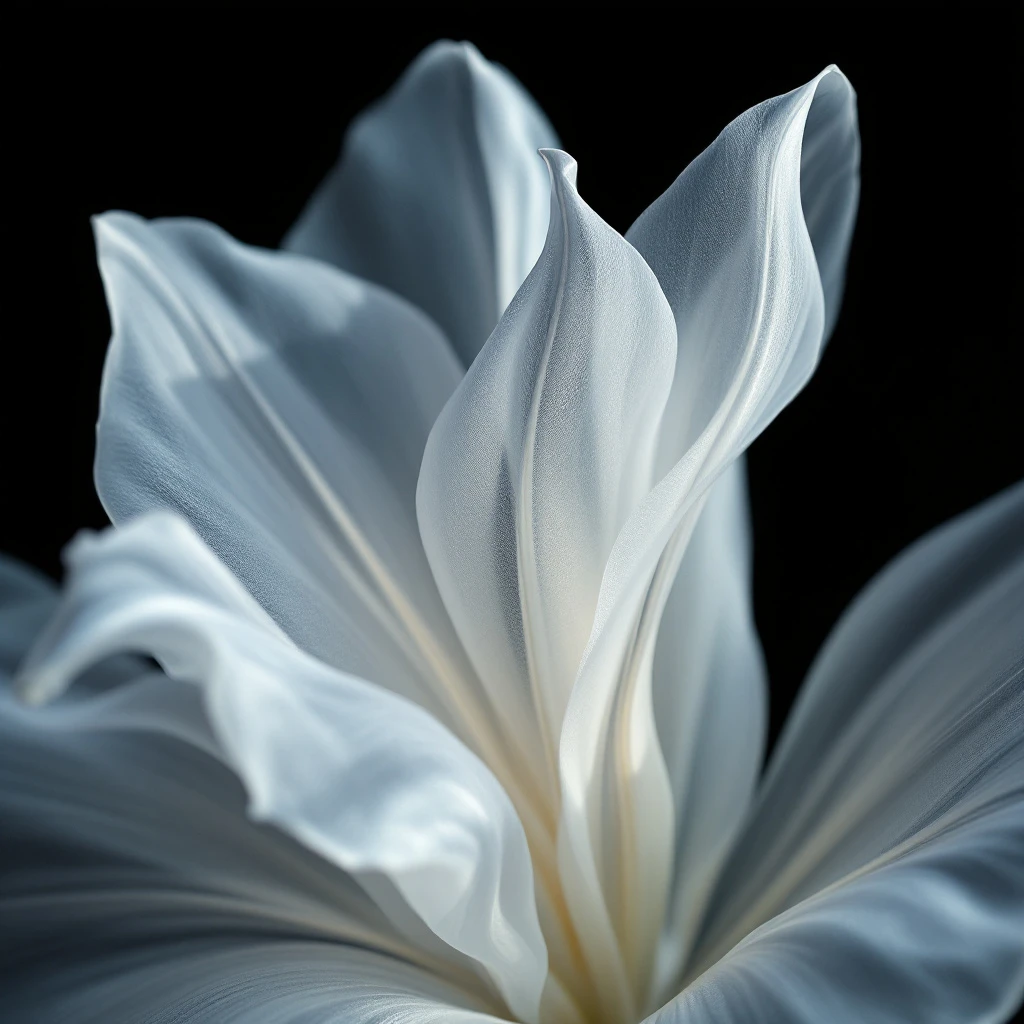
Skeleton Flower (Diphylleia grayi) is a botanical wonder whose white petals turn translucent when wet, revealing an intricate venation pattern beneath the surface.
Character
How it smells
Rain turns its white petals to glass, revealing nature's skeleton
Its petals turn transparent when wet, appearing ghostly and skeletal.





Origin
Japan
The Skeleton Flower's botanical identity centers on Diphylleia grayi, native to Japan's mountain forests. Its defining trait, petals that turn transparent when wet, has made it a subject of botanical fascination rather than commercial interest. The plant thrives in cool, shaded mountain environments where its white flowers emerge in spring and summer.
The name Diphylleia derives from Greek, meaning two-leaf, reflecting its distinctive foliage structure. Despite its visual appeal, Diphylleia grayi has not entered the traditional perfumery supply chain. Its rarity and the impracticality of wild harvesting make it unsuitable for commercial fragrance production.
The flower's cultural associations with melancholy likely stem from its appearance against dark forest floors and its skeletal name. In Japanese culture, it becomes associated with rain and seasonal transitions. Its visual appeal has even inspired modern artists like the band Glass Animals, though perfumers have yet to capture its essence commercially.
Wears it best
Fragrances featuring Skeleton Flower
Brands
Brands known for Skeleton Flower
Good to know
Questions, answered
The essentials on Skeleton Flower in perfumery: how it smells, where it comes from, and how it behaves on skin.
What makes Skeleton Flower visually unique?
Its petals turn transparent when wet, revealing the flower's skeletal venation pattern beneath the surface.
What is Skeleton Flower's botanical classification?
Diphylleia grayi is a perennial herb in the Berberidaceae family, native to Japan's mountain forests.
What does the name Diphylleia mean?
The name derives from Greek, meaning two-leaf, reflecting the plant's distinctive forked leaf structure.
Where does Skeleton Flower grow naturally?
Native to Japan's mountain forests, it thrives in cool, shaded environments at approximately 36 degrees north latitude.
Is Skeleton Flower used in commercial perfumery?
No. The plant has not been developed for commercial fragrance use, and no established extraction method exists for this material.
Why is Skeleton Flower not used in perfumery?
The delicate petal tissue lacks extractable aromatic compounds, and the plant's rarity makes large-scale cultivation impractical.
How does Skeleton Flower's transparency work?
Water fills the cell air spaces in the petals, changing how light passes through and creating a glass-like transparency effect.
What cultural significance does Skeleton Flower hold?
In Japanese culture, it becomes associated with rain and seasonal transitions, while its ghostly appearance links it to themes of melancholy.



