Sherry
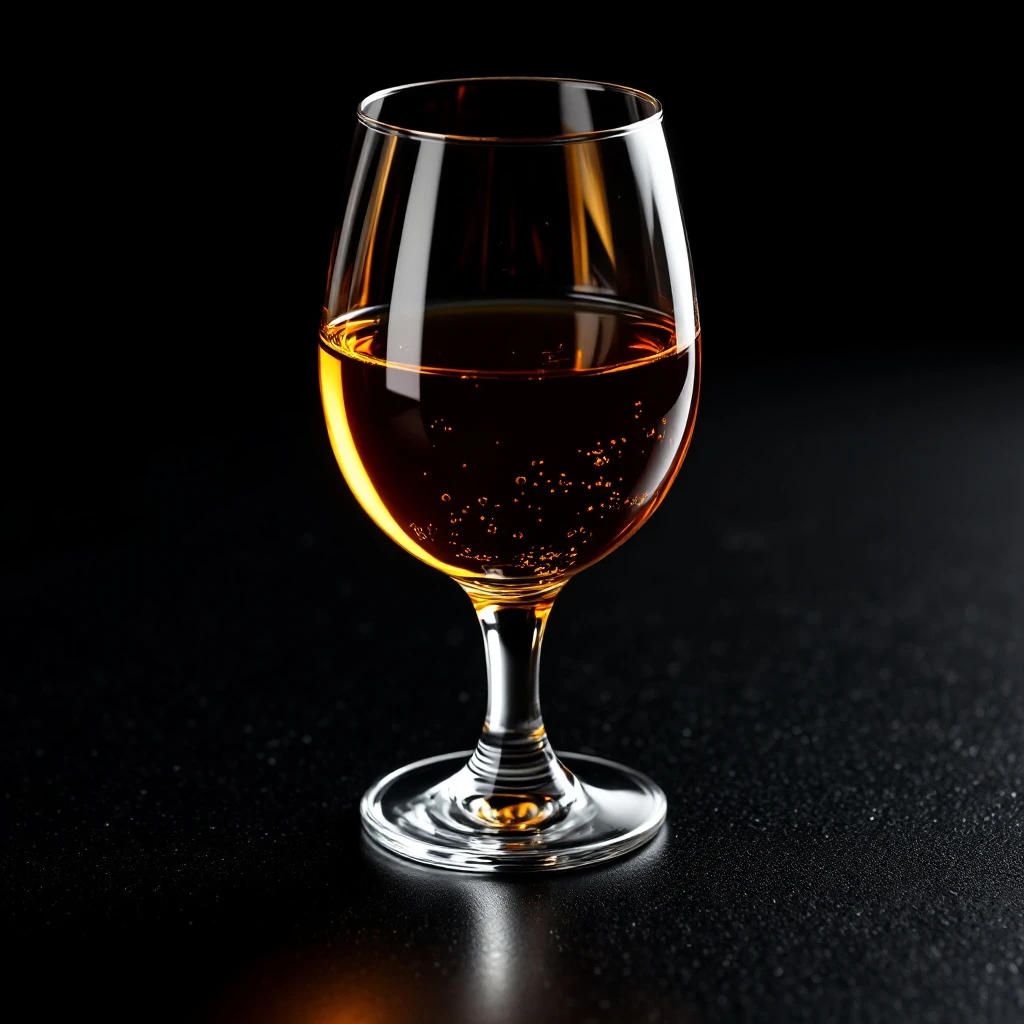
Sherry brings the rich, oxidative warmth of Spanish fortified wine into perfumery. From the sun-baked vineyards of Jerez comes a note that balances nuttiness, dried fruit, and a distinctive sharpness that adds remarkable depth to oriental and gourmand compositions.
Character
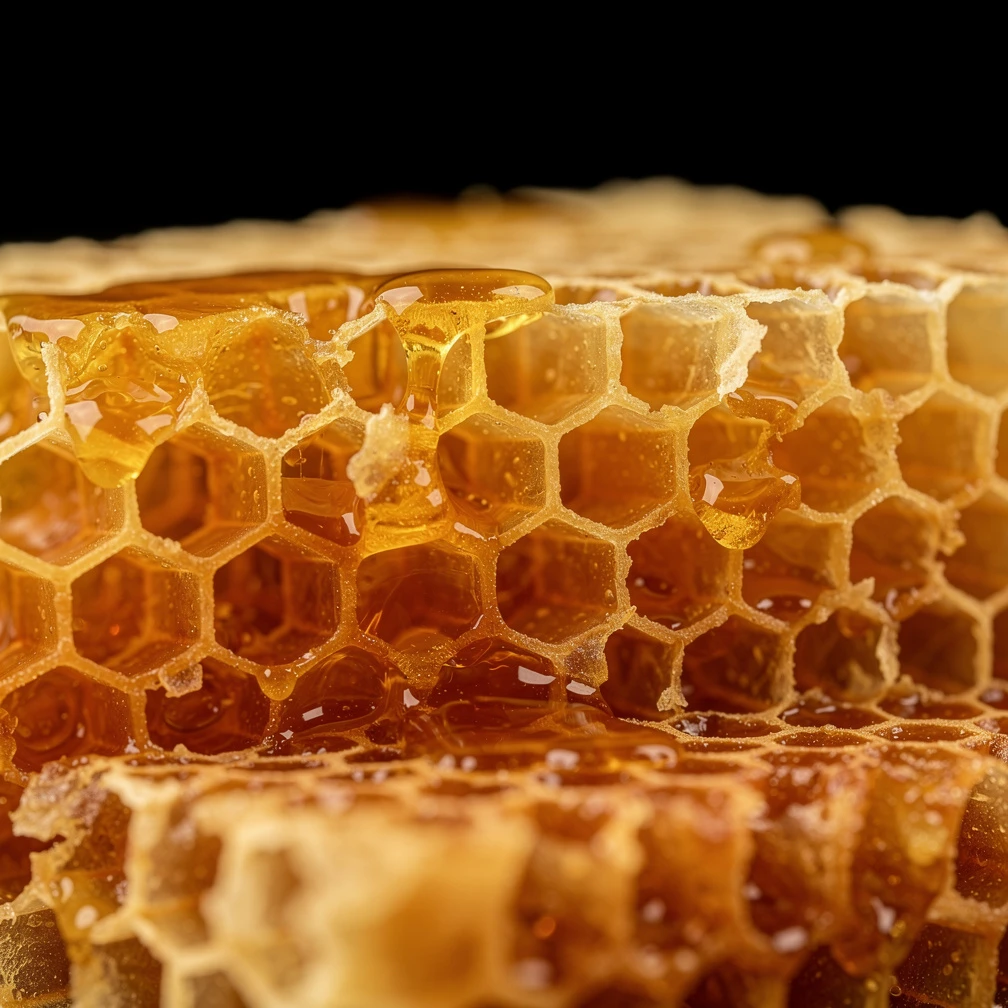
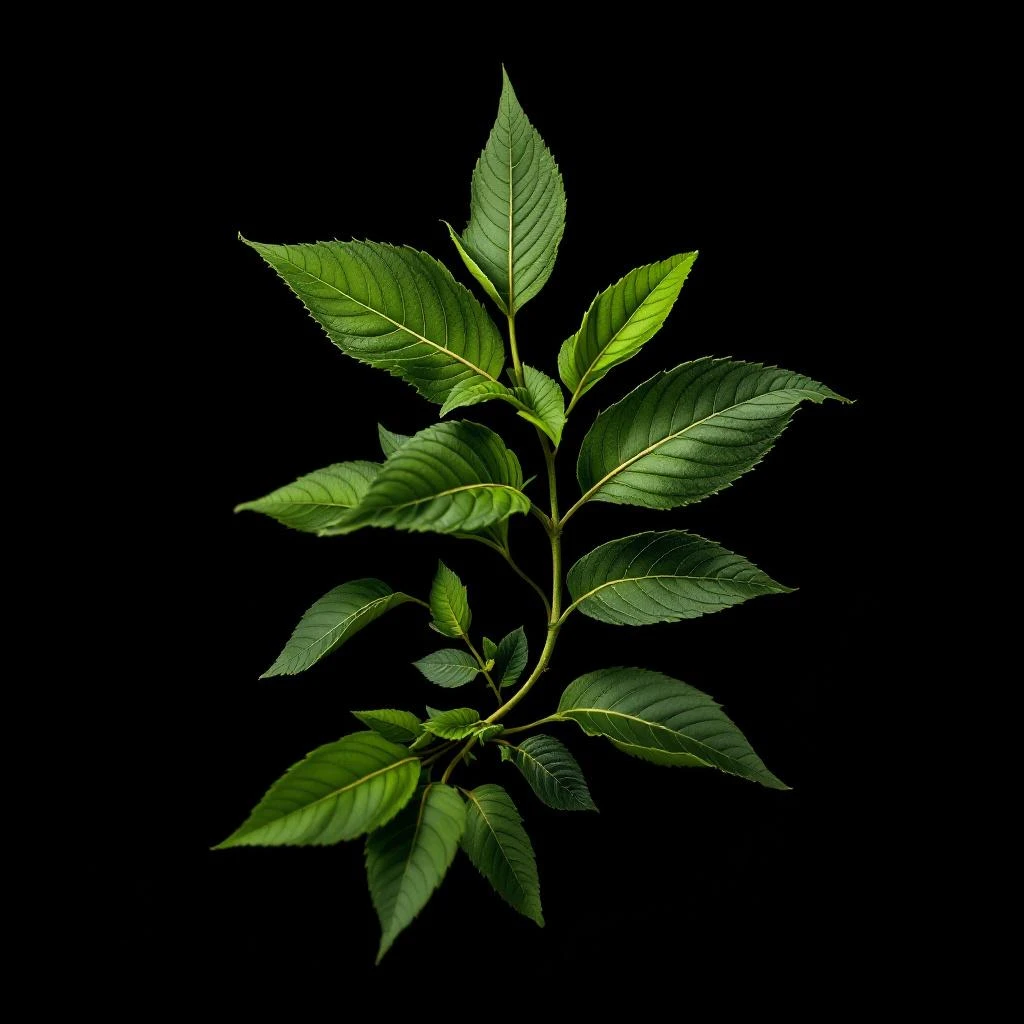
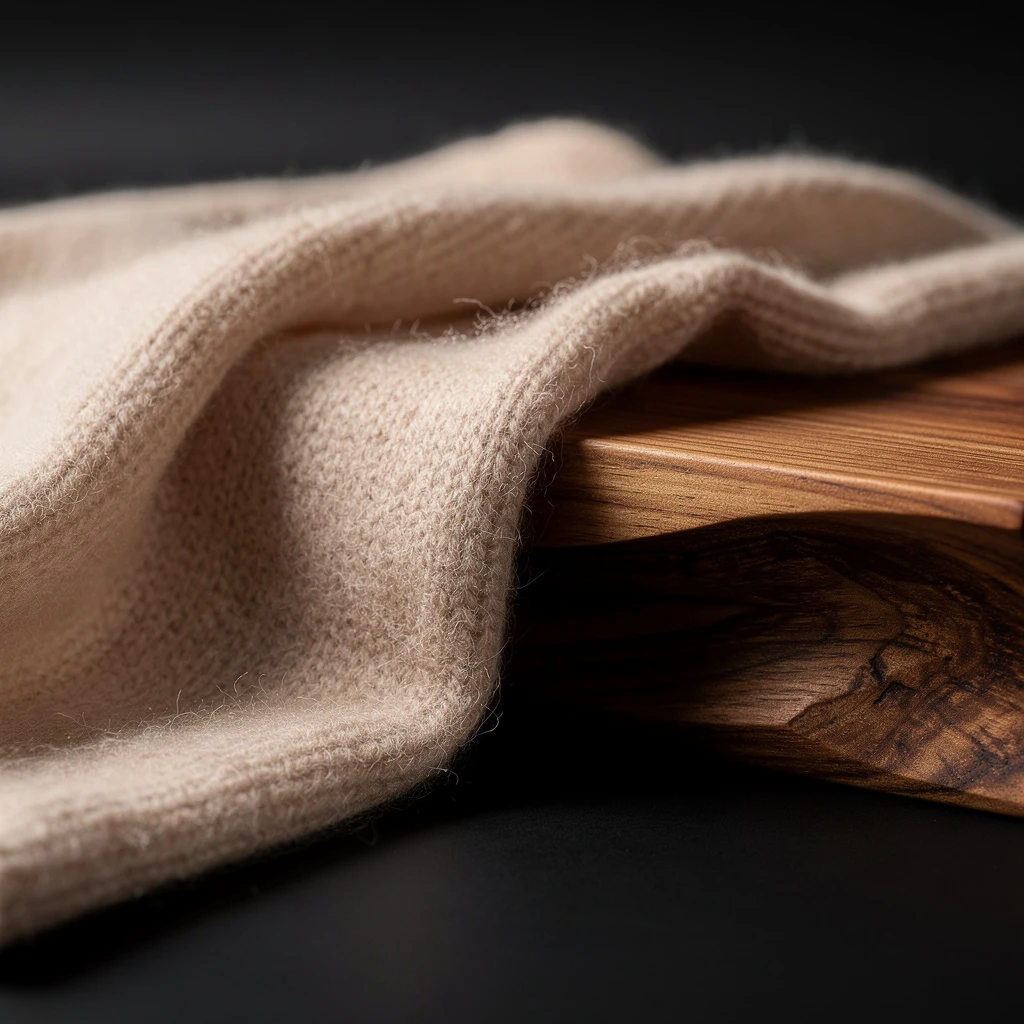
How it smells
Spanish sunshine captured in a bottle's essence.
The same compound responsible for sherry's characteristic aroma also appears naturally in fermented soy sauce and aged rum.



Origin
Spain
Sherry's history in perfumery reflects the broader influence of Mediterranean trade routes and the cultural exchange between Spain's wine regions and French perfumers. The fortified wine from Jerez de la Frontera has been prized since Phoenician times, with the unique aging system involving the 'solera' method developing over centuries.
French perfumers began incorporating wine notes as early as the 18th century, drawn to the region's distinctive terroir and the wine's remarkable aromatic complexity. The sherry triangle of Jerez, Sanlúcar de Barrameda, and El Puerto de Santa María became synonymous with quality, much like Grasse became synonymous with perfumery.
As perfumery industrialized in the late 19th century, synthetic chemistry allowed perfumers to capture sherry's essence without relying on wine itself, democratizing access to this sophisticated note. Today, sherry notes appear across fragrance families, from warm orientals to contemporary gourmands, carrying echoes of this ancient Spanish tradition into modern compositions.
Wears it best
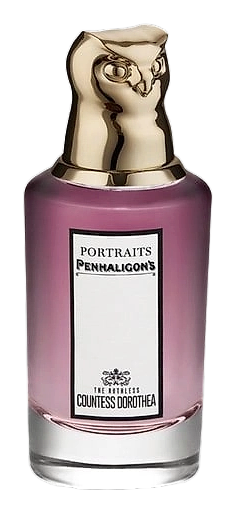
Fragrances featuring Sherry
Brands
Brands known for Sherry
Good to know
Questions, answered
The essentials on Sherry in perfumery: how it smells, where it comes from, and how it behaves on skin.
What does sherry smell like in perfumery?
Sherry notes in perfumery present as rich, oxidative, and nutty with underlying dried fruit and a subtle sharp quality reminiscent of fortified wine.
Is sherry a natural or synthetic fragrance ingredient?
Sherry is typically a synthetic reconstruction, as natural wine-derived aromatics are rarely used due to alcohol content and regulatory considerations.
What fragrance families use sherry notes?
Oriental and gourmand fragrances most commonly feature sherry notes, though the note occasionally appears in chypre and woody compositions for added depth.
Does sherry note contain alcohol?
No, the sherry note in perfumery consists of aromatic compounds reconstructed from individual aroma molecules, containing no actual alcohol.
What compounds create the sherry aroma profile?
Sotolon contributes the characteristic nutty, oxidative quality, while phenylacetaldehyde adds fruity-floral dimensions. Various aldehydes and esters complete the profile.
Which sherry styles influence perfumery most?
Oloroso provides the rich, nutty quality often sought in perfumery, while Fino contributes brighter, more delicate notes. Pedro Ximénez adds sweetness and dried fruit depth.
Can sherry notes cause skin sensitivity?
When properly diluted in a fragrance concentrate, sherry compounds meet IFRA standards and are considered safe for cosmetic use by most individuals.
How long has sherry been used in perfumery?
French perfumers incorporated wine notes as early as the 18th century, with synthetic reconstruction methods developing during the late 19th century industrialization of fragrance.