Shea Nut
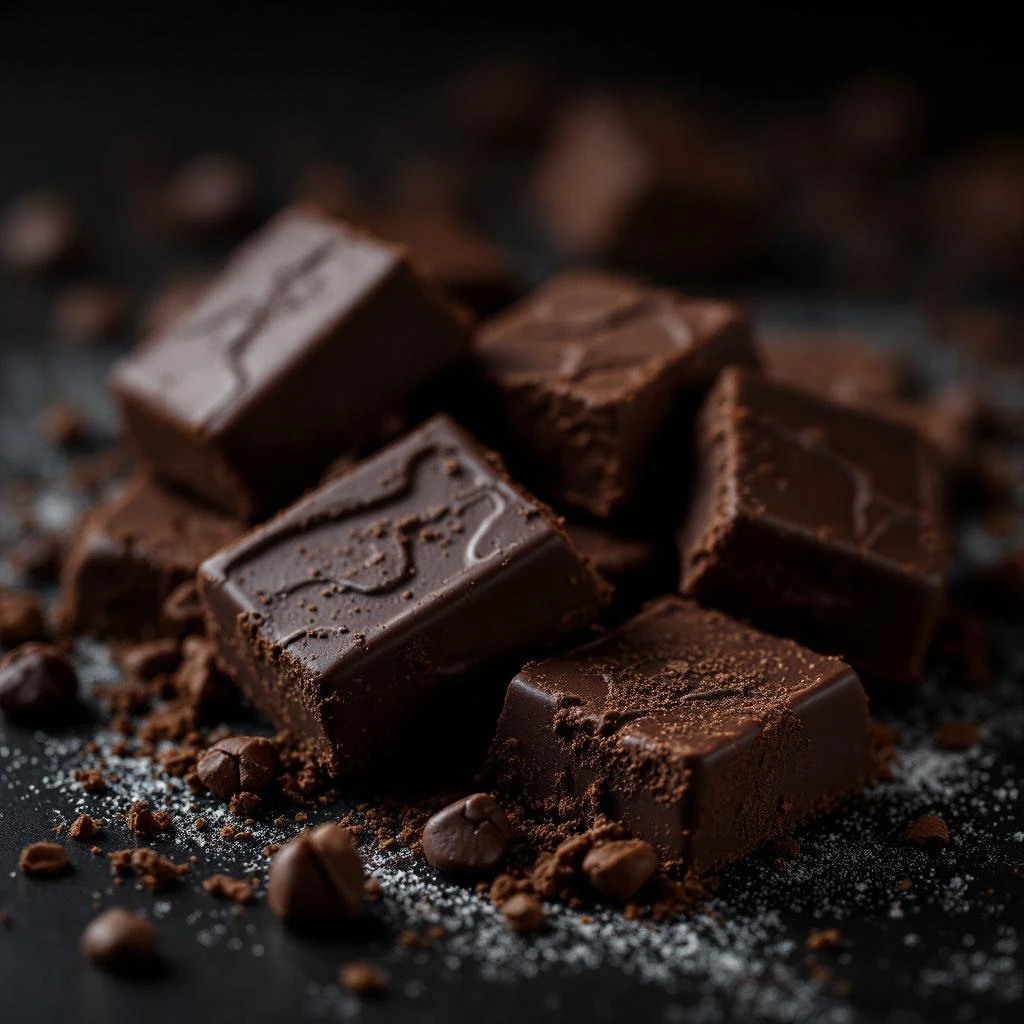
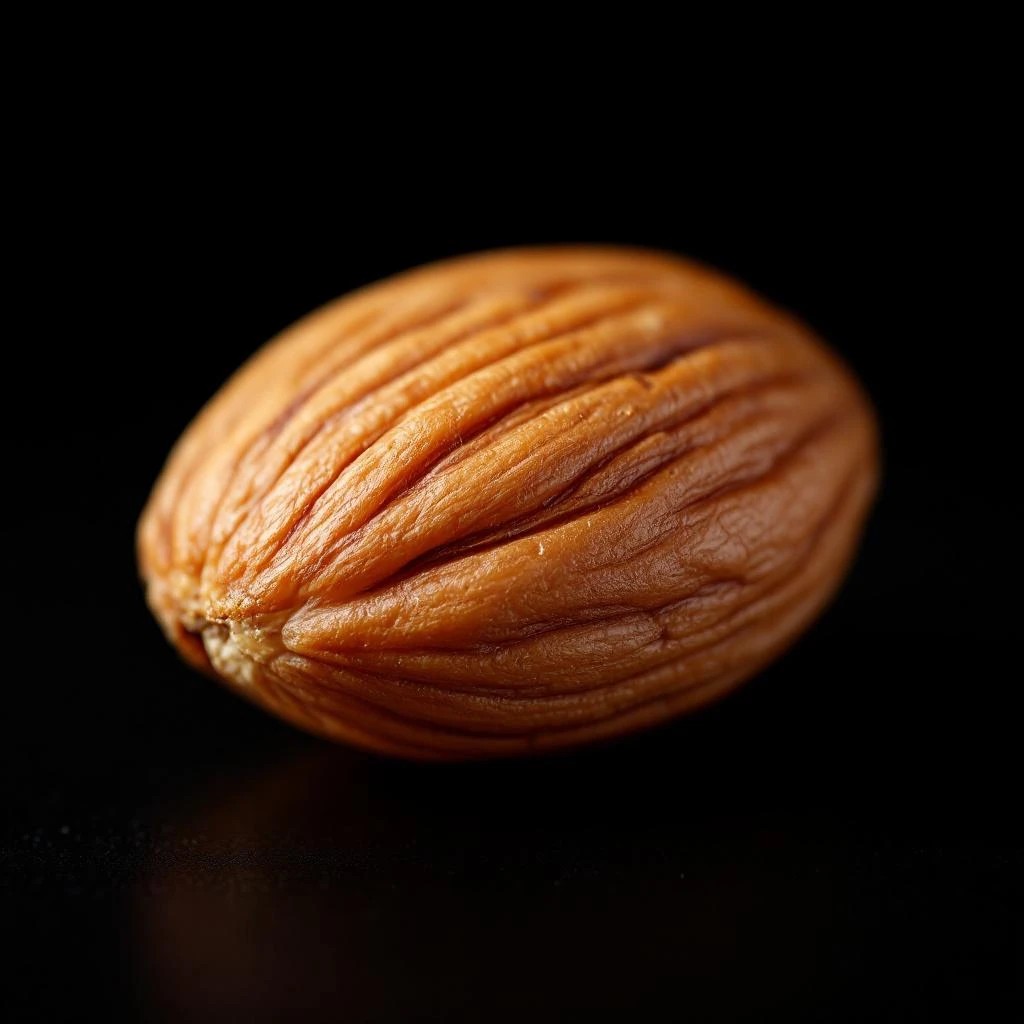
A creamy, nutty base note derived from the African shea tree, lending warmth, depth, and a subtle comforting richness to oriental and gourmand fragrance compositions.
Character
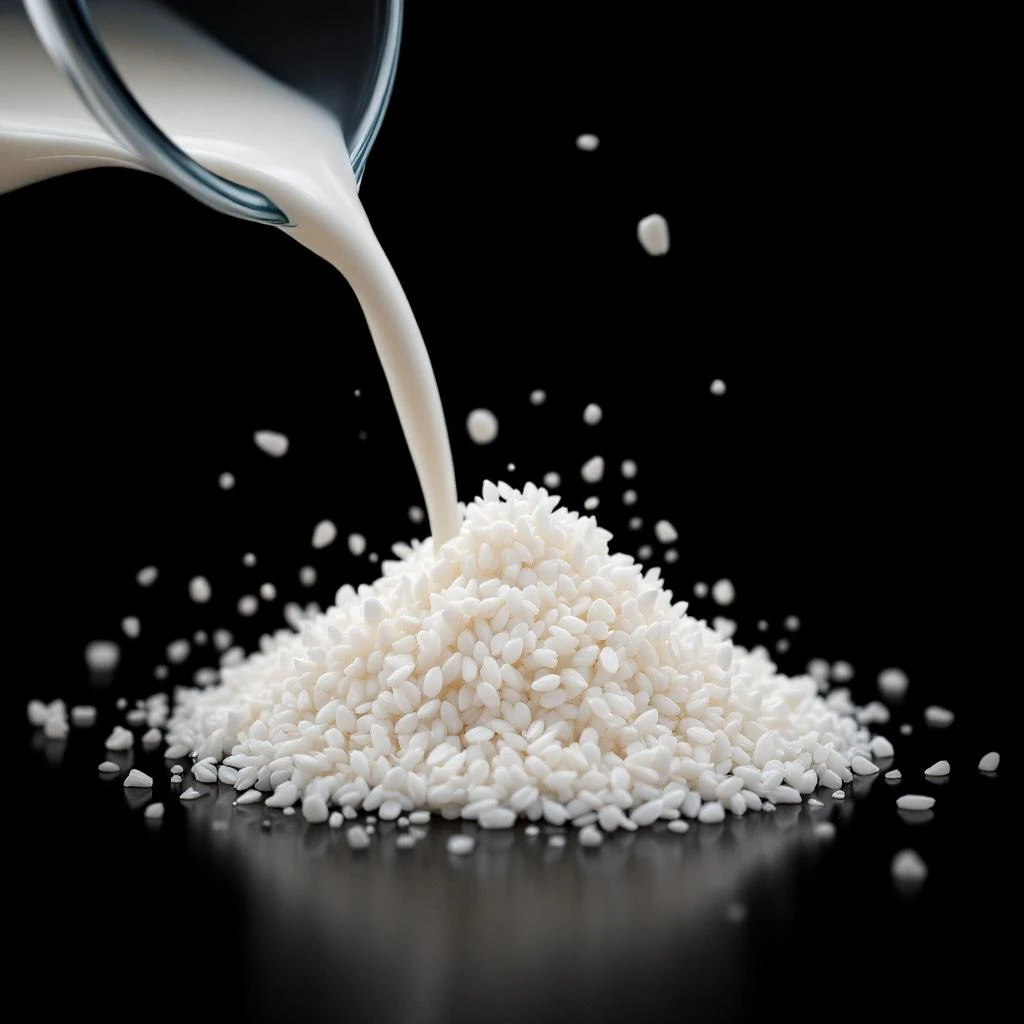
How it smells
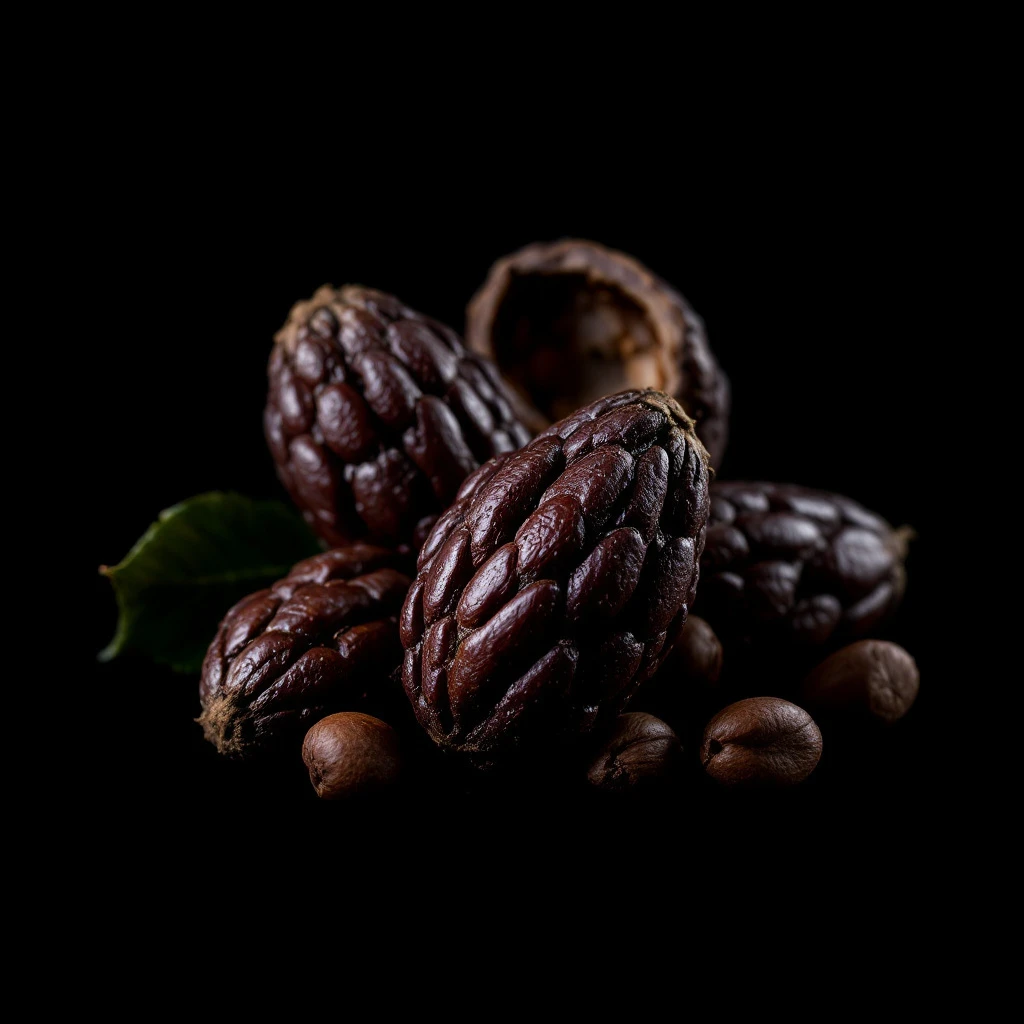
Warmth bottled from the African shea tree.
Shea nuts have been wild-harvested in the Sudano-Sahelian region for over 1,000 years, traditionally processed by women whose craft remains central to the global supply.
Pairs beautifully with

Origin
Burkina Faso
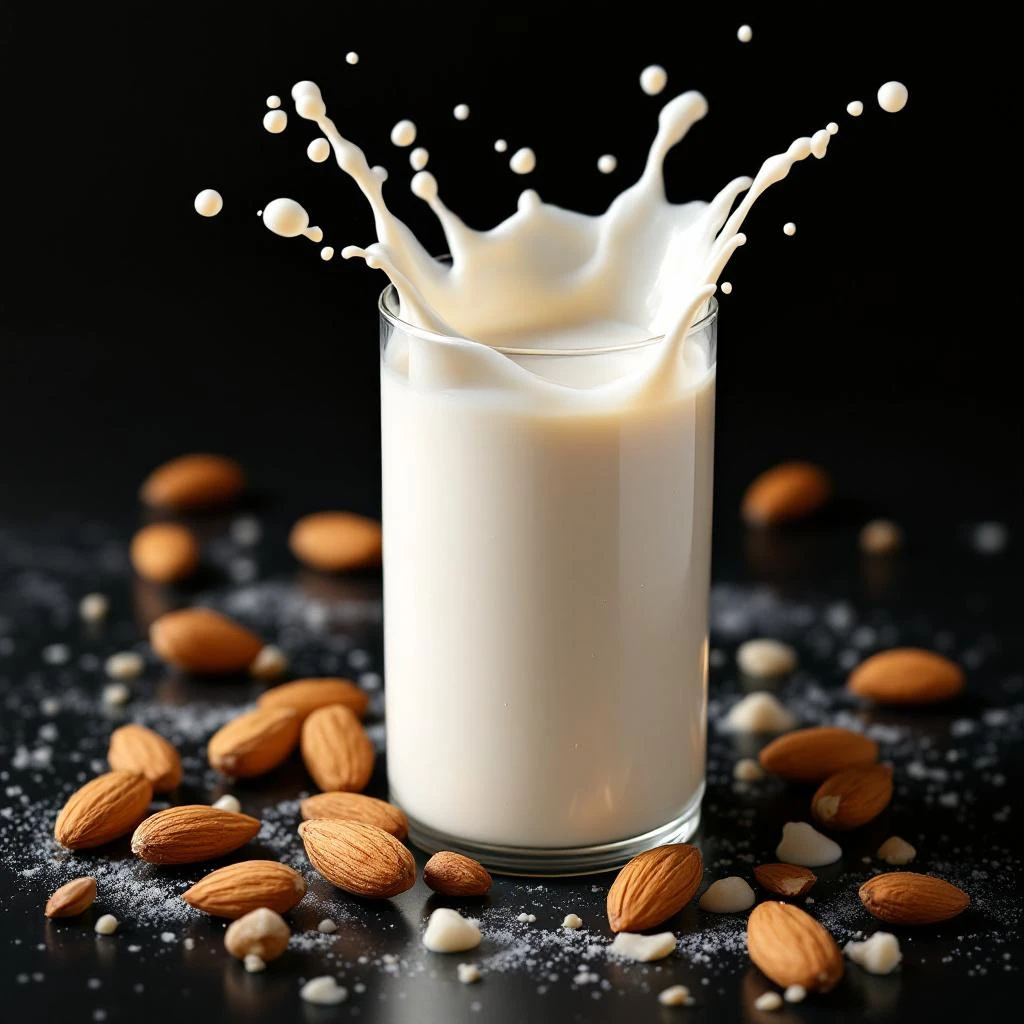
The shea tree, Vitellaria paradoxa, has shaped life across the Sudano-Sahelian belt of West Africa for over a millennium. Archaeobotanical evidence places shea nut use in the region as early as the 14th century, and oral tradition ties the tree to spiritual and communal ceremonies long before written records.
Shea butter production has historically been a women-led enterprise. Across Burkina Faso, Ghana, Mali, Nigeria, and Côte d'Ivoire, women gather fallen fruits during the rainy season, then crack, roast, and process the nuts through techniques passed down through generations. The resulting butter served as cooking fat, skin ointment, wound salve, and waterproofing agent for homes and ritual objects.
European traders encountered shea butter in the 18th and 19th centuries, noting its use along trans-Saharan trade routes. Cocoa butter later overtook it as the dominant African fat export. Revival came in the mid-20th century when the cosmetics industry rediscovered shea butter as a premium emollient, and it eventually found a quieter role in perfumery as a texture-rich, skin-friendly base note anchoring gourmand and oriental compositions.
Wears it best
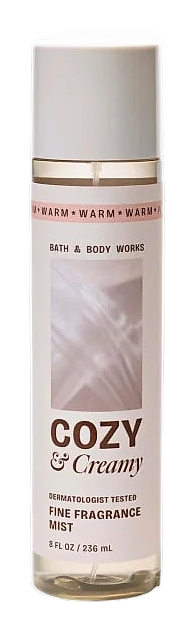
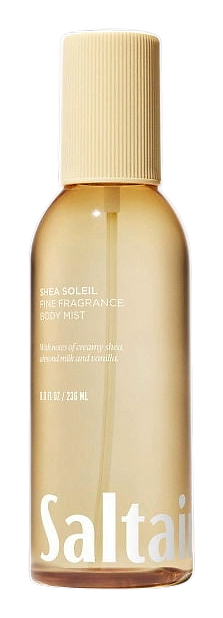
Fragrances featuring Shea Nut
Brands
Brands known for Shea Nut
Good to know
Questions, answered
The essentials on Shea Nut in perfumery: how it smells, where it comes from, and how it behaves on skin.
What does shea nut smell like in fragrance?
Unrefined shea butter carries a soft, nutty, faintly smoky aroma with creamy lactonic undertones. In refined grades used in perfumery, the scent becomes much subtler, lending a smooth, skin-like warmth rather than a distinct note.
Is shea nut a top, heart, or base note?
Shea nut functions almost exclusively as a base note. Its fatty, waxy character and low volatility anchor compositions, providing depth and a creamy trail that supports longer-lasting notes above it.
Is shea nut safe for sensitive skin?
Refined shea butter is widely regarded as low-irritation and is commonly used in products designed for sensitive skin. Patch testing is still recommended since trace proteins from unrefined grades occasionally trigger reactions in people with nut allergies.
Where do shea nuts come from?
Shea nuts are harvested from Vitellaria paradoxa, a tree native to the Sudano-Sahelian savanna stretching from Senegal to Ethiopia. Burkina Faso and Ghana are currently the leading producers.
How is shea butter extracted for perfumery?
After sun-drying and cracking, the kernels are cold-pressed or mechanically pressed to release their fat. Traditional methods use water sedimentation to separate curds, while industrial extraction employs hydraulic presses for higher yields per kilogram.
What fragrances commonly use shea nut?
Shea nut and shea butter appear most often in gourmand fragrances, amber compositions, and skin scents where a creamy, edible warmth is desired. It is also a staple carrier in artisan solid perfumes and balms.
Is shea nut sustainable?
Wild shea trees are not cultivated on plantations, so harvesting relies on existing parkland ecosystems. Concerns include over-tapping during low-fruit years and the displacement of traditional pickers by industrial supply chains in West Africa.
What's the difference between shea butter and shea oil in perfume?
Shea butter is the solid fat pressed from the nut kernel, while shea oil typically refers to a fractionated liquid form. In perfumery, the butter acts as a textured base carrier, whereas the oil behaves more like a lightweight emollient with similar olfactory qualities.