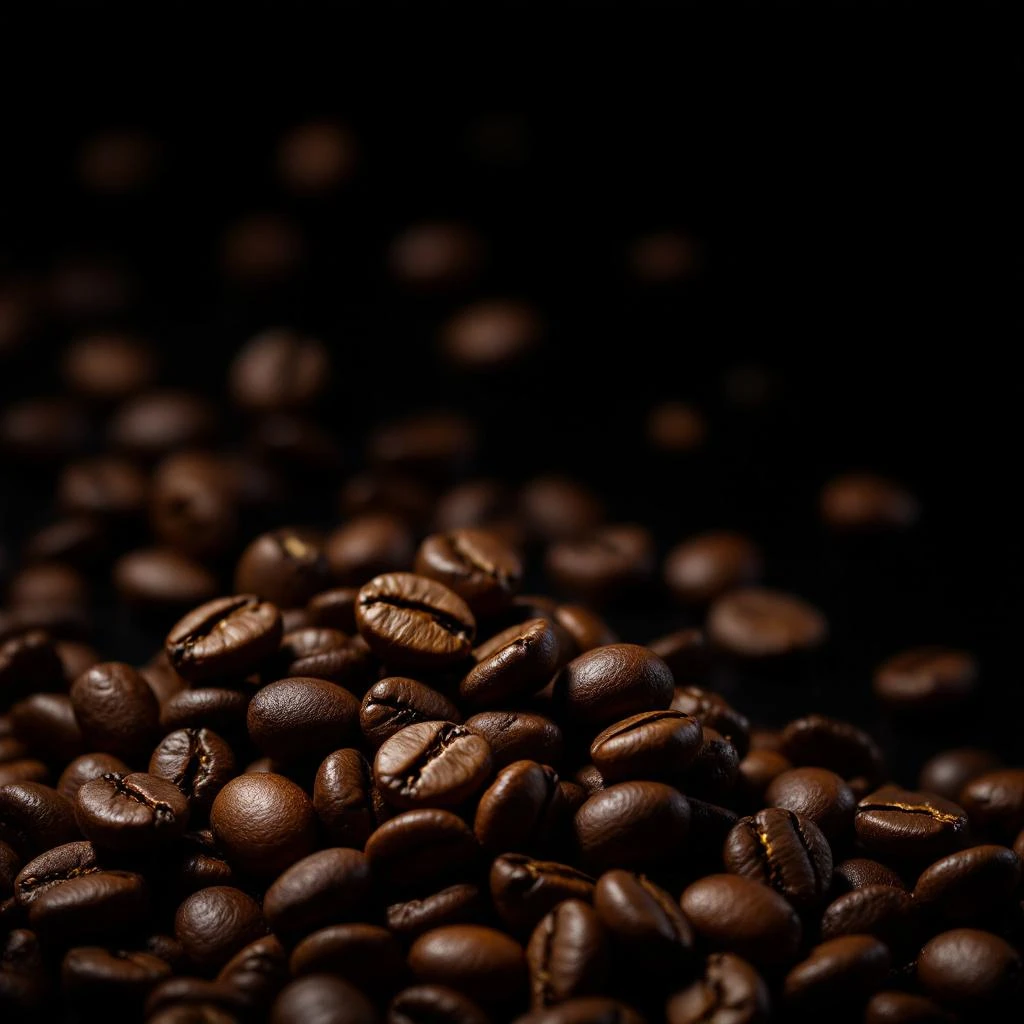
Serbian Honey
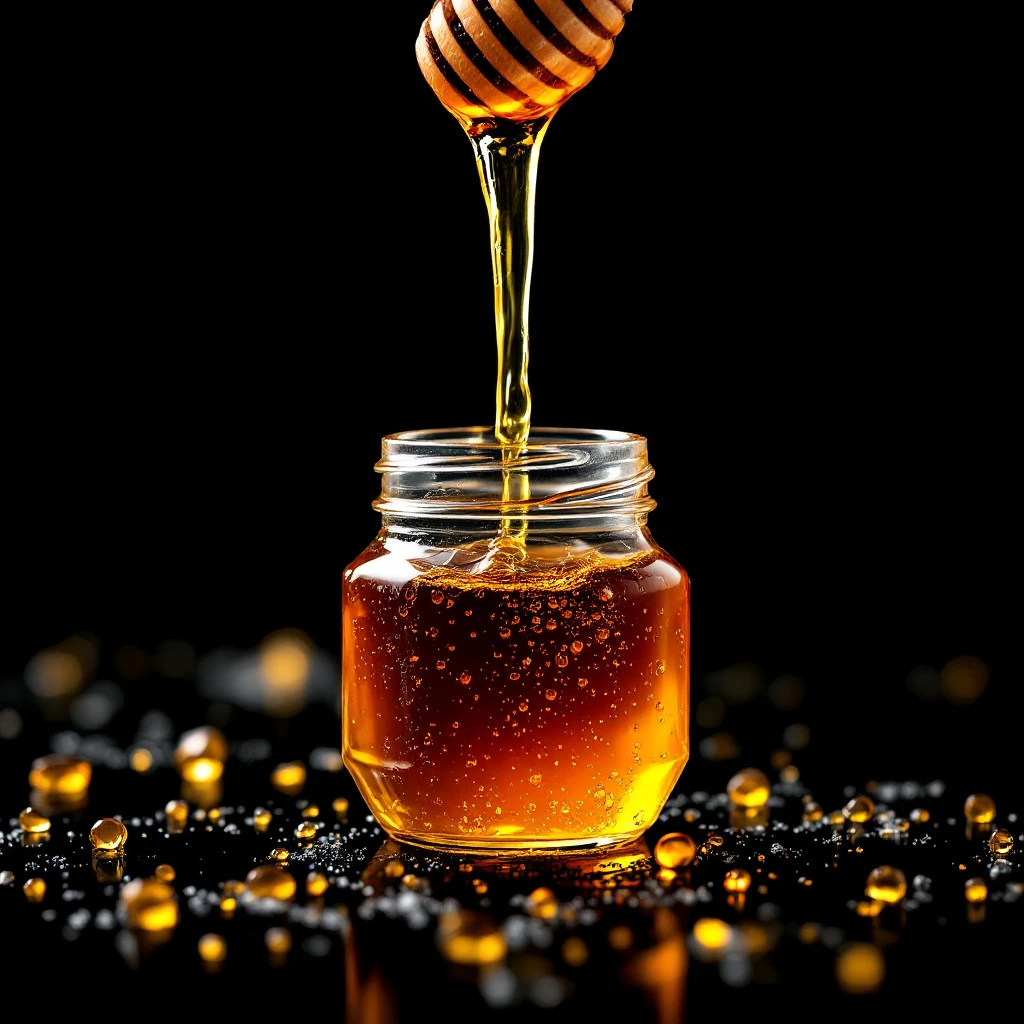
Golden and complex, Serbian Honey captures the sun-drenched meadows of the Balkans in a single note. This natural honey absolute carries warmth, depth, and a lingering sweetness that anchors oriental fragrances and adds gravity to floral compositions.
Character
How it smells
Balkans sunshine captured in a bottle.
Ancient Egyptian perfumers boiled honey with botanicals to create sacred incense blends over 3,500 years ago.


Origin
Serbia
Serbia's beekeeping heritage spans centuries, with the country maintaining one of Europe's highest concentrations of managed beehives per capita. Ancient Mesopotamians documented honey's sacred status, while the Ebers Papyrus records honey's first documented use in perfume around 1500 BCE. Serbian Orthodox monks developed extensive beekeeping practices in medieval monasteries, particularly in the Fruška Gora region.
The country's diverse flora—acacia forests, linden groves, and wildflower meadows—produces honey with distinctive terroir characteristics that perfumers value. Balkan apiaries supplied honey to Ottoman and European courts, cementing the region's role in the early fragrance trade.
Wears it best
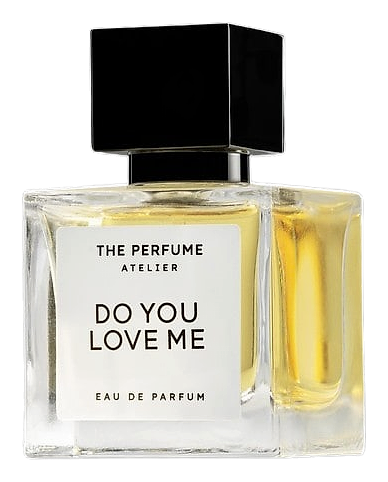
Fragrances featuring Serbian Honey
Brands
Brands known for Serbian Honey
Good to know
Questions, answered
The essentials on Serbian Honey in perfumery: how it smells, where it comes from, and how it behaves on skin.
What does Serbian Honey smell like?
Serbian honey offers a warm, syrupy sweetness balanced by subtle floral undertones from acacia and linden nectar. It carries faint waxy depth from beeswax and occasional herbaceous hints from wildflower sources.
Is Serbian Honey a natural or synthetic ingredient?
Serbian honey is a natural perfumery ingredient. Perfumers obtain it through solvent extraction of raw honey or beeswax, producing a concentrated absolute used in fine fragrance formulations.
What fragrance families pair well with Serbian Honey?
Oriental fragrances benefit most from honey's warmth, though it also enriches amber, woody, and gourmand compositions. It adds sweetness without volatility when combined with vanillin or benzoin.
How much honey does perfumery use compared to other ingredients?
Honey functions as a modifier or base note, typically appearing at low concentrations around 0.5–5% in fragrance concentrates. Its potency means a little provides significant warmth and sweetness.
Does Serbian Honey contain allergens?
Natural honey may contain trace pollen and bee proteins. IFRA guidelines require perfumers to disclose specific allergens present above threshold concentrations in finished products.
Can honey replace animal-derived ingredients in perfumery?
Honey provides similar warmth and sweetness to certain animal materials without the ethical concerns. Perfumers sometimes use it to add gravitas in vegetarian and vegan formulations.
How long has honey been used in perfume?
The first written perfume recipe, dating to approximately 1500 BCE, lists honey as a key ingredient. Egyptian, Greek, and Roman perfumers all incorporated honey into their formulations for religious and cosmetic purposes.
What makes Serbian honey distinctive for perfumery?
Serbia's varied landscape—spanning forest, meadow, and mountain ecosystems—produces honey with complex aromatic profiles. The country's traditional beekeeping practices preserve floral diversity that mass-produced honey typically lacks.