Sequoia Needle
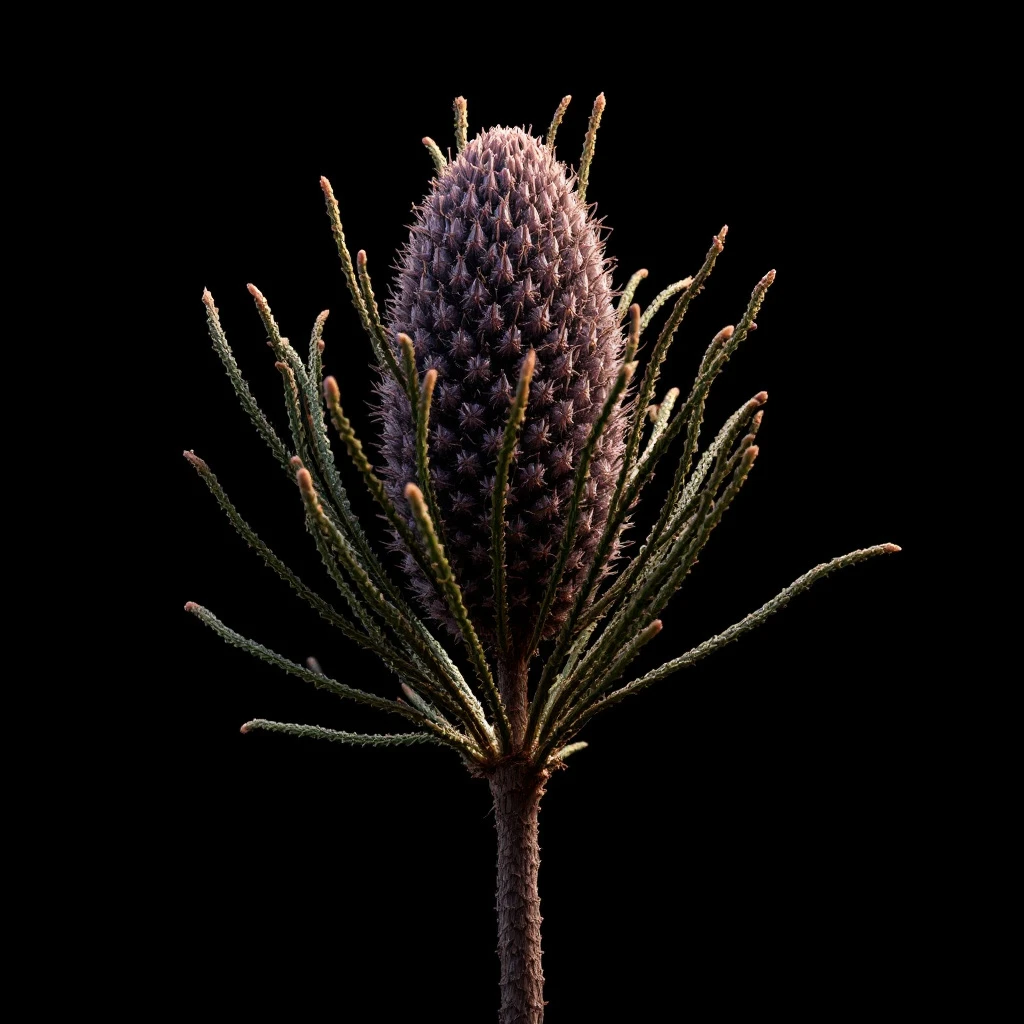
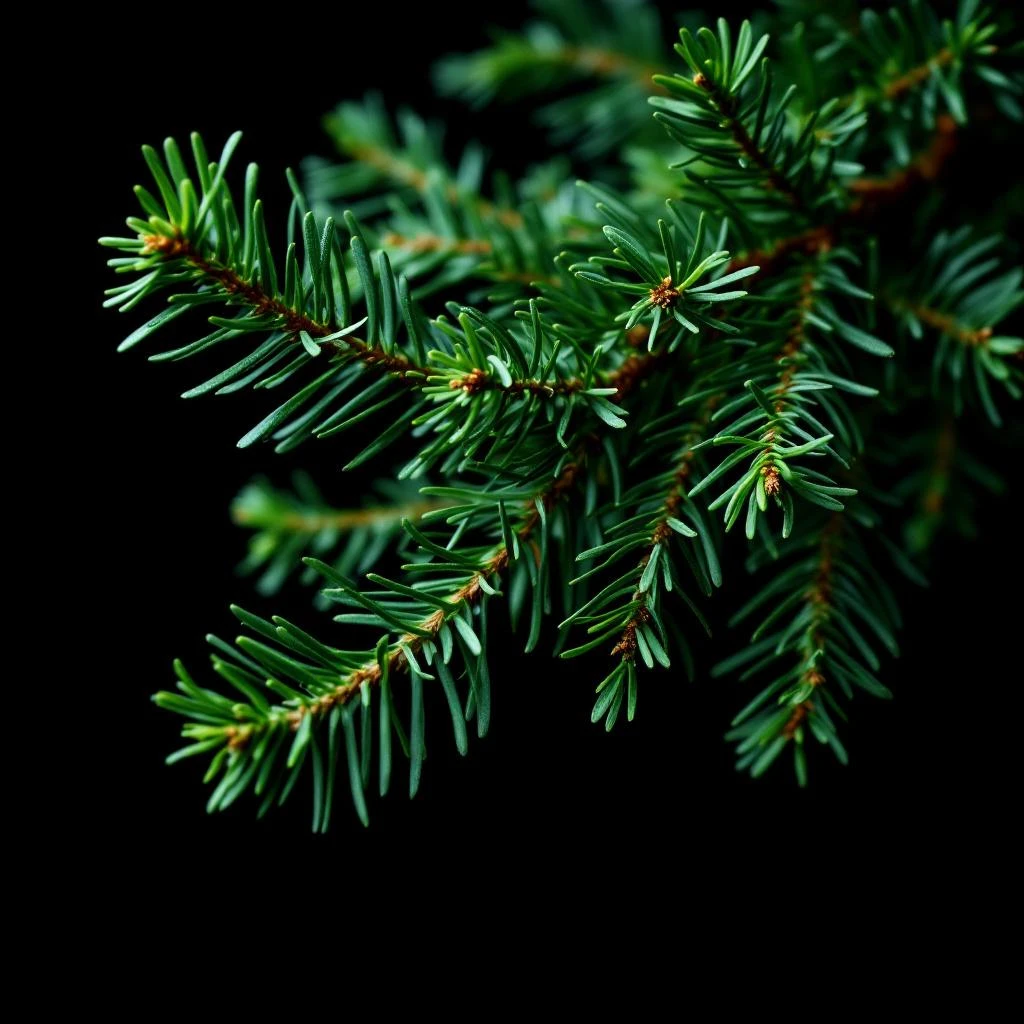
Sequoia needle captures the crisp, resinous scent of California's ancient redwoods. A green-woody note with coniferous sharpness, it brings forest-floor realism to modern perfumery.
Character
How it smells
The breath of old-growth forests in a bottle.
Giant sequoias are among the longest-living organisms on Earth, with some specimens exceeding 3,000 years, making their needles a living archive of ancient forests.
Pairs beautifully with
Origin
United States
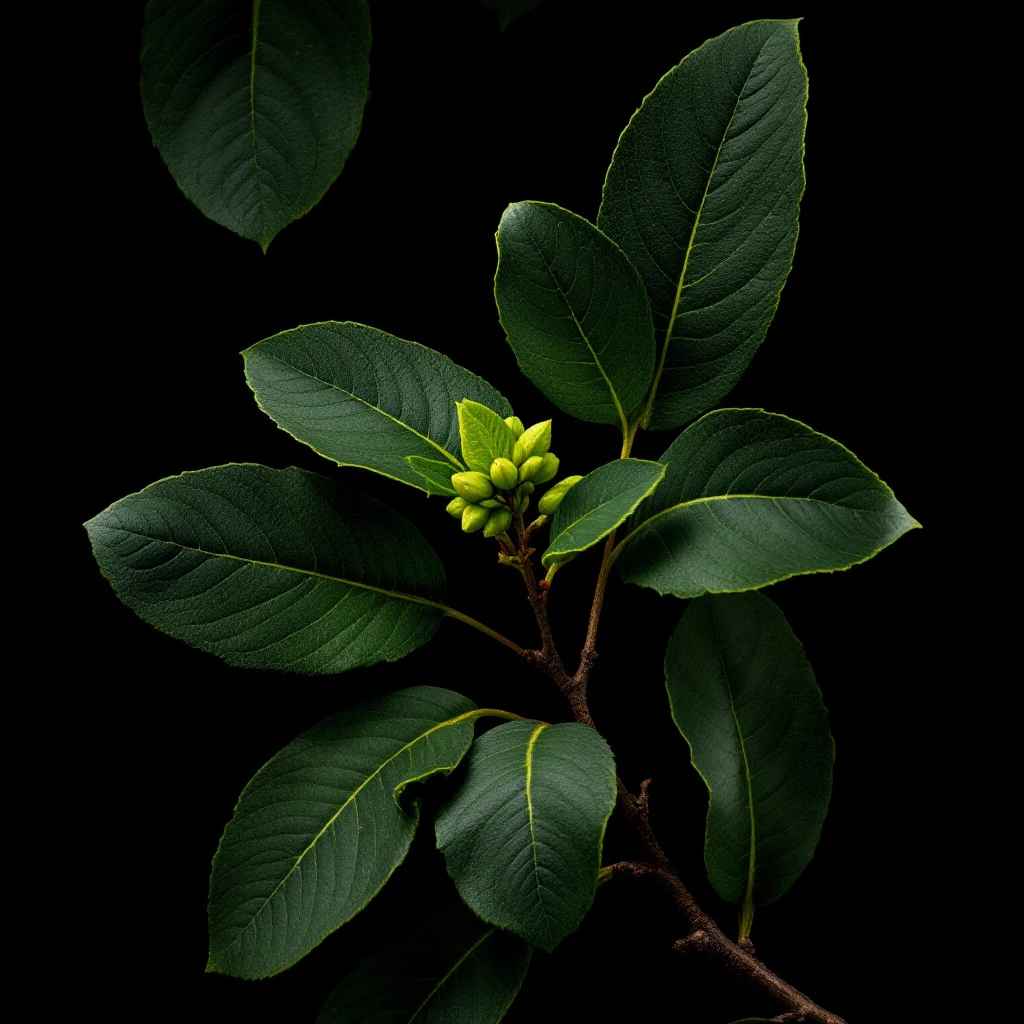
The coast redwood has never held a traditional place in European perfumery, where pine, fir, and spruce resins dominated coniferous fragrance traditions for centuries. Sequoia needles entered modern fragrance vocabulary relatively late, gaining traction as perfumers in the late 20th century began seeking distinctive green-woody materials with a Pacific Northwest character.
The tree itself carries deep significance: the Yurok, Tolowa, and other Indigenous peoples of the redwood region have long used these forests for shelter, ceremony, and craft. Commercial interest in sequoia needle oil grew alongside conservation awareness in the 1990s, when sustainable forestry initiatives in California began exploring non-timber forest products.
Today, sequoia needle appears in niche perfumery and forest-themed compositions, valued for the authenticity it brings to coniferous accords. Unlike synthetic forest notes, the natural oil carries subtle balsamic undertones tied to the unique chemistry of redwood foliage.
Wears it best
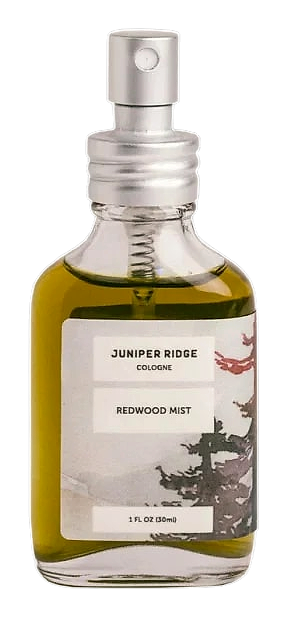
Fragrances featuring Sequoia Needle
Brands
Brands known for Sequoia Needle
Good to know
Questions, answered
The essentials on Sequoia Needle in perfumery: how it smells, where it comes from, and how it behaves on skin.
What does sequoia needle smell like?
Sequoia needle has a crisp, green-woody scent with coniferous sharpness and subtle balsamic undertones. It evokes the atmosphere of a damp redwood forest floor, more resinous and complex than typical pine.
Is sequoia needle oil sustainable?
When sourced from managed coastal forests in Northern California, sequoia needle can be sustainable. Harvesting needles does not harm the tree, and several small-scale operations now produce it as a non-timber forest product.
How is sequoia needle oil extracted?
The oil is extracted through steam distillation. Pressurized steam passes through freshly harvested needles, releasing volatile compounds that condense into a pale, thin essential oil with a fresh, forest-like character.
What is the difference between sequoia and pine needle oil?
Pine needle oil tends to be sharper and more medicinal, with dominant terpene notes. Sequoia needle oil is softer and greener, with a rounder balsamic quality that comes from the unique chemistry of coast redwood foliage.
Which perfumes use sequoia needle?
Sequoia needle appears primarily in niche and artisan fragrances, often within forest, woodland, or Pacific Northwest-themed compositions. Mainstream commercial use remains limited due to supply constraints and cost.
Can sequoia needle oil trigger allergies?
Like most conifer oils, sequoia needle contains limonene and pinenes that may cause skin sensitization in sensitive individuals. Dilution and proper usage guidelines apply, consistent with general essential oil safety.
Where do coast redwoods grow?
Coast redwoods grow naturally along a narrow strip of fog-shrouded coastline from southern Oregon to central California. They thrive in the cool, moist maritime climate, reaching heights over 350 feet.
Is sequoia needle oil expensive?
Sequoia needle oil commands a premium compared to common pine oils due to limited supply, modest distillation yields, and the labor-intensive nature of sustainable harvesting in protected forest zones.




