Seaside Moss
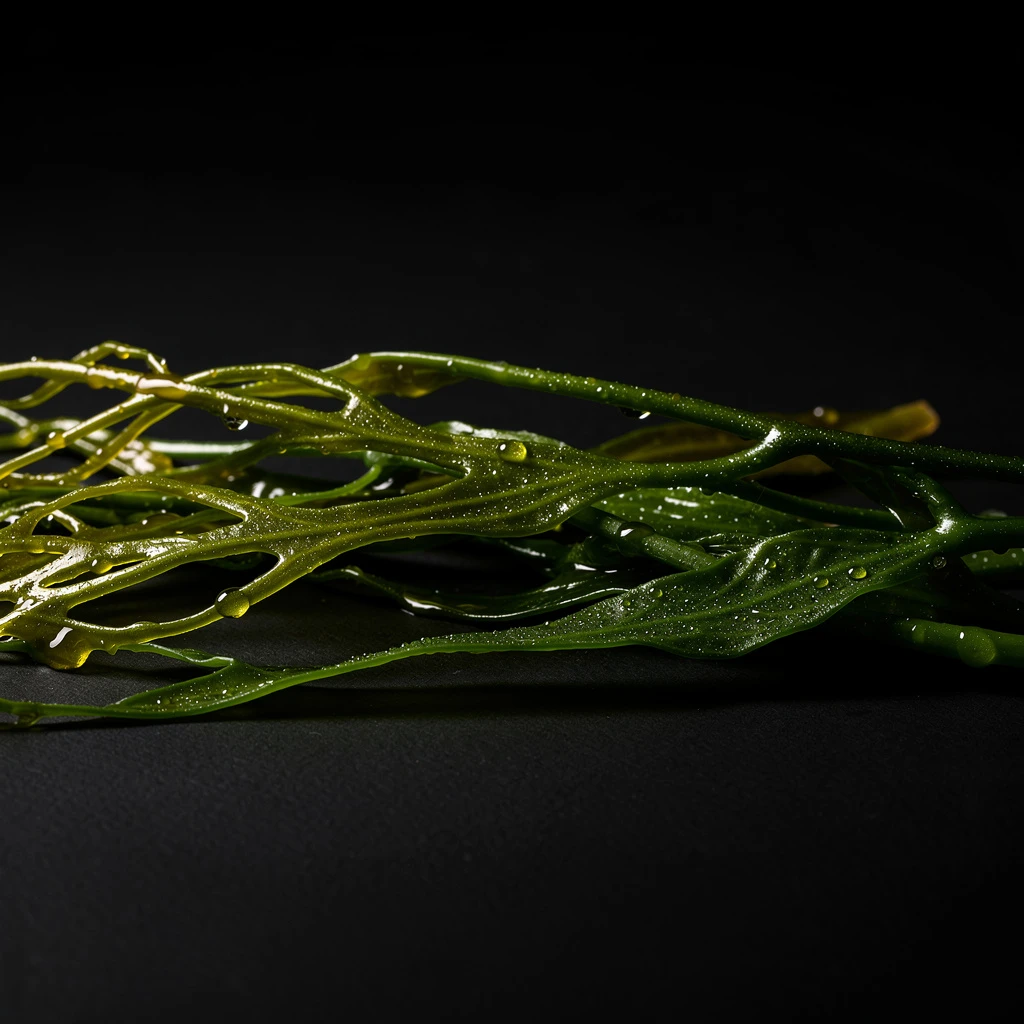
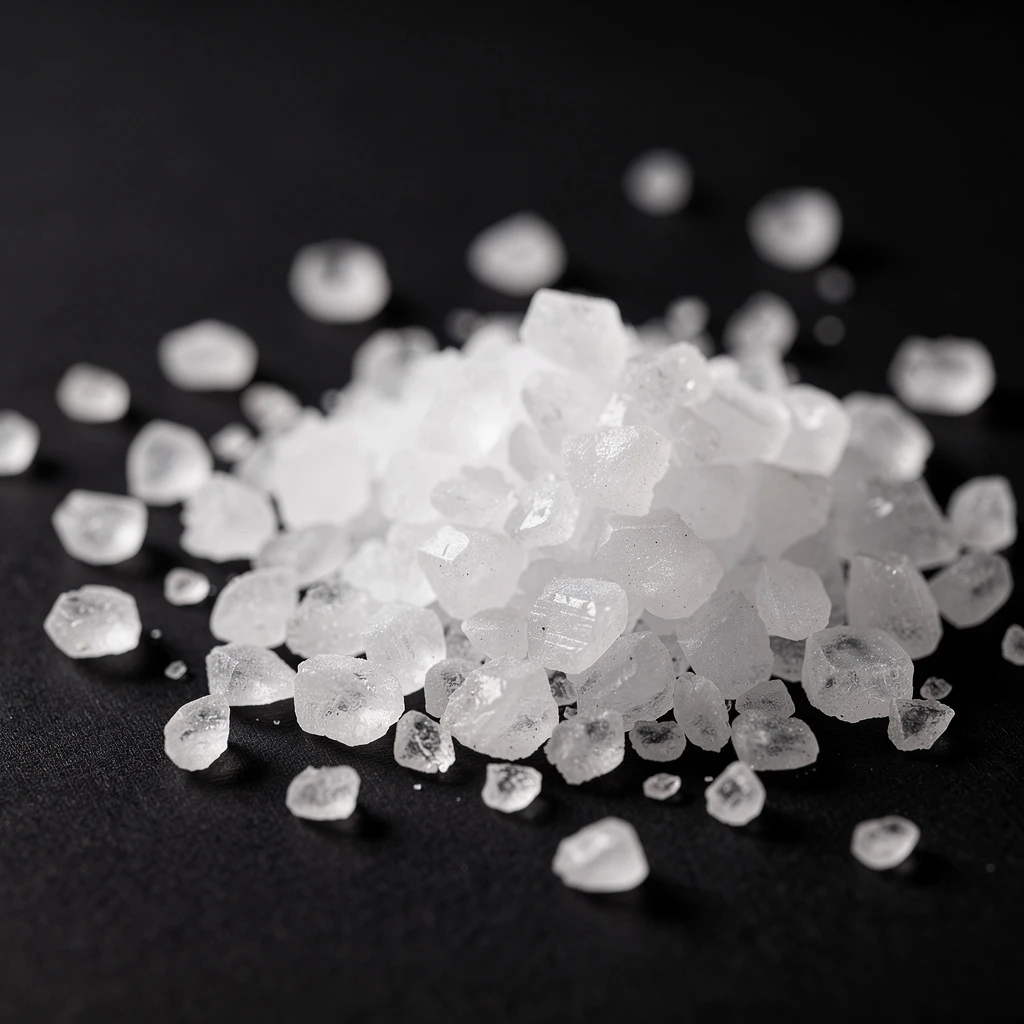
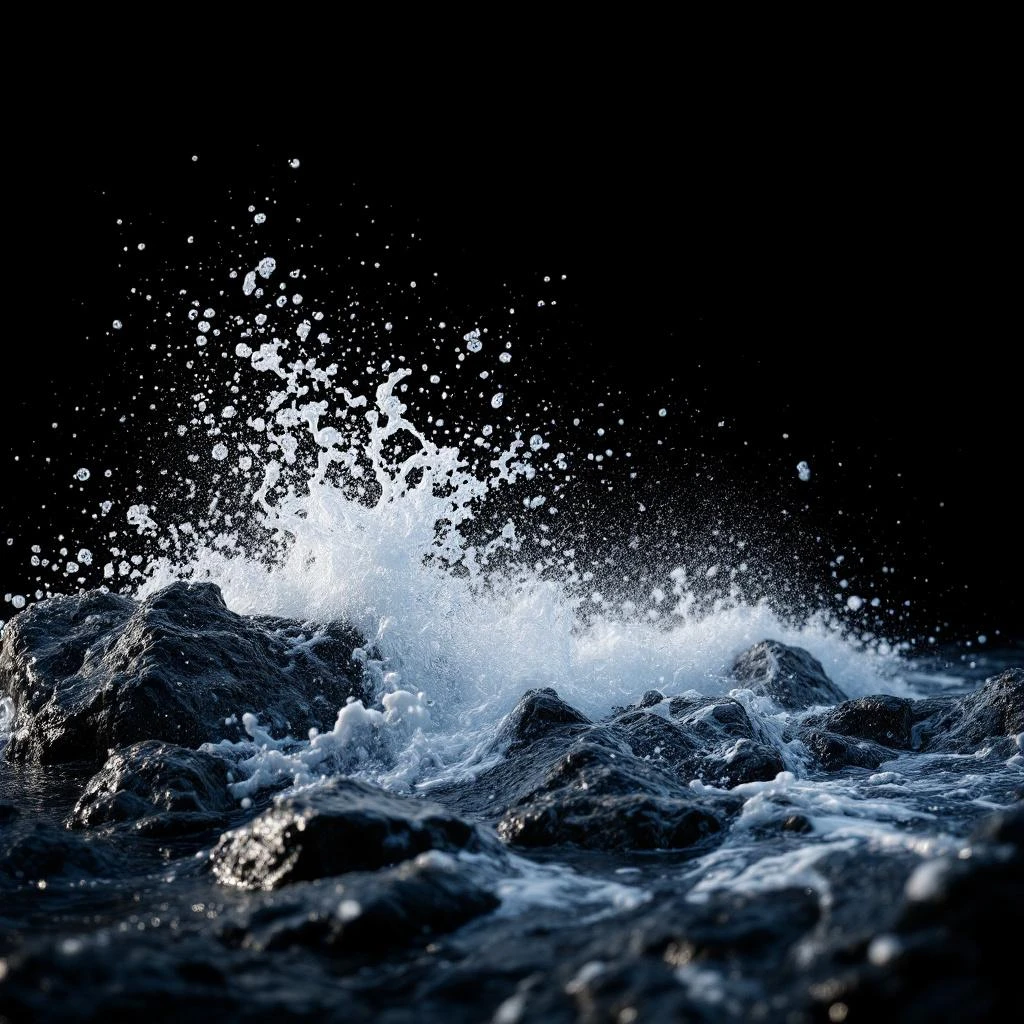
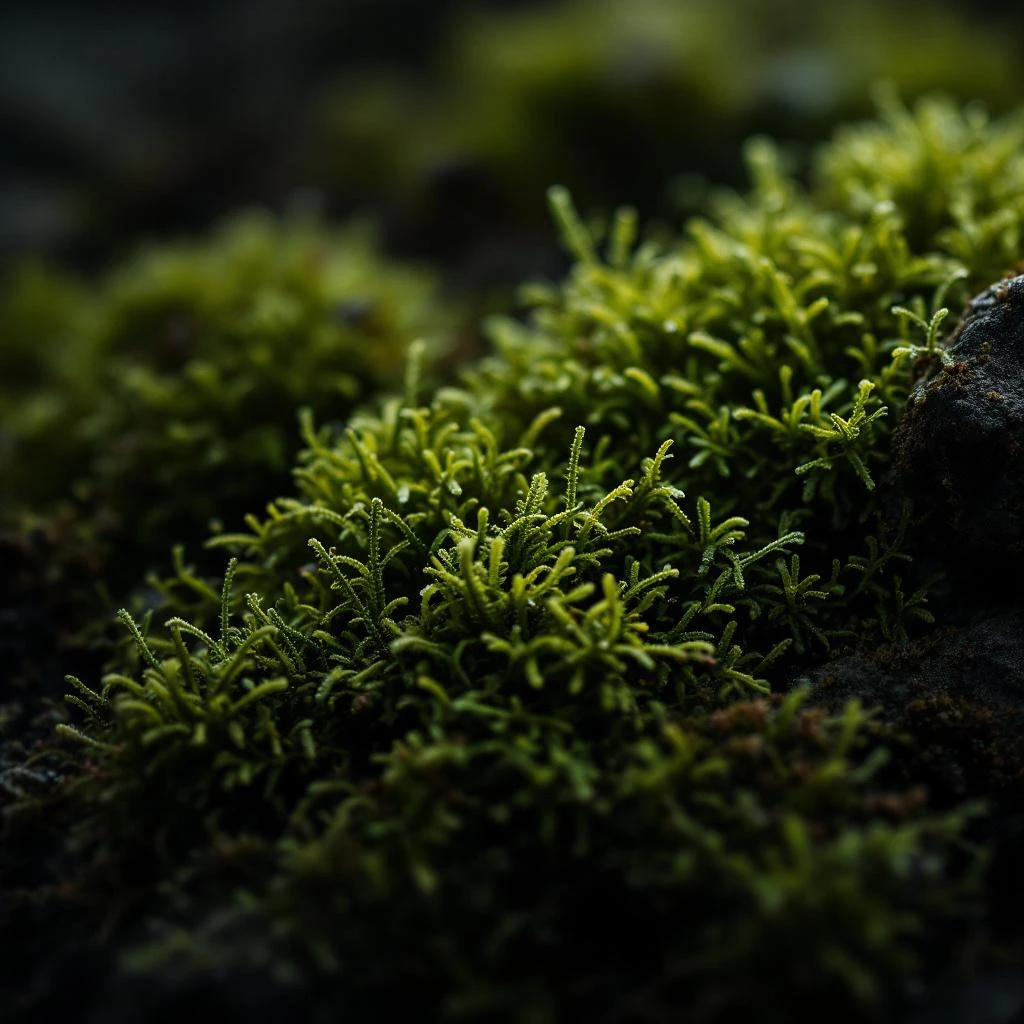
Where the forest meets the tide. Seaside moss captures the living boundary between land and sea, translating coastal lichen into an ingredient that smells of wet stone, salt-kissed bark, and the mineral depths of tidal pools.
Character
How it smells
The shoreline between forest and sea.
This material bridges two fragrance families usually considered opposites: the earthy depth of chypre and the airy freshness of marine accords.






Origin
France
Coastal peoples have long recognized that shoreline lichens carry different qualities than forest varieties. Sailors and coastal farmers noticed that plants growing near the sea held a distinctive sharpness beneath their earthiness, a quality attributed to constant exposure to salt and wind.
French perfumers began systematically studying these coastal populations in the 1930s when oakmoss shortages forced exploration of alternative sources. They discovered that maritime lichens offered complementary aromatic dimensions rather than mere substitutes.
The seaside moss category emerged as perfumers recognized that provenance dramatically influenced character. By the 1960s, specialized collectors in Brittany and Corsica began targeting coastal habitats specifically, developing harvest techniques that preserved the salt-responsive compounds that define this material's signature.
Wears it best
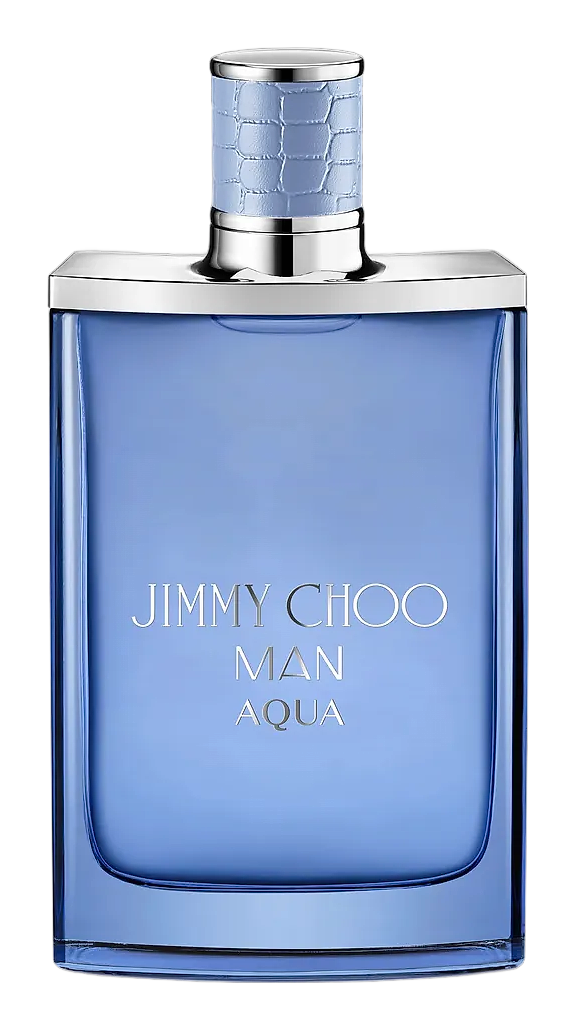
Fragrances featuring Seaside Moss
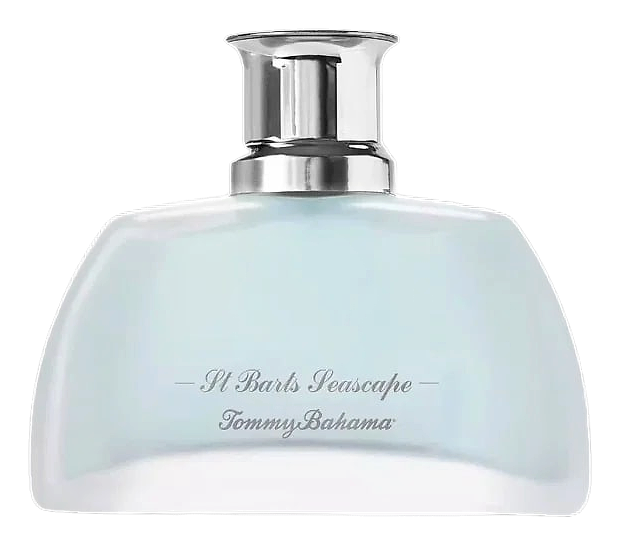
Brands
Brands known for Seaside Moss
Good to know
Questions, answered
The essentials on Seaside Moss in perfumery: how it smells, where it comes from, and how it behaves on skin.
What does seaside moss smell like?
Seaside moss opens with a sharp mineral clarity, followed by wet stone and damp bark. The dry-down reveals earthy depth with a persistent salt note that sets it apart from inland mosses. It combines forest-floor earthiness with coastal freshness in a single material.
How is seaside moss different from oakmoss?
Seaside moss comes from coastal lichen exposed to salt spray and maritime conditions. Oakmoss grows in sheltered forest environments. The key difference is a marine mineral component present in seaside varieties that oakmoss lacks entirely. They share earthy depth but differ in their top-note signature.
Why is seaside moss used in perfumery?
It serves as a natural bridge between chypre and marine fragrance families. The material allows perfumers to add organic earthy depth without sacrificing freshness. It works particularly well in modern compositions seeking to avoid the heavy sweetness of traditional moss accords.
What environmental factors shape seaside moss aroma?
Wind speed, salt exposure, and humidity create the characteristic profile. Lichens growing in higher exposure zones develop stronger marine notes. Coastal microclimate determines the balance between earthy and saline qualities in the harvested material.
Can seaside moss be used as an oakmoss replacer?
In fragrance construction, yes. While the profiles differ, seaside moss provides earthy depth and fixative power that partially substitutes for restricted oakmoss. It does not replicate the complete character but offers a natural alternative within current regulatory limits.
What marine compounds define seaside moss?
Halogenated aromatic compounds formed through salt interaction create the signature effect. These include brominated and chlorinated derivatives that rarely occur in inland botanical sources. These compounds contribute both the salty character and enhanced preservation during dry-down.
What fragrance families pair well with seaside moss?
It anchors chypre and fougère compositions while bridging toward marine and aromatic families. Pairings work particularly well with bergamot, labdanum, and sea salt accord. The material adds complexity to fresh aquatic interpretations without introducing sweetness.