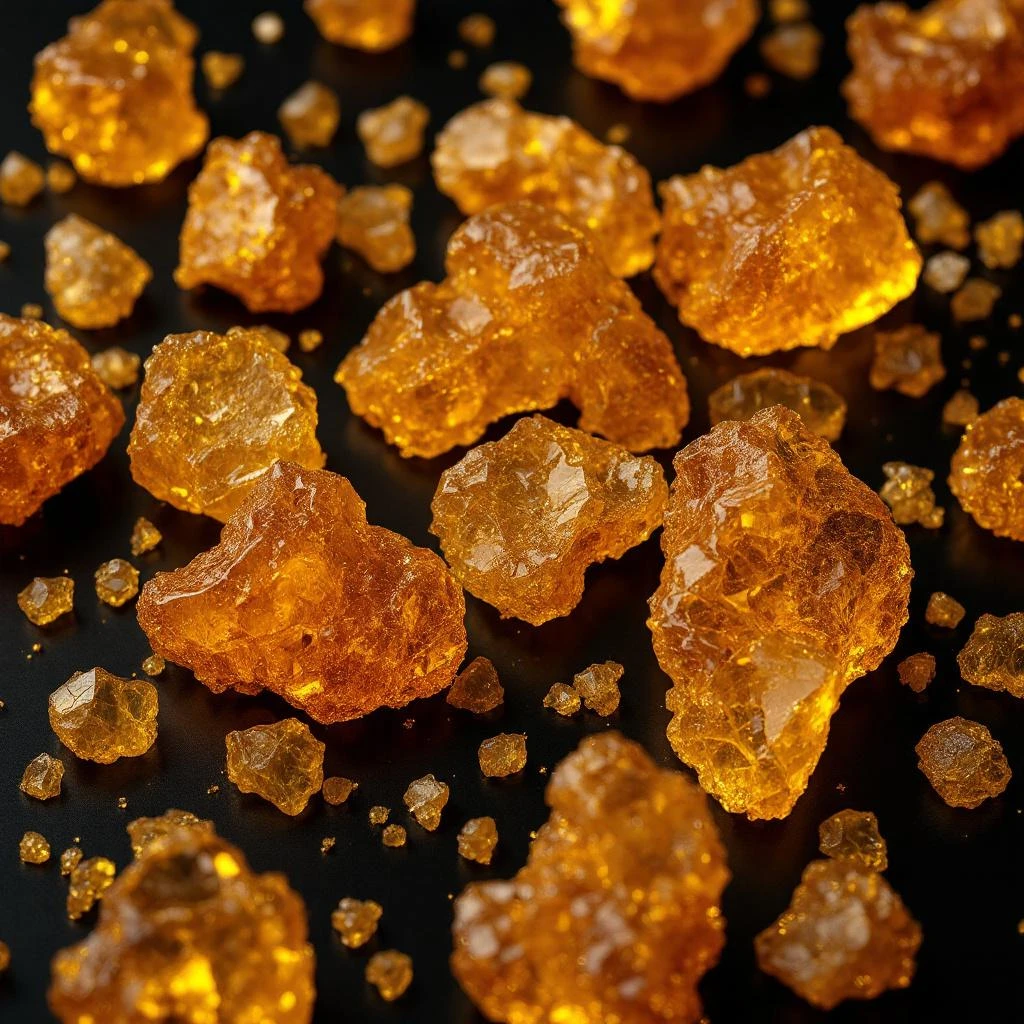
Sardinian Mastic
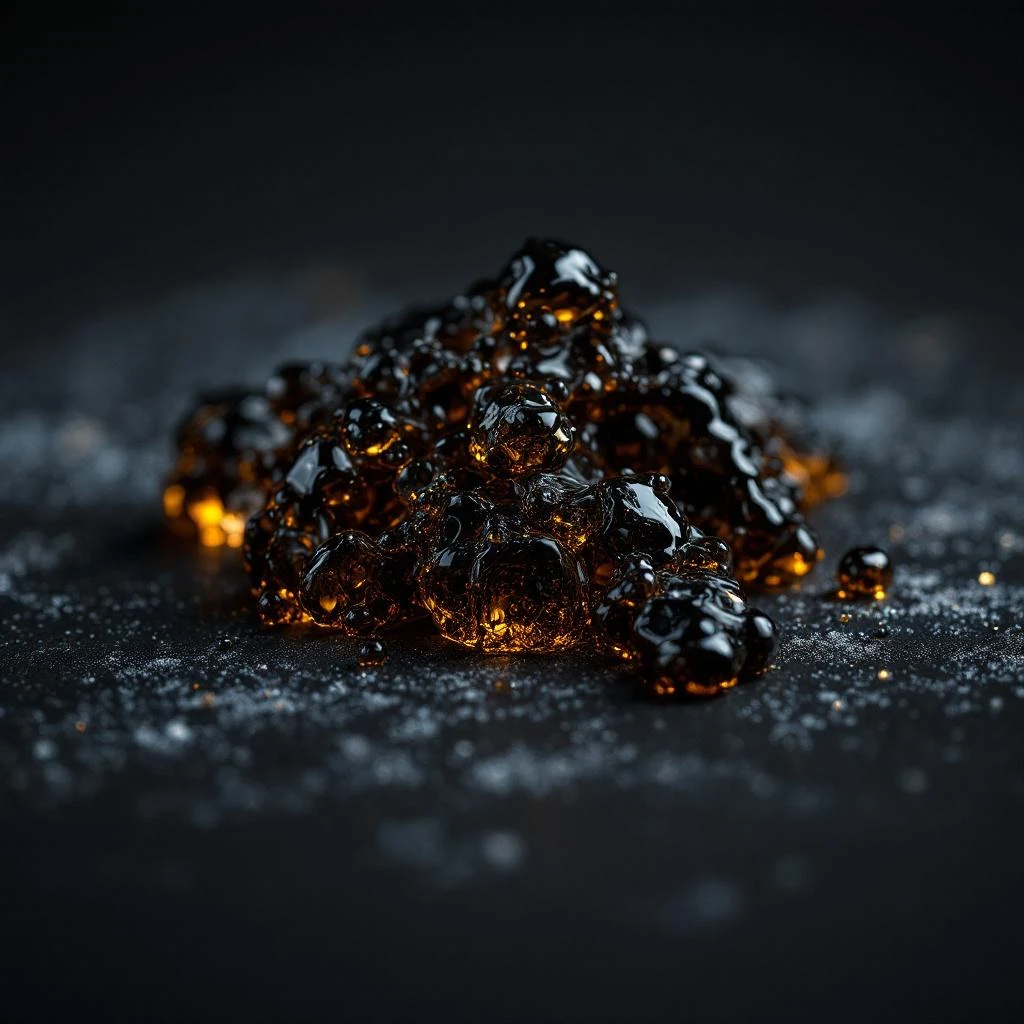
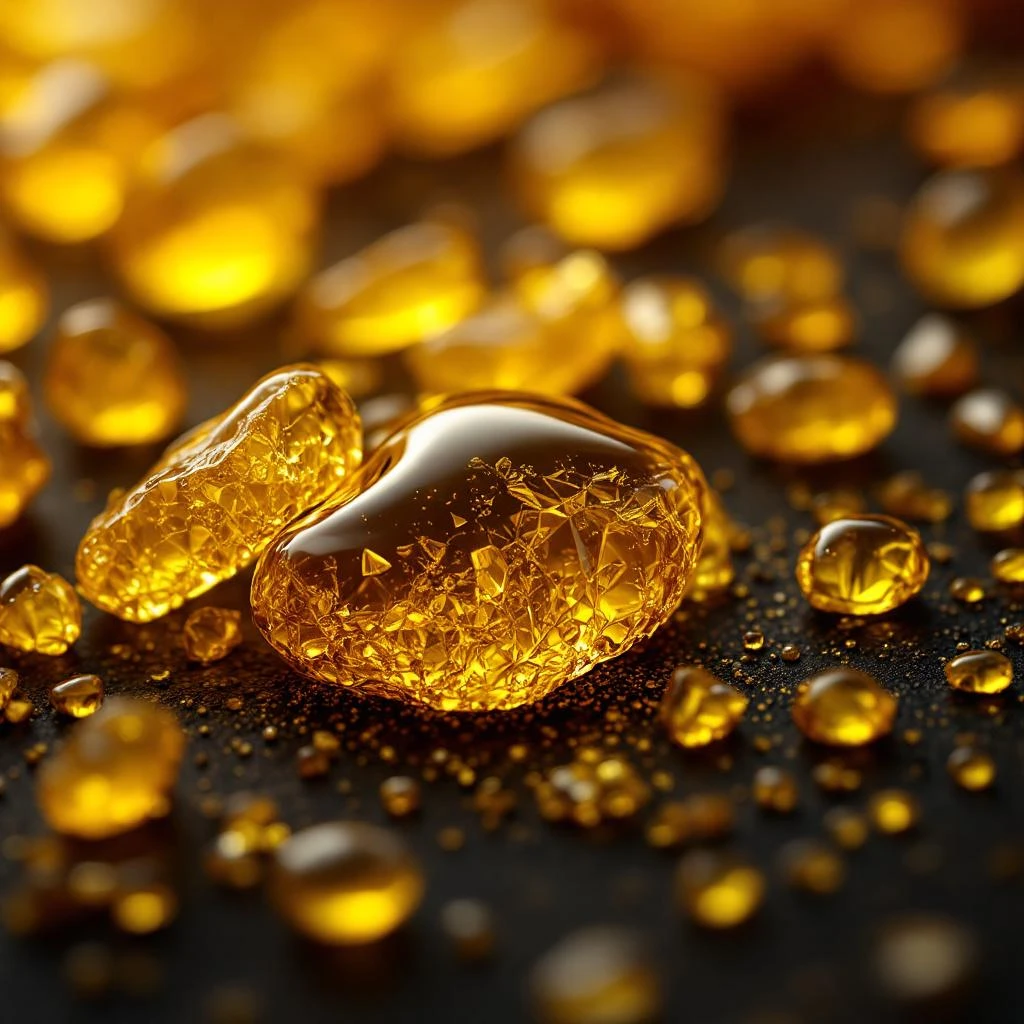
A Mediterranean treasure harvested from the sun-drenched hills of Sardinia, Sardinian mastic delivers a crisp, aromatic resin with unexpected freshness. Its clean, green character sets it apart from darker gum resins, bringing a luminous quality that elevates fragrance compositions.
Character
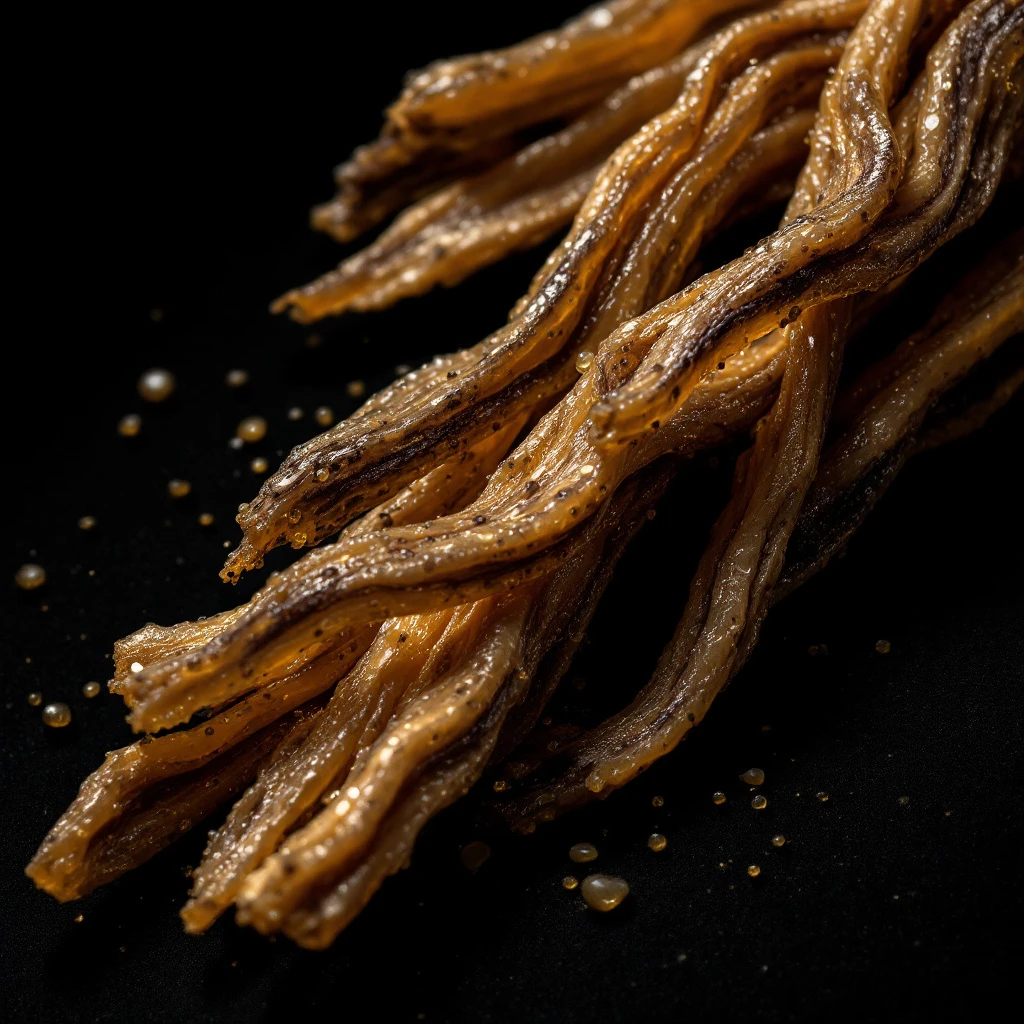
How it smells
The Mediterranean resin that bridges green freshness and ancient depth.
The mastic tree can live for over 100 years, with resin production intensifying as the tree matures.
Pairs beautifully with



Origin
Italy
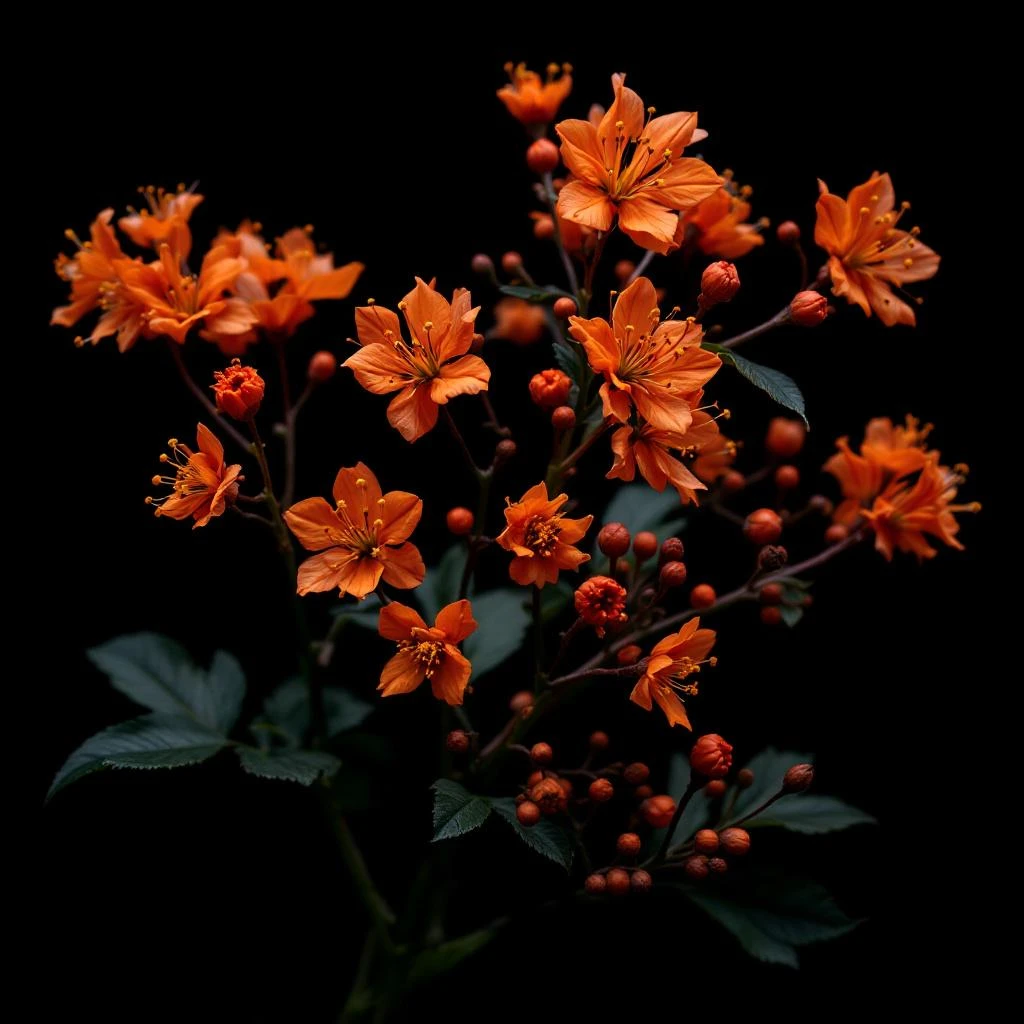
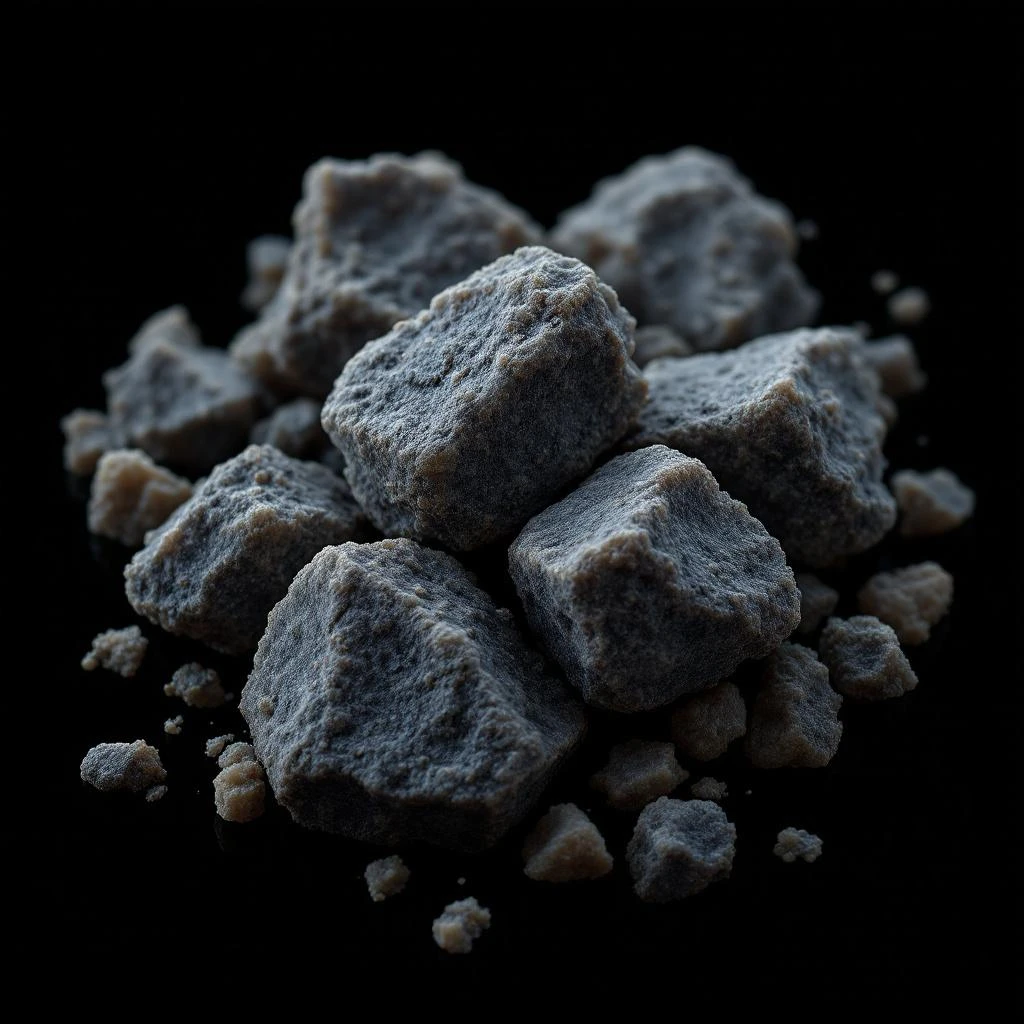
Pistacia lentiscus has thrived across the Mediterranean basin for thousands of years, with archaeological evidence of mastic use dating to ancient Greek and Roman civilizations. Sardinia, positioned at the crossroads of Mediterranean trade routes, developed its own mastic harvesting traditions distinct from the famed Chios production. Ancient Sardinian communities prized the resin for its preservative and medicinal properties, using it in religious ceremonies and personal care.
Phoenician traders likely introduced cultivation techniques to the island, which local populations adapted to Sardinia's unique microclimate. Throughout the Middle Ages, Sardinian mastic remained a valued commodity, traded alongside other island resources. The resin's fixative qualities made it indispensable in early perfumery, long before synthetic alternatives emerged.
Today, Sardinia's smaller-scale production focuses on quality over quantity, with select harvests supplying niche perfumers who seek regional character not found in mass-market alternatives.
Wears it best
Fragrances featuring Sardinian Mastic
Brands
Brands known for Sardinian Mastic
Good to know
Questions, answered
The essentials on Sardinian Mastic in perfumery: how it smells, where it comes from, and how it behaves on skin.
What does Sardinian mastic smell like?
Sardinian mastic opens with a bright, piney freshness balanced by subtle balsamic warmth. The scent evokes Mediterranean scrubland, combining herbal clarity with a clean resinous depth that lingers gracefully on the skin.
How long has mastic been used in perfumery?
Mastic has appeared in fragrance for over 2,000 years, with ancient Egyptians and Greeks incorporating the resin into incense and scented preparations. Its fixative properties made it a perfumery staple long before synthetic bases existed.
What makes Sardinian mastic different from Chios mastic?
Both derive from Pistacia lentiscus, but Sardinian mastic reflects its specific terroir. The island's limestone soil and coastal climate produce resin with slightly brighter, more herbaceous character compared to the more honeyed tones of Chios production.
Is mastic considered a sustainable ingredient?
Careful harvesting practices ensure Pistacia lentiscus trees remain productive for decades. Sardinian producers typically harvest from each tree only every third year, allowing adequate recovery and maintaining resin quality.
What fragrance families pair well with mastic?
Mastic bridges aromatic and resinous categories, pairing naturally with lavender, rosemary, and sage. Its freshness also complements citrus, while its depth suits woody and amber foundations.
How does mastic function as a fixative?
Mastic's molecular structure slows the evaporation of more volatile fragrance materials, extending their presence on skin. This property made it valuable historically and still prized in natural perfumery formulations.
Can mastic be synthesized artificially?
Synthetic alternatives exist, but none fully replicate mastic's complex profile. Natural mastic contains hundreds of aromatic compounds that interact differently in fragrance compositions compared to isolated synthetics.
How should mastic oil be stored?
Keep mastic essential oil in a tightly sealed dark glass bottle away from heat and light. Under proper storage, the oil maintains quality for several years, with aromatic character actually softening and integrating over time.