Saltpeter
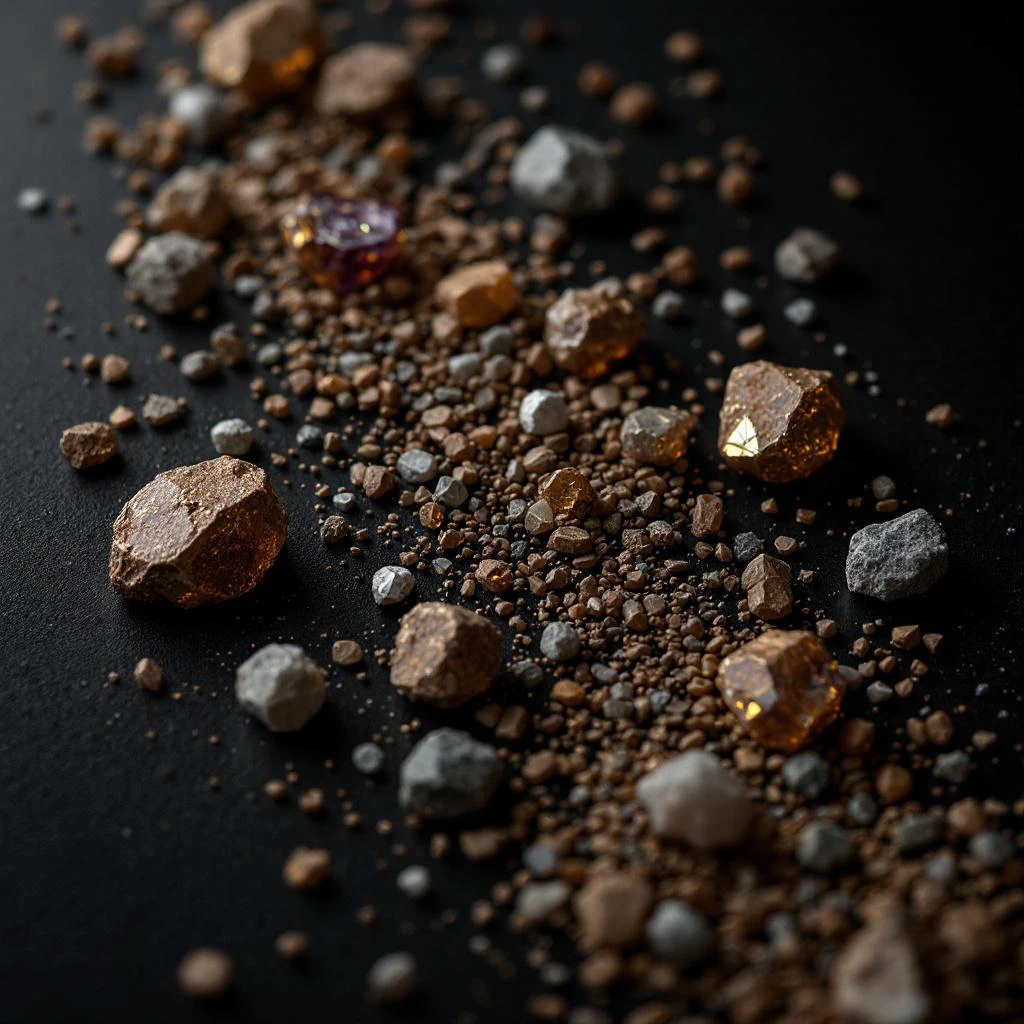
Saltpeter lends fragrance compositions a dry, mineral edge, recalling cool stone, gunpowder smoke, and sunlit salt flats.
Character
How it smells
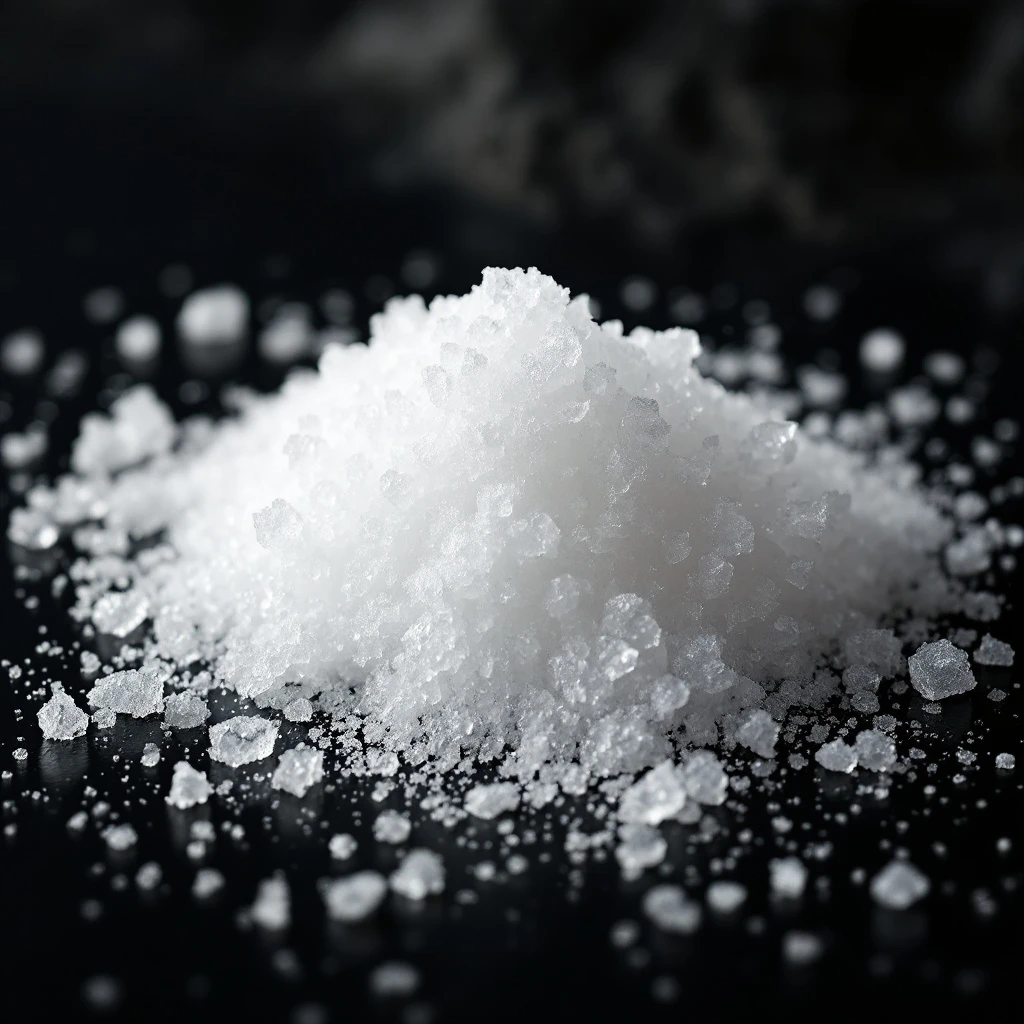
A dry, mineral note with a faint metallic charge.
Saltpeter is potassium nitrate, the same oxidizing compound historically boiled from mineral-rich water to make gunpowder.
Pairs beautifully with



Origin
Chile
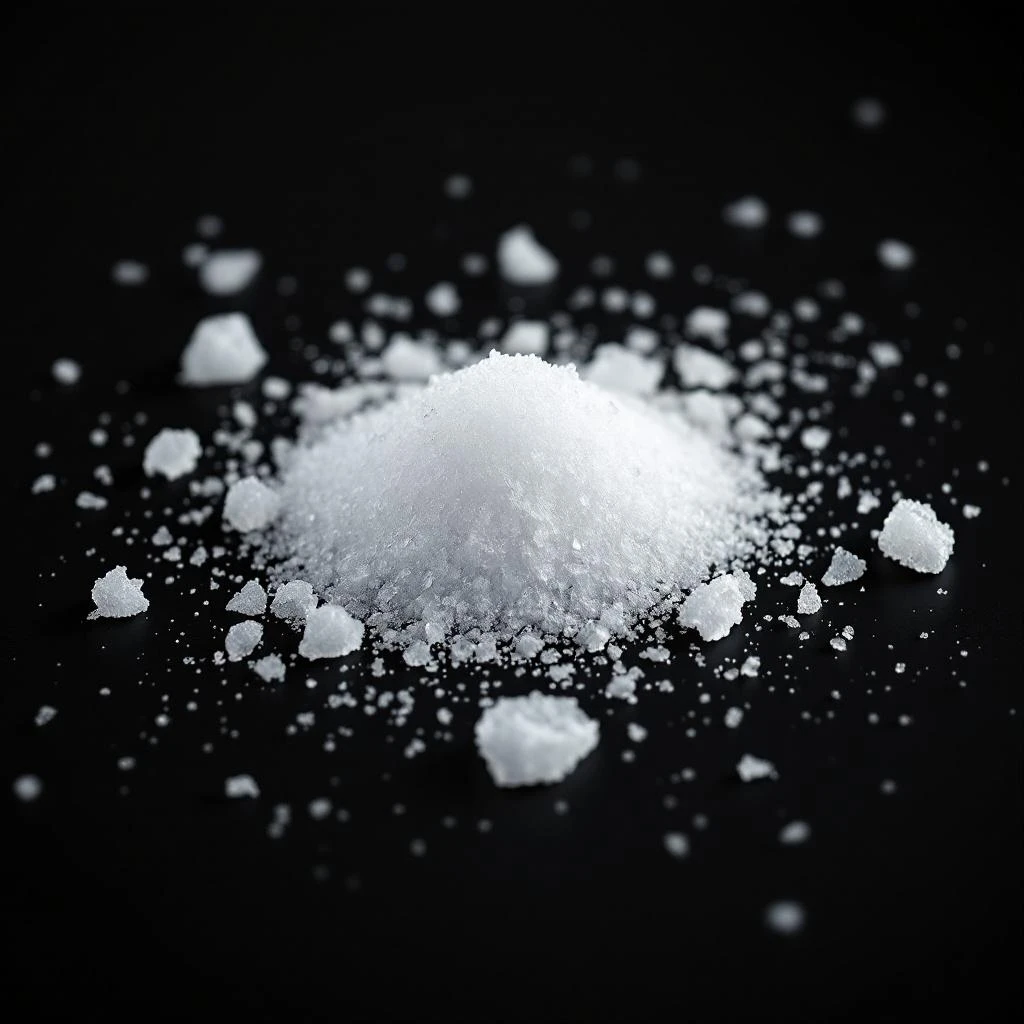
Saltpeter has a long history as one of humanity’s earliest recognized mineral chemicals. Known chemically as potassium nitrate, it occurs naturally in nitrate-rich deposits and was historically gathered from cave floors, dry soils, and mineral-bearing waters. Its best-known military role came in gunpowder, where it supplied oxygen and supported combustion.
Before modern industrial chemistry, production centers used leaching and evaporation: water dissolved nitrate salts from collected rock or earth, and kettles concentrated the solution so crystals could form. The material also entered medicine and food preservation, reflecting its much older history as a versatile mineral substance. Its connection with fragrance is comparatively recent and largely conceptual, built around mineral impressions rather than a tradition of perfuming with crude saltpeter.
Perfumery’s history shows a shift from botanical materials toward laboratory-made aromatic molecules, allowing notes of cool stone, clean powder, and restrained smoke to be composed with greater consistency and control.
Wears it best
Fragrances featuring Saltpeter
Brands
Brands known for Saltpeter
Good to know
Questions, answered
The essentials on Saltpeter in perfumery: how it smells, where it comes from, and how it behaves on skin.
What does saltpeter smell like in perfume?
Saltpeter in perfume usually reads as a dry, cool mineral note with subtle metallic, powdery, and smoky facets. It is generally an accord rather than the direct aroma of raw potassium nitrate.
Is saltpeter a natural or synthetic fragrance ingredient?
It depends on the formula. Saltpeter is potassium nitrate, a mineral compound, while the salt, stone, and smoke impressions in fragrance are usually created with synthetic aromatic materials.
Is saltpeter safe to use in perfume?
A saltpeter effect can be formulated safely when the final composition complies with fragrance safety standards. Potassium nitrate is also subject to regulatory limits because it can oxidize, although finished formulations use controlled levels.
Does saltpeter make a fragrance smell like gunpowder?
It can suggest gunpowder, but the effect also depends on accompanying ingredients. Smoke, ash, cool mineral accords, and certain aldehydes often strengthen that association.
How is saltpeter traditionally produced?
Historically, potassium nitrate was extracted by leaching nitrate-bearing rock or soil with water, then boiling the solution to concentrate and crystallize it. Modern production may also use chemical processing.
Where does saltpeter come from?
Potassium nitrate occurs in natural mineral deposits, including nitrate-rich rock formations. Chile is a major commercial source, with production also associated with other dry mining regions.
Does saltpeter have a strong scent of its own?
Pure potassium nitrate is considered nearly odorless, so its use in fragrance is primarily symbolic and textural. The perceived note comes from selected aromatic materials that evoke salt, stone, powder, or smoke.
When was saltpeter first used in gunpowder?
Saltpeter became essential to gunpowder after Chinese alchemists developed a nitrate-based formula centuries earlier. Its oxidizing role allowed charcoal and sulfur to burn more rapidly.