Sicilian green mandarin orange
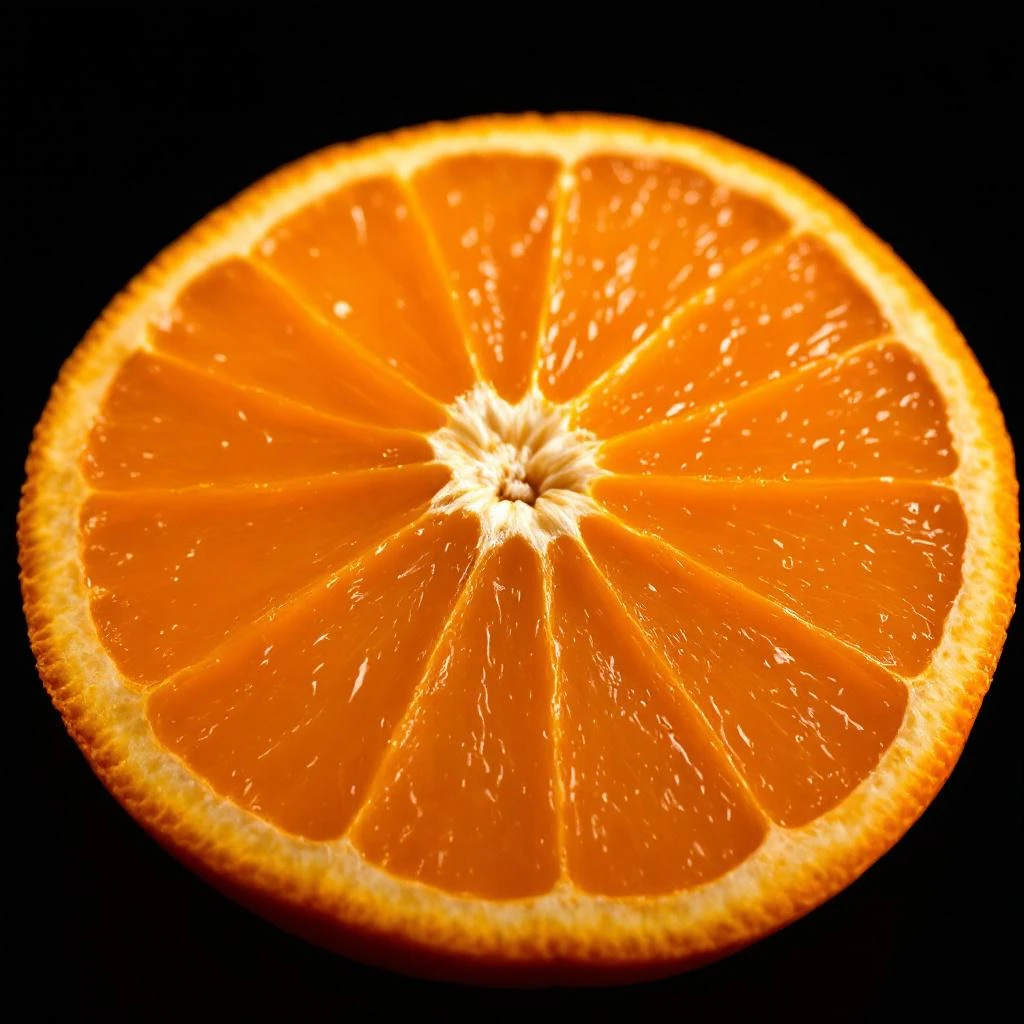
Fresh, tart, and herbaceous. Cold-pressed from unripe Sicilian mandarin peels at peak aromatic intensity before the sugars fully develop.
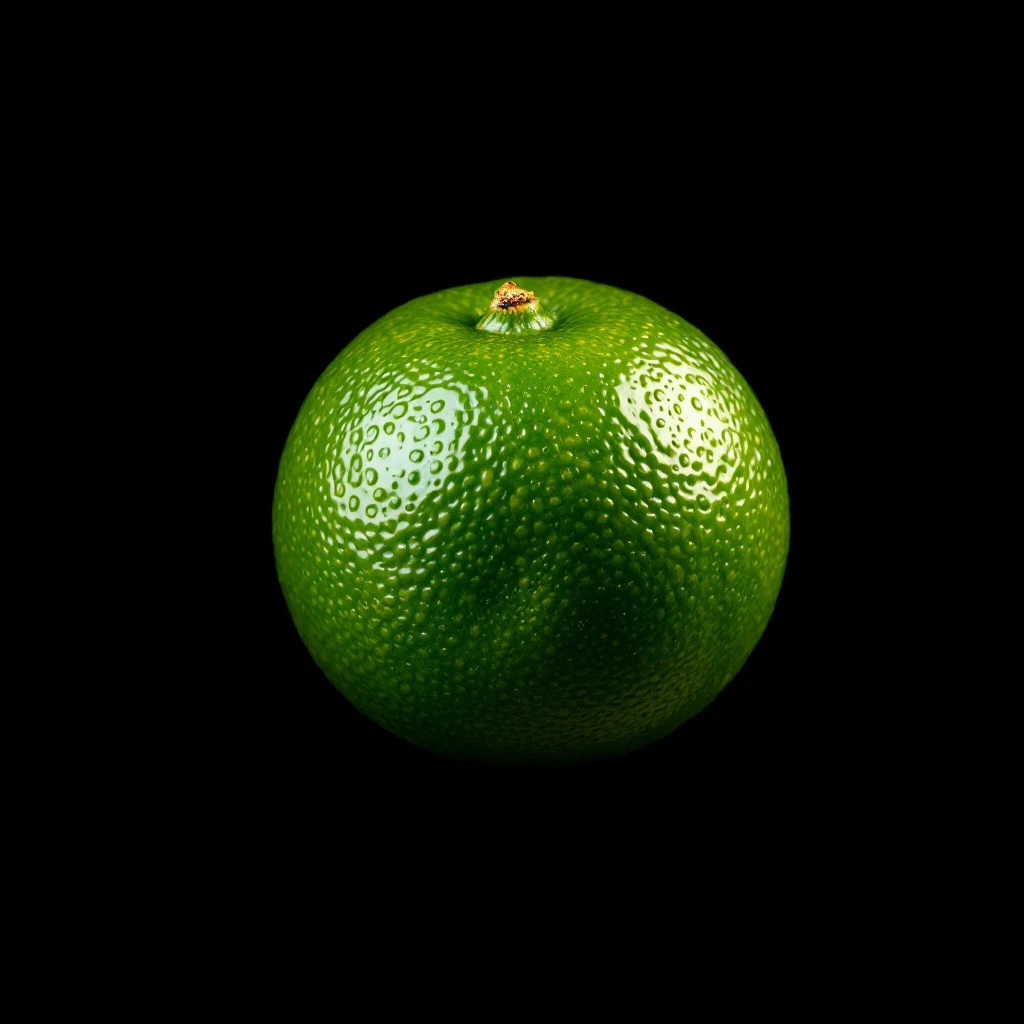
Character
How it smells
The green burst before sweetness arrives.
Sicilian producers use a thinning technique over a century old, removing fruit early to concentrate aromatic compounds in what remains on the tree.




Origin
Italy
The mandarin arrived in Europe only in the 19th century, originally cultivated for thousands of years in China and Vietnam. Italian growers in Calabria and Sicily proved ideally suited to the fruit's needs, and the island's volcanic soil and Mediterranean climate produced mandarins with a brightness that won over French and British perfumers quickly. By the early 1900s, Sicilian green mandarin had become a signature note in colognes and citrus accords across Europe.
The clementine emerged around the same period as a hybrid between mandarin and bitter orange, developed by Brother Clément, a missionary in Algeria. Sicily remains one of the world's premier origins for green mandarin specifically, with estates continuing traditional practices while meeting modern fragrance industry demand.
Wears it best
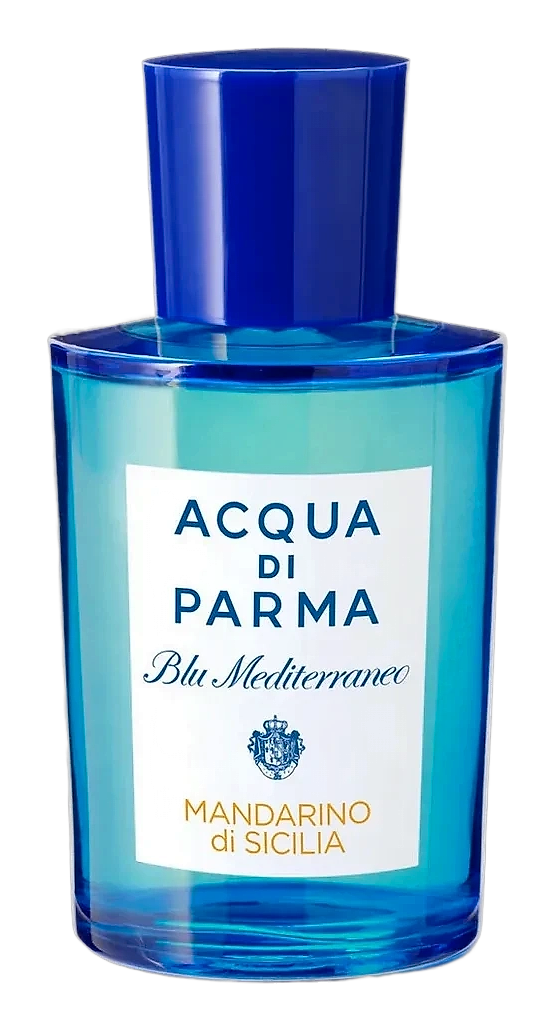
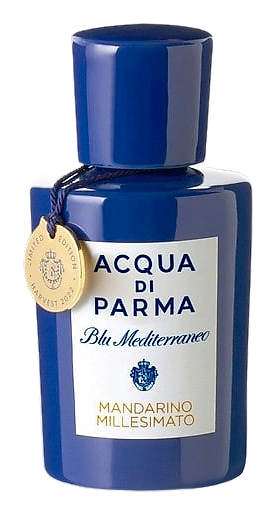
Fragrances featuring Sicilian green mandarin orange
Brands
Brands known for Sicilian green mandarin orange
Good to know
Questions, answered
The essentials on Sicilian green mandarin orange in perfumery: how it smells, where it comes from, and how it behaves on skin.
What does Sicilian green mandarin smell like?
Sicilian green mandarin smells fresh, tart, and herbaceous. Cold pressing unripe peel captures these qualities before sugars develop, producing sharper citrus notes than ripe fruit. The oil carries floral undertones alongside its characteristic green, almost grassy character.
How is green mandarin oil extracted?
Green mandarin oil is extracted by cold pressing the unripe peel. Harvest occurs between late September and early October when fruit is still firm and underripe. This timing preserves volatile aromatic compounds that give the oil its distinctive tart, herbaceous profile.
What makes Sicilian green mandarin different from regular mandarin?
Sicilian green mandarin is harvested early, before ripeness, using a thinning technique traditional to the region for over a century. Unripe peel produces a sharper, more tart oil with pronounced herbal qualities. Ripe mandarin oil tends toward sweetness and softness by comparison.
Where does green mandarin grow in Italy?
Sicily and Calabria are Italy's primary green mandarin regions. Volcanic soil and Mediterranean climate in eastern Sicily prove particularly suited to citrus cultivation. Some estates in these areas have operated for generations using methods passed down through families.
When is green mandarin harvested in Sicily?
Green mandarin is harvested between late September and early October in Sicily. This window precedes full ripeness, when peel remains green and aromatic compounds are at peak concentration. Harvest timing directly affects the oil's final scent profile.
Is green mandarin oil synthetic or natural?
Sicilian green mandarin oil is a natural product, cold-pressed from fresh peel of Citrus reticulata. The fragrance industry does produce synthetic mandarin accord, but naturally extracted oil remains preferred for high-quality citrus compositions requiring authenticity.
What fragrances pair well with Sicilian green mandarin?
Sicilian green mandarin pairs naturally with other citrus materials like bergamot and neroli. Its herbaceous quality also complements green tea, fig, and basil. In compositions, it typically functions as a top note that brightens heart and base ingredients.
When did mandarin arrive in Europe?
Mandarin arrived in Europe in the 19th century, planted first in Calabria and Sicily. The fruit had been cultivated in China and Vietnam for thousands of years before spreading westward via trade routes. Sicilian growers quickly developed reputation for quality production.