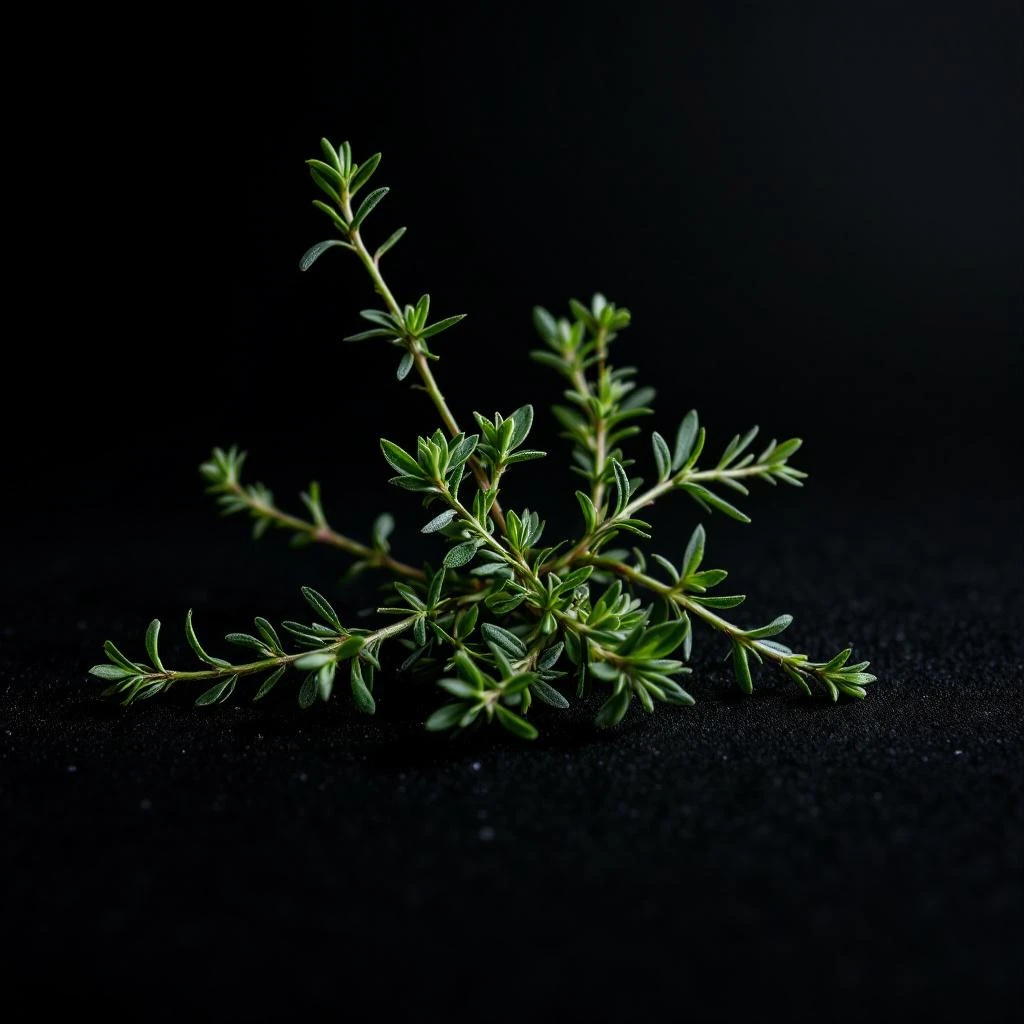
Saint John's Wort
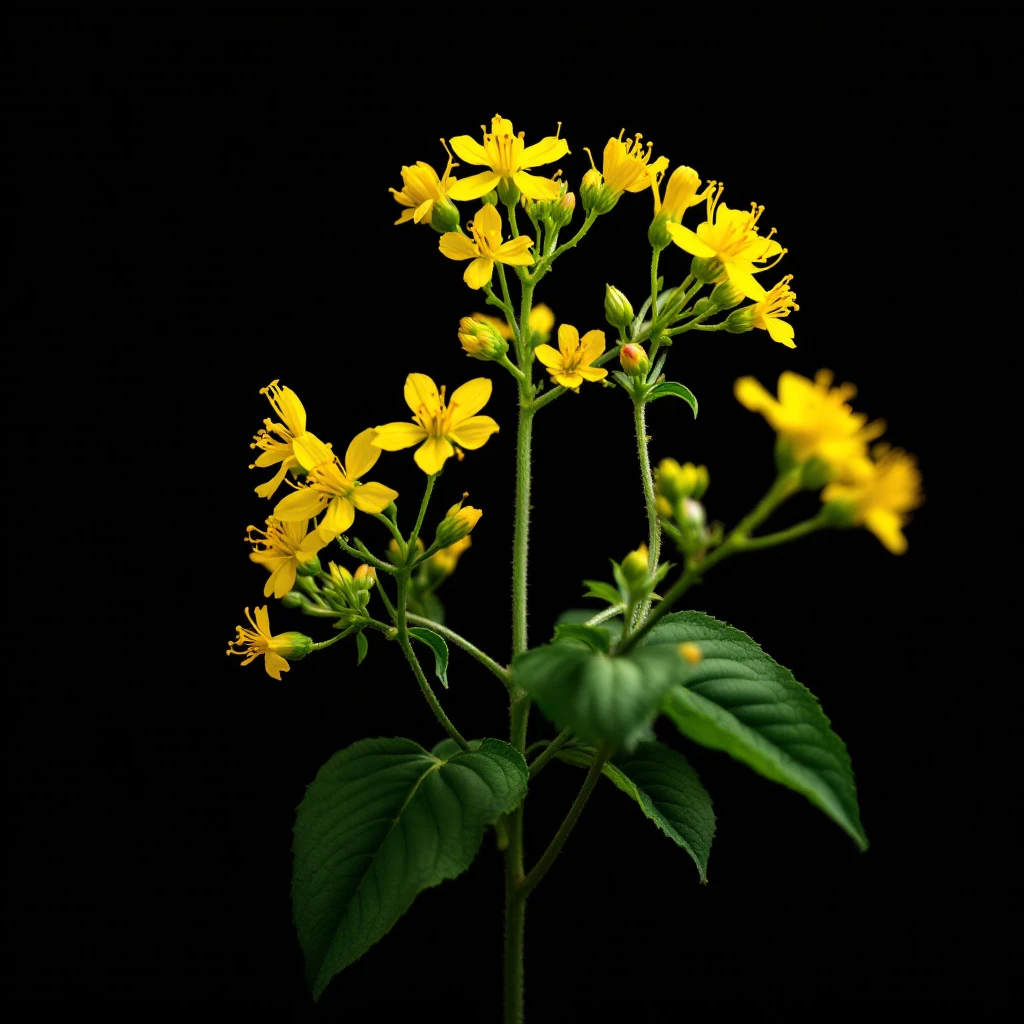
Saint John's Wort (Hypericum perforatum) brings a warm, herbaceous presence to perfumery, with green-floral undertones drawn from sun-soaked yellow blossoms. A botanical bridge between apothecary and aromatic art.
Character
How it smells
Sunlight captured in yellow flowers
The plant gets its name from blooming around St. John's Day (June 24th), and its crushed leaves release a red pigment historically associated with protection rituals.
Pairs beautifully with
Origin
Europe
Saint John's Wort takes its common name from its traditional bloom time around the Feast of St. John the Baptist on June 24th, a connection that rooted the plant deep in European folk practice. Across medieval Europe, bundles of the flowering herb were hung above doorways and windows on St. John's Eve to ward off evil spirits and lightning. The red sap that bleeds from crushed flowers was thought to represent the blood of the saint himself.
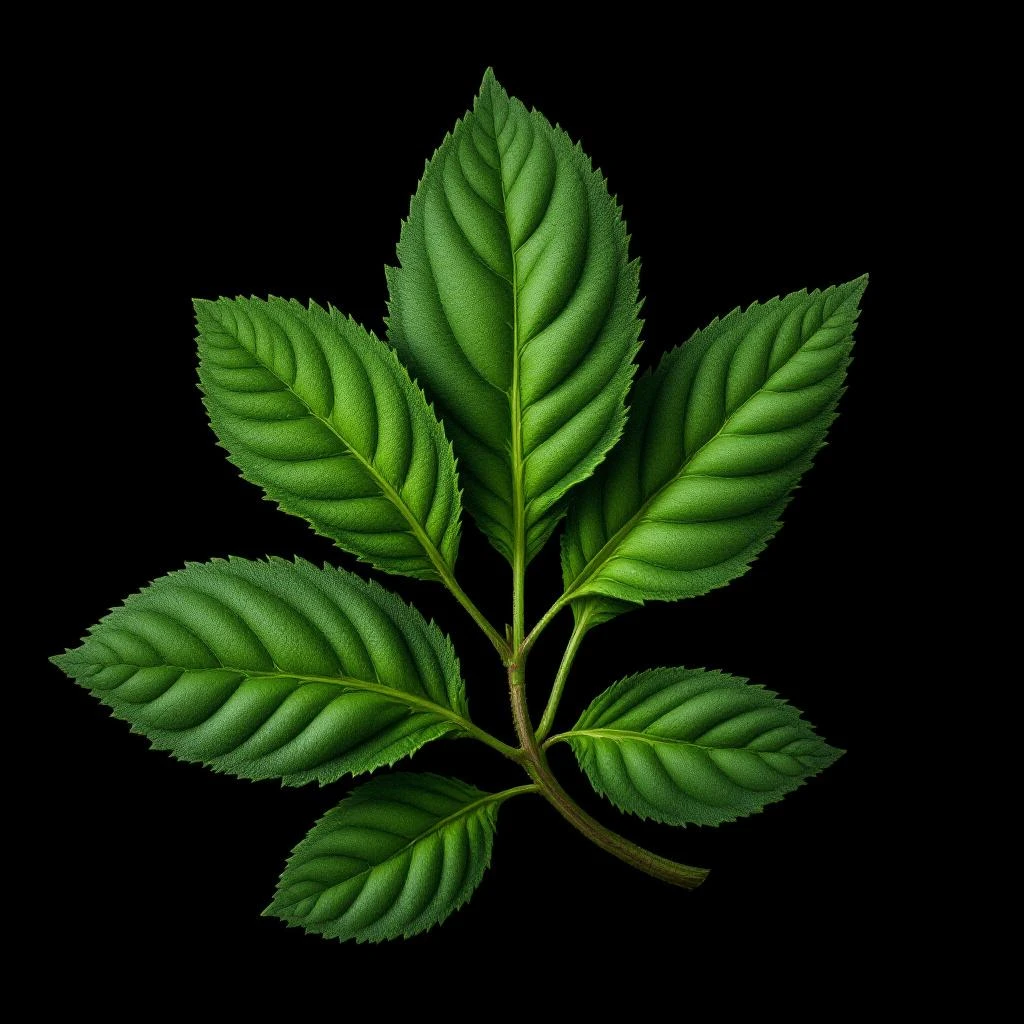
Native to Europe, West Asia, North Africa, Madeira, and the Azores, Hypericum perforatum spread across continents through trade and colonization. It became naturalized throughout North America and Australia, where it now grows wild along roadsides and in meadows. The species name perforatum refers to the tiny translucent dots on its leaves that appear perforated when held to light.
Beyond its protective folklore, the plant carries an extensive medicinal history spanning two millennia. Ancient Greek physicians including Hippocrates and Galen documented its use for nervous conditions, wound healing, and inflammation. Medieval monasteries cultivated it in physic gardens, and by the 19th century it had become a standard entry in European pharmacopeias. Folk traditions across cultures assigned it to treating everything from stomach ulcers to melancholy, establishing a reputation that persists in herbal medicine today. Its transition into perfumery draws on this layered heritage, where botanical, medicinal, and aromatic threads intertwine.
Wears it best
Fragrances featuring Saint John's Wort
Brands
Brands known for Saint John's Wort
Good to know
Questions, answered
The essentials on Saint John's Wort in perfumery: how it smells, where it comes from, and how it behaves on skin.
What does Saint John's Wort smell like in perfume?
Saint John's Wort offers a warm, herbaceous green scent with subtle floral and hay-like nuances. It carries a slightly resinous quality that grounds brighter top notes, making it useful in compositions seeking an apothecary character.
Is Saint John's Wort safe to use in fragrance?
Saint John's Wort essential oil and absolutes are used topically in perfumery without the photosensitivity concerns associated with internal preparations. However, the hypericin compound can increase skin UV sensitivity, so caution applies for leave-on skin products.
Where does Saint John's Wort originate?
Saint John's Wort is native to Europe, West Asia, North Africa, Madeira, and the Azores. It spread globally through trade and has naturalized across North America, Australia, and temperate regions worldwide.
How is Saint John's Wort oil traditionally made?
Traditional production involves steeping freshly chopped flowering Saint John's Wort in carrier oil for roughly four weeks in clear glass jars placed in direct sunlight. Solar exposure draws out the plant's deep red pigment and aromatic compounds.
Why is it called Saint John's Wort?
The plant earned its name from its bloom time near the Feast of St. John the Baptist on June 24th. Medieval Europeans hung bundles over doorways on St. John's Eve as protection against evil spirits and storms.
What part of the Saint John's Wort plant is used in perfumery?
Perfumery uses the fresh flowering tops and unopened buds, harvested at peak bloom in early summer. This timing ensures the highest concentrations of volatile oils and the characteristic red pigment hypericin.
Is Saint John's Wort a common note in commercial perfumes?
Saint John's Wort appears more often in artisan and apothecary-style fragrances than mainstream commercial launches. Its niche status reflects the complexity of producing consistent aromatic extracts from this wild-harvested botanical.
What does the name Hypericum perforatum mean?
Hypericum derives from Greek meaning 'above an image,' referencing its traditional placement over religious icons. Perforatum describes the tiny translucent dots on the leaves that look perforated when held to light.