Sage Tea
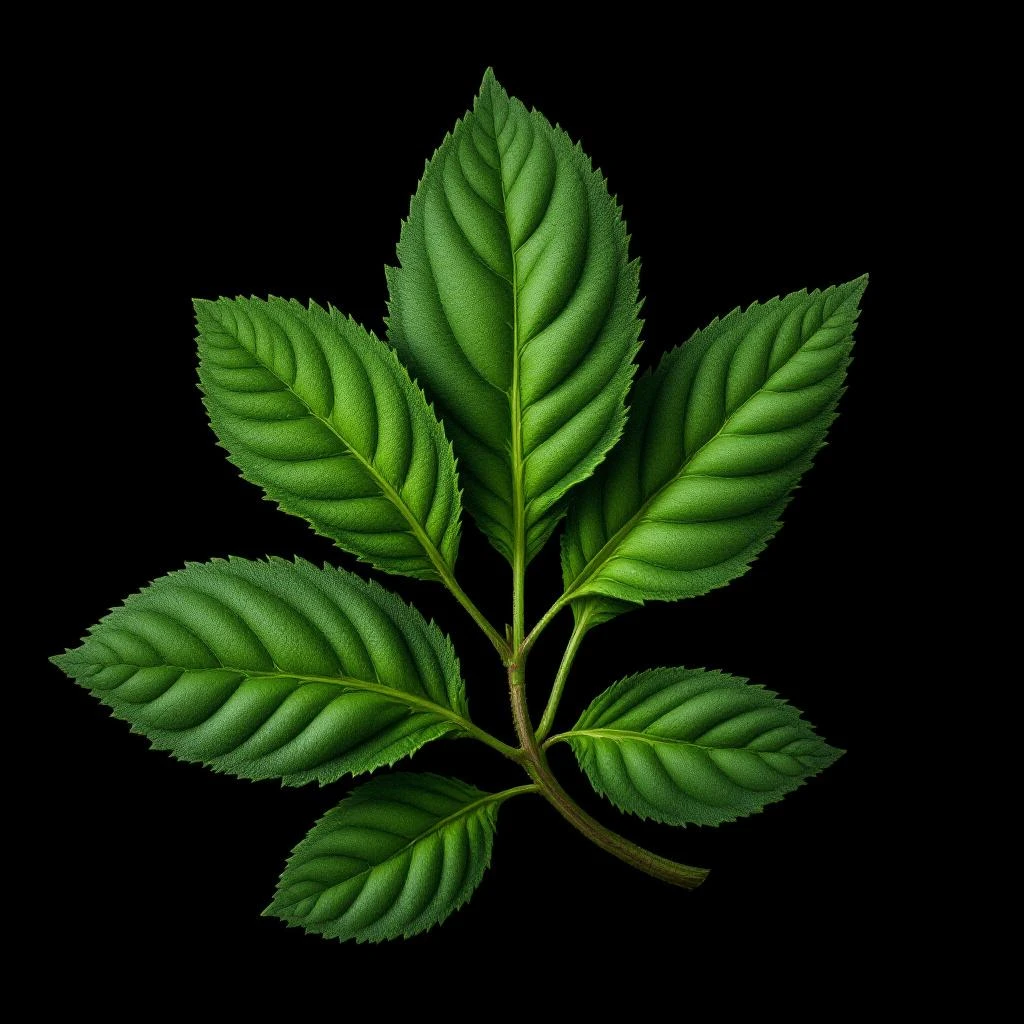
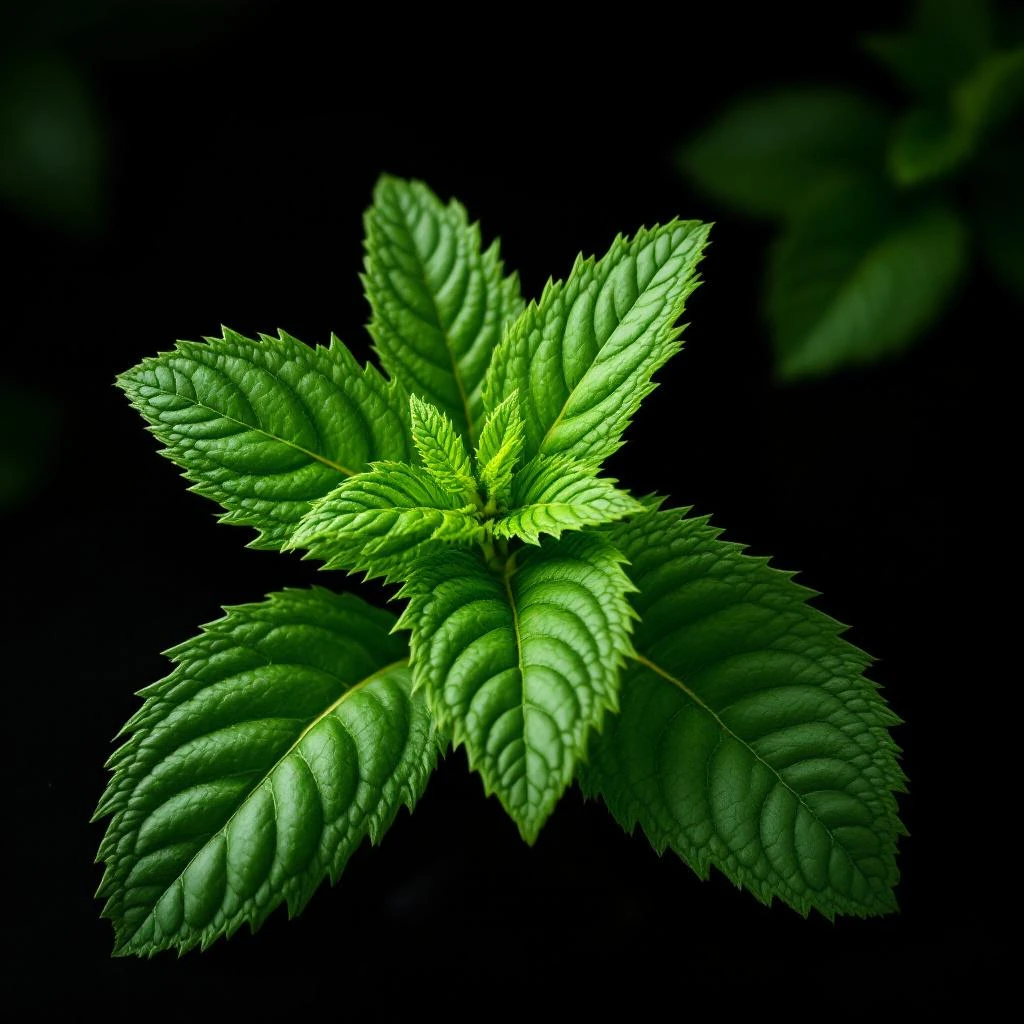
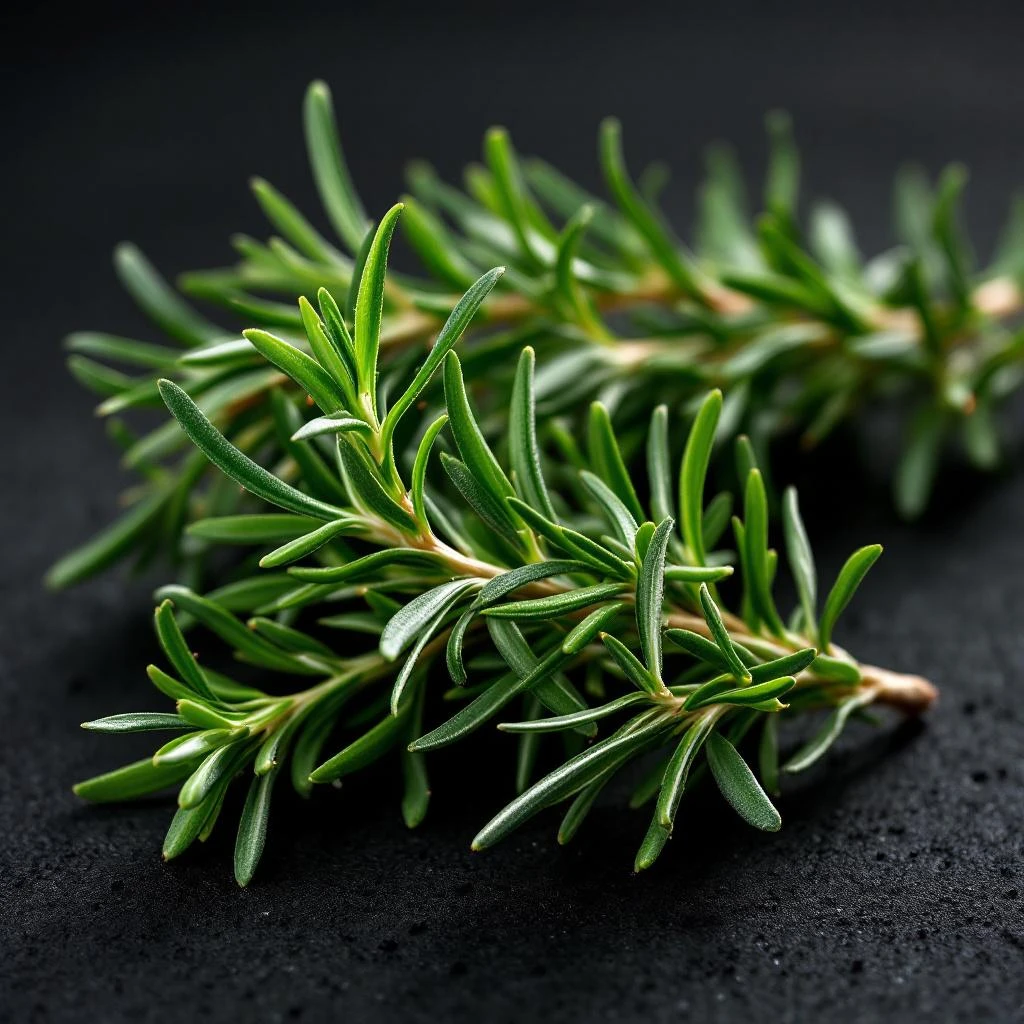
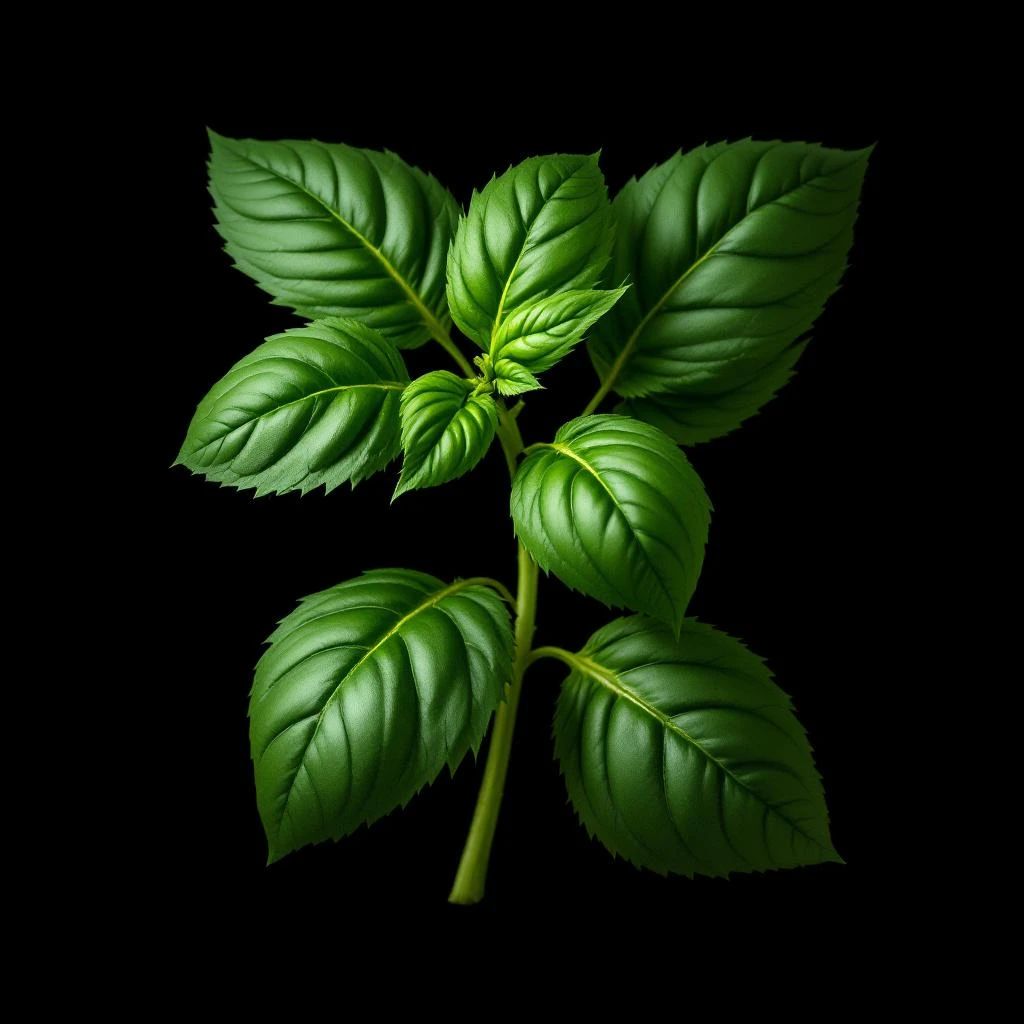
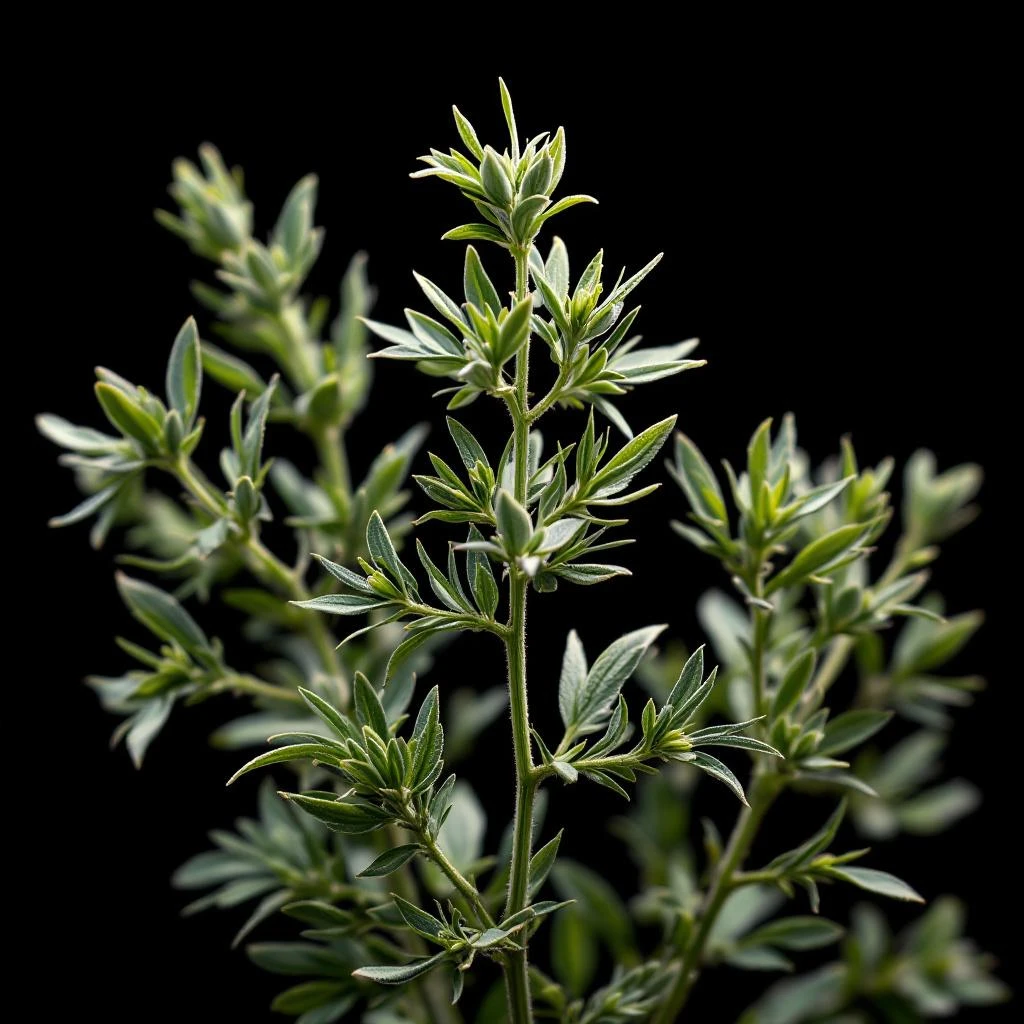
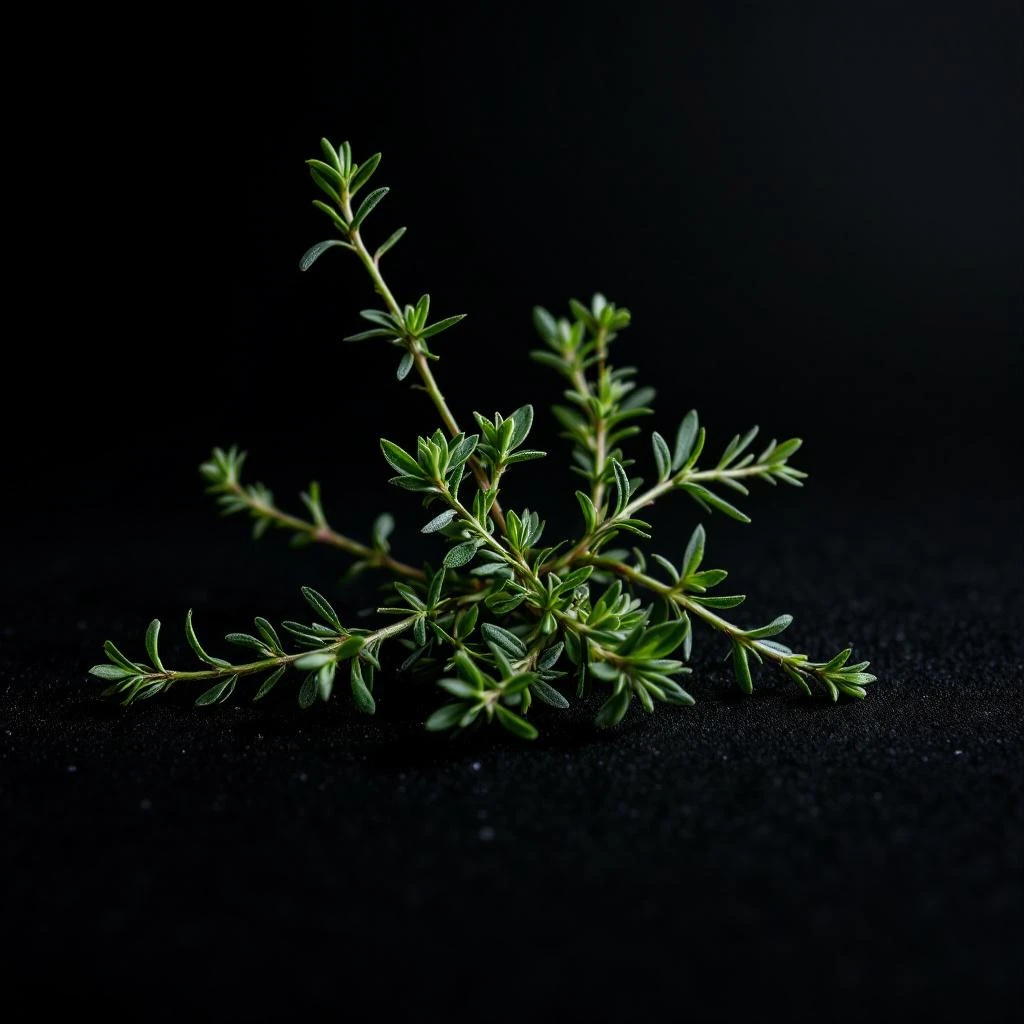
Sage Tea marries the herbaceous warmth of clary sage with the clean, slightly bitter freshness of green tea. This aromatic pairing creates a scent profile that feels simultaneously grounding and invigorating, a favorite bridge note for perfumers seeking herbal clarity without heaviness.
Character
How it smells
Where herbal warmth meets tea's clean clarity
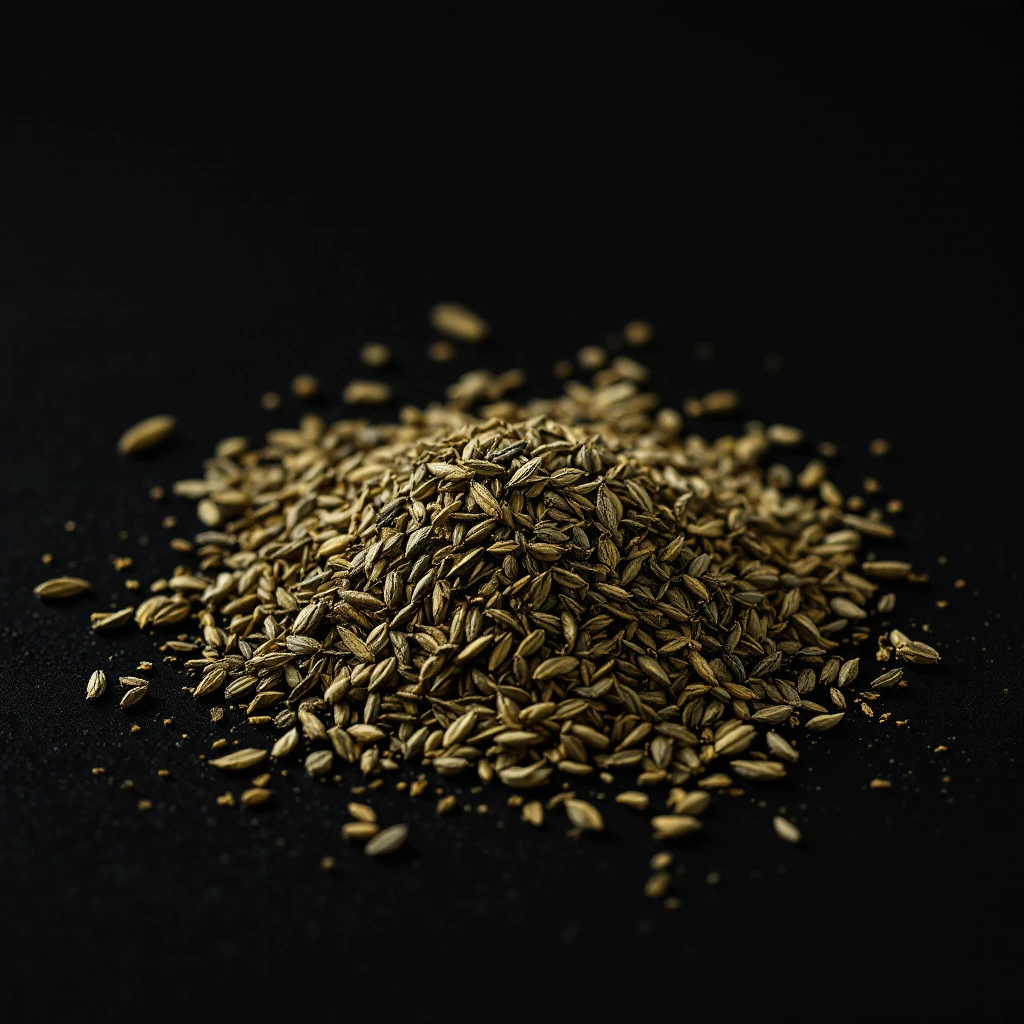
Clary sage yields sclareol, a compound so effective at fixing fragrance that major houses transform it into sclareolide to extend wear time.
Pairs beautifully with

Origin
France
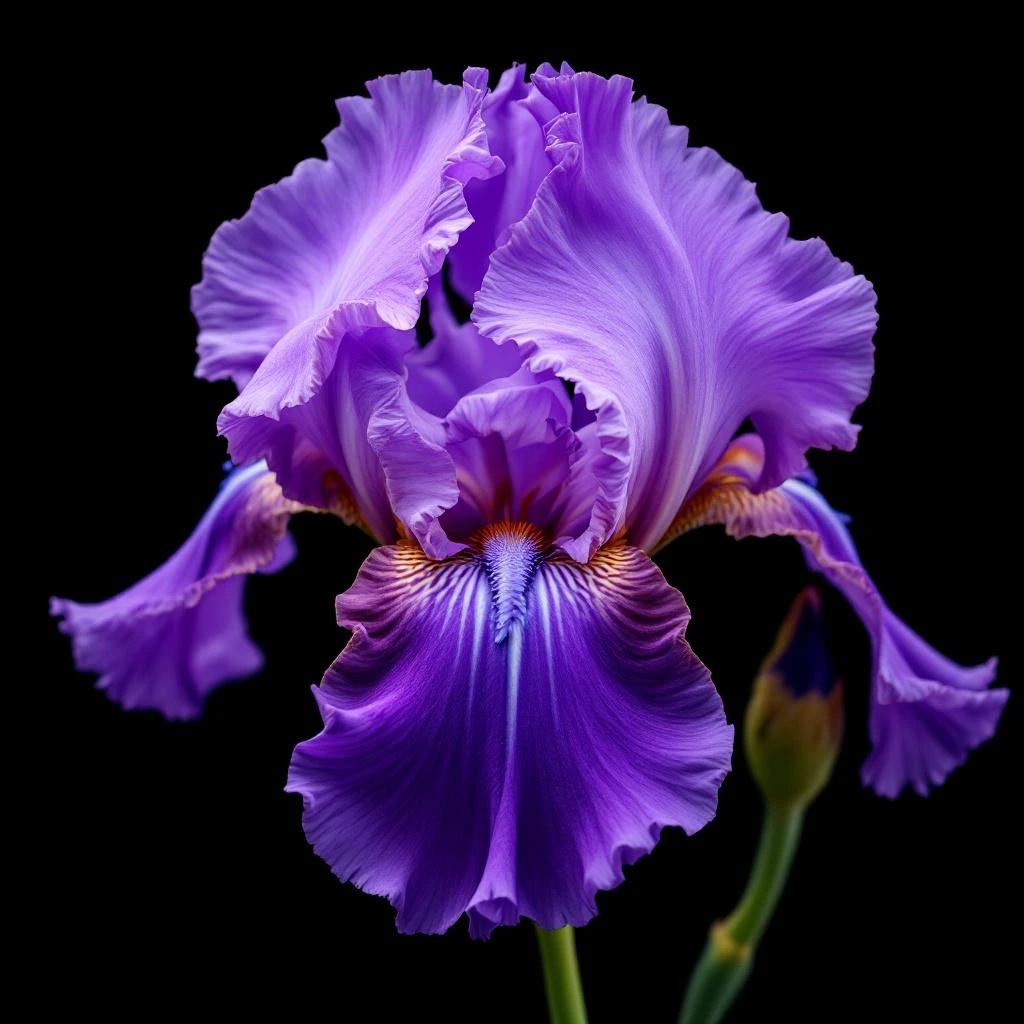
Clary sage carries a name rooted in the Latin sclarea, meaning clear, a reference to its historical use in traditional medicine for eye complaints. Mediterranean cultures have cultivated this plant for centuries, valuing its aromatic and therapeutic properties long before perfumery existed as a formal craft.
Tea, derived from Camellia sinensis, has shaped cultural practices across East Asia for over two thousand years. Chinese physicians and monks first documented its use around 2700 BCE, praising both its taste and medicinal qualities. The plant's journey westward brought it into European apothecaries by the 1600s, where herbalists blended it into tonics and beverages.
Perfumery began combining these ingredients more recently, as modern fragrance houses sought to create fresh, naturalistic compositions. The 20th century saw a shift toward green and aromatic fragrances that captured the natural world. Clary sage became particularly valued for its sclareol content, a sesquiterpene alcohol that proved invaluable for extending fragrance longevity. Today, companies like Ashland extract sclareol from clary sage to produce sclareolide, a material that major fragrance houses transform into longer-lasting accords.
Wears it best
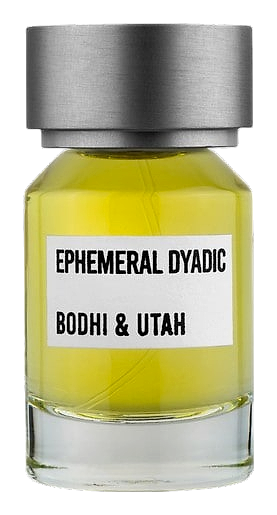
Fragrances featuring Sage Tea
Brands
Brands known for Sage Tea
Good to know
Questions, answered
The essentials on Sage Tea in perfumery: how it smells, where it comes from, and how it behaves on skin.
Is Sage Tea a natural or synthetic ingredient?
Sage Tea combines natural clary sage oil with tea extract. Clary sage oil comes from steam-distilled Salvia sclarea, while tea extract derives from Camellia sinensis leaves. Both are natural materials, though their exact proportions vary by formulation.
What does Sage Tea smell like?
Sage Tea smells herbaceous and slightly sweet, with clary sage providing warm, nutty undertones. Green tea adds clean, fresh, slightly bitter top notes. The combination reads as aromatic, calm, and naturalistic.
Is Sage Tea suitable for all genders?
Sage Tea works across masculine, feminine, and unisex fragrances. Its balanced herbal-fresh character suits colognes, florals, and aromatics equally well.
Where in a fragrance pyramid does Sage Tea appear?
Sage Tea typically appears in the heart to base of a fragrance. Clary sage provides mid-range warmth, while sclareol acts as a fixative that helps the scent linger throughout wear.
How long does Sage Tea last on skin?
Sage Tea formulations containing sclareolide from clary sage tend to last longer than average. Expect moderate to strong longevity depending on concentration and companion ingredients.
How should Sage Tea be stored?
Keep Sage Tea materials away from heat and light. Both clary sage oil and tea extract oxidize over time; sealed containers in cool, dark spaces preserve their aromatic properties.
What ingredients pair well with Sage Tea?
Sage Tea complements citrus, lavender, and other herbals in the top notes. In the heart, it harmonizes with jasmine, rose, and violet. Base pairings include cedarwood, sandalwood, and vetiver.
Does Sage Tea contain allergens?
Clary sage oil contains linalool and linalyl acetate, which appear on IFRA allergen lists. Always check specific formulation documentation for concentration levels and regulatory compliance.