Safranal
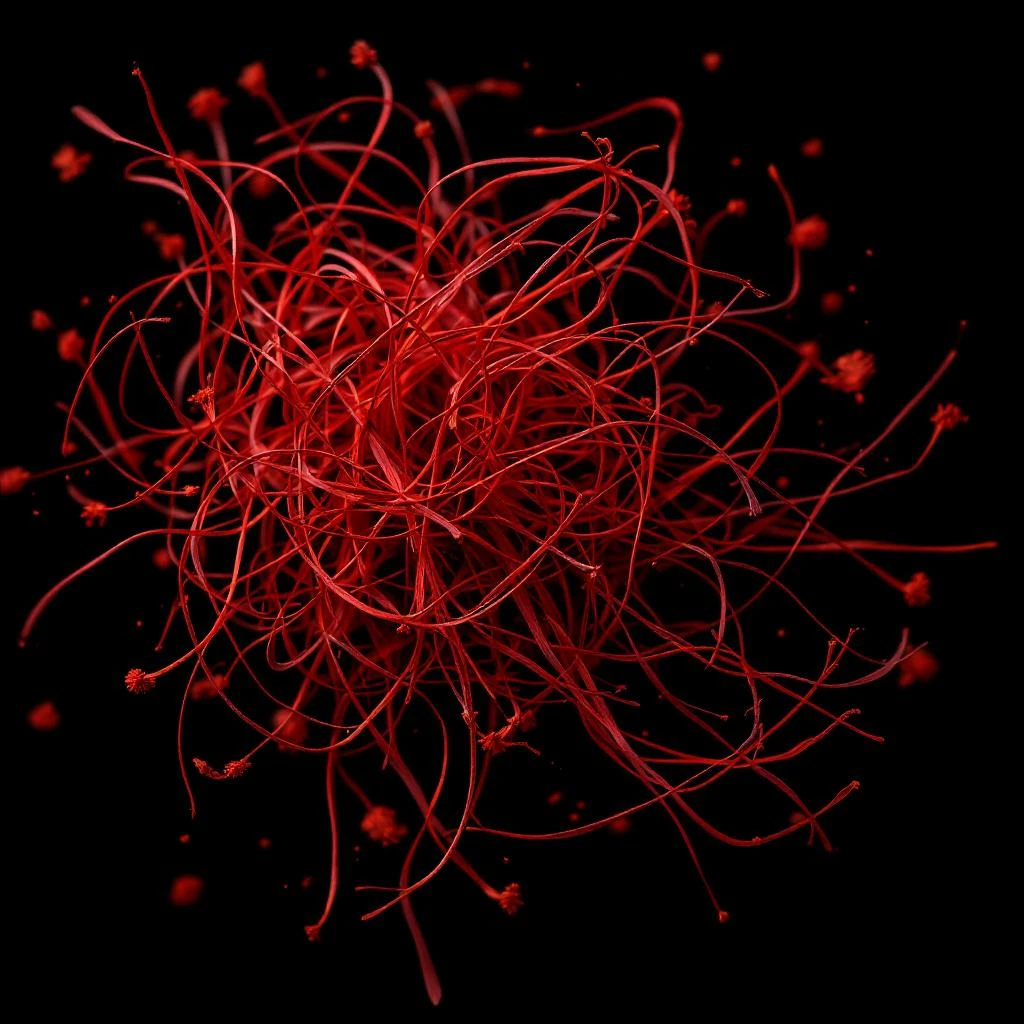
The volatile compound that defines saffron's legendary scent. Safranal emerges days after harvest, transforming fresh stigmas into the honey-leather-hay aroma that perfumers prize above almost any other ingredient.
Character
How it smells
The molecule that makes saffron unforgettable.
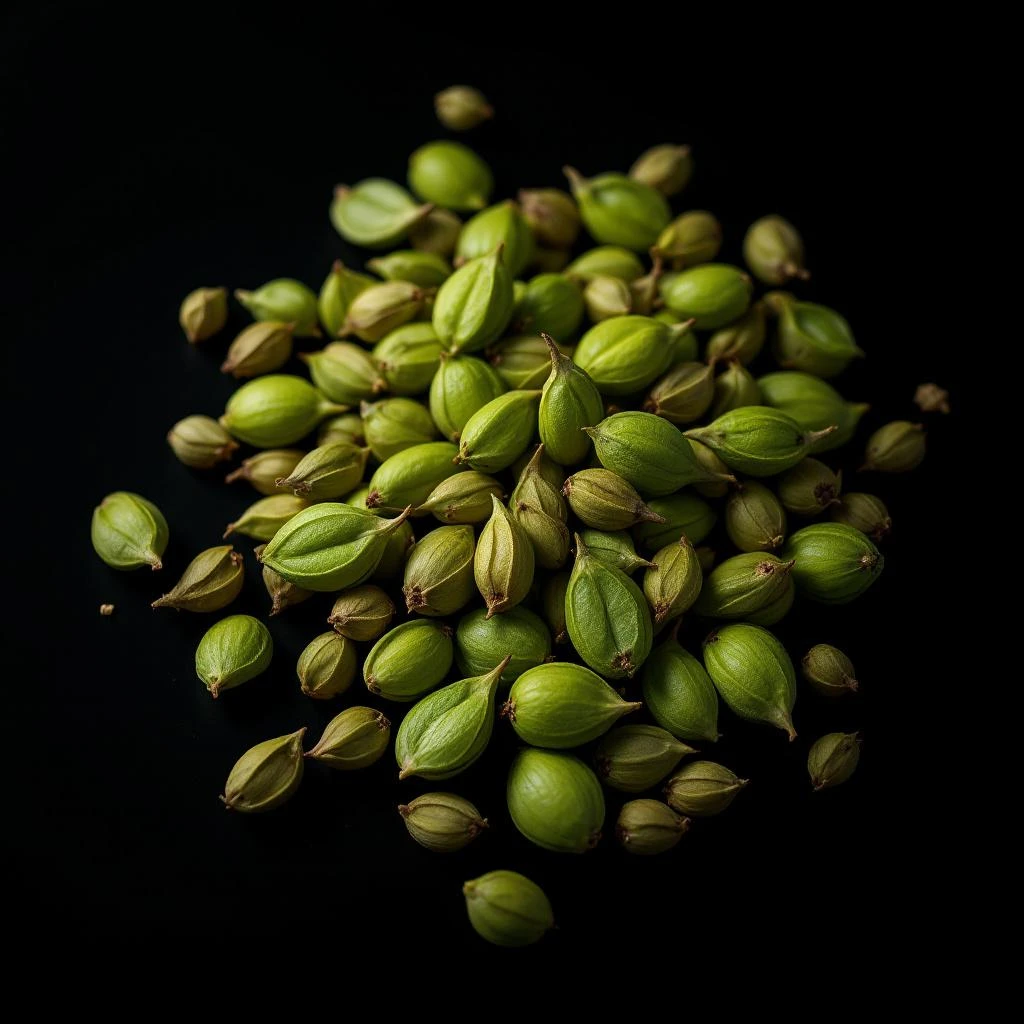
Freshly harvested saffron stigmas smell almost nothing like the spice you know. Safranal develops only through enzymatic conversion after drying begins.


Origin
Iran
Saffron originated in the Khorasan region of Iran and spread outward to Kashmir, the Mediterranean, and Asia Minor over centuries. Ancient Egyptian, Greek, and Roman civilizations used saffron extensively for ritual and perfumery, scenting baths, temples, and garments.
The Minoans cultivated it as early as 1500 BC, and Roman banquets featured saffron-scented floors散发的香气. In the Middle East, saffron formed the basis of Zaafran Attar, an oil-based perfume combining saffron with sandalwood.
The ancient Greeks prized saffron so highly that it served as a unit of trade and tribute. These traditions established saffron's place as one of history's most coveted aromatic materials, a reputation that continues in modern perfumery where it commands prices that reflect both its labor-intensive cultivation and its singular olfactory character.
Wears it best
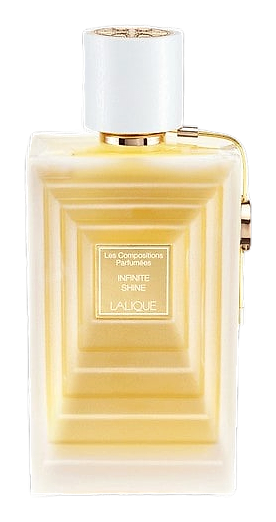
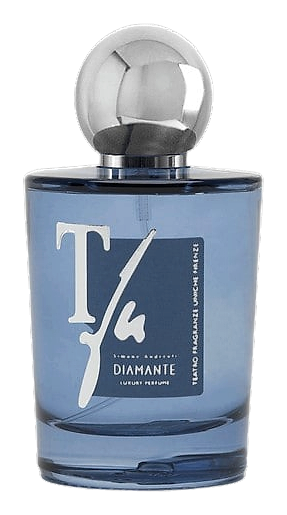
Fragrances featuring Safranal
Brands
Brands known for Safranal
Good to know
Questions, answered
The essentials on Safranal in perfumery: how it smells, where it comes from, and how it behaves on skin.
What does safranal smell like?
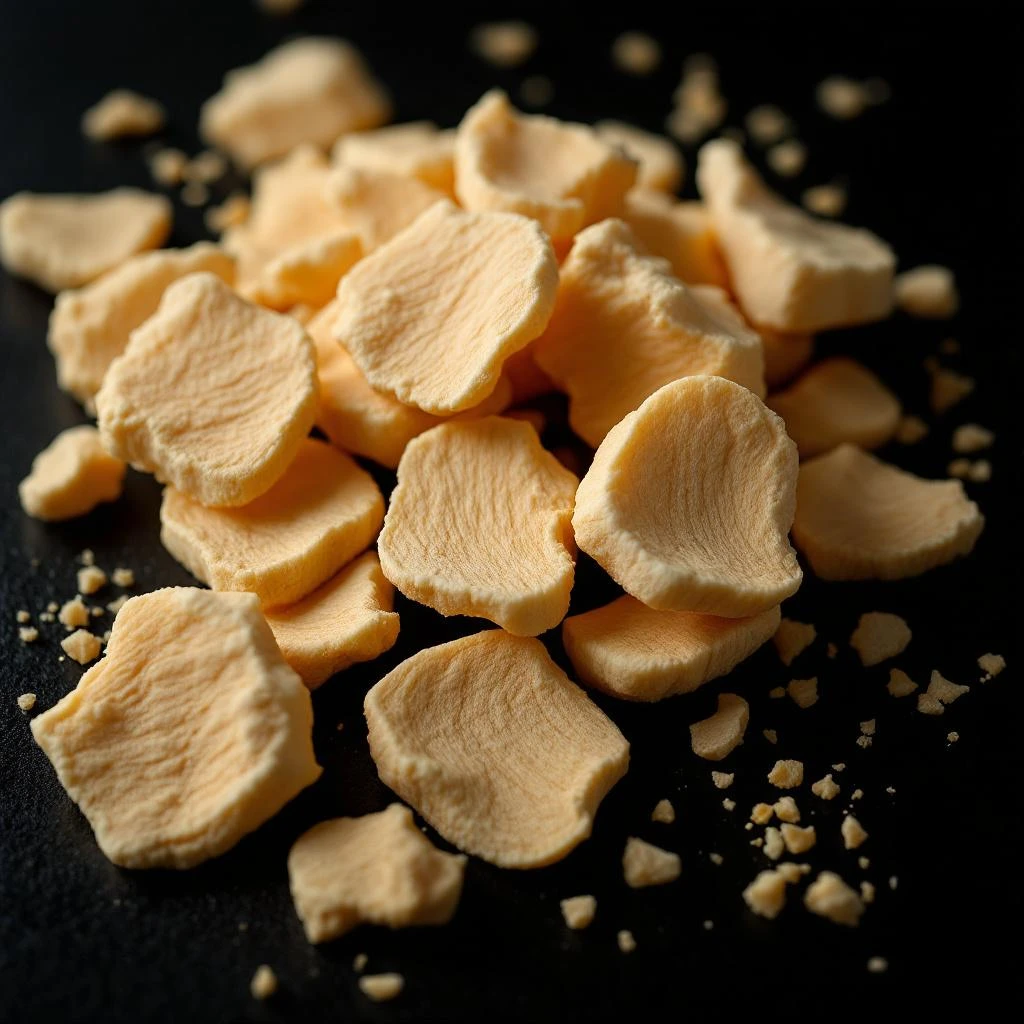
Safranal delivers a warm, honeyed quality layered with leathery undertones and a dry, hay-like finish. It is the compound that gives saffron its unmistakable identity in perfumery.
Is safranal natural or synthetic?
Safranal occurs naturally in dried saffron stigmas through enzymatic conversion. It can also be synthesized for consistency, though natural extraction remains preferred in fine perfumery.
Why does saffron need to dry before developing its scent?
Fresh saffron stigmas contain minimal safranal. The characteristic aroma develops only after harvest as enzymes convert picrocrocin, a process that takes several days of controlled drying.
What makes saffron so expensive?
Each crocus flower produces only three stigmas, and all harvesting happens by hand. Approximately 150,000 flowers yield just one kilogram of dried saffron, explaining the premium pricing.
Where does the best saffron for perfumery grow?
Iran produces roughly 90 percent of the world's saffron, with Khorasan as the historical heartland. Kashmir, Spain, Greece, and Afghanistan also cultivate prized varieties.
How is safranal used in fragrance formulas?
Perfumers use safranal as a key note in oriental, leathery, and spicy compositions. It adds warmth and complexity to accords that seek saffron's distinctive honey-leather character.
Does safranal have any traditional uses beyond perfumery?
Saffron has a long history in traditional medicine across the Middle East and South Asia. The Zaafran Attar, a blend of saffron and sandalwood, represents one traditional aromatic use.
Can safranal be extracted at home?
Home extraction is not practical. The enzymatic process requires specific humidity and temperature conditions, and isolating the volatile compound demands professional equipment.