Hydrocarboresine
Hydrocarboresine delivers an intense, rich smoky-incense aroma with profound resinous depth and distinctive leather undertones, adding mysterious complexity to fragrance compositions.
Character
How it smells
Smoky incense and leather in molecular form.
Unlike natural resins, Hydrocarboresine is synthesized to deliver consistent smoky-incense character without batch variation.


Origin
Switzerland
The development of synthetic aromatic materials like Hydrocarboresine emerged from the 19th-century shift in perfumery toward organic chemistry. While ancient Mesopotamian and Egyptian cultures built their fragrance traditions around natural resins and botanicals, modern chemistry enabled the creation of aromatic compounds with targeted olfactory profiles.
Hydrocarboresine represents this evolution, distilling the essence of smoky incense and leather into a single, consistent material. The combination of smoky and leather notes has ancient roots in perfumery, but the ability to engineer these characteristics reproducibly marks a distinctly modern achievement in fragrance chemistry.
Wears it best
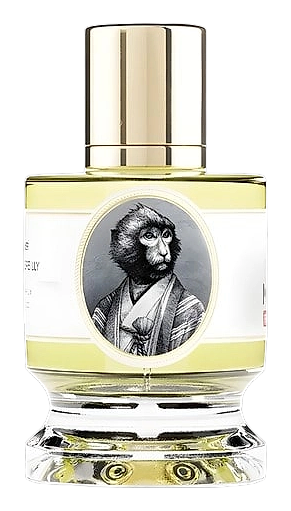
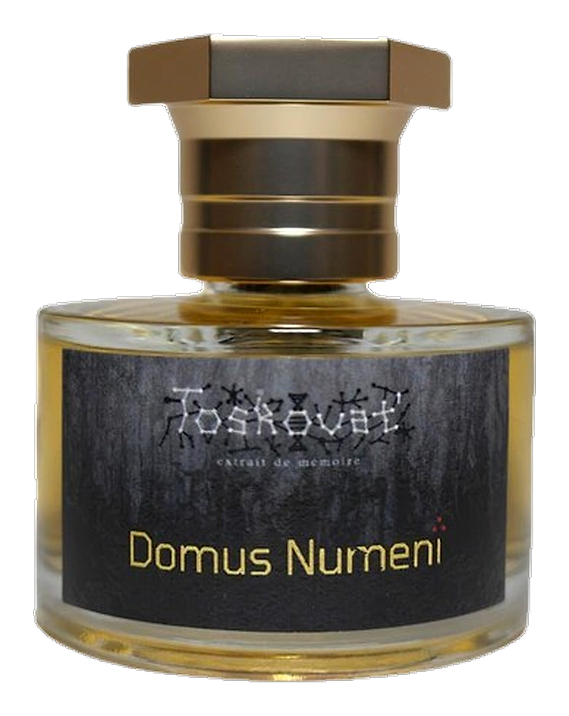
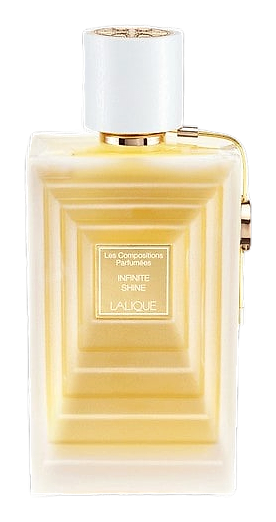
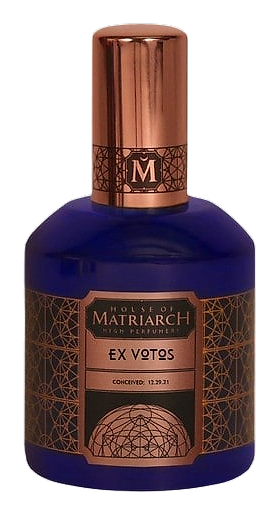
Fragrances featuring Hydrocarboresine


Brands
Brands known for Hydrocarboresine
Good to know
Questions, answered
The essentials on Hydrocarboresine in perfumery: how it smells, where it comes from, and how it behaves on skin.
What does Hydrocarboresine smell like?
Hydrocarboresine has an intense, rich smoky-incense aroma with profound resinous character, complemented by distinctive leather notes. It adds depth and complexity to fragrance compositions.
Is Hydrocarboresine a natural or synthetic ingredient?
Hydrocarboresine is a synthetic aromatic ingredient developed through hydrocarbon chemistry. It provides consistent smoky-incense and leather characteristics without the natural variation found in traditional resinous materials.
What fragrance families use Hydrocarboresine?
Hydrocarboresine appears primarily in oriental and leather fragrance families, where its smoky-incense and leather notes complement warm, resinous base compositions. It suits bold, complex fragrance designs.
At what concentration is Hydrocarboresine typically used in perfumery?
Hydrocarboresine functions as a base note and is used at low concentrations, typically between 0.1% and 2% in fragrance concentrates, depending on the desired intensity of smoky-incense and leather character.
Does Hydrocarboresine perform well in combination with other ingredients?
Hydrocarboresine blends effectively with natural resins, woods, musks, and other base notes. It enhances the smoky and leather dimensions of fragrance compositions while adding overall depth.
What is the historical context for synthetic incense materials?
The shift toward synthetic aromatic materials began in the 19th century with advances in organic chemistry, allowing perfumers to create consistent, reproducible fragrance ingredients beyond natural limitations.
Is Hydrocarboresine safe for skin application?
Hydrocarboresine undergoes standard safety assessment for cosmetic use. Like all fragrance ingredients, it should be used within IFRA guidelines and appropriate concentration limits for skin-contact products.
Where is Hydrocarboresine manufactured?
Hydrocarboresine is manufactured by specialty fragrance ingredient houses, primarily in Switzerland and Germany, where advanced aromatic chemistry and fragrance compound expertise are concentrated.