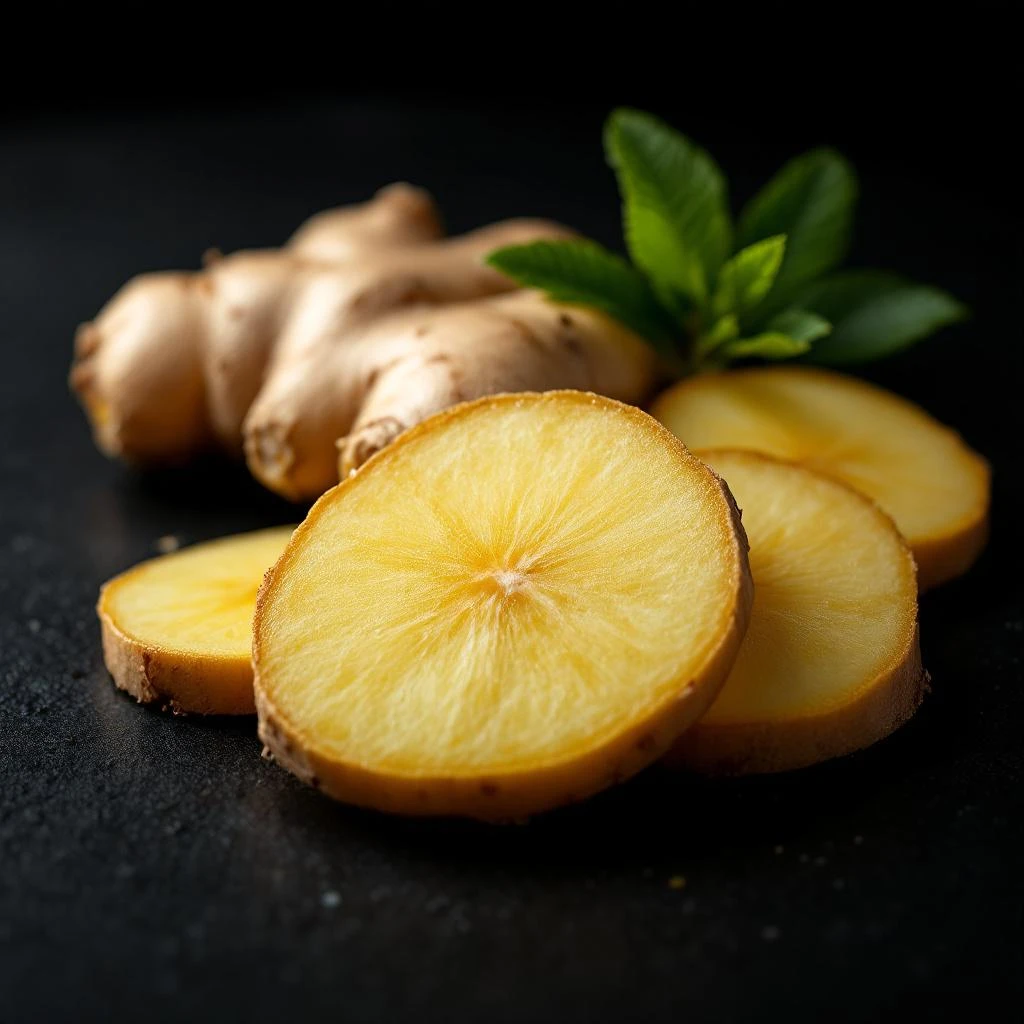
Saffron Tea
Saffron tea captures the warmth of brewed spice meeting dried petals. A leathery, honeyed aroma with bittersweet edges, evoking sunlit tea houses and slow afternoons steeped in golden color.
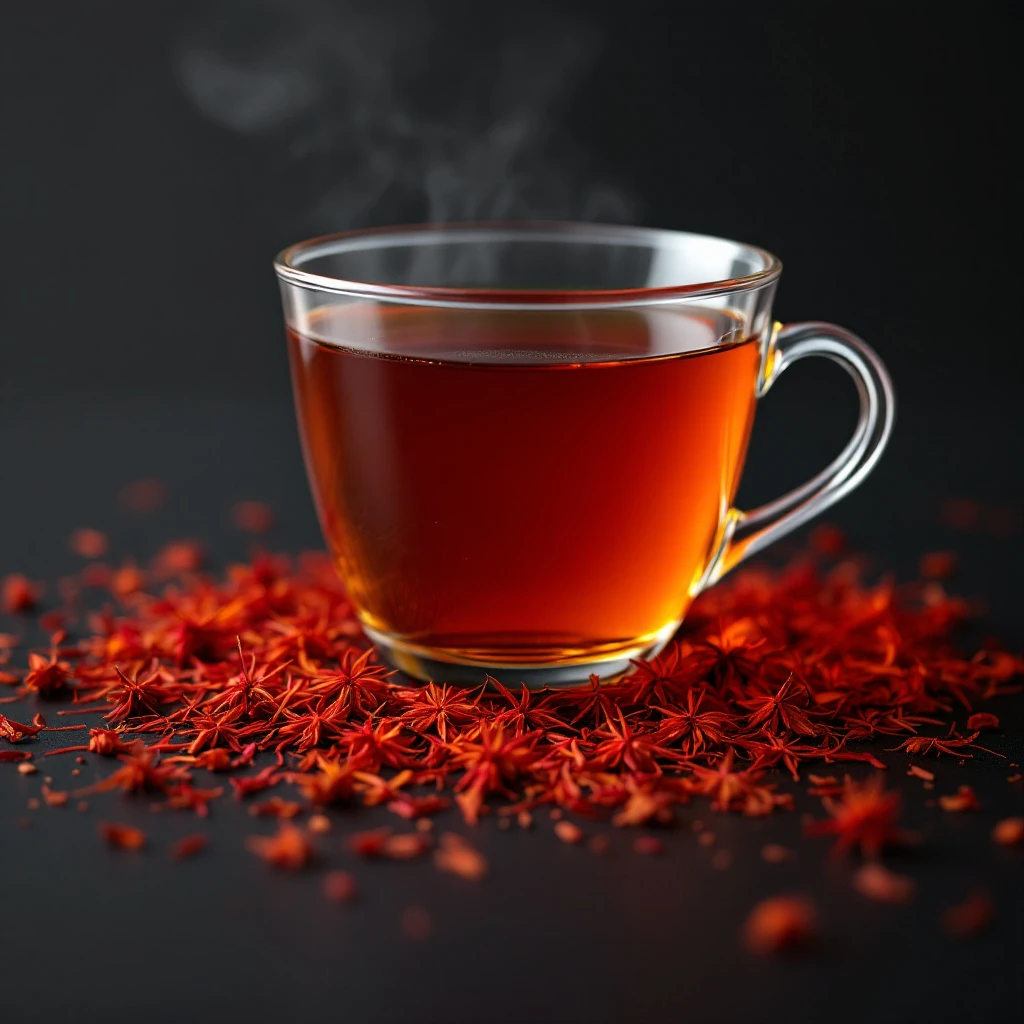
Character
How it smells
Sun-warmed spice steeped in golden silence
It takes roughly 150 saffron crocus flowers to produce a single gram of dried stigmas, making it more expensive by weight than gold.
Pairs beautifully with


Origin
Iran
Saffron's history in perfumery stretches back over 3,500 years. Ancient Greeks recorded its use as early as 1500 BC, incorporating it into ceremonial scents and medicinal preparations. Egyptian priests and royalty used saffron-infumed oils to anoint the body, believing the spice carried protective and divine qualities.
In the courts of ancient Persia, saffron perfumes became symbols of nobility and refinement. Persian physicians documented its mood-lifting properties, and the spice became a staple of royal incense blends. The word saffron itself traces to the Arabic za'faran, meaning yellow.
Zaafran attar, a traditional Middle Eastern preparation blending saffron with sandalwood, emerged as one of the earliest oil-based perfumes. Traders carried saffron along the Silk Road, spreading its cultivation to Kashmir, Spain, and Greece. Today, Iran produces roughly 90% of the world's saffron, maintaining a tradition where each thread still passes through human hands before reaching the perfumer's bench.
Wears it best
Fragrances featuring Saffron Tea
Brands
Brands known for Saffron Tea
Good to know
Questions, answered
The essentials on Saffron Tea in perfumery: how it smells, where it comes from, and how it behaves on skin.
What does saffron tea smell like in perfumery?
Saffron tea in fragrance smells warm, leathery, and slightly honeyed, with bittersweet, hay-like undertones. It carries faint iodine and medicinal notes, distinct from most spice accords, lending compositions a dry, golden richness.
Is saffron tea a natural or synthetic note?
True saffron tea notes derive from natural saffron absolute or attar. Some modern compositions use synthetic safranal to approximate saffron's aroma, but natural extracts remain preferred for depth and authenticity.
Why is saffron so expensive in perfume?
Saffron requires roughly 150 flowers to produce one gram of dried stigmas, all hand-harvested. This labor-intensive process makes it among the most costly raw materials in any perfumer's palette.
Where does saffron used in perfumery come from?
Iran produces approximately 90% of the world's saffron, particularly from the Khorasan region. Other significant sources include Kashmir, Spain, and Greece, each imparting subtle terroir-driven differences.
How is saffron extracted for fragrance use?
Perfumery saffron is typically extracted through hydro-distillation, producing a light attar, or solvent extraction, yielding a richer absolute. Zaafran attar, distilled with sandalwood, remains a traditional Middle Eastern method.
What fragrances pair well with saffron tea?
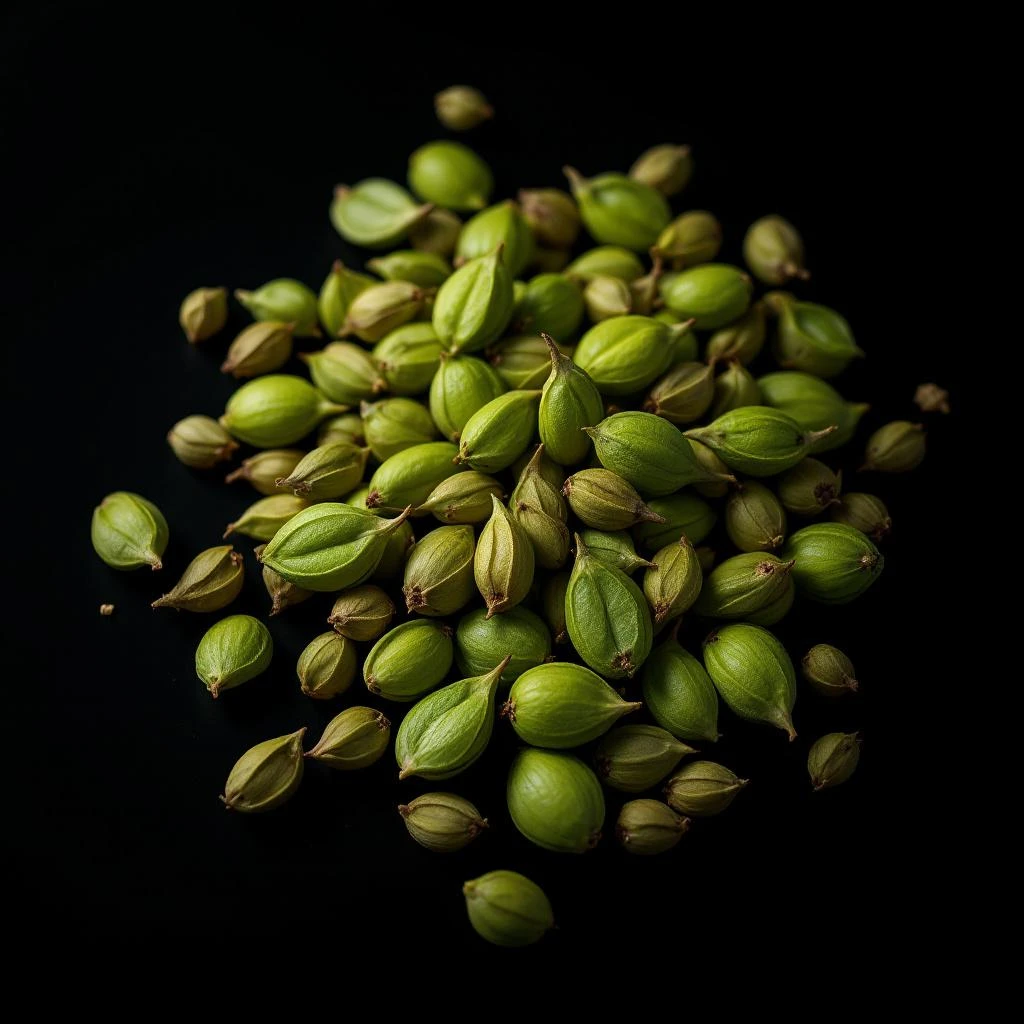
Saffron tea harmonizes with rose, oud, sandalwood, and leather. It also complements amber, incense, and warm spices like cardamom, creating oriental compositions with depth and bittersweet character.
Does saffron tea have a long history in perfumery?
Saffron's use in perfumery dates to 1500 BC in ancient Greece and earlier in Egypt. Persian courts considered saffron-infused scents fit for royalty, a tradition continuing across over three millennia.
Is saffron tea note safe for sensitive skin?
Saffron attar and absolutes are generally well-tolerated at typical fragrance concentrations. However, those with plant allergies should patch-test, as natural extracts can occasionally trigger sensitivity in reactive individuals.