Rukeri Tea
From Rwanda's highland tea estates, Rukeri delivers a refined, slightly astringent green-tea character with honeyed undertones. A prized ingredient in fine perfumery for its fresh, clean, and subtly sweet aroma.
Character
How it smells
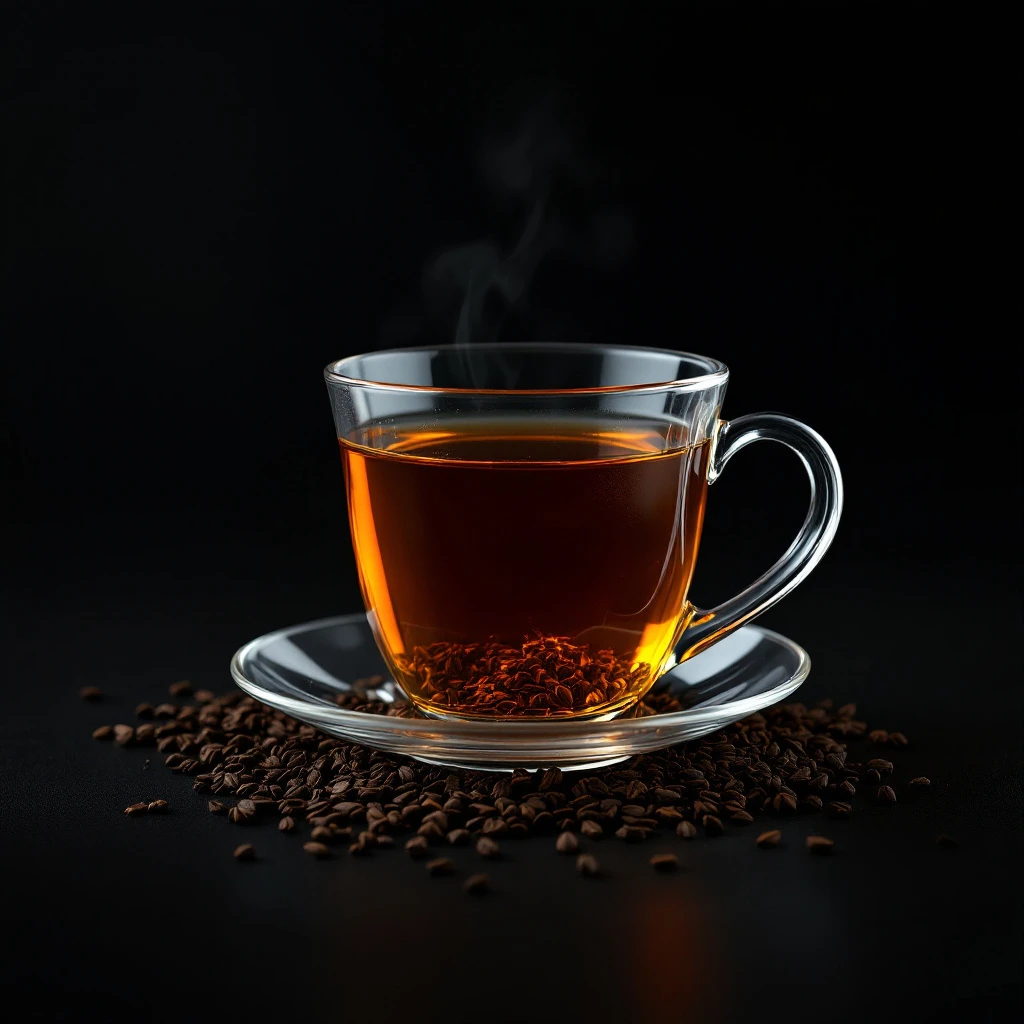
Highland Rwandan tea with a clean, honeyed finish.
Rukeri tea grows at elevations exceeding 2,000 meters, where cool mountain air develops the leaves' concentrated aromatic compounds.
Pairs beautifully with



Origin
Rwanda
Tea cultivation in Rwanda traces back to the early 20th century when Belgian colonial administrators introduced Camellia sinensis plants to the country's highland regions. The Rukeri Tea Estate was established in the 1960s in the volcanic highlands of northern Rwanda, benefiting from rich, fertile soil and consistent rainfall at elevations between 1,800 and 2,000 meters. Rwanda has since become one of Africa's leading tea producers, with Rukeri specifically earning international recognition for its smooth, full-bodied black tea.
The fragrance industry began incorporating Rwandan tea notes in the late 20th century as perfumers sought unique ingredient origins to differentiate their compositions. Today, Rukeri remains a sought-after source for tea-derived perfume materials, prized for its distinctive terroir-driven character.
Wears it best
Fragrances featuring Rukeri Tea

Brands
Brands known for Rukeri Tea
Good to know
Questions, answered
The essentials on Rukeri Tea in perfumery: how it smells, where it comes from, and how it behaves on skin.
What does Rukeri tea smell like in perfume?
Rukeri tea in perfumery registers as a fresh, green aroma with subtle astringency and honeyed undertones. The scent is clean and slightly bitter, capturing the essence of highland-grown black tea.
Where does Rukeri tea originate?
Rukeri tea comes from the Rukeri Tea Estate in Rwanda's Northern Province. The region sits at elevations above 2,000 meters, where volcanic soil and mountain climate shape the tea's distinctive character.
How is tea extracted for perfumery use?
Tea absolute for perfumery comes from solvent extraction of processed black tea leaves. This method captures the full spectrum of volatile aromatic compounds, yielding a more complex material than steam distillation alone.
Is Rukeri tea natural or synthetic in fragrances?
Rukeri tea in fine fragrances is typically derived from actual tea leaves through natural extraction. Synthetic tea aromatics also exist for broader fragrance applications, but premium perfumes favor natural-derived materials.
What fragrance families use Rukeri tea?
Rukeri tea appears across fresh, green, and aromatic fragrance families. It pairs particularly well with citrus, jasmine, and woody notes, adding a clean, sophisticated lift to compositions.
How does elevation affect Rukeri tea's fragrance qualities?
High-elevation growth slows leaf development, allowing more concentrated aromatic compounds to form. This produces a tea with heightened complexity and the characteristic honeyed sweetness prized in perfumery.
Can Rukeri tea be blended with other tea varieties?
Rukeri tea blends harmoniously with other tea accord materials like Darjeeling, Ceylon, and green tea absolutes. Each variety contributes distinct facets—Rukeri adds body and honeyed depth.
What is the shelf life of tea-derived fragrance materials?
Tea absolutes and essential oils maintain their aromatic properties for 2-3 years when stored properly in cool, dark conditions. Heat and light exposure accelerate degradation of these sensitive materials.