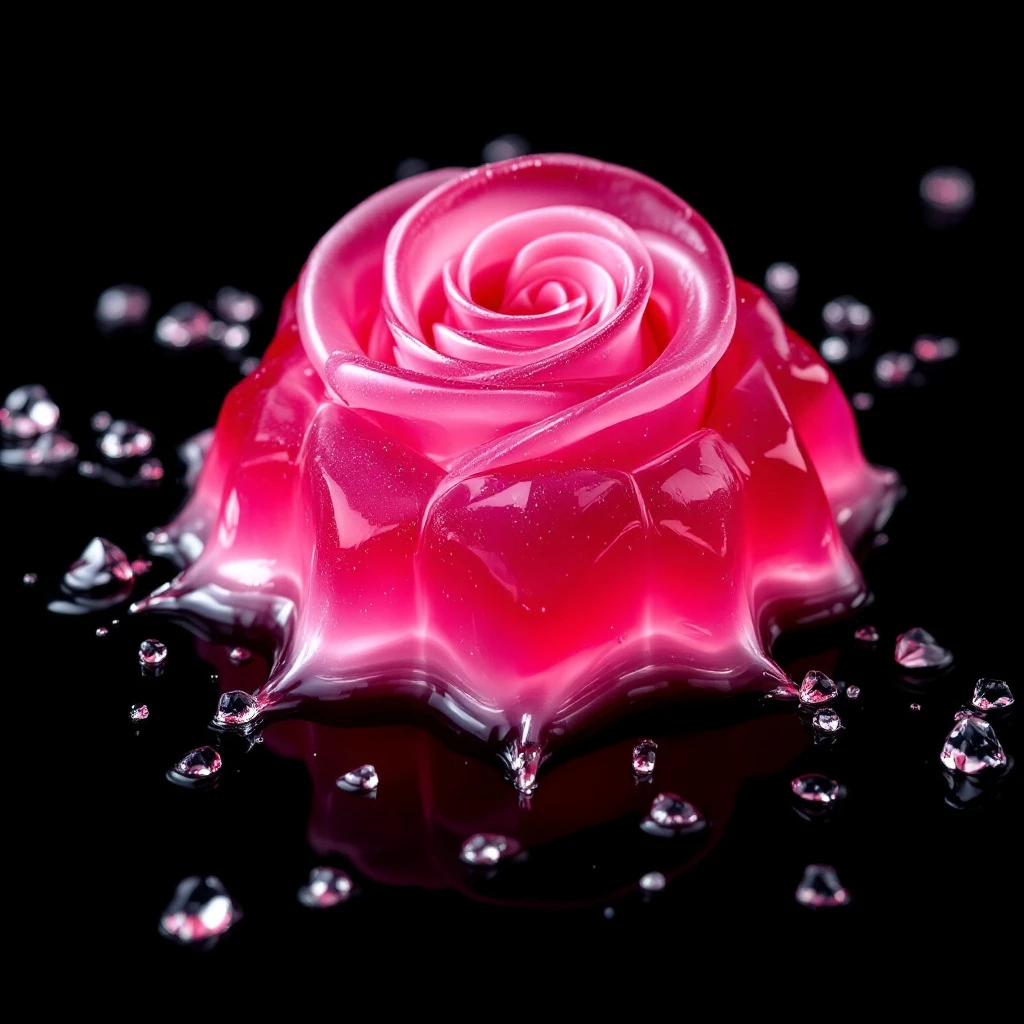
Rose Jelly
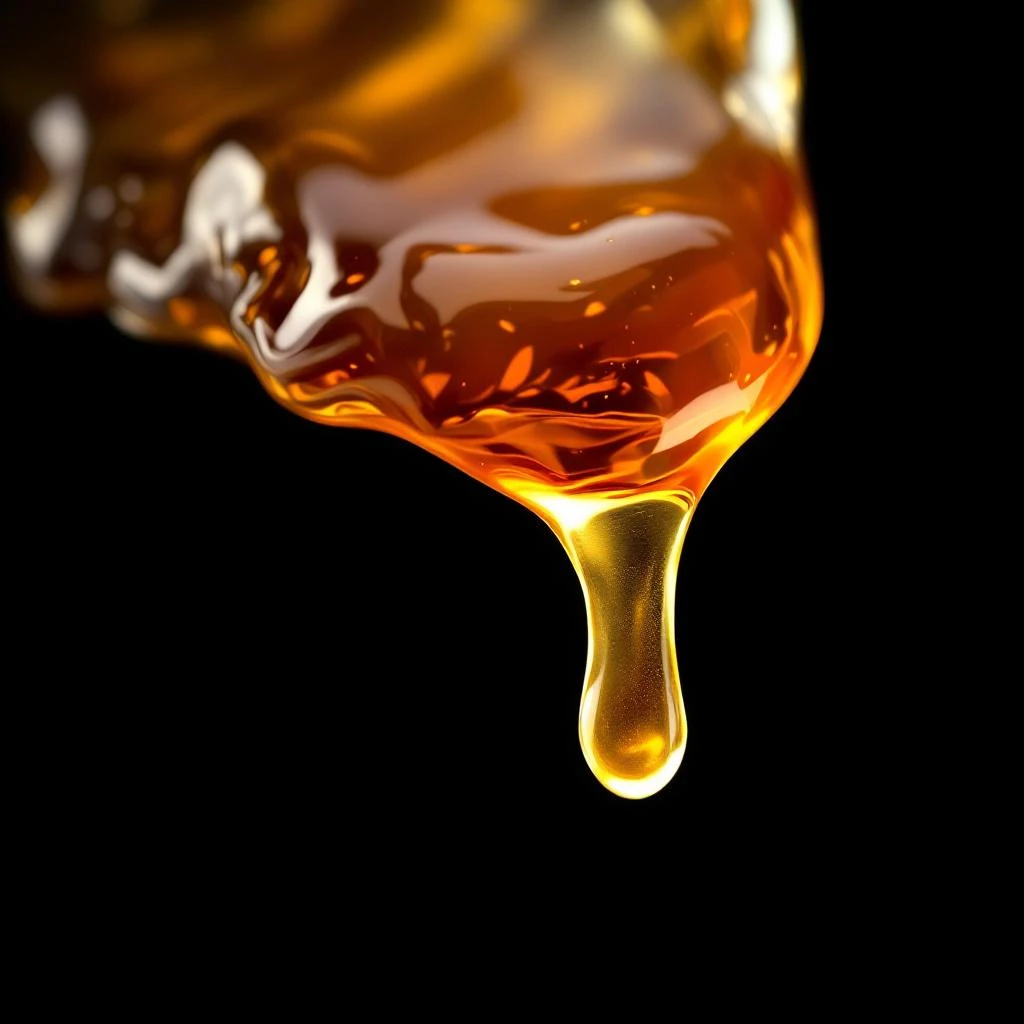
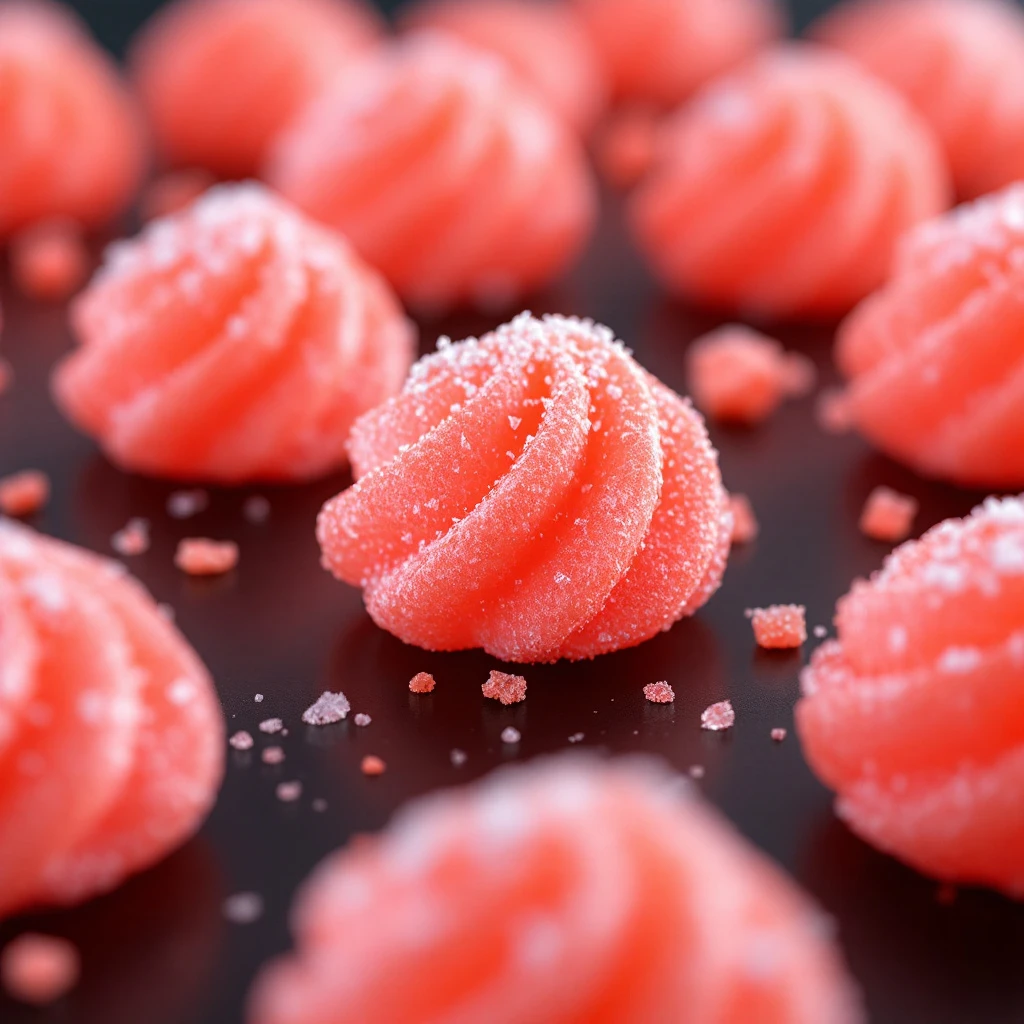
Rose Jelly captures the full, velvety heart of the rose in a concentrated form. This rich, viscous preparation delivers the flower's complete aromatic spectrum, from its delicate petal freshness to its deep, honeyed warmth.
Character
How it smells
The velvety soul of rose, concentrated.
It takes roughly one ton of rose petals to produce just one pound of rose concrete, the base for premium Rose Jelly preparations.




Origin
Iran
The rose has accompanied human civilization since antiquity. Ancient Persians wove rose petals into elaborate cosmetics and ceremonial preparations, while Egyptian queens demanded rose-scented oils for their royal rituals. Greek scholars documented rose cultivation, and Roman emperors famously filled their banquet halls with rose petals, sometimes in quantities that suffocated guests.
The production technique for concentrated rose extracts originated in Persia, the ancestral homeland of Rosa damascena. This flower, believed to be a natural hybrid, carries genetic roots in the mountains of ancient Syria. For millennia, perfumers have sought to capture not just the rose's fleeting top note, but its complete aromatic character.
Rose Jelly represents this quest fulfilled: a preparation that honors the flower's full complexity rather than isolating a single facet.
Wears it best
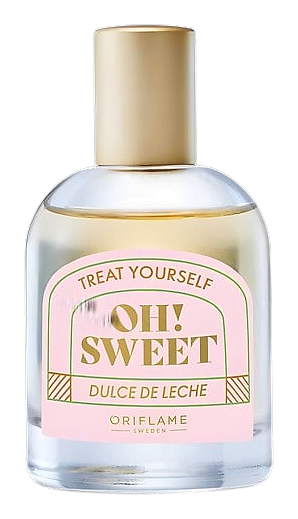
Fragrances featuring Rose Jelly
Brands
Brands known for Rose Jelly
Good to know
Questions, answered
The essentials on Rose Jelly in perfumery: how it smells, where it comes from, and how it behaves on skin.
What exactly is Rose Jelly in perfumery?
Rose Jelly is a concentrated, viscous rose extract produced through solvent extraction. It captures the complete aromatic profile of rose petals, including heavier compounds that give it exceptional depth and longevity in fragrance compositions.
How does Rose Jelly differ from rose essential oil?
Rose oil (attar or absolute) is obtained through steam distillation or solvent extraction of rose concrete. Rose Jelly specifically refers to the rich, viscous intermediate or finished preparation with enhanced body, retaining more of the flower's full aromatic spectrum.
What rose species are used to produce Rose Jelly?
Rosa damascena and Rosa centifolia are the primary species. Rosa damascena, native to the Middle East, produces the prized Bulgarian and Turkish rose oils, while Rosa centifolia dominates Moroccan and French productions.
Why is Rose Jelly considered premium in perfumery?
Solvent extraction preserves a broader range of aromatic molecules than steam distillation. Rose Jelly retains the flower's complete signature, including its subtle green, honey, and spicy facets that simpler extracts might miss.
How much rose is needed to produce Rose Jelly?
Approximately 1,000 kilograms of rose petals yield just 1 kilogram of concrete, the foundation for Rose Jelly. This 1000:1 ratio reflects the extraordinary concentration of aromatic compounds in each petal.
What fragrances pair well with Rose Jelly?
Rose Jelly works in virtually every fragrance family. It pairs naturally with woody notes like sandalwood and cedar, complements other florals such as jasmine and iris, and adds depth to oriental compositions with oud or amber.
Where does the best Rose Jelly originate?
Bulgaria's Rose Valley produces the benchmark Rosa damascena for perfumery, while Morocco and France excel with Rosa centifolia. Iran, where the production technique originated, remains significant for traditional extraction methods.
How is Rose Jelly used by professional perfumers?
Perfumers use Rose Jelly as a heart note foundation, adding richness and permanence to compositions. Its viscous nature allows precise dosing, and it blends seamlessly with both natural and synthetic aromatic materials.