Rooibos
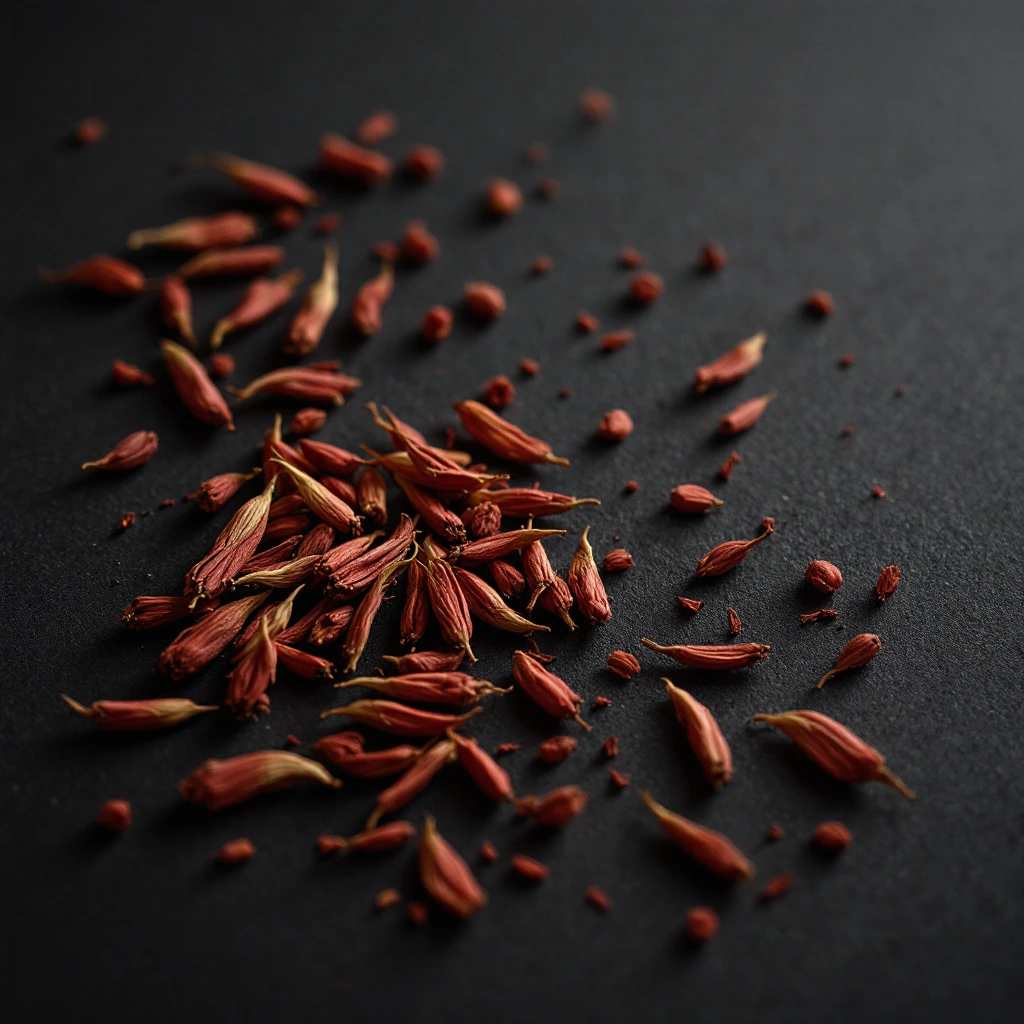
Rooibos, the deep-red bush of South Africa's Cape, yields a warm, honeyed extract that perfumers now prize for its softly addictive, tea-like depth.
Character
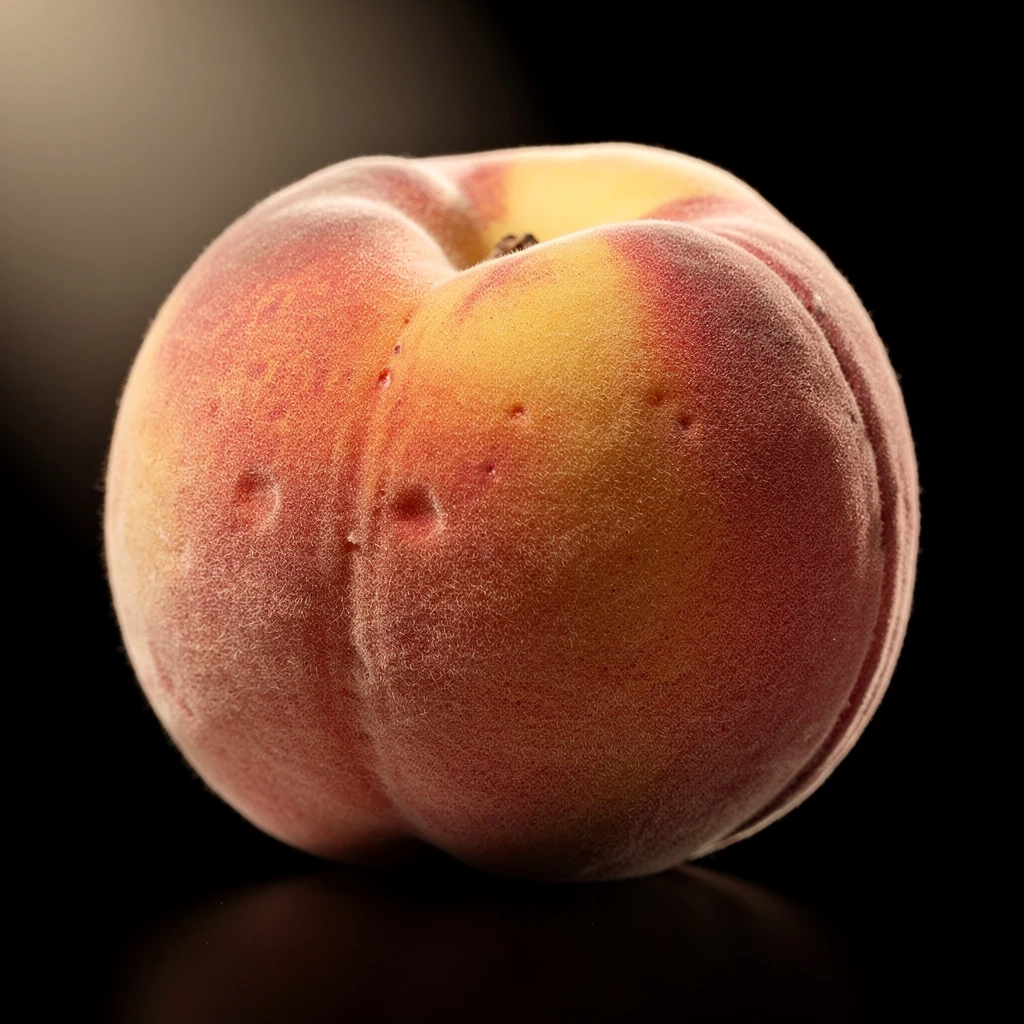
How it smells
Africa's red bush, reimagined in fragrance.
Rooibos is naturally caffeine-free, making it one of the few tea-family ingredients that adds warmth without stimulation.





Origin
South Africa
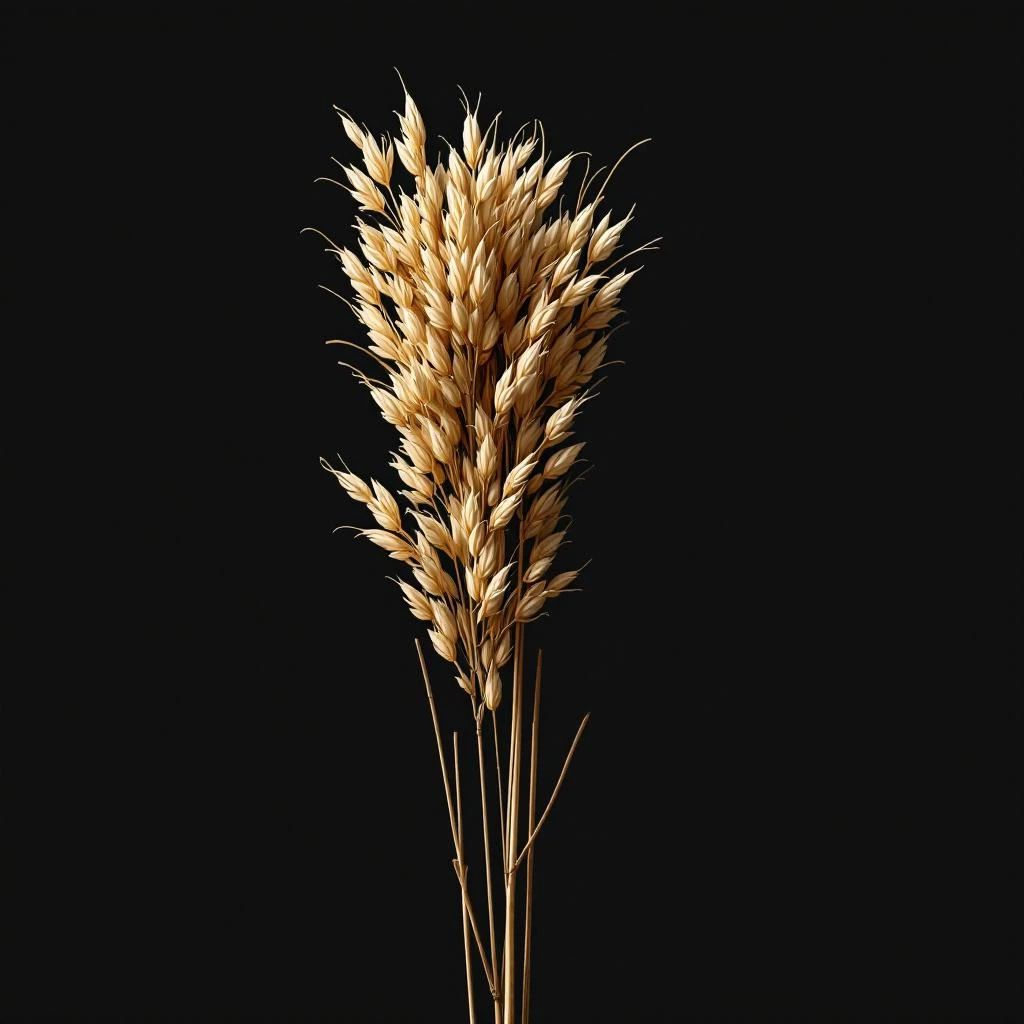
Indigenous to the rugged mountain slopes of South Africa's Western Cape, rooibos has been used by Khoisan peoples for centuries as a soothing herbal infusion. Dutch settlers in the 17th century encountered the plant but initially overlooked its potential.
A pivotal moment arrived in 1904 when Cape Town local Benjamin Ginsberg recognised the commercial promise of red bush tea after encountering it at a local market, laying the groundwork for its domestication as a crop. By the mid-20th century, rooibos had secured a place in South African cultural identity and international tea markets.
Perfumery adopted the ingredient more recently, drawn by its warm, comforting aroma that evokes amber, hay, and faint honeyed sweetness. Today, rooibos extract appears in a growing number of niche fragrances, valued for its ability to add natural depth and a wellness-adjacent resonance that feels both contemporary and rooted in African botanical heritage.
Wears it best
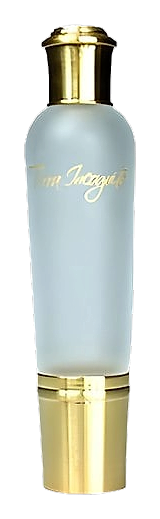
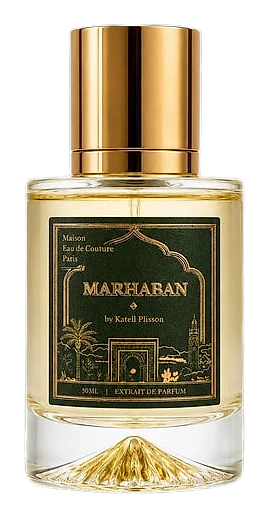
Fragrances featuring Rooibos
Brands
Brands known for Rooibos
Good to know
Questions, answered
The essentials on Rooibos in perfumery: how it smells, where it comes from, and how it behaves on skin.
What does rooibos smell like in perfume?
Rooibos carries a warm, sweet, slightly woody aroma often described as honeyed hay or amber tea. It functions as a base note that adds quiet depth and a comforting, slightly earthy richness to fragrance compositions.
Is rooibos used in men's or women's fragrances?
Rooibos appears in unisex and gender-neutral formulations more often than strictly gendered ones. Its warm, herbal-tea character bridges traditionally masculine wood notes and softer feminine floral warmth equally well.
Where does rooibos for perfumery come from?
The sole commercial source of perfumery-grade rooibos is South Africa's Western Cape, specifically the Cederberg region and surrounding Fynbos mountain slopes. Only Aspalathus linearis grown in this unique terroir produces the characteristic aroma used in fine fragrance.
Is rooibos extract natural or synthetic?
Rooibos extract is fully natural, obtained via solvent extraction from the fermented aerial parts of Aspalathus linearis. It carries FEMA GRAS status, confirming a long history of safe use in food and cosmetic applications.
What extraction method produces rooibos extract?
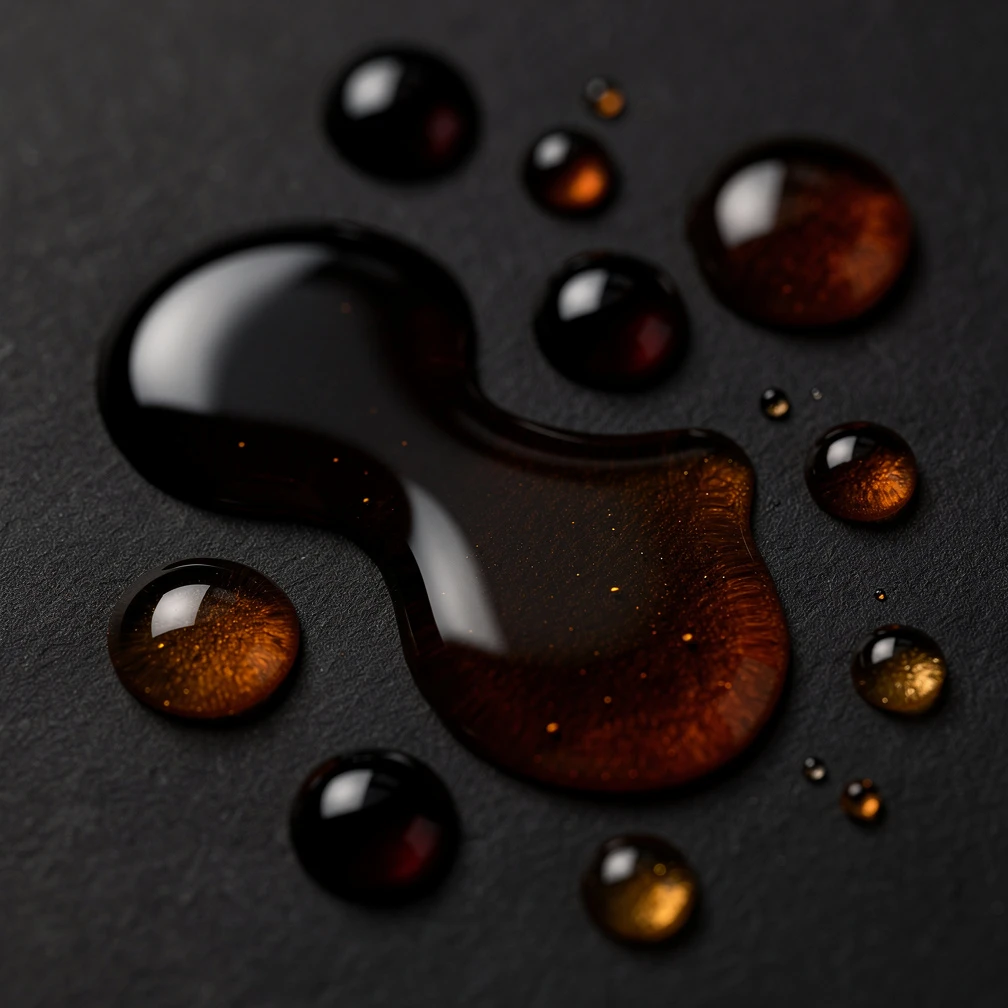
Solvent extraction yields the dark brown rooibos extract used in perfumery. This method efficiently captures the plant's volatile and semi-volatile aromatic compounds, including those developed during the fermentation process that gives rooibos its signature red colour.
What notes pair well with rooibos in fragrance?
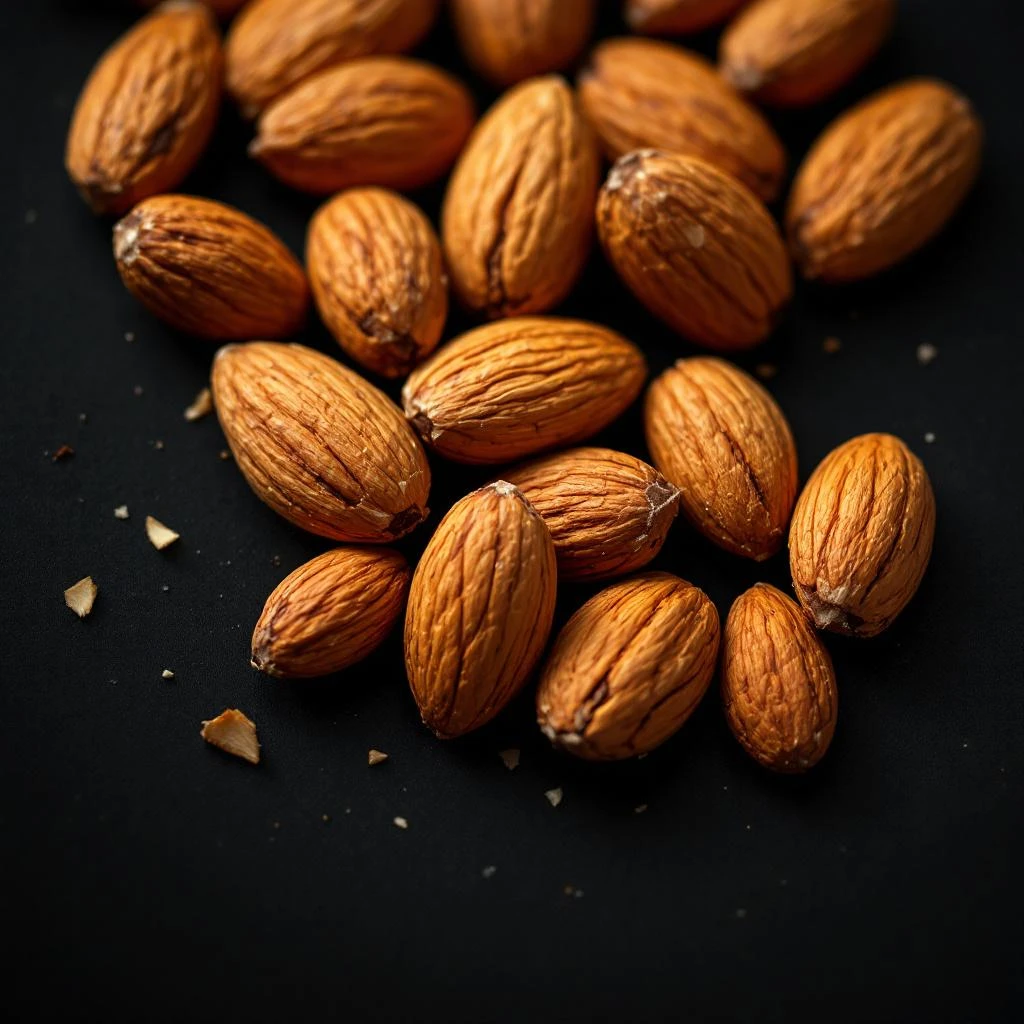
Rooibos pairs naturally with warm woods like cedar and sandalwood, amber and labdanum resins, vanilla, and spices such as cardamom and cinnamon. It also complements green tea and other tea-family notes for a clean, contemporary effect.
How is rooibos extract different from green tea or black tea extracts?
Unlike green tea extract, which carries sharp, bitter, vegetal catechins, rooibos is caffeine-free and offers a sweeter, rounder, more honeyed profile. Black tea extracts tend toward malted, astringent qualities that rooibos lacks entirely, making rooibos a softer, more approachable tea note.
Why is rooibos considered a sustainable fragrance ingredient?
Rooibos is naturally drought-resistant and thrives in the nutrient-poor, acidic soils of South Africa's Fynbos biome without irrigation or synthetic fertilisers. Its cultivation supports small-scale farming communities in the Western Cape and requires minimal environmental input compared to many other natural perfume materials.