Roasted Cane Sugar
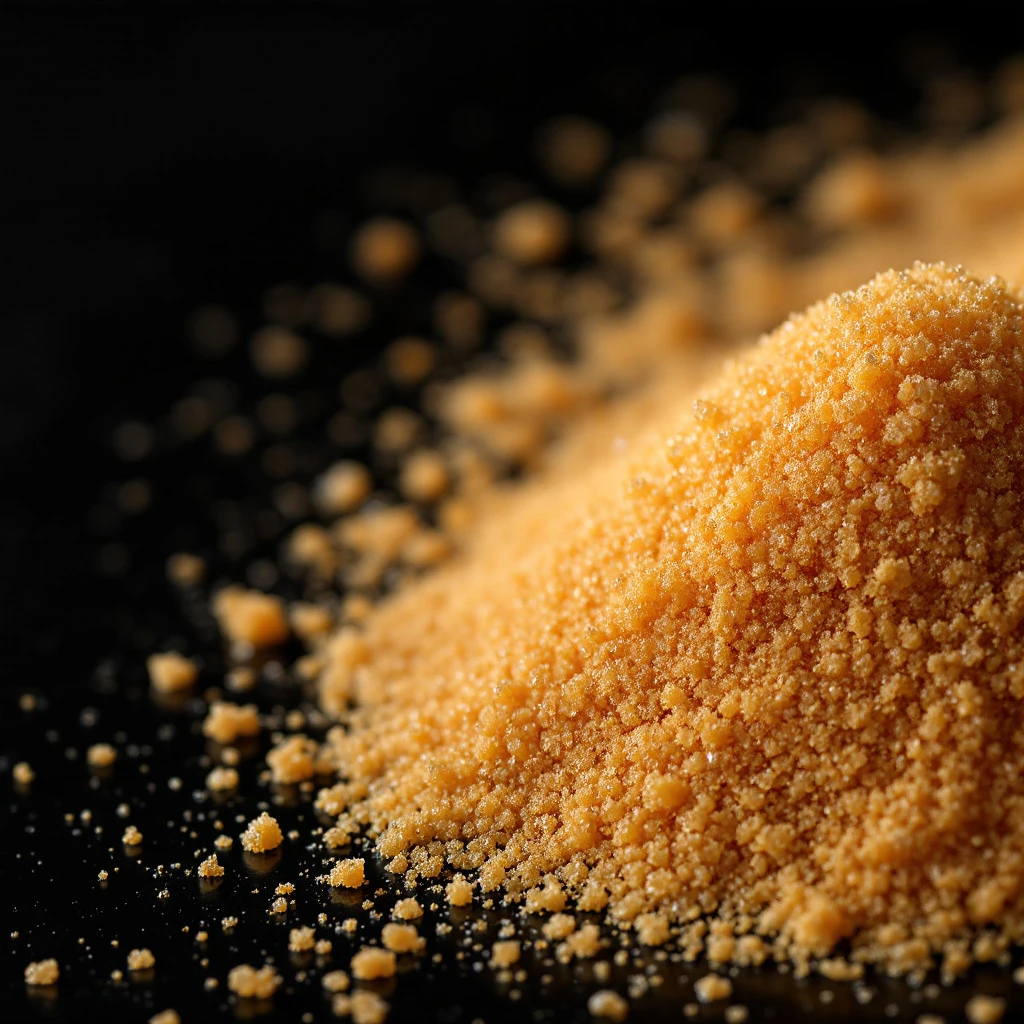
Roasted Cane Sugar delivers a warm, caramelized sweetness to perfumery. This gourmand note evokes freshly baked desserts, brown sugar, and toffee, creating an immediate sense of comfort and indulgence in fragrance compositions.
Character
How it smells
Warm caramelized sweetness that comforts.
The Maillard reaction, the same process that browns bread and sears meat, creates Roasted Cane Sugar's distinctive aroma.




Origin
India
Sugar cane ranks among humanity's oldest cultivated crops, first domesticated in Southeast Asia and New Guinea around 6000 BCE. Ancient Indian texts from 500 BCE already documented its medicinal and culinary uses, and Alexander the Great encountered what his soldiers called 'honey without bees' during campaigns in the region.
Arab traders spread sugar cultivation across the Mediterranean by the 12th century, and Christopher Columbus carried cane plants to the Caribbean during his second voyage in 1493. The Caribbean and Brazil became sugar production powerhouses by the 16th century, fueling global trade networks.
Roasted Cane Sugar as a dedicated fragrance ingredient emerged more recently, as perfumers in the late 20th century embraced gourmand compositions inspired by culinary traditions. Today, it connects ancient agricultural heritage with modern aromatic artistry.
Wears it best
Fragrances featuring Roasted Cane Sugar
Brands
Brands known for Roasted Cane Sugar
Good to know
Questions, answered
The essentials on Roasted Cane Sugar in perfumery: how it smells, where it comes from, and how it behaves on skin.
What does Roasted Cane Sugar smell like in perfume?
Roasted Cane Sugar emits a warm, sweet aroma reminiscent of caramel, brown sugar, and toffee. It adds gourmand depth with subtle roasted and nutty undertones.
Is Roasted Cane Sugar a natural or synthetic ingredient?
Roasted Cane Sugar is typically derived from natural sugar cane through thermal processing. However, equivalent aroma compounds can also be synthesized in laboratories.
Which fragrance families use Roasted Cane Sugar?
Gourmand, oriental, and warm floral fragrances most commonly feature Roasted Cane Sugar. It pairs especially well with vanilla, tonka, and amber notes.
How does roasting affect sugar cane's scent?
Heat application triggers the Maillard reaction, creating new aromatic compounds including pyrazines and furans that produce caramelized, nutty notes absent from raw cane.
Where does sugar cane for perfumery originate?
Sugar cane originated in Southeast Asia and India, though Brazil currently leads global production. Geographic origin influences the final aromatic profile through terroir effects.
Does Roasted Cane Sugar provide sweetness or warmth?
It delivers both. The ingredient offers immediate sweet resonance while contributing lasting warmth through its roasted, slightly smoky undertones.
How long has sugar been used in perfumery?
Sugar cane has been cultivated for over 8,000 years, though its use as a dedicated fragrance note emerged primarily in the late 20th century gourmand movement.
What temperatures create the roasted character?
Processing temperatures between 140 and 170 degrees Celsius generate the Maillard reaction products responsible for Roasted Cane Sugar's distinctive caramelized aroma.



