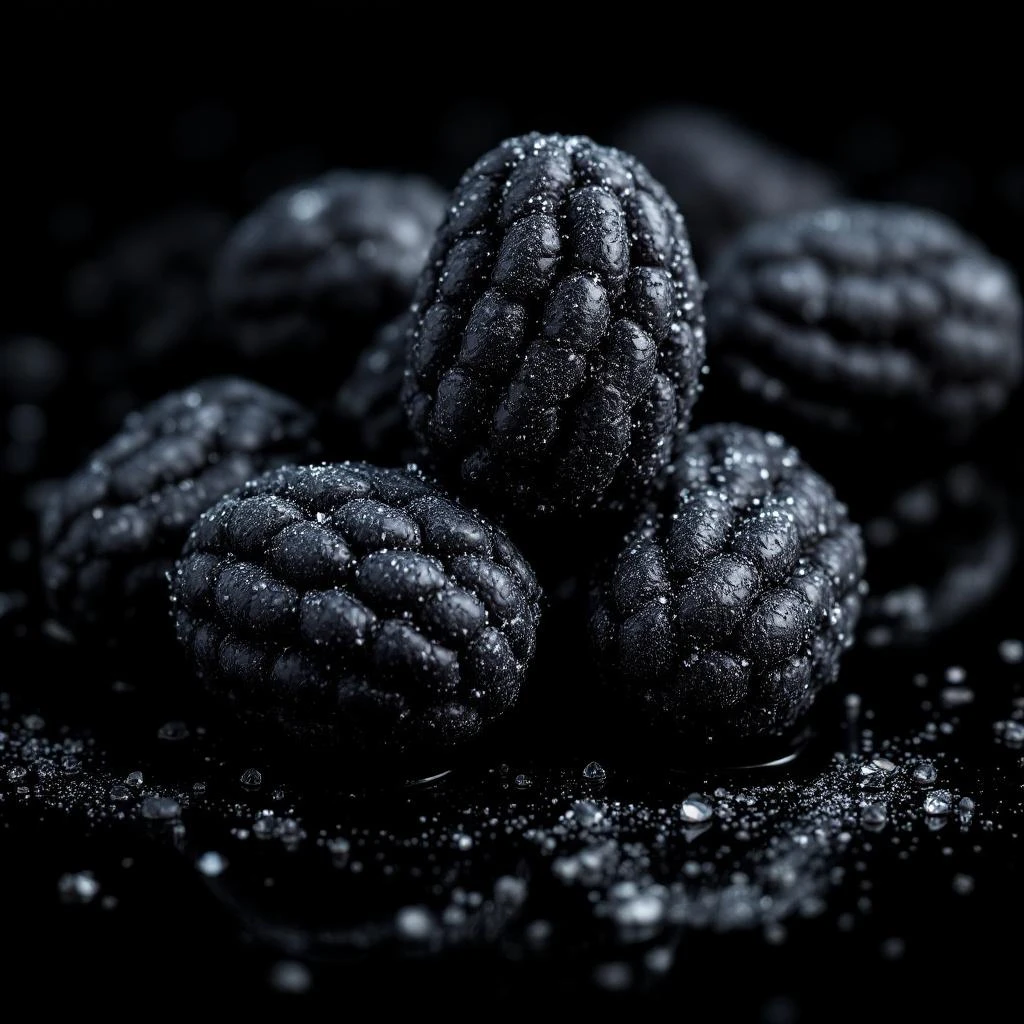
Rice Husk
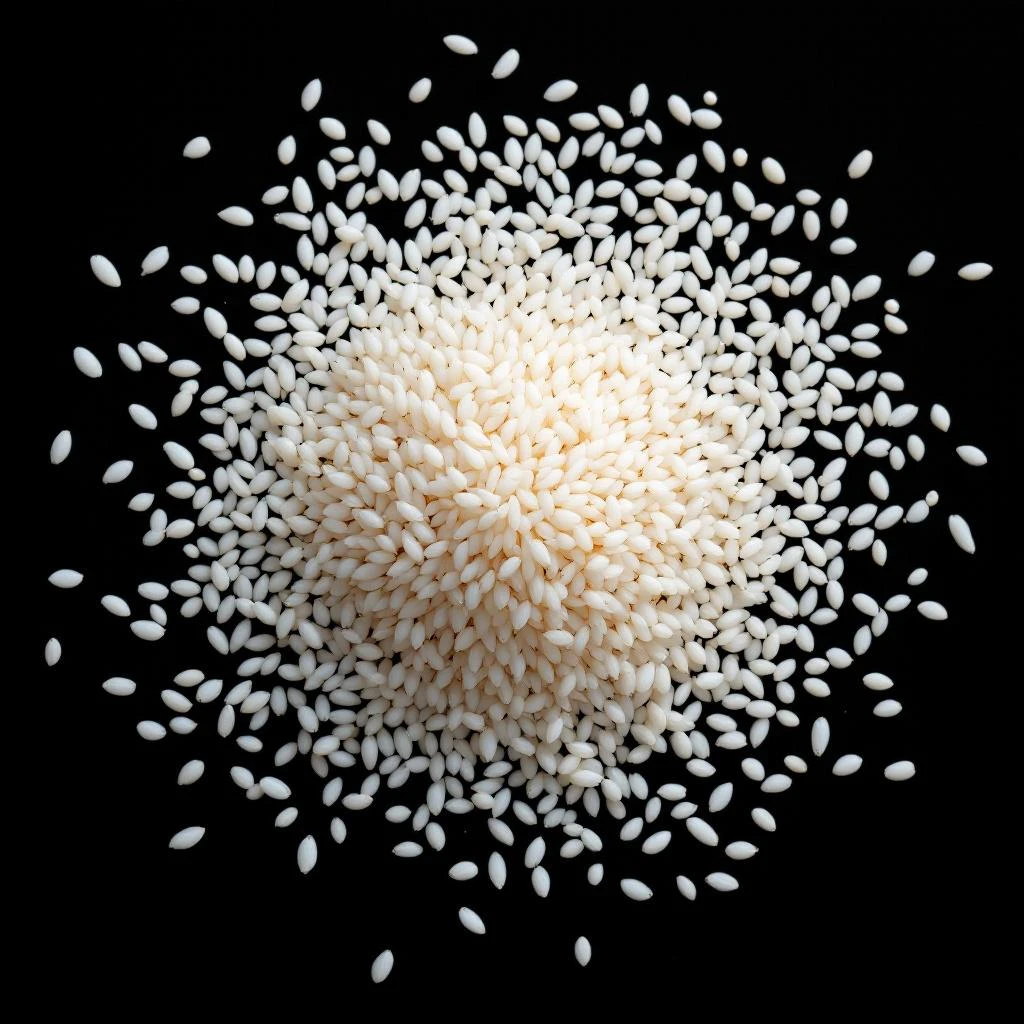
Rice husk brings a dry, warm, cereal note to fragrance, with subtle earthy and powdery facets reminiscent of steamed grain and polished rice.
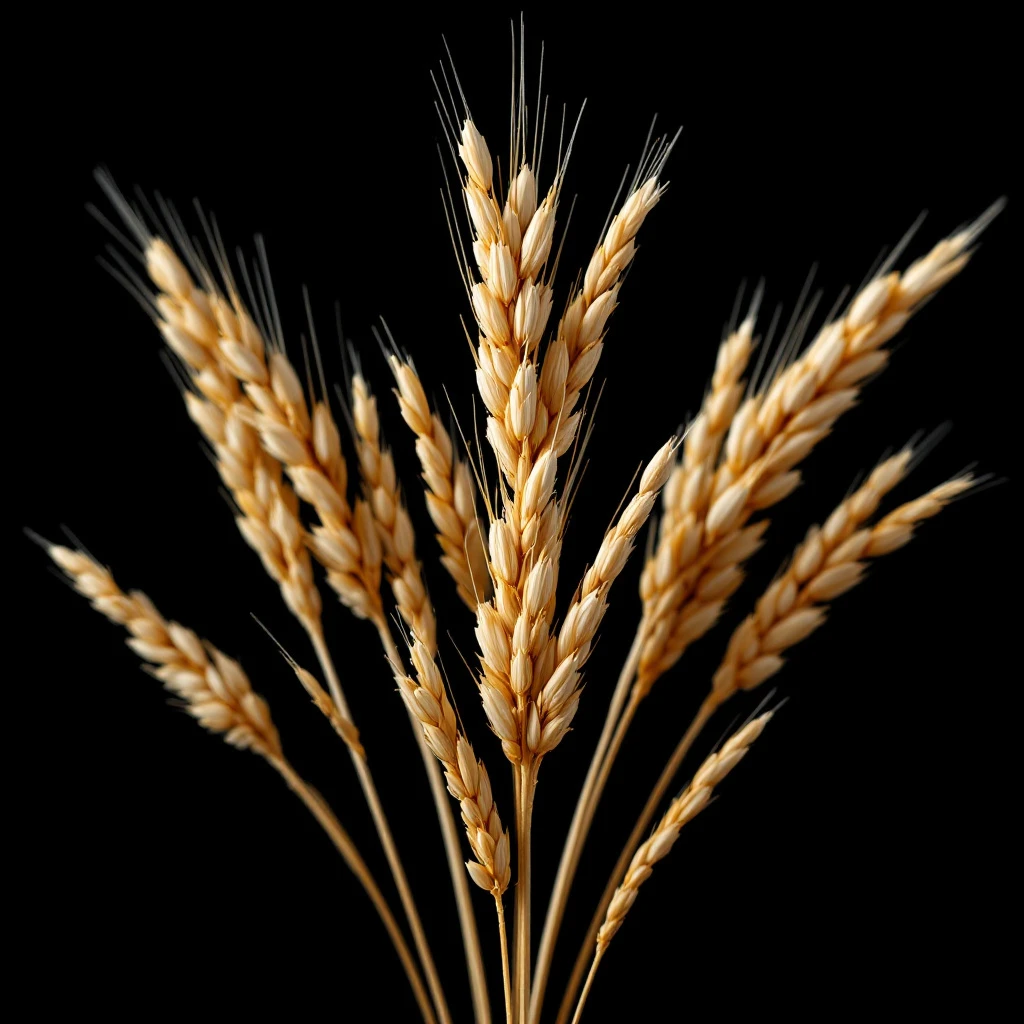
Character
How it smells
A dry, warm grain note with an earthy edge.
Rice husks are the protective outer layers removed during milling, and their aroma differs from that of the edible grain inside.
Pairs beautifully with
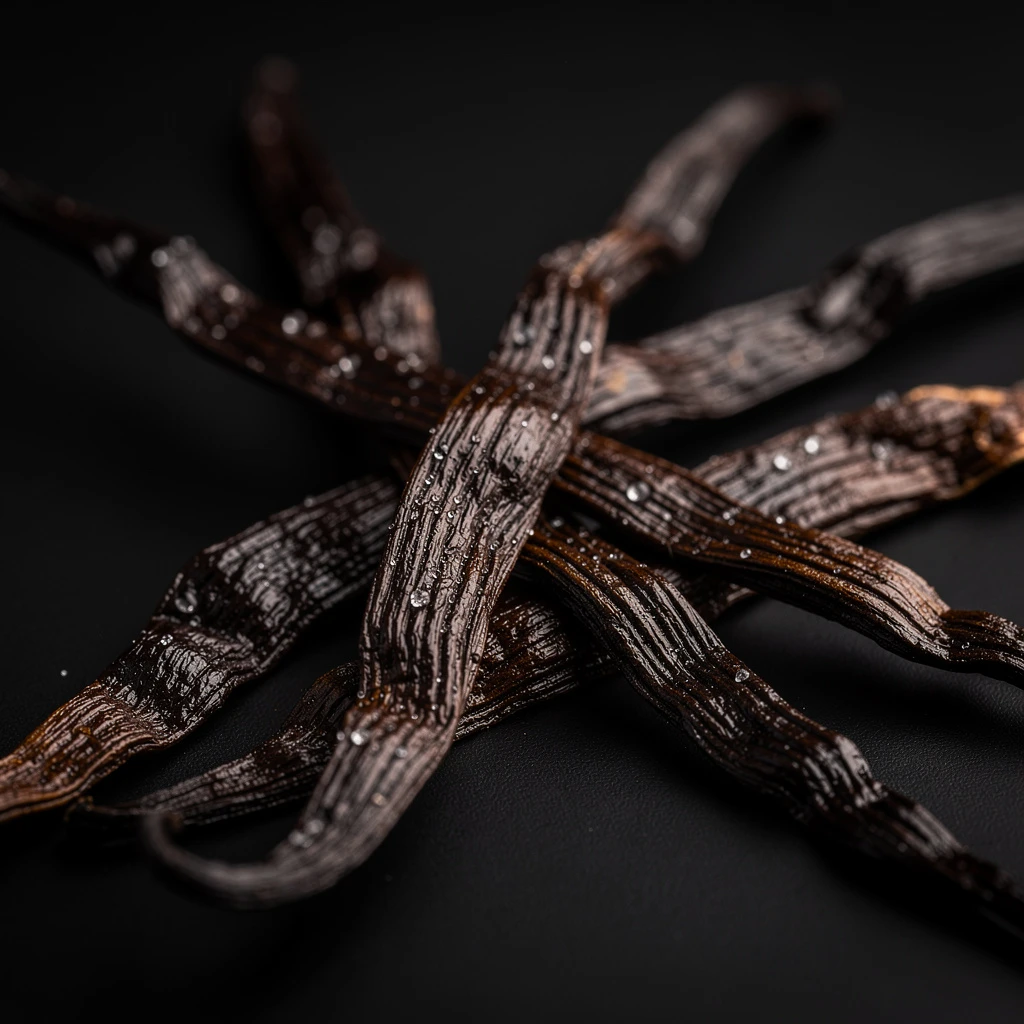

Origin
India
Rice has served as a staple crop across Asia for thousands of years, and its cultivation is closely tied to the history of settled communities, irrigation, trade, and food storage. Rice husks were valuable by-products of milling: they protected the grain during transport and could be used as fuel, bedding, packing material, or fodder. Their distinctive warm, dry scent therefore entered everyday life through grain handling and cooking rather than through an early perfume tradition.
Rice aroma became especially familiar in cuisines where rice is prepared with aromatic varieties, including basmati and jasmine rice. The fragrance of cooked rice is not the same as the smell of its husk, but both belong to the wider sensory identity of the crop. Modern perfumery draws on these associations to create subtle cereal and powdery facets.
It is a relatively specialized fragrance note, valued for texture rather than as the dominant scent of a composition. Rice cultivation spans many regions, so no single origin defines its aromatic character. Soil, climate, variety, storage, and processing all contribute to how rice smells, while the husk remains an agricultural by-product that can be redirected into fragrance research.
Wears it best
Fragrances featuring Rice Husk
Brands
Brands known for Rice Husk
Good to know
Questions, answered
The essentials on Rice Husk in perfumery: how it smells, where it comes from, and how it behaves on skin.
What does rice husk smell like in perfume?
Rice husk generally gives perfume a dry, warm, cereal note with dusty and lightly earthy facets. It is usually a supporting texture rather than a strongly recognizable standalone scent.
Is rice husk the same as rice or cooked rice?
No. Rice husk is the grain's protective outer layer, while rice aroma refers to the edible grain and compounds released during cooking. Their scents can overlap, but they are materially distinct.
How is rice husk fragrance ingredient produced?
Commercial production may use controlled extraction of rice-derived compounds or purpose-made aromatic chemicals. Rice husks contain little essential oil, so the process depends on the concentration and specification required.
Which rice variety is associated with basmati aroma?
Long-grain basmati rice is associated with a distinctive cooked aroma linked partly to its genetics and storage chemistry. This grain note is different from fragrance material made specifically from rice husks.
Where does rice husk come from?
Rice husk is a by-product of rice milling, and rice is cultivated widely across Asia and other warm regions. Its fragrance profile varies with rice variety, growing conditions, drying, storage, and processing.
Does rice husk contain much essential oil?
Rice husk contains far less volatile oil than many traditional aromatic plant materials. That makes direct oil extraction less straightforward and encourages specialized processing in fragrance manufacturing.
What fragrance notes does rice husk pair with?
Rice husk can support warm woods, soft musks, milky notes, and mild food-inspired accords. It works best when used as a quiet textural layer rather than as the main identity of a scent.
Can rice husk fragrance be natural?
It can be presented as naturally derived when its aroma comes from rice-derived material processed according to the relevant standard. Labels and ingredient documentation should be checked because some rice-husk effects may come from synthetic aroma chemicals.