Rice Blossom
A delicate floral note that captures the quiet elegance of sun-dried grain. Rice blossom conveys warmth and comfort through its powdery, subtly sweet character, evoking fresh-harvested fields under open sky.

Character
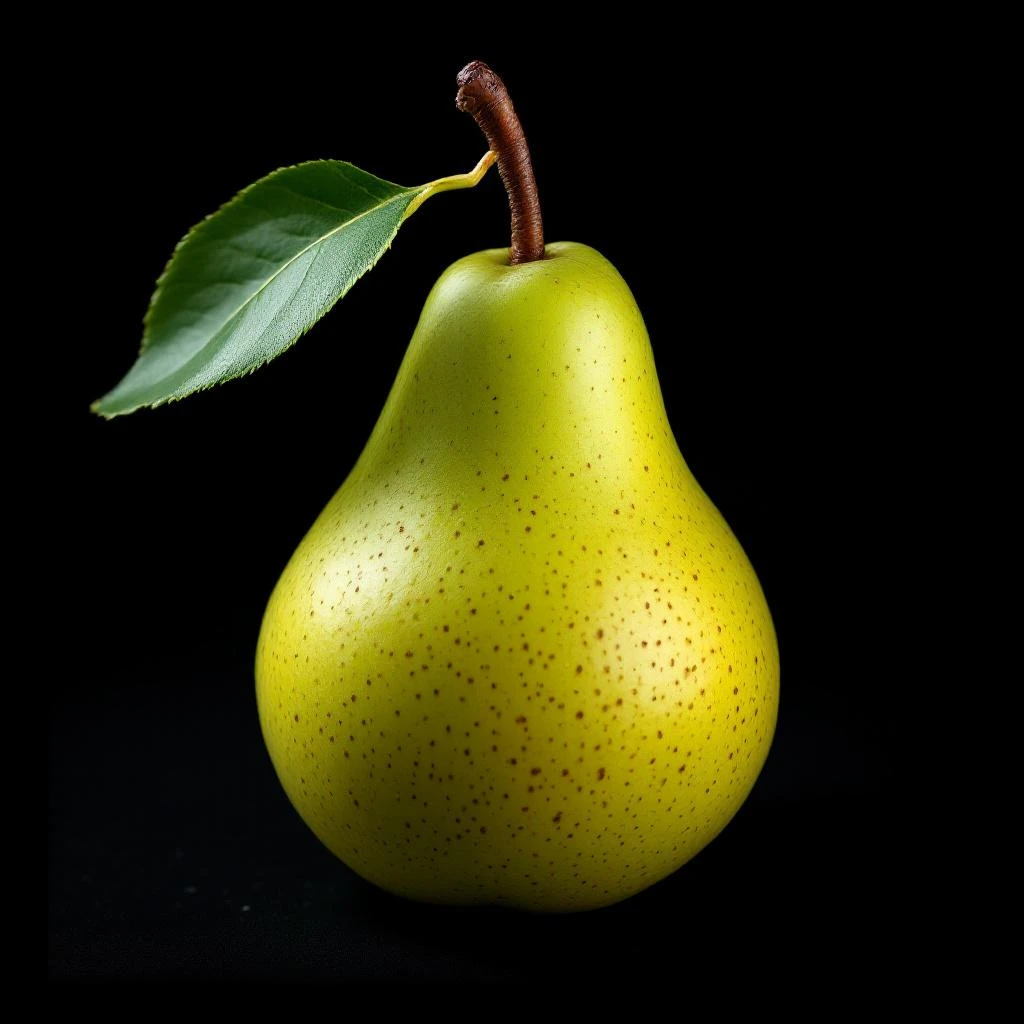
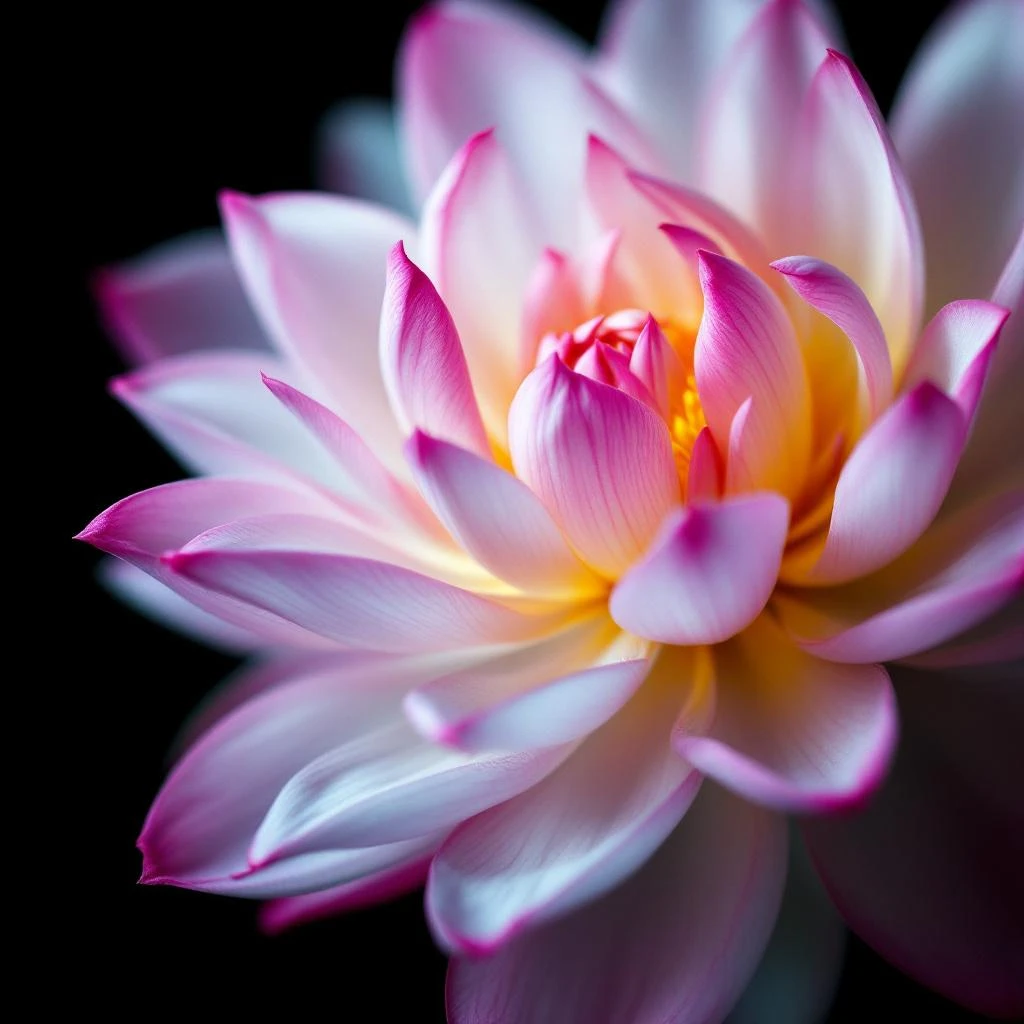
How it smells
The quiet elegance of sun-dried grain.
The same compound (2-acetyl-1-pyrroline) that gives basmati rice its signature aroma also defines rice blossom in perfumery.






Origin
China
Wild rice first grew in the Yangtze River basin of ancient China, where communities gathered it as early as 10,000 years ago. Domesticated rice cultivation spread across Asia within a few millennia, becoming a dietary cornerstone across Thailand, India, Japan, and Korea.
Perfumery adoption came much later. Japanese perfumers began exploring rice-derived materials in the twentieth century, inspired by the faint, sweet scent released when rice steams.
Western fragrance houses incorporated rice blossom notes later still, typically using them to convey softness, comfort, or skin-like warmth. Today, rice blossom symbolizes understated elegance in modern fragrance, favored for its subtlety in skin-scent and skin-adjacent constructions.
Wears it best
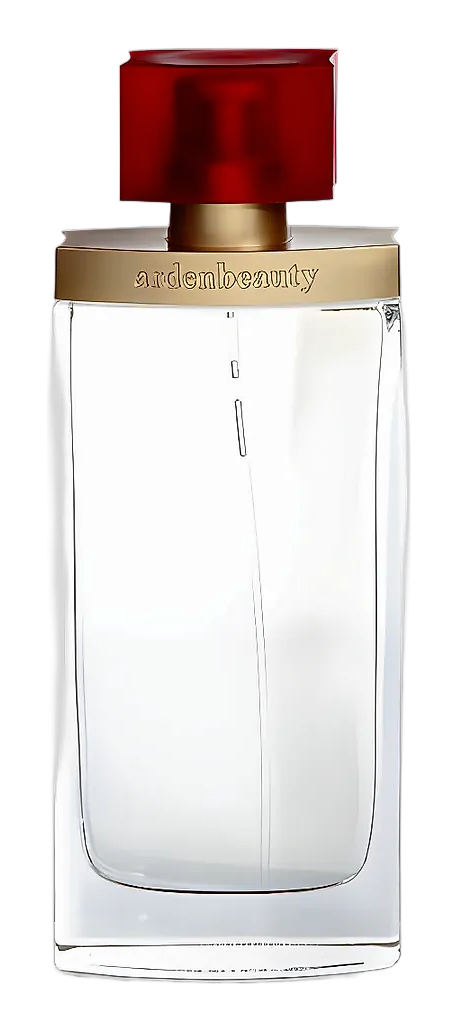
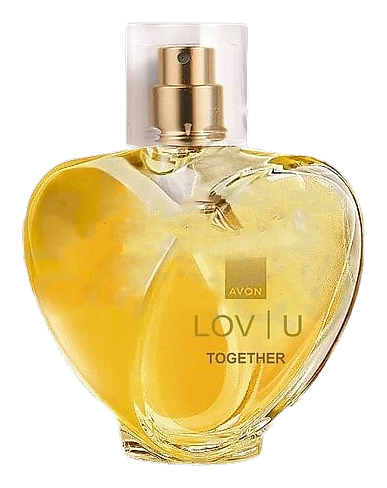
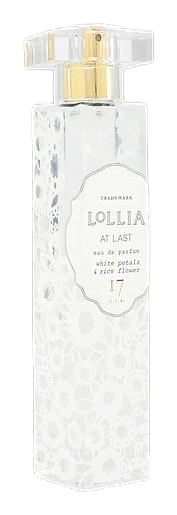
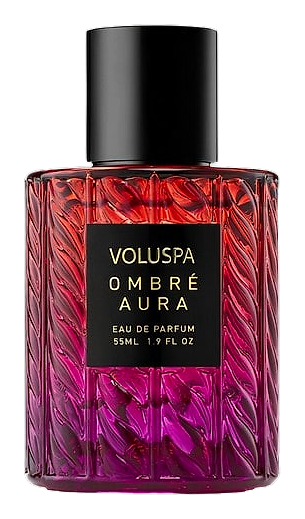
Fragrances featuring Rice Blossom

Brands
Brands known for Rice Blossom
Good to know
Questions, answered
The essentials on Rice Blossom in perfumery: how it smells, where it comes from, and how it behaves on skin.
What does rice blossom smell like?
Rice blossom smells powdery, gentle, and subtly sweet with a clean, warm character. It resembles the faint aroma of steamed basmati rice rather than a typical floral scent.
Is rice blossom a natural ingredient?
Commercially, rice blossom is almost always synthetic. Perfumers recreate the key aroma molecule (2-AP) through biotech fermentation, since natural rice flowers yield negligible aromatic material.
What fragrance families use rice blossom?
Rice blossom appears primarily in skin scents, musky florals, and soft oriental compositions. It adds warmth without weight, making it useful in clean fragrances and quiet intimate wear.
When did rice enter perfumery?
Rice-derived aroma materials entered fragrance formulation in the twentieth century, largely through Japanese perfumers exploring the scent of steamed rice. Western adoption followed later in minimalist modern compositions.
What molecule defines rice blossom?
2-acetyl-1-pyrroline (2-AP, CAS 85213-22-5) defines the characteristic scent. This same compound occurs naturally in fragrant rice varieties like basmati and jasmine, appearing when the grain heats or dries.
What notes pair well with rice blossom?
Rice blossom blends naturally with white musks, sheer florals like lily of the valley, and clean wood materials such as sandalwood. It also pairs with rice-based companions like rice milk or rice bran absolute.
How does rice blossom differ from rice grain scent?
Rice blossom captures the warm, drying-phase aroma of grain rather than raw uncooked rice. It emphasizes the fleeting sweetness released during cooking or sun-drying, which raw grain does not project.
Does rice blossom appear in natural perfumes?
Some natural perfumers use rice bran absolute or CO2 extracts, but these are uncommon. Most rice blossom notes in commercial fragrances rely on synthesized 2-AP or biotech-derived materials for consistency and yield.