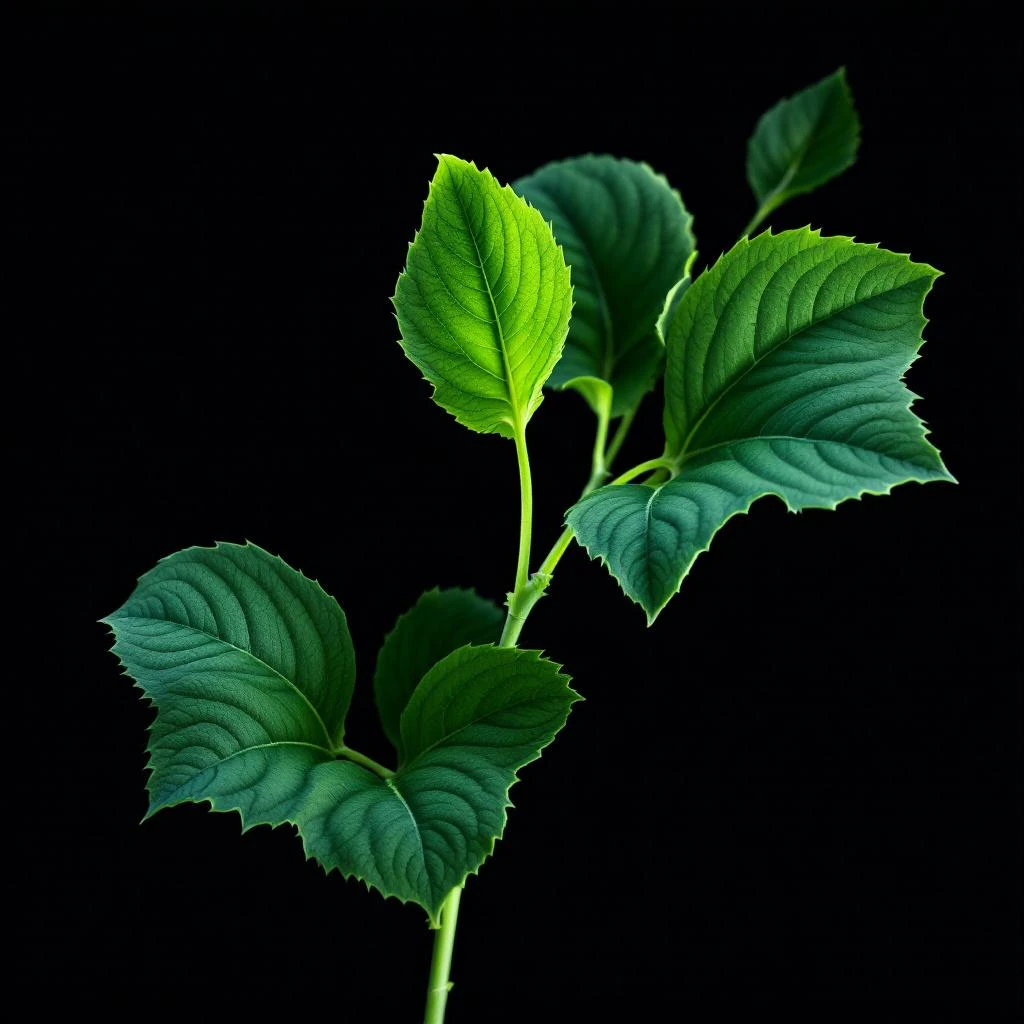
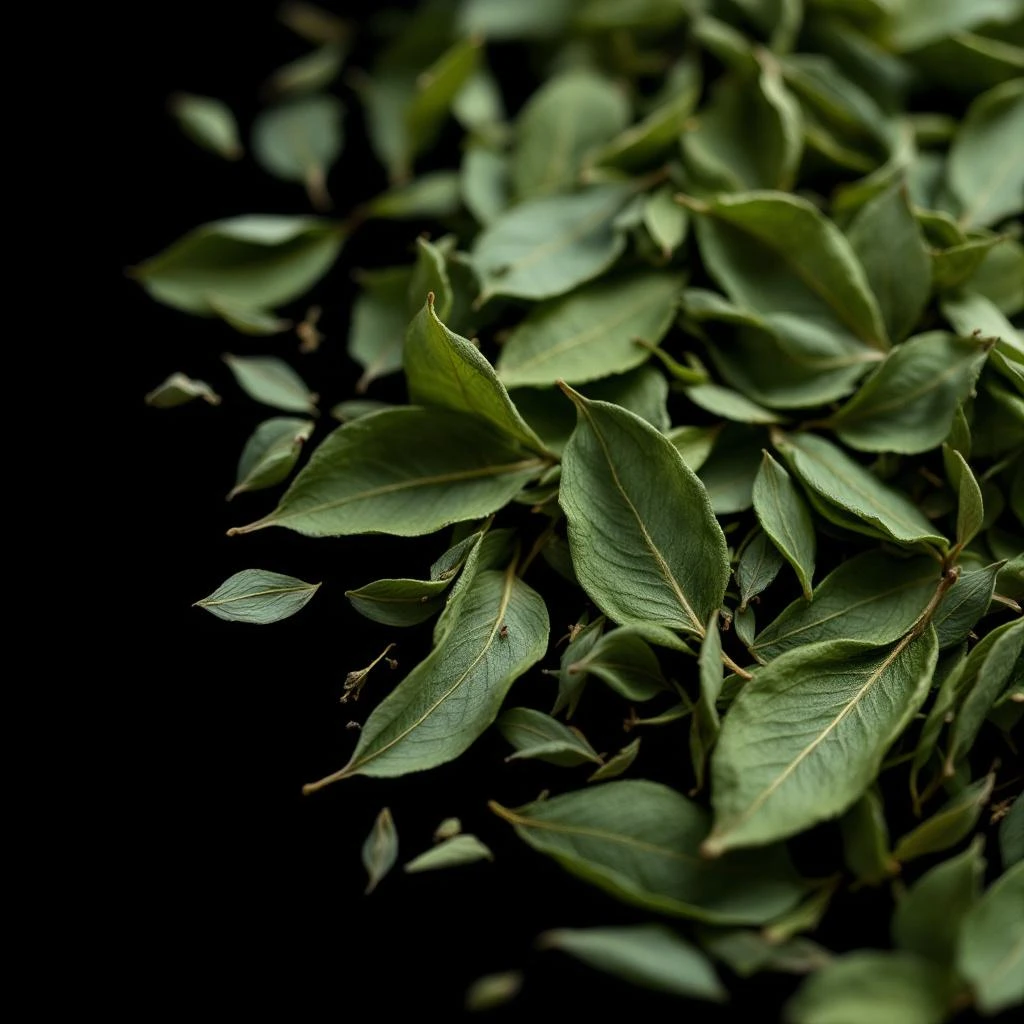
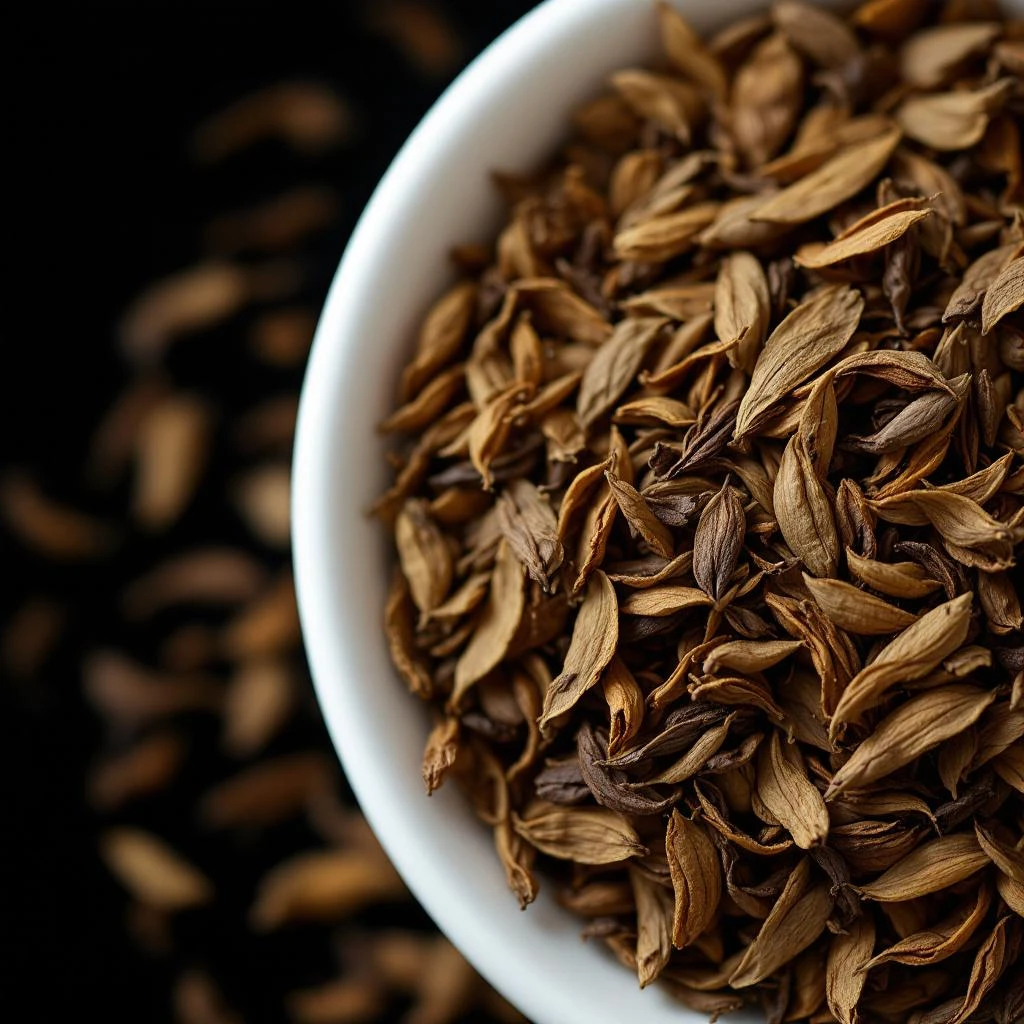
Rhododendron Leaf
Harvested from high-altitude Himalayan forests, Rhododendron leaf delivers a rare green-camphoraceous character to fragrance. This small-batch botanical remains one of perfumery's most elusive ingredients, prized for its mountain-fresh complexity.
Character
How it smells
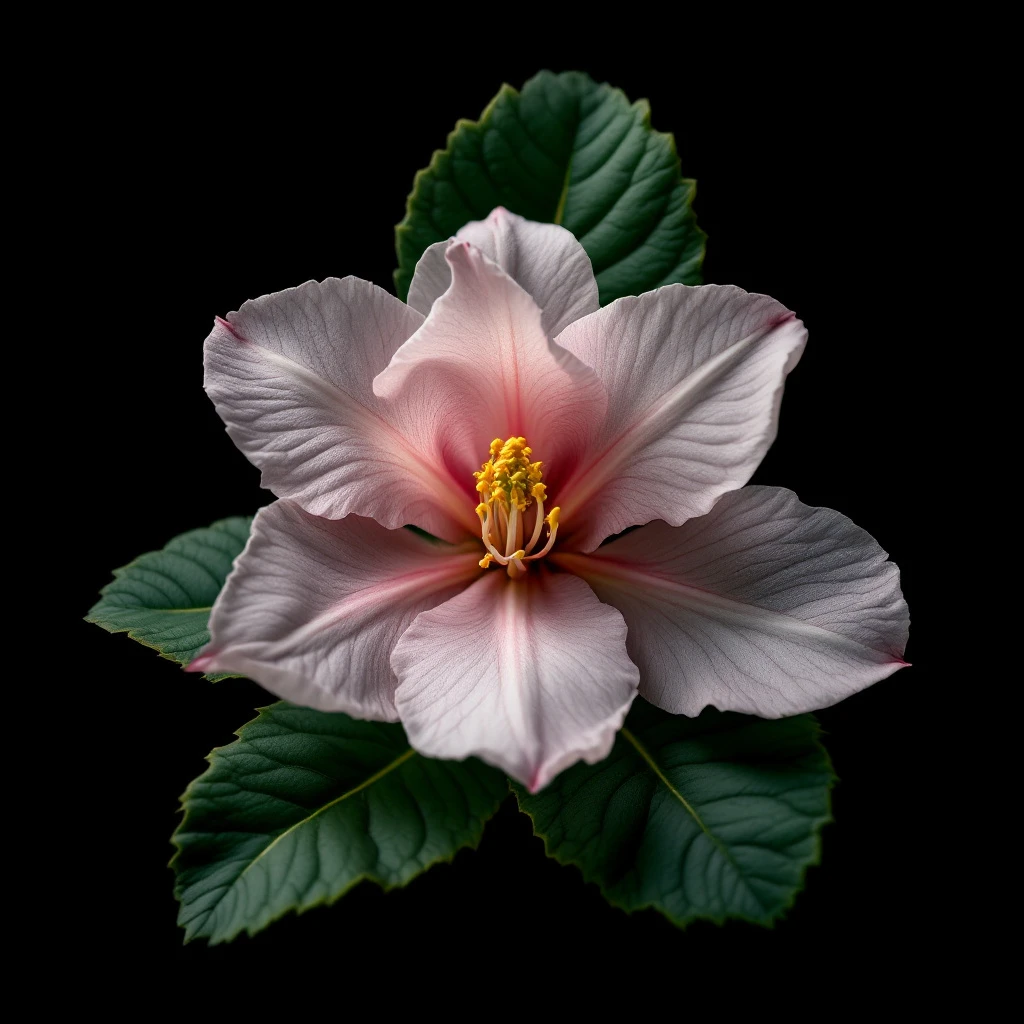
Mountain-gathered green with a rare, camphor edge
Fewer than 10 of the 1,000+ rhododendron species are used in perfumery, making this ingredient exceptionally uncommon in the industry.
Pairs beautifully with


Origin
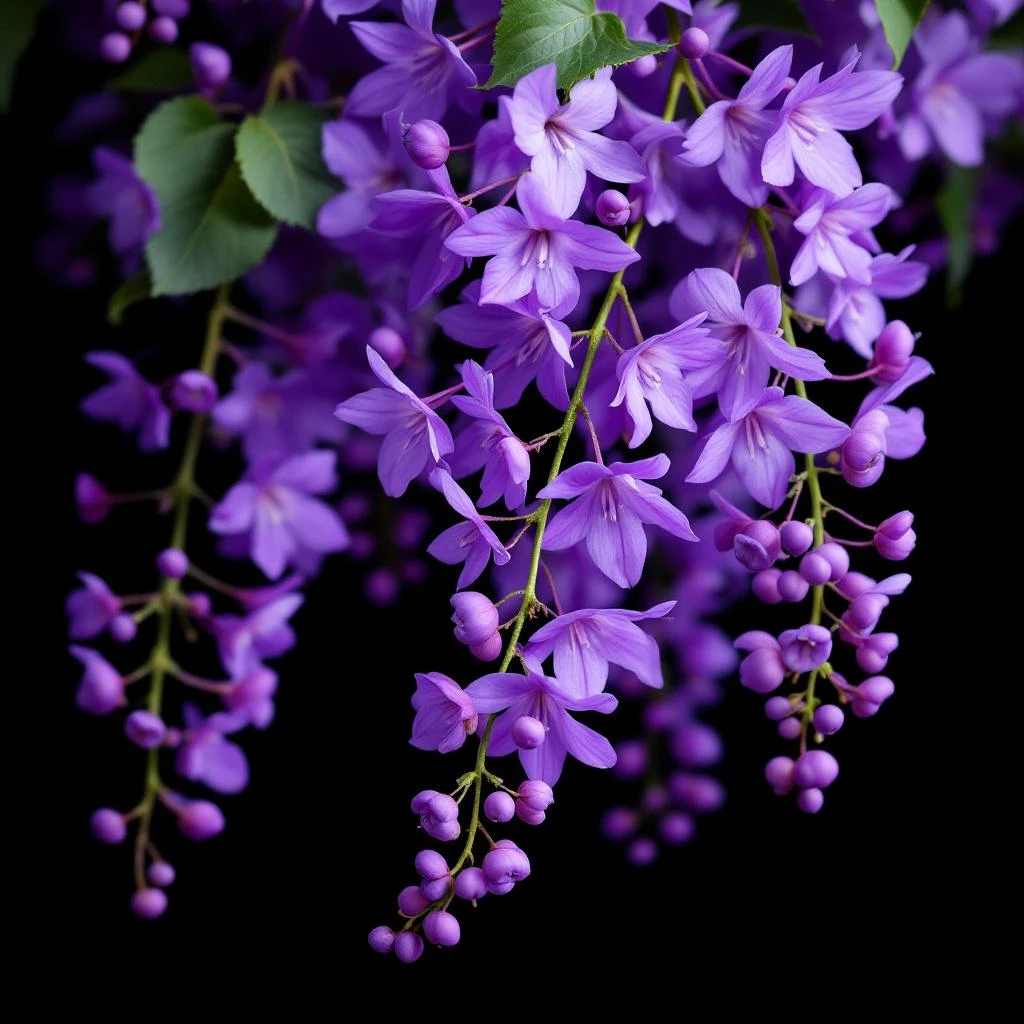
Nepal
For centuries, Himalayan communities burned rhododendron leaves as ceremonial incense, recognizing their aromatic properties long before Western perfumery existed. The plant held sacred status in Buddhist and indigenous traditions across Nepal, Bhutan, and Tibet, woven into rituals and medicinal practices.
European botanists documented rhododendron species during colonial-era expeditions to the Himalayas in the 1800s, though commercial perfumery applications emerged only recently. The discovery that Rhododendron anthopogon leaves yielded distinctive aromatic extracts sparked interest among natural perfumers seeking unusual mountain botanicals.
Today, sustainable wild-harvesting practices support local Himalayan communities while preserving this traditional relationship with the landscape. The ingredient carries genuine cultural weight, connecting modern fragrance to ancient mountain traditions.
Wears it best
Fragrances featuring Rhododendron Leaf

Brands
Brands known for Rhododendron Leaf
Good to know
Questions, answered
The essentials on Rhododendron Leaf in perfumery: how it smells, where it comes from, and how it behaves on skin.
What does Rhododendron Leaf smell like?
Rhododendron leaf delivers green, herbaceous notes with a subtle camphoraceous edge, reminiscent of mountain air and fresh pine needles. It adds natural, slightly medicinal freshness to fragrance compositions.
Is Rhododendron Leaf a natural or synthetic ingredient?
Rhododendron leaf is a natural ingredient. Steam distillation of Rhododendron anthopogon leaves and twigs from Himalayan sources produces the aromatic extract used in perfumery.
Why is Rhododendron Leaf so rare in fragrances?
Production remains limited to small-scale wild-harvesting operations in Nepal. The narrow species requirement and high-altitude sourcing constraints annual output to just a few kilograms.
What extraction method produces Rhododendron Leaf oil?
Steam distillation extracts essential oil from the leaves and twigs. Some producers also use multi-solvent extraction to capture different aromatic fractions of the plant material.
Which rhododendron species are used in perfumery?
Rhododendron anthopogon dominates commercial production, sourced from Himalayan forests. Rhododendron mucronulatum also appears in some perfume formulations, particularly in Korean and East Asian markets.
How does altitude affect Rhododendron Leaf quality?
Plants growing at 3,000 to 4,500 meters in the Himalayas develop higher concentrations of aromatic compounds as protection against intense UV exposure and temperature extremes.
What fragrance families use Rhododendron Leaf?
Chypre, fougère, and green fragrance families incorporate rhododendron leaf for its fresh, mountain-herb character. It works as a supporting note that reinforces natural, botanical imagery.
Does sourcing Rhododendron Leaf support sustainability?
Ethical wild-harvesting programs in Nepal train collectors in sustainable practices, limiting harvest to specific plant parts and seasonal windows to protect wild populations.