Red Liquorice
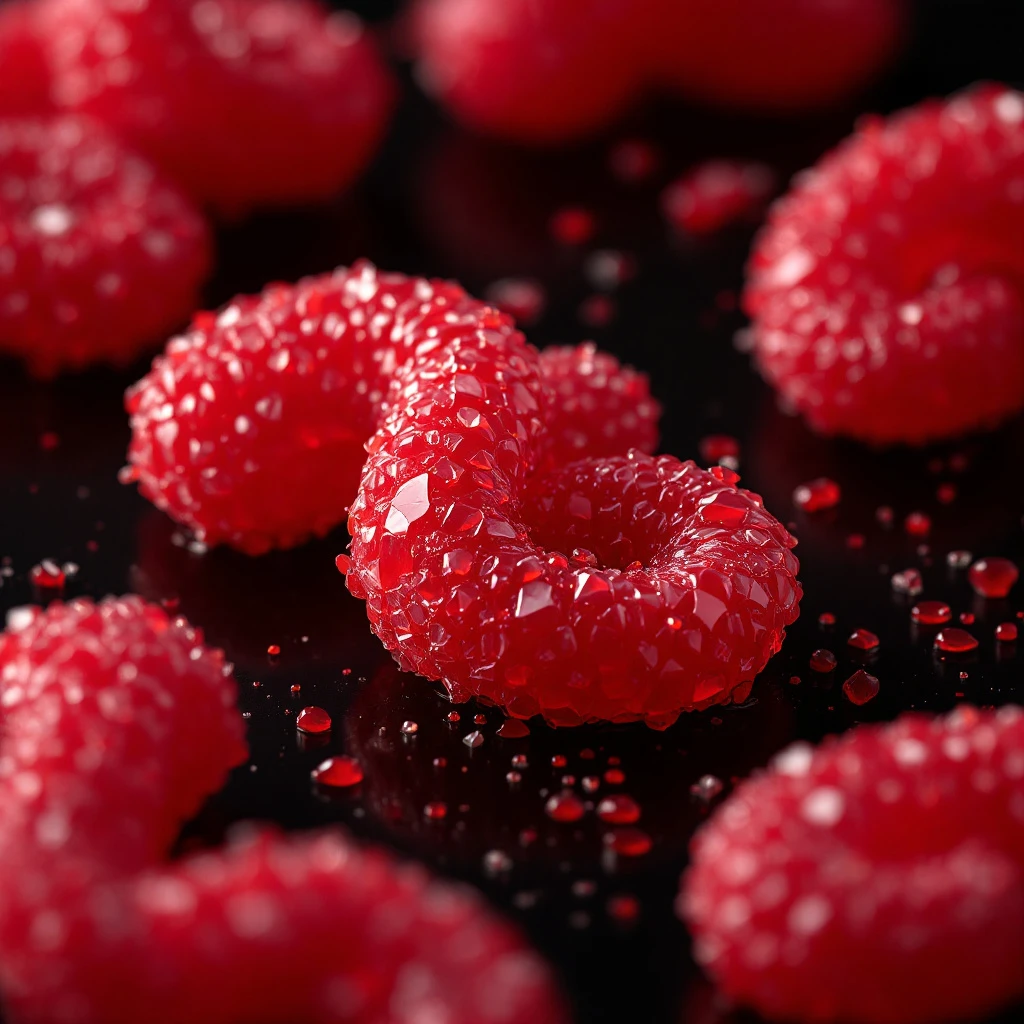
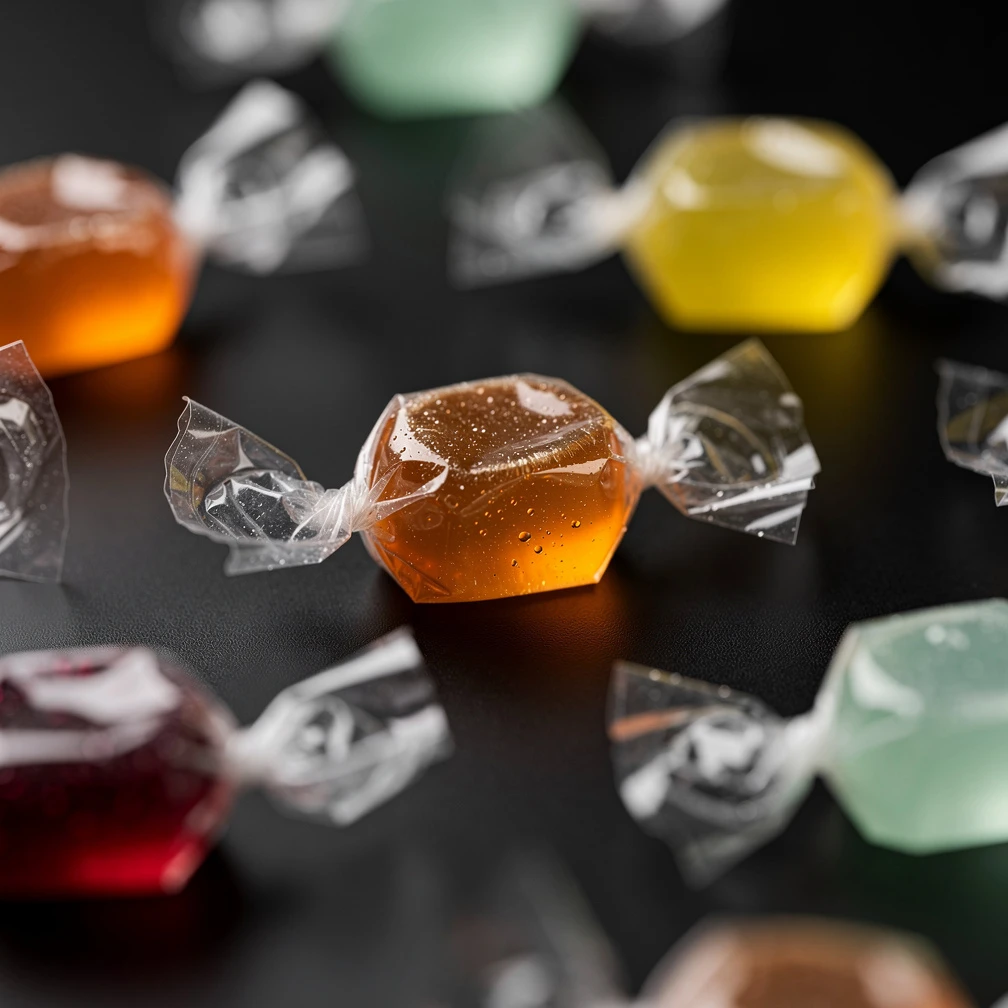
Red Liquorice captures the unmistakable sweetness of candied red licorice, blending bright cherry-like fruitiness with smooth vanilla warmth and a subtle anise undertone that lingers. This playful note transforms childhood nostalgia into sophisticated scent design.
Character
How it smells
Childhood candy reimagined as a fragrance art form.
Licorice root has been used medicinally for over 4,000 years, yet actual licorice flavoring was banned in American cigarettes in 2009 due to health concerns.






Origin
Mediterranean Region
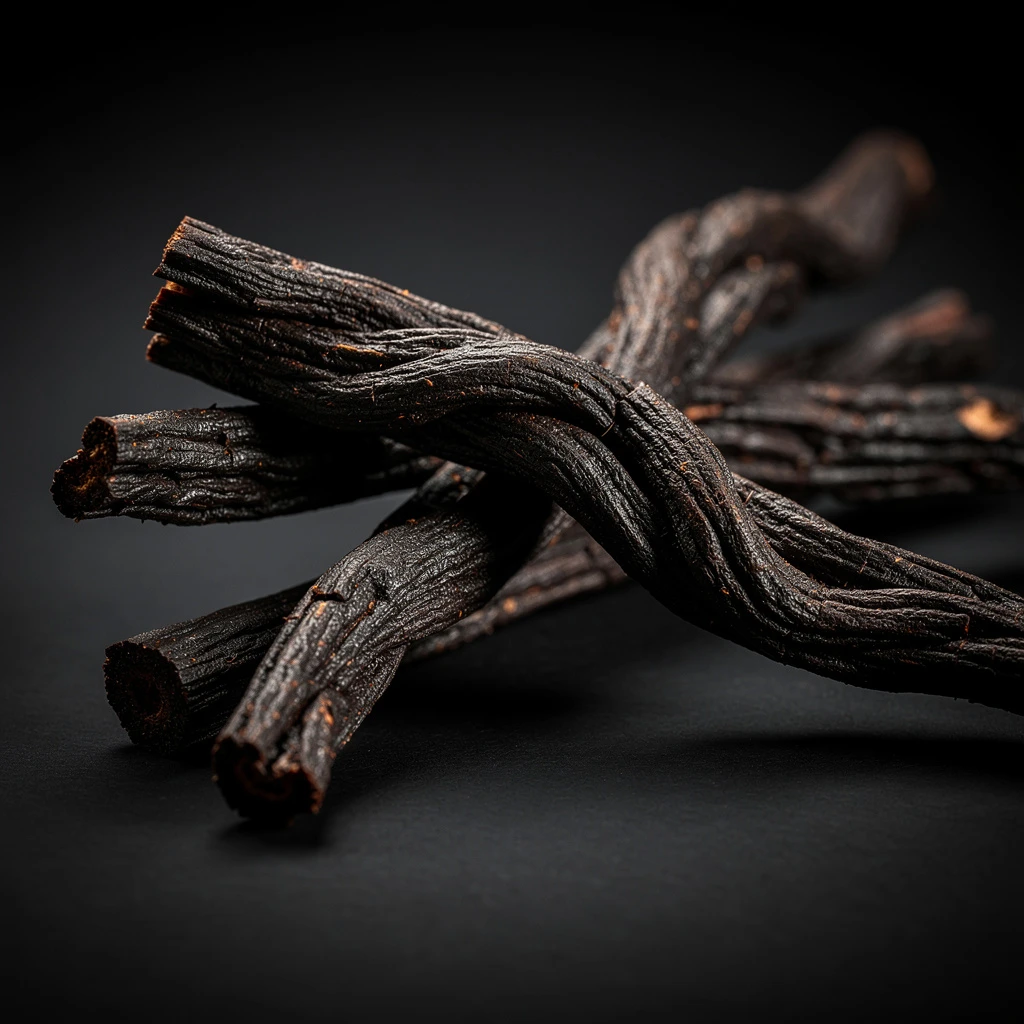
Licorice has ancient roots in Mediterranean and Middle Eastern medicine, where physicians used the root to treat coughs, digestive issues, and sore throats for millennia. The familiar black licorice candy emerged in England around the 16th century, but the bright red version appeared much later as confectionery technology advanced and food coloring became widely available in the 19th and 20th centuries. When perfumers began constructing edible, gourmand fragrance themes in the late 20th century, they looked to familiar comfort foods as inspiration.
Red Liquorice entered the perfumer's vocabulary as a way to evoke playfulness, warmth, and sensory nostalgia within fragrance compositions. The note gained particular popularity in the 2000s and 2010s as consumers embraced sweeter, more approachable fragrance profiles, making Red Liquorice a staple of fruity-gourmand perfumery.
Wears it best
Fragrances featuring Red Liquorice

Brands
Brands known for Red Liquorice
Good to know
Questions, answered
The essentials on Red Liquorice in perfumery: how it smells, where it comes from, and how it behaves on skin.
What does Red Liquorice smell like in perfume?
Red Liquorice smells like sweet, candied red licorice candy, combining bright cherry-like fruitiness with creamy vanilla warmth and a subtle anise undertone. It reads as playful, edible, and warmly nostalgic.
Is Red Liquorice a natural fragrance ingredient?
Red Liquorice is not a single natural material. Perfumers construct it as an accord by combining natural isolates and synthetic aromatics to reproduce the characteristic sweet, fruity character of red licorice candy.
Where does licorice root for perfumery come from?
Licorice root for perfumery primarily originates from the Mediterranean region, including countries such as Spain, Italy, Greece, and Turkey, where Glycyrrhiza glabra grows natively.
What fragrance families use Red Liquorice notes?
Red Liquorice appears most often in fruity and gourmand fragrance families. Perfumers pair it with notes like raspberry, cherry, strawberry, tonka bean, and benzoin to enhance its sweet, edible quality.
When did Red Liquorice become a recognized fragrance note?
Red Liquorice emerged as a named fragrance note in the late 20th and early 21st century, gaining prominence during the 2000s as fruity-gourmand fragrances grew in popularity with consumers.
Does Red Liquorice contain actual licorice?
A Red Liquorice accord may incorporate natural licorice-derived isolates for authenticity, but the characteristic aroma primarily comes from sweet synthetics like vanillin and heliotrope combined with fruity esters.
How long has licorice been used in perfumery?
Licorice in perfumery dates back centuries, with natural licorice extracts used historically. However, the playful Red Liquorice candy interpretation as a named fragrance note only developed in recent decades.
What perfumes feature Red Liquorice as a prominent note?
Red Liquorice appears as a prominent heart or top note in several contemporary fragrances, particularly in fruity-gourmand and candy-inspired lines released by niche and designer houses since the 2010s.