Raspberry Marshmallow
Bright fruit and velvet sweetness unite in one of perfumery's most playful modern accords. Raspberry Marshmallow layers the tangy brightness of fresh raspberry with a creamy, pillowy base to create a scent that feels both nostalgic and contemporary. Perfumers construct this note from separate aromatic molecules, blending fruity raspberry materials with sweet vanilla and lactone compounds to achieve its signature balance.
Character
How it smells
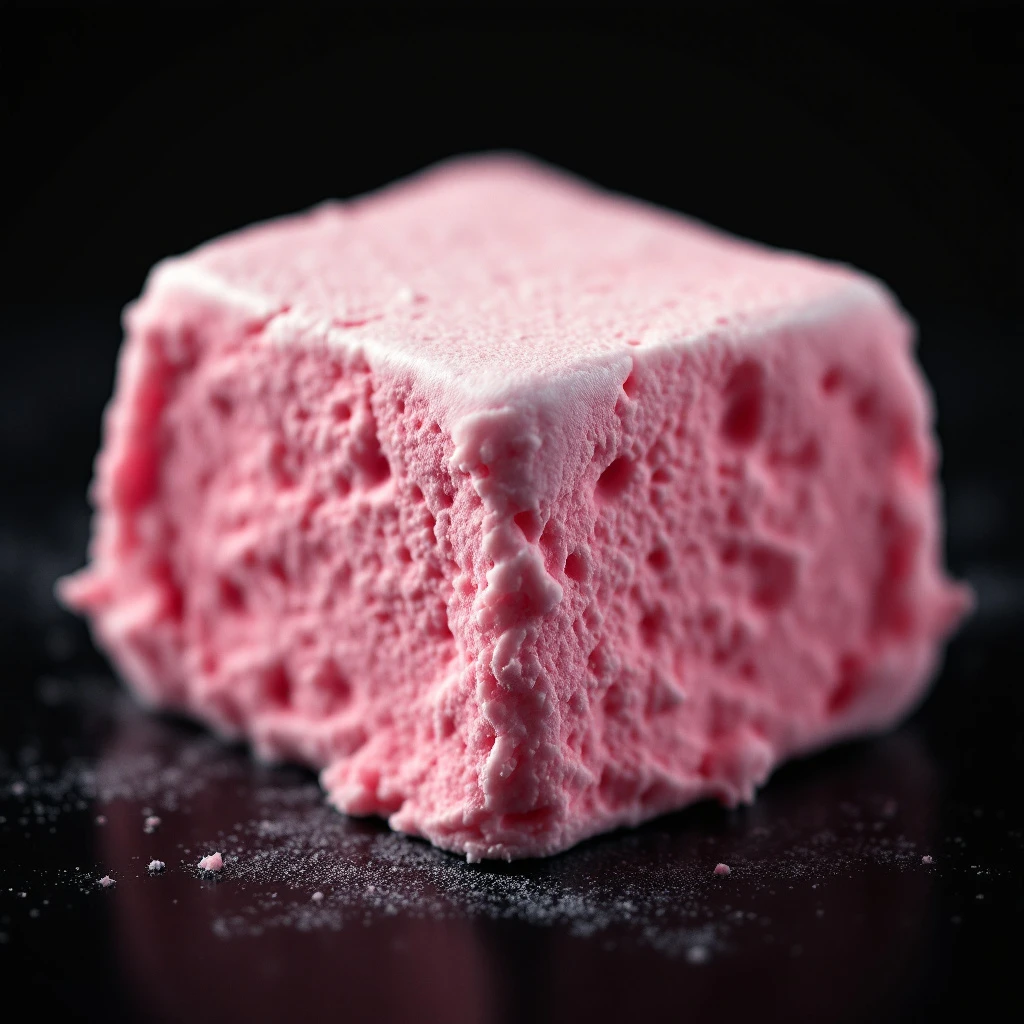
Bright berry meets cloud-soft sweetness.
The marshmallow note traces back to Althaea officinalis, a plant ancient Egyptians used for healing salves and sweet confections for centuries.


Origin
France
The marshmallow note in perfumery has ancient roots. Marshmallow candy originally came from the root sap of Althaea officinalis, a plant used by ancient Egyptians for both medicinal and culinary purposes. The root's mucilaginous quality gave confections their characteristic texture.
In perfumery, the marshmallow accord emerged in the 20th century when chemists learned to synthesize the compounds responsible for its creamy, sweet character. The raspberry-marshmallow combination gained popularity in the 1990s and 2000s as perfumers sought playful, accessible fragrances, particularly for women's and lifestyle categories. This blend marked a departure from traditional floral and chypre structures toward gourmand compositions that appealed to younger consumers.
French fragrance houses in Grasse developed these accords extensively, establishing the Raspberry Marshmallow combination as a contemporary classic. Today this note appears across luxury and accessible fragrance lines, demonstrating how modern perfumery balances innovation with respect for traditional craft.
Wears it best
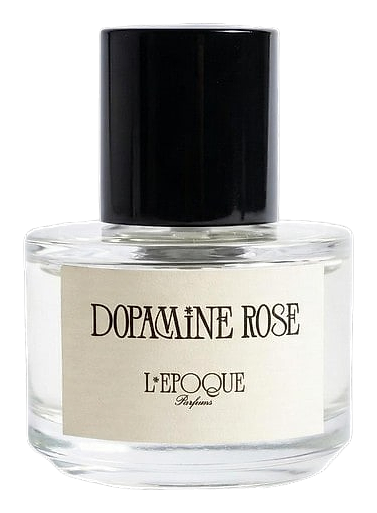
Fragrances featuring Raspberry Marshmallow
Good to know
Questions, answered
The essentials on Raspberry Marshmallow in perfumery: how it smells, where it comes from, and how it behaves on skin.
Is Raspberry Marshmallow a natural ingredient?
No. It's a synthetic composite note that perfumers construct by blending multiple aromatic molecules, including raspberry ketone, vanillin, and lactones. No single botanical source produces this accord.
What gives Raspberry Marshmallow its sweet character?
Vanillin and gamma-undecalactone provide the creamy, sweet marshmallow foundation. Vanillin delivers vanilla-like warmth while gamma-undecalactone contributes coconut-butter notes, balancing the tartness of the raspberry elements.
When did this note become popular in perfumery?
The raspberry-marshmallow combination gained traction in the late 1990s and early 2000s as part of the broader gourmand fragrance trend. French houses in Grasse established it as a modern classic during this period.
Can Raspberry Marshmallow be found in natural fragrances?
No. The precise balance between fruity brightness and sweet creaminess requires synthetic chemistry. Natural raspberry lacks the longevity and consistency this composite accord achieves.
How long does this note typically last on skin?
As a heart-to-base note, it generally persists for several hours. The marshmallow foundation provides longevity while the raspberry elements offer initial brightness that fades within the first hour.
What fragrance families pair well with Raspberry Marshmallow?
It complements florals, orientals, and fruity chypres. The sweet-creamy character adds a modern, playful dimension to traditional structures and works particularly well with rose, jasmine, and amber bases.
Is this note considered gender-neutral?
While often used in women's fragrances, it appears across gender categories in contemporary perfumery. Its playful character has made it popular in unisex and masculine lines as well.
Why is France associated with this note's development?
French fragrance houses in Grasse pioneered the modern marshmallow accord in perfumery, establishing the Raspberry Marshmallow combination as a contemporary classic now found in both luxury and accessible fragrance lines worldwide.