Raspberry Ice Cream
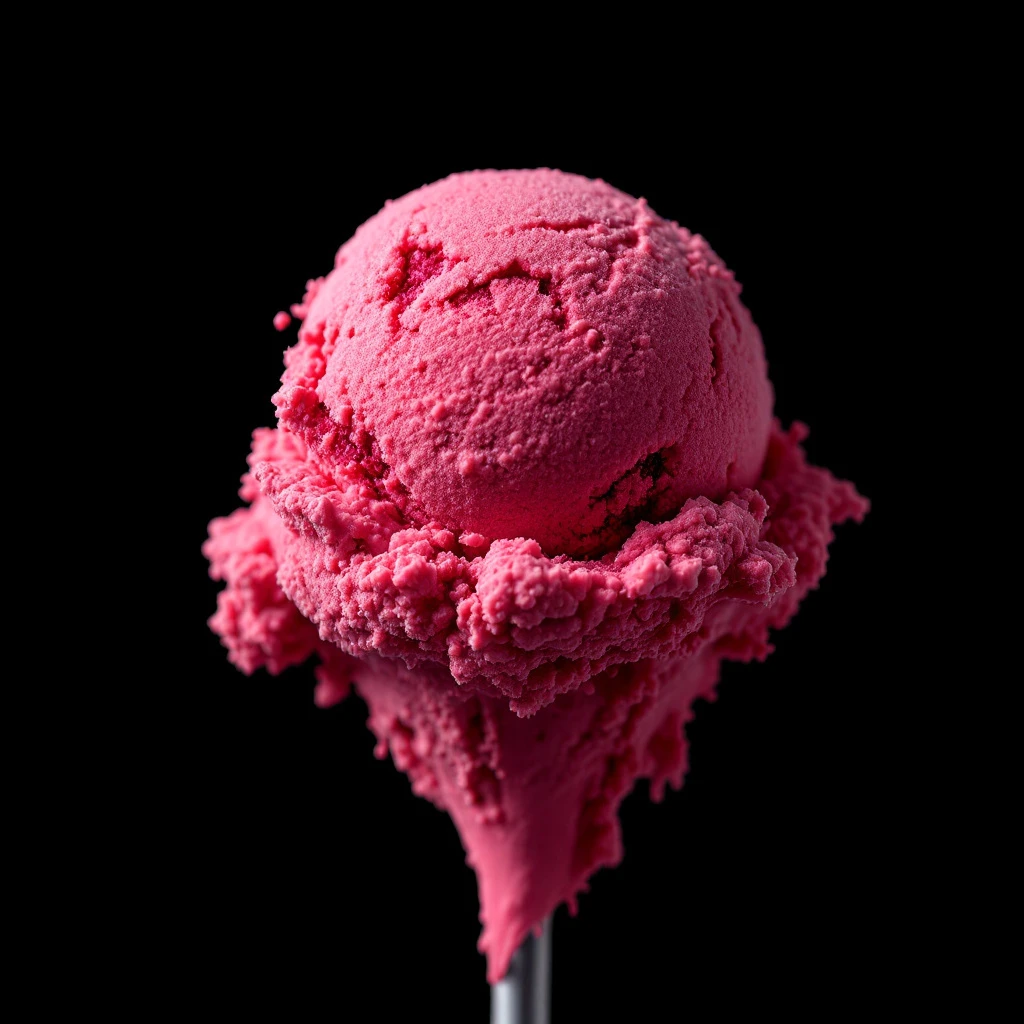
Raspberry ice cream captures a gourmand fantasy: chilled berry sweetness wrapped in creamy vanillic warmth. In perfumery, this accord evokes frozen desserts, pink-tinted nostalgia, and the confectionery counter of an old-fashioned parlor.
Character
How it smells
Spoon-licked berries in a frozen swirl
Castoreum, a secretion from beaver castor sacs, smells pungent raw yet reads as vanilla-raspberry when diluted, and has been used to reinforce creamy-berry notes.
Pairs beautifully with
Origin
Switzerland
The fantasy of raspberry ice cream as a wearable scent belongs firmly to twentieth-century perfumery, born after the 1868 synthesis of coumarin and the 1874 industrial production of vanillin opened the door to confectionery accords. Raspberry ketone itself was isolated in 1903 and commercialized decades later as a synthetic fruit base.
Creamy-berry compositions gained popularity in the late 1970s and 1980s gourmand wave, when perfumers began treating edible flavors as serious artistic material rather than novelty. The category matured further with the introduction of ethyl maltol in the 1990s, which amplified sugary, candy-shop warmth.
A historical curiosity endures in this space: castoreum, harvested from beaver castor sacs, was once a standard fixative in fruity-vanilla bases before regulatory and ethical shifts pushed most houses toward synthetic substitutes. Raspberry ice cream today sits within a broader gourmand tradition that traces back to Mesopotamian perfumery, where resin and oil infusions first captured scent for human pleasure over three millennia ago.
Wears it best
Fragrances featuring Raspberry Ice Cream
Brands
Brands known for Raspberry Ice Cream
Good to know
Questions, answered
The essentials on Raspberry Ice Cream in perfumery: how it smells, where it comes from, and how it behaves on skin.
What does raspberry ice cream smell like in perfume?
A sweet, creamy accord blending fresh berry tartness with vanilla, lactic dairy warmth, and sugary caramel undertones. It reads as cold, confectionery, and nostalgic, evoking scooped gelato rather than fresh fruit.
Is raspberry ice cream a natural or synthetic fragrance note?
It is built synthetically. The raspberry facet relies on raspberry ketone, first isolated in 1903, layered with vanillin, lactones, and ethyl maltol. No single botanical source delivers the full accord.
How is the raspberry ice cream accord made?
Perfumers combine raspberry ketone with creamy bases like gamma-undecalactone and vanillin, then add ethyl maltol for caramelized sugar depth. Cooling agents such as menthyl lactate provide the frozen sensation.
When did gourmand fragrances become popular?
Gourmand scents surged in the late 1970s and 1980s, following decades of synthetic aroma-chemical development that began with vanillin production in 1874 and raspberry ketone isolation in 1903.
Does raspberry ice cream perfume contain animal ingredients?
Most modern versions are fully synthetic. Historically, castoreum tincture was used in fruity-vanilla bases for its warm, leathery vanilla-raspberry character, though ethical sourcing has largely eliminated it.
Which fragrance families feature raspberry ice cream?
It belongs primarily to the gourmand family, often intersecting with fruity and sweet oriental categories. It pairs commonly with tonka, sandalwood, and cotton-candy bases.
What is raspberry ketone?
A synthetic aroma compound first isolated from raspberries in 1903. It provides the characteristic sweet, jammy berry note found across confectionery-inspired perfumery.
Is raspberry ice cream safe in fragrance?
Yes, the synthetic materials used, including raspberry ketone, vanillin, and lactones, are approved for cosmetic use by IFRA guidelines at standard perfumery concentrations.





