Rapeseed
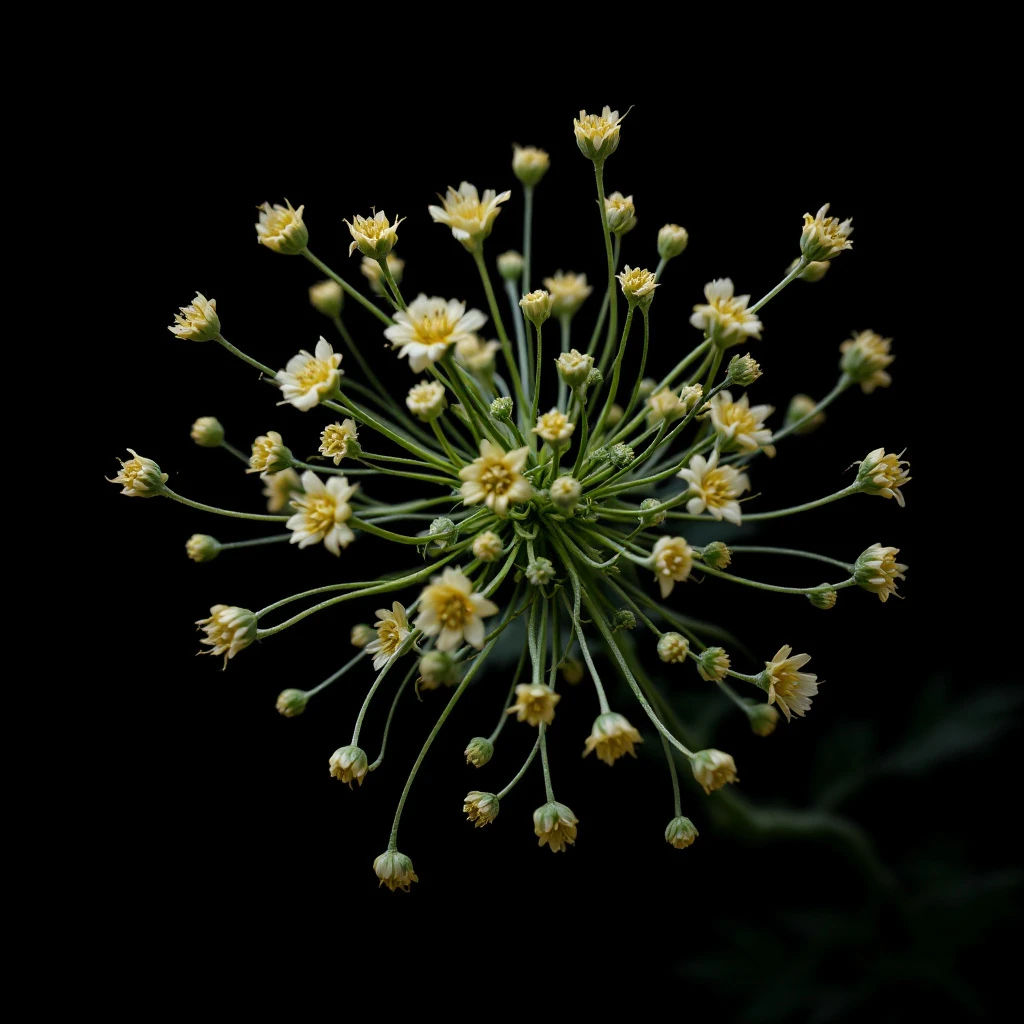
Golden fields in bloom, a fleeting sweetness. Rapeseed absolute captures spring's essence—a soft, green-floral aroma that brings the countryside to the bottle. Understated yet distinctive, it evokes the moment before summer heat settles over fields.
Character
How it smells
Spring meadows captured in an absolute
Bees produce distinctively flavored honey from rapeseed flowers, which first drew perfumers' attention to the plant's aromatic potential.
Pairs beautifully with

Origin
France
Rapeseed has been cultivated in the Mediterranean region since antiquity, though primarily for its oil-rich seeds rather than fragrance. The plant's bright yellow flowers have long signaled the arrival of spring across European landscapes. Beekeepers observed centuries ago that honey produced from rapeseed nectar carried a distinctive flavor, which inadvertently introduced the plant's aroma to human awareness.
Perfumers began experimenting with rapeseed absolute in the mid-20th century as interest grew in capturing unique botanical scents beyond traditional florals like rose or jasmine. Today, rapeseed cultivation spans the cooler regions of Europe and Canada, with France and Germany leading production for both culinary and fragrance applications.
Wears it best
Fragrances featuring Rapeseed
Brands
Brands known for Rapeseed
Good to know
Questions, answered
The essentials on Rapeseed in perfumery: how it smells, where it comes from, and how it behaves on skin.
What does rapeseed absolute smell like?
Rapeseed absolute has a sweet, green-floral scent reminiscent of fresh-cut grass and honey. It carries undertones of hay and a subtle vegetable-like quality that evokes spring meadows in bloom.
Is rapeseed the same as the oil used in cooking?
No. Rapeseed fragrance is extracted from the flowers, not the seeds. Culinary rapeseed oil comes from pressed seeds and lacks the aromatic compounds found in the blooms.
Is rapeseed a common fragrance ingredient?
Rapeseed absolute is considered a specialty ingredient. It appears in select fine fragrances, particularly those designed to evoke fresh, natural, or green character notes.
What gives rapeseed its characteristic scent?
The scent derives from a combination of volatile compounds including fatty acid derivatives and trace floral constituents. These molecules are delicate and dissipate quickly, which is why extraction must occur immediately after harvest.
Does rapeseed absolute work well with other ingredients?
It blends naturally with other green notes like galbanum and violet leaf, as well as honey-associated materials such as beeswax absolute. It serves as a subtle bridge between fresh and sweet fragrance families.
Is rapeseed a sustainable fragrance material?
European rapeseed cultivation benefits from established agricultural infrastructure. The flowers are typically harvested as a secondary product alongside the main seed crop, making efficient use of existing farmland.
How long has rapeseed been used in perfumery?
Fragrance use of rapeseed absolute began in the mid-20th century, making it a relatively recent addition to the perfumer's palette compared to traditional materials like frankincense or rose.
What type of fragrances typically contain rapeseed?
It appears most often in fresh, natural-themed fragrances and green chypre compositions. Perfumers also use it to add authenticity to countryside or nature-inspired fragrance concepts.