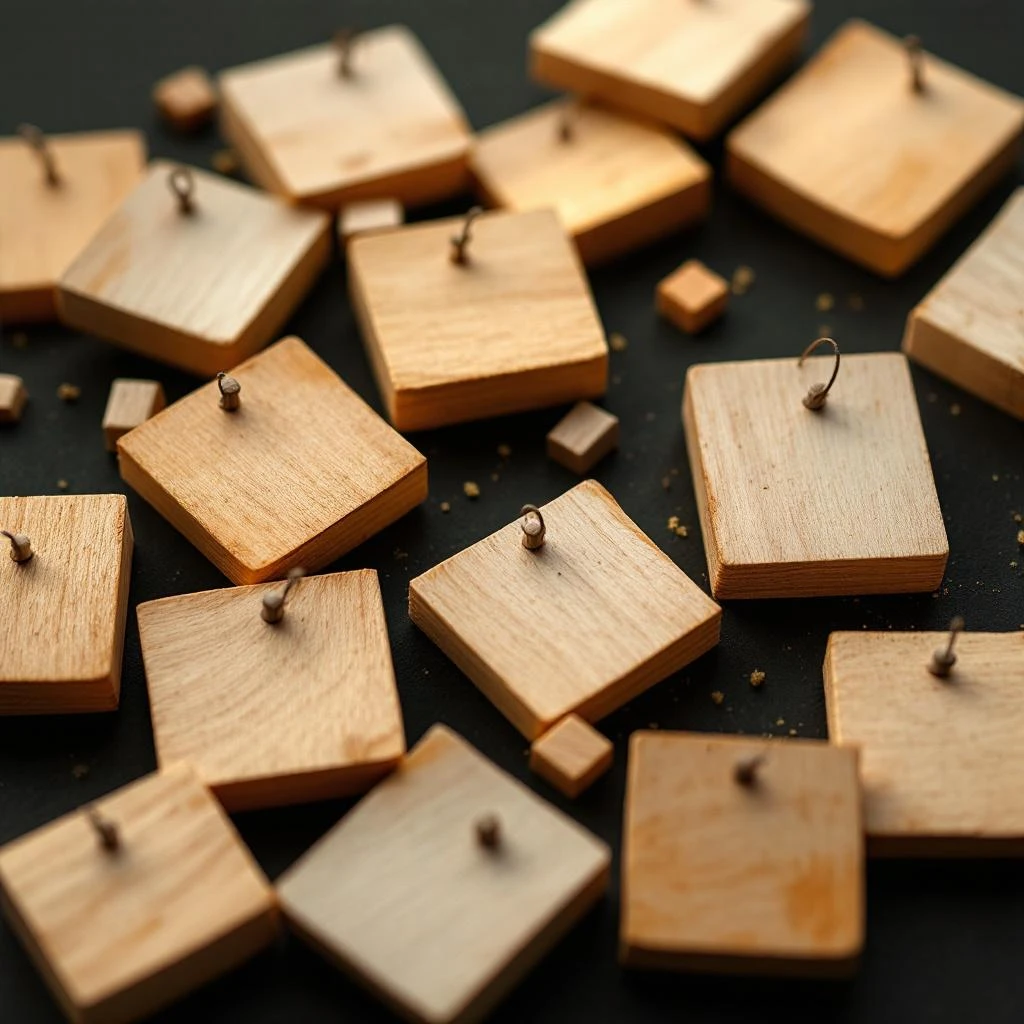
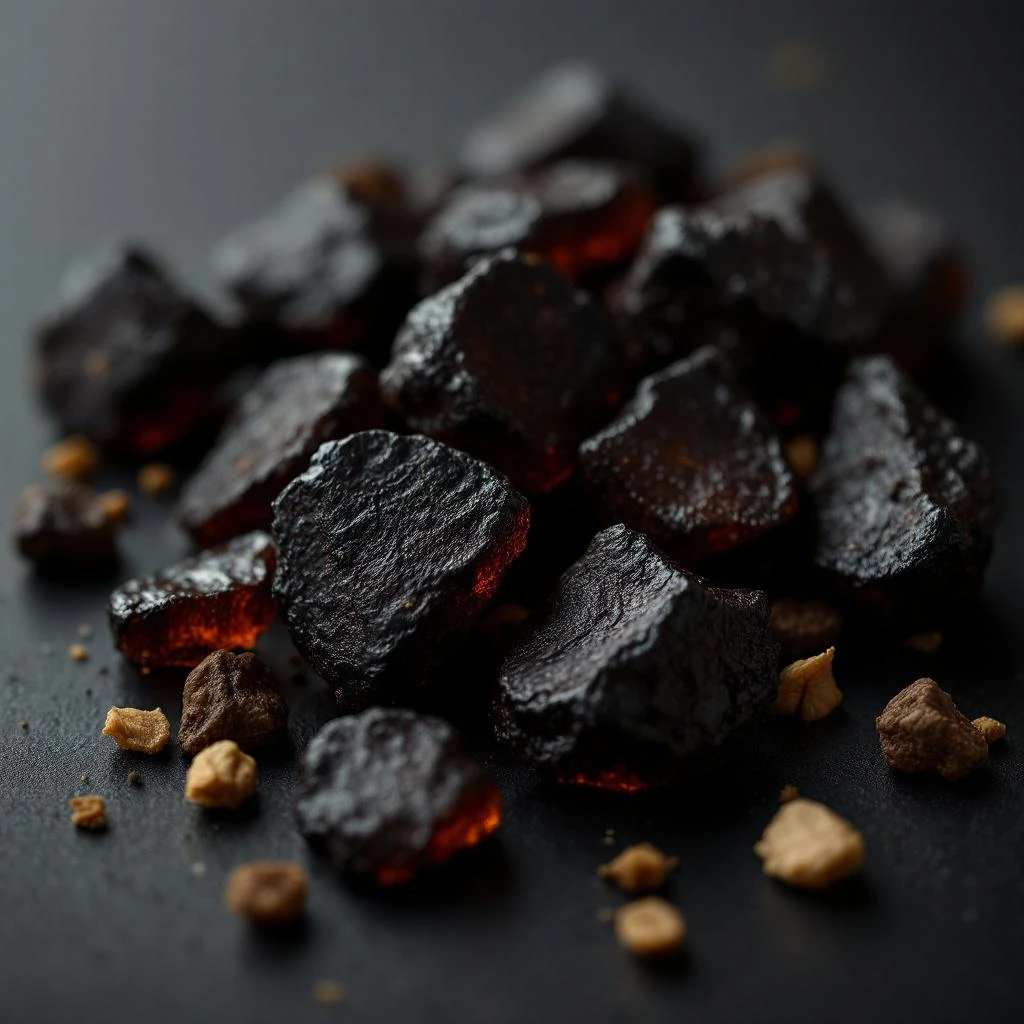
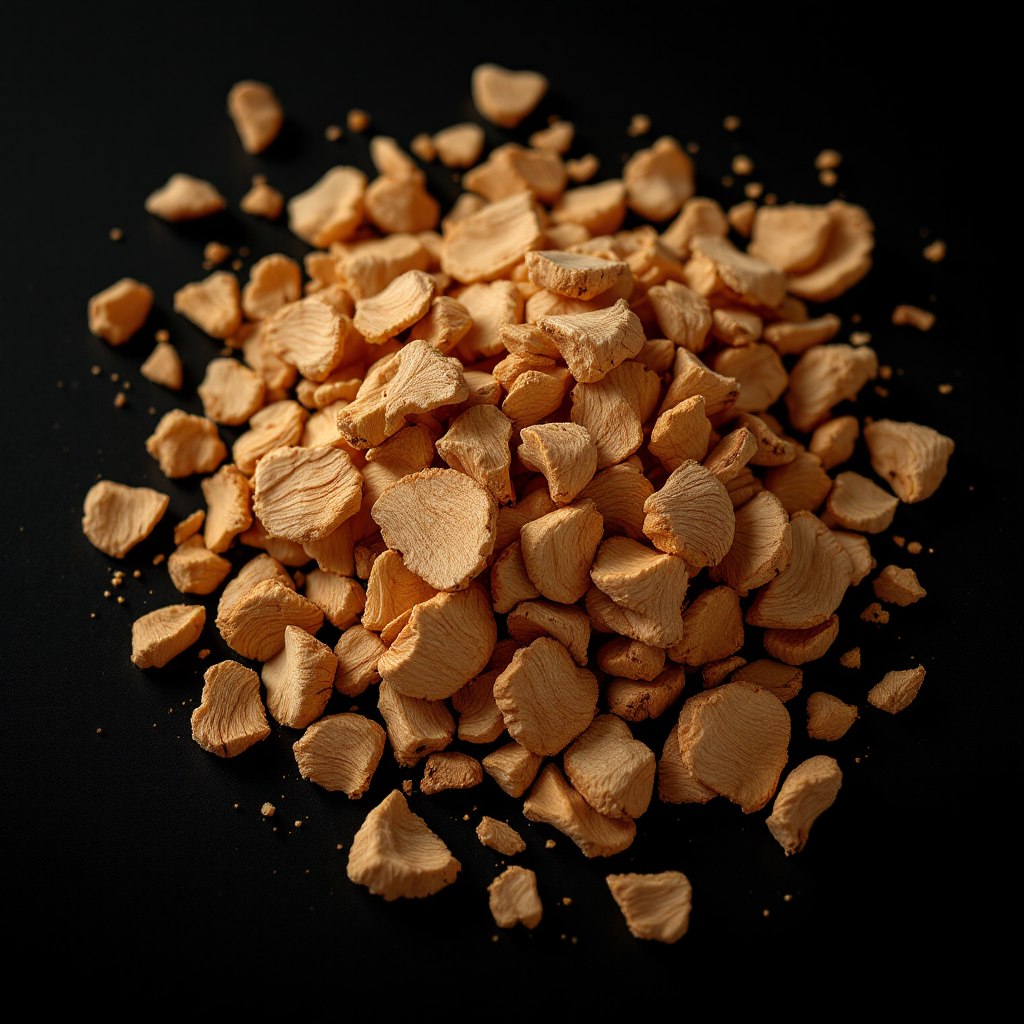
Preciosa Wood
Preciosa Wood anchors bold compositions with a dense, smoky dryness that recalls scorched earth and old libraries. This rare note brings gravitational warmth and a quietly leathery edge to modern fragrance architecture.
Character
How it smells
Smoke-carved depth from a near-mythic timber.
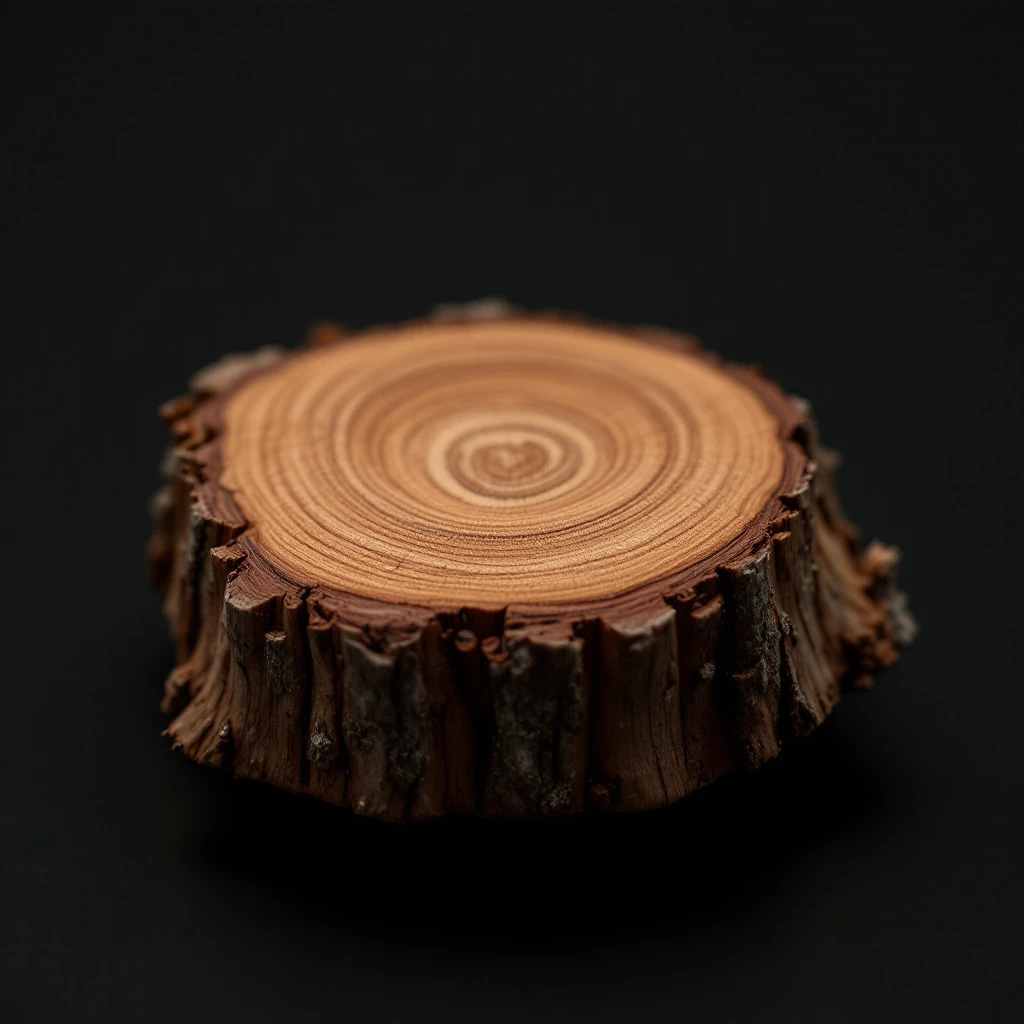
Preciosa Wood comes from trees so scarce that perfumers often rely on lab-created reconstructions to capture its resinous, tar-like warmth.
Pairs beautifully with

Origin
Southeast Asia
Woods with the smoky gravity attributed to Preciosa have threaded through incense and ritual fragrance for centuries, burned in temples and apothecaries long before they appeared in fine perfumery. The raw material tradition traces back to early trade routes linking Southeast Asia, the Indian subcontinent, and the Arabian Peninsula, where resinous heartwoods ranked among the most precious aromatic commodities. When modern perfumery formalized in the late nineteenth century, these woods inspired a generation of warm, smoky base accords that grounded florals, spices, and amber compositions.
The contemporary note known as Preciosa Wood often draws on this heritage, sometimes paired with oud-style profiles for added depth. Its recent rise reflects perfumers' appetite for notes that feel ancient, weathered, and architectural, an echo of firelit spaces translated into a single, resonant base.
Wears it best
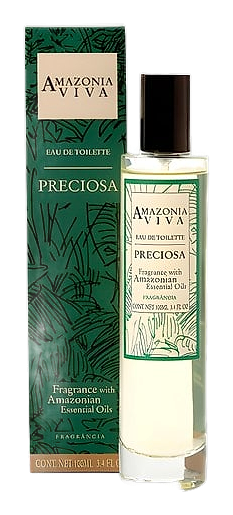
Fragrances featuring Preciosa Wood
Brands
Brands known for Preciosa Wood
Good to know
Questions, answered
The essentials on Preciosa Wood in perfumery: how it smells, where it comes from, and how it behaves on skin.
What does Preciosa Wood smell like?
Preciosa Wood smells smoky, dry, and resinous, with tarry warmth and a faint leathery edge. It reads as dense and grounding rather than sweet, often compared to scorched wood or aged incense.
Is Preciosa Wood a natural or synthetic note?
Natural Preciosa Wood exists but is scarce and costly. Most modern fragrances use synthetic reconstructions that replicate its smoky, phenolic character for greater supply stability.
Where does Preciosa Wood come from?
True Preciosa Wood traces to select tropical hardwoods across Southeast Asia, where mature trees develop resin-rich heartwood prized for aromatic extraction.
How is Preciosa Wood extracted?
Producers harvest resinous heartwood, shred it, and pass high-pressure steam through the material. The vapor carries off aromatic compounds, which condense into a dark, viscous essential oil.
What fragrances use Preciosa Wood?
It anchors woody, smoky, and oriental compositions where perfumers want gravity and warmth. Look for it in niche releases emphasizing leather, incense, or burnt-wood facets.
How does Preciosa Wood compare to oud?
Both share smoky, resinous depth, but oud leans more animalic and barn-like, while Preciosa Wood reads drier, with tarry, almost phenolic edges and less fecal warmth.
Is Preciosa Wood sustainable?
Sustainability depends on sourcing. Wild harvest of tropical heartwoods raises concerns, so many houses rely on synthetic versions or certified plantations to reduce pressure on old-growth forests.
Why is Preciosa Wood considered rare?
Genuine material requires decades-old trees, low oil yield per tree, and slow extraction cycles. This combination of slow growth and limited supply keeps natural Preciosa Wood among perfumery's scarcer woody notes.