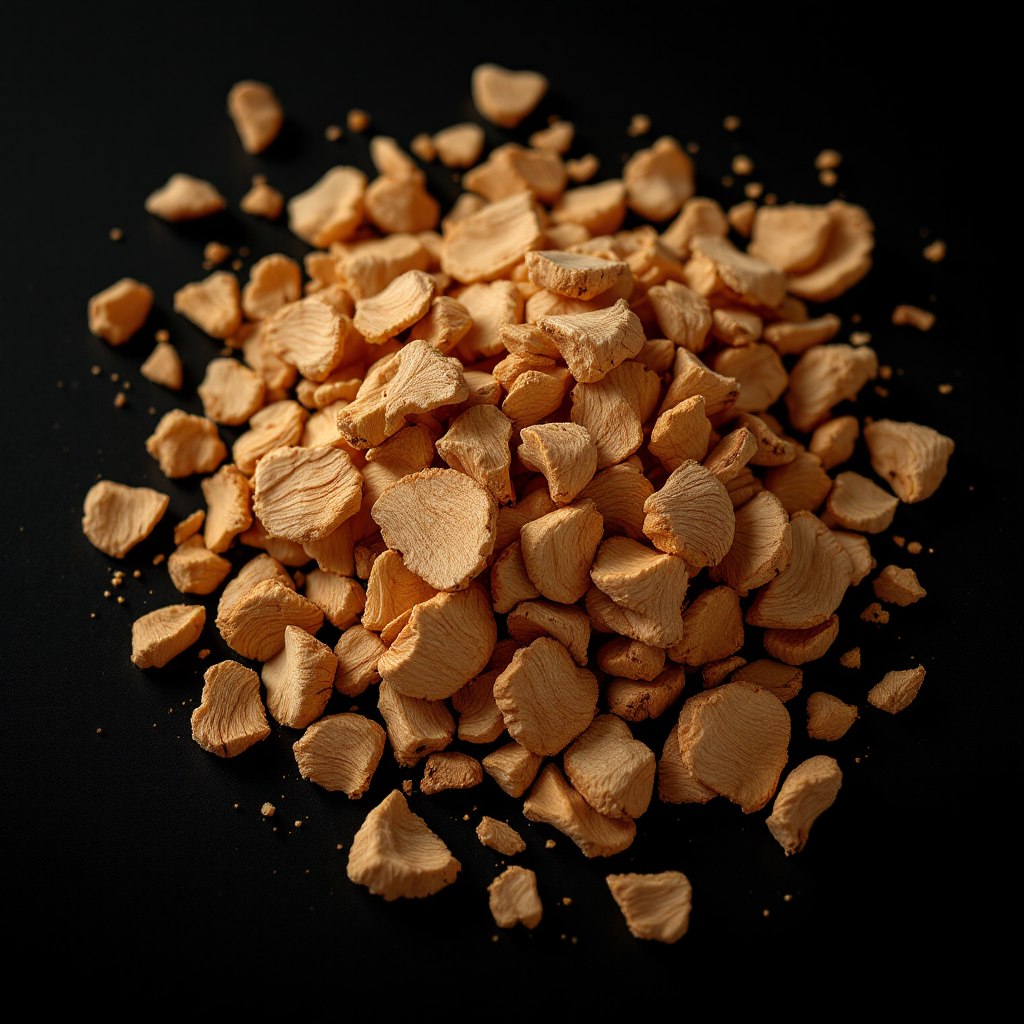
Polysantol
Polysantol is a synthetic sandalwood accord that captures the creamy, woody depth of Mysore sandalwood without the ecological cost. One of perfumery's most effective and long-lasting sandalwood replacers.
Character
How it smells
Synthetic sandalwood that outlasts the real thing
Polysantol can cling to skin for over 8 hours, often outperforming natural sandalwood essential oil in substantivity.





Origin
India
Sandalwood has anchored Indian perfumery and sacred traditions for over 2,500 years, its dense heartwood yielding the treasured aromatic oil through centuries of steam distillation. By the late 20th century, centuries of heavy harvesting pushed genuine Mysore sandalwood toward rarity, driving prices steeply upward and prompting international trade restrictions.
Fragrance chemists responded by developing synthetic alternatives that could replicate sandalwood's sensory profile without depleting wild populations. Polysantol emerged from this movement, offering perfumers a sustainable tool that captures sandalwood's warmth and creaminess while honoring the ingredient's rich heritage.
Today it appears across fine fragrances, personal care, and household products as both a primary note and a fixative backbone. The synthetic approach represents a broader shift in modern perfumery toward olfactory creativity unconstrained by botanical scarcity, while still honoring the timeless appeal of sandalwood that first inspired Arabian alchemists and Indian artisans alike.
Wears it best
Fragrances featuring Polysantol
Brands
Brands known for Polysantol
Good to know
Questions, answered
The essentials on Polysantol in perfumery: how it smells, where it comes from, and how it behaves on skin.
What exactly is Polysantol?
Polysantol is a synthetic fragrance compound engineered to replicate natural sandalwood's warm, creamy, woody aroma. It provides consistent sandalwood character without relying on increasingly scarce natural sandalwood oil.
Why do perfumers choose synthetic sandalwood like Polysantol?
Natural sandalwood faces severe supply constraints due to overharvesting and international trade restrictions. Polysantol offers a sustainable, cost-effective alternative with reliable quality and availability.
How does Polysantol differ from natural sandalwood essential oil?
Natural sandalwood oil varies by harvest season, geographic origin, and extraction batch. Polysantol delivers identical molecular structure every time, ensuring consistent scent and performance across formulations.
Is Polysantol safe for skin application?
Regulatory bodies including IFRA and RIFM have approved Polysantol for cosmetic and fragrance use. Always patch-test new products containing this or any fragrance ingredient if you have sensitive skin.
What products typically contain Polysantol?
Polysantol appears across fine fragrances, body lotions, shampoos, soaps, and household cleaners. It works as both a primary sandalwood note and a fixative to extend the longevity of other fragrance ingredients.
How long does Polysantol's scent last on skin?
Polysantol demonstrates high substantivity, often lasting 6 to 10 hours on skin depending on concentration and individual skin chemistry. This typically exceeds natural sandalwood oil's retention time.
Does Polysantol smell identical to natural sandalwood?
Polysantol closely mimics sandalwood's creamy, woody character but lacks some of natural oil's botanical complexity. Many perfumers blend it with trace amounts of real sandalwood to achieve fuller, more nuanced results.
Is Polysantol environmentally responsible?
Yes. By replacing wild-harvested sandalwood, Polysantol reduces pressure on endangered Santalum species populations and eliminates the carbon footprint of long-distance sandalwood oil transport.