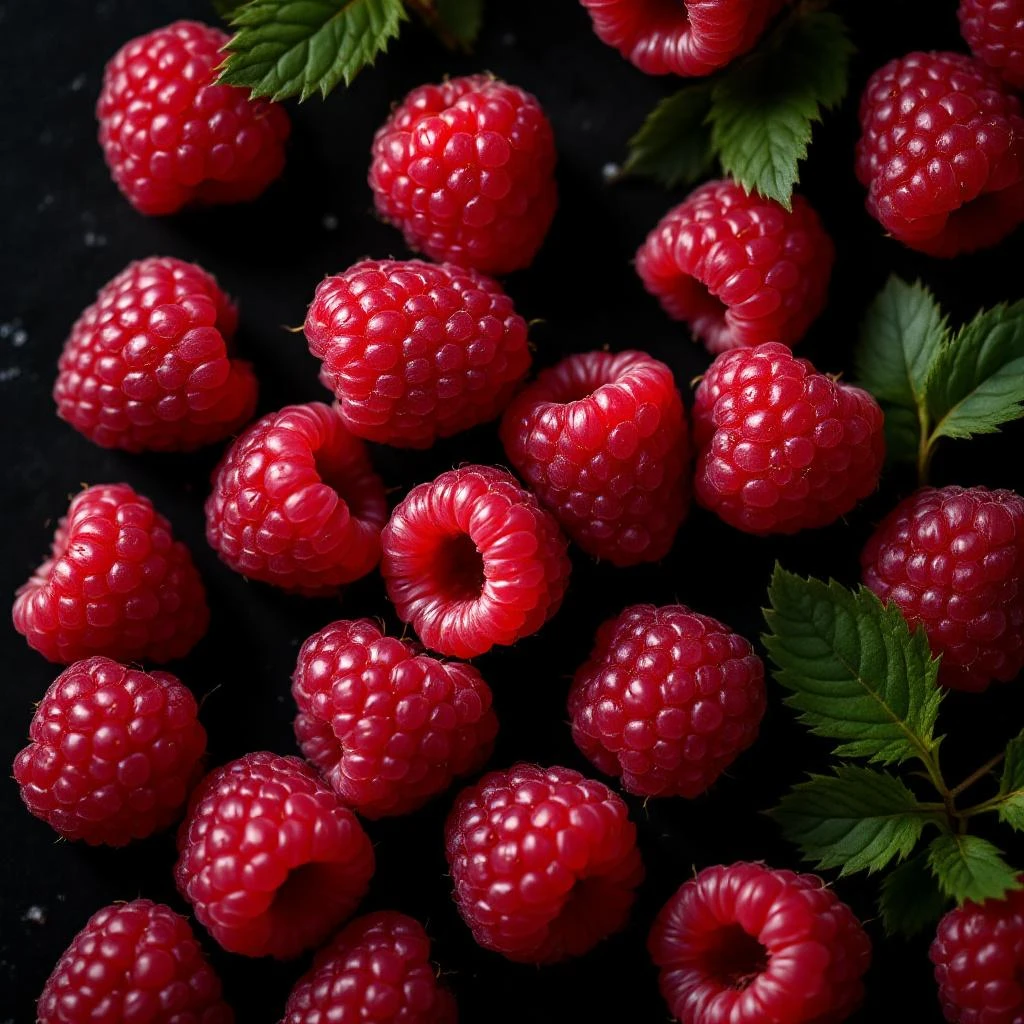
Plum Sake
The intoxicating intersection of ripe Japanese plum and fermented rice wine, captured as an aromatic accord. Plum Sake bridges two pillars of Japanese sensory culture, delivering the deep, jammy sweetness of ume against a warm, alcoholic backdrop.
Character
How it smells
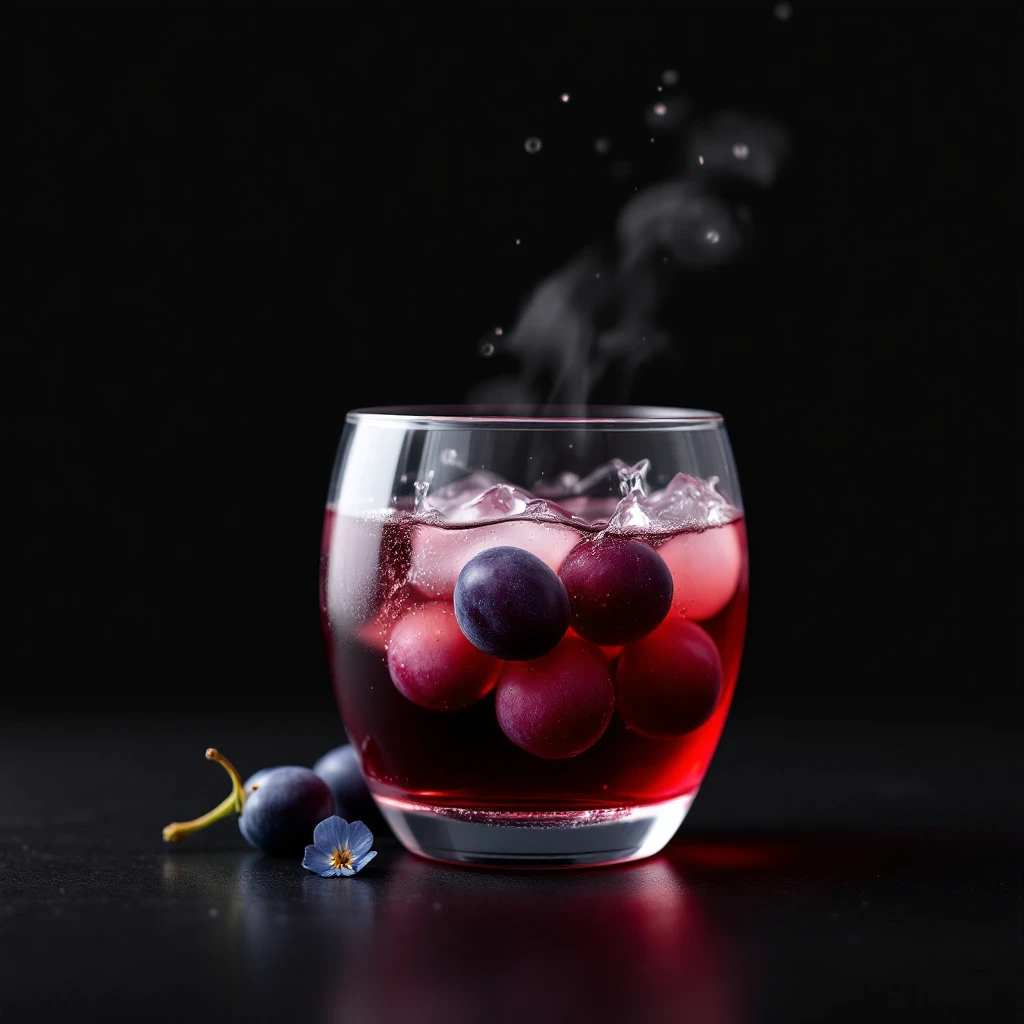
Japanese plum meets fermented warmth in a singular fruity-boozy accord.
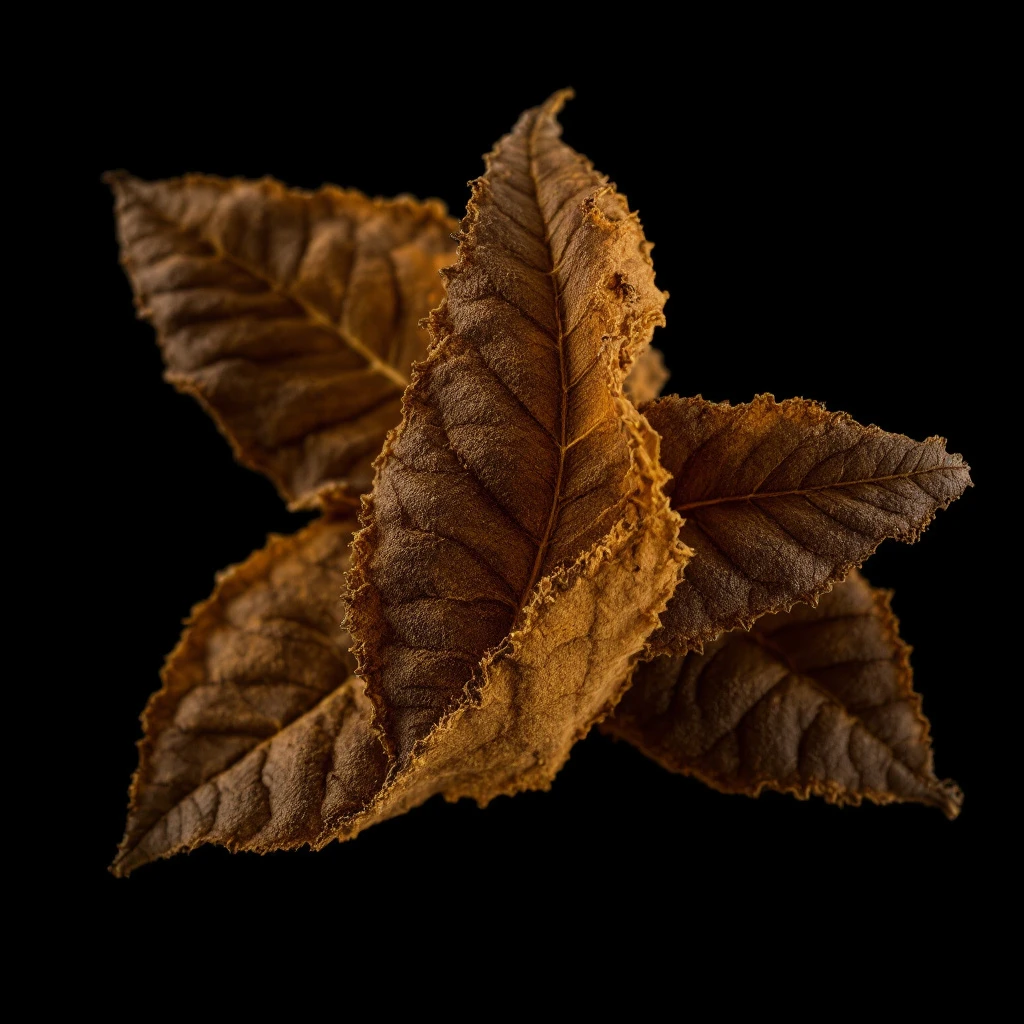
Japanese ume plums are closer botanically to apricots than true European plums, giving this note its distinctive almond-tinged sweetness.




Origin
Japan
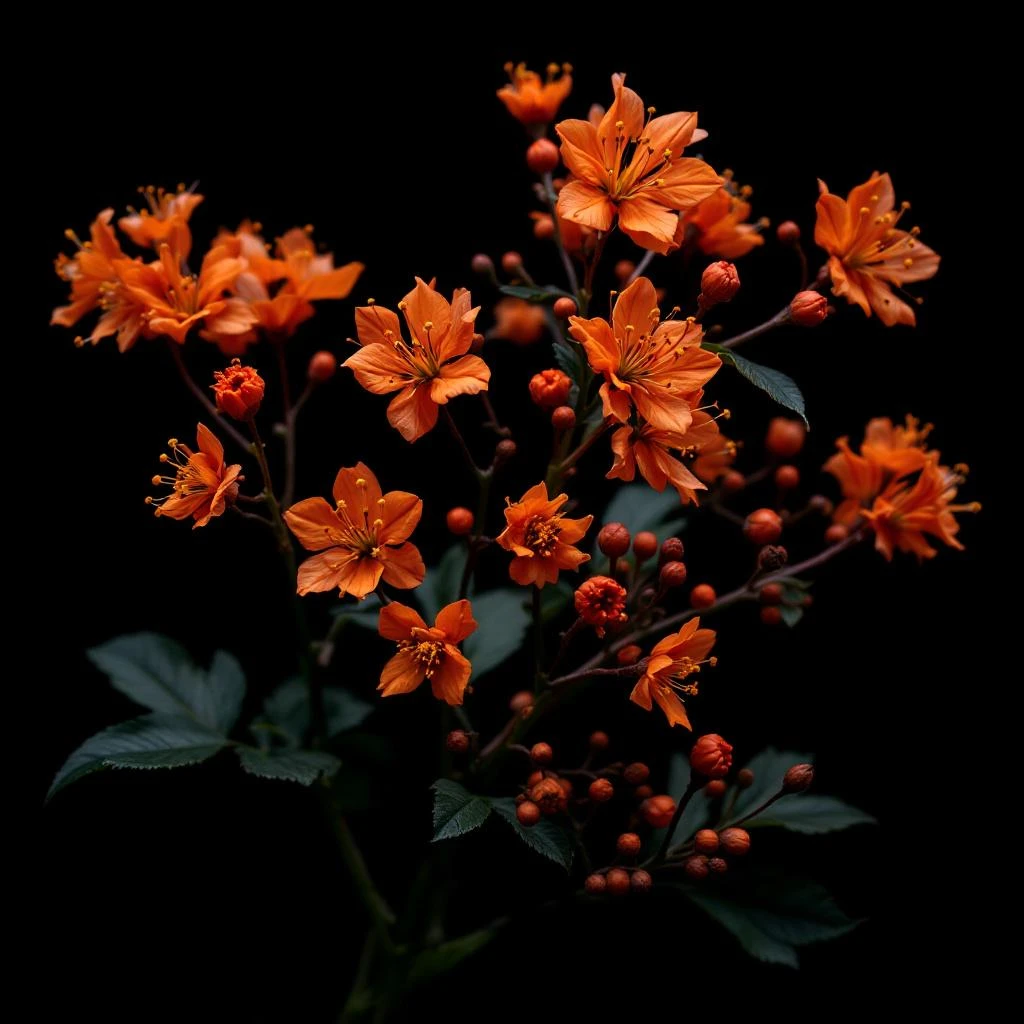
Ume has shaped Japanese culture for over a millennium. The fruit appears in ancient poetry and art, valued as much for its symbolic resilience (blooming in late winter before other flowers) as for its culinary use.
By the Edo period (1603-1868), umeshu had become a staple household preparation, families fermenting ume with sugar and shochu to create a sweet, deeply flavored liqueur served at celebrations. The Japanese perfumery tradition developed alongside this culinary heritage, with natural ume absolute eventually becoming a prized but rare material.
Western fragrance houses began incorporating plum and boozy notes in the late 20th century, inspired by the growing global interest in Japanese flavor profiles. The Plum Sake accord emerged as a bridge concept, translating the sensory memory of umeshu into a wearable aromatic form that honors its Japanese origins while functioning within contemporary perfumery's palette.
Wears it best
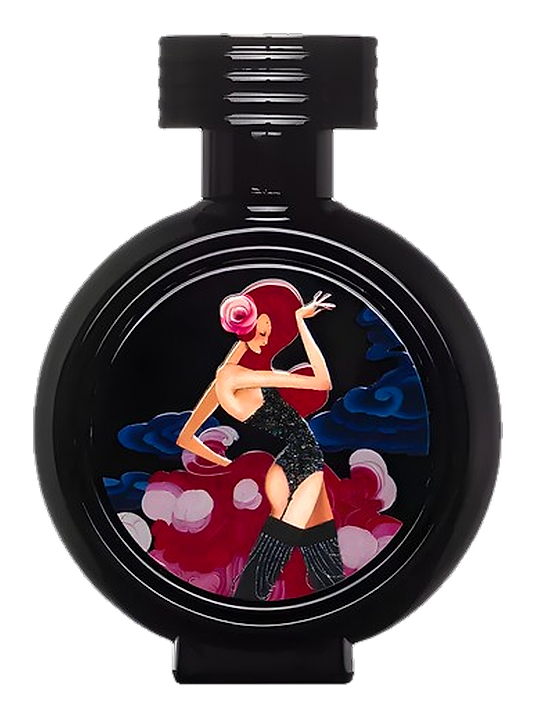
Fragrances featuring Plum Sake
Brands
Brands known for Plum Sake
Good to know
Questions, answered
The essentials on Plum Sake in perfumery: how it smells, where it comes from, and how it behaves on skin.
Is Plum Sake a natural or synthetic ingredient?
Plum Sake in perfumery is almost always a synthetic accord. Natural ume absolute exists but costs prohibitively, so perfumers combine gamma-decalactone with boozy fusel molecules to replicate the juicy, fermented plum character.
What does Plum Sake smell like?
Plum Sake opens with deep, jammy plum fruitiness and a warm, slightly sharp alcoholic warmth reminiscent of sake or umeshu. The dry-down often carries a soft, sweet residue with faint almond or marzipan undertones from the ume fruit.
What fragrance families use Plum Sake?
Plum Sake appears primarily in Oriental and gourmand fragrances. Its boozy-fruity character also suits amber and Woody Chypre compositions seeking a Japanese-inspired or dessert-like depth.
Does real ume plum absolute exist in perfumery?
Yes. CO₂ and solvent extraction can yield natural ume absolute from whole Prunus mume fruit. The material carries complex fruity, vinous, and green-almond facets but remains rare and costly, used mainly in niche or luxury formulations.
What is the difference between ume and European plum in perfumery?
Ume (Prunus mume) is botanically closer to an apricot. It carries brighter acidity and almond-tinged sweetness compared to European plum (Prunus domestica), which offers deeper, darker jammy character. Their aromatic profiles differ noticeably.
Is Plum Sake vegan and cruelty-free?
Plum Sake as a synthetic accord is typically vegan since it contains no animal-derived materials. Natural ume absolute is also vegan, sourced from whole fruit without animal testing involvement.
What notes pair well with Plum Sake in fragrance?
Plum Sake blends well with rice milk, white tea, and cherry blossom for a clean Japanese aesthetic. It also complements vanilla, sandalwood, amber, and cardamom for warmer, more opulent compositions.
How long does Plum Sake last on skin?
As a heart-to-base note component, Plum Sake accord typically projects for 2 to 4 hours depending on concentration. Natural ume absolute, used at low doses, can extend the fruity-boozy character into the dry-down.