Plum Puree
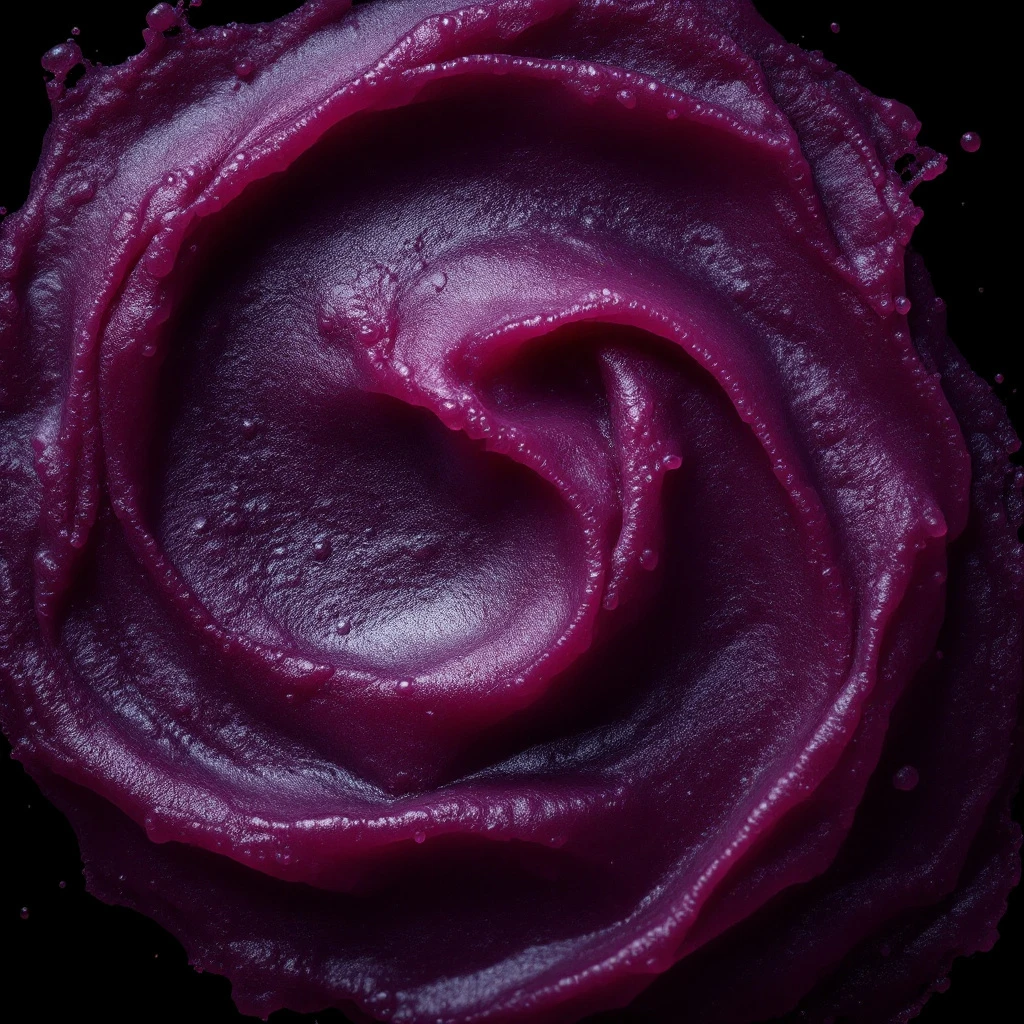
Plum puree captures the lush, wine-like sweetness of ripe plums in a concentrated form perfumers use to layer gourmand and fruity accords. It delivers a jammy depth with subtle tart edges that round out floral and woody compositions.
Character
How it smells
Jammy, wine-dark sweetness in a bottle
Plum puree entered niche perfumery in the early 2000s as part of the gourmand movement, offering a softer, more edible alternative to synthetic plum aroma chemicals.
Pairs beautifully with

Origin
France
Plum has appeared in perfumery traditions for centuries, though usually as a minor accent within fruit accords rather than a standalone ingredient. Medieval European and Middle Eastern perfumers worked with dried plums, plum blossoms, and fermented plum wines to create layered fragrances for nobility. In East Asia, particularly Japan and China, plum blossom (ume) carried deep cultural significance and featured in incense blends for centuries.
The modern use of plum puree as a perfumery material emerged alongside the gourmand fragrance wave of the late twentieth and early twenty-first centuries, when perfumers began seeking natural alternatives to synthetic plum notes like allyl phenoxyacetate. As extraction technology improved and consumers gravitated toward edible-smelling compositions, plum puree gained traction in niche and artisanal perfumery, valued for its authenticity and complexity over flat synthetic reconstructions.
Wears it best
Fragrances featuring Plum Puree
Brands
Brands known for Plum Puree
Good to know
Questions, answered
The essentials on Plum Puree in perfumery: how it smells, where it comes from, and how it behaves on skin.
What does plum puree smell like in perfume?
Plum puree delivers a jammy, wine-like sweetness with soft tart edges and a fleshy, ripe-fruit quality. It smells more authentic and rounded than synthetic plum accords, with subtle fermented undertones reminiscent of damson or greengage varieties.
Is plum puree a natural or synthetic fragrance ingredient?
Plum puree is a natural-derived ingredient made from concentrated fruit pulp. Unlike isolated plum aroma chemicals such as allyl phenoxyacetate, it retains the full complexity of real fruit, including water-soluble esters and acids that distillation cannot capture.
How is plum puree made for perfumery?
Ripe plums are pitted, pureed, and concentrated through gentle thermal evaporation or vacuum distillation. Some producers apply enzyme treatment to break down cell walls and release more aromatic compounds, preserving a rounder fruit profile than steam distillation allows.
Why do perfumers use plum puree instead of plum essential oil?
True plum essential oil is extremely rare and expensive because plums contain mostly water. Puree-based concentrates preserve water-soluble fruity esters that traditional distillation loses, offering perfumers a more authentic, multidimensional plum note at accessible cost.
What fragrance families feature plum puree?
Plum puree appears most often in gourmand and oriental compositions, where its jammy sweetness complements vanilla, tonka, and amber bases. It also finds a place in modern fruity-floral blends and unisex scents seeking edible, comforting warmth.
Does plum puree contain alcohol?
No, plum puree for fragrance use is an aqueous fruit concentrate, not a fermented product. Any alcohol present in a finished perfume comes from the perfume base itself, not the plum ingredient.
Is plum puree safe in fragrance?
Plum puree used in perfumery is generally recognized as safe when properly processed and diluted within fragrance formulations. Like all natural fruit concentrates, it requires preservation systems to prevent microbial growth in the final product.
How long has plum been used in perfumery?
Plum has appeared in fragrance traditions for centuries, particularly in East Asian incense blends featuring plum blossom. The modern use of plum puree as a perfumery material dates to the early 2000s, emerging alongside the gourmand movement.