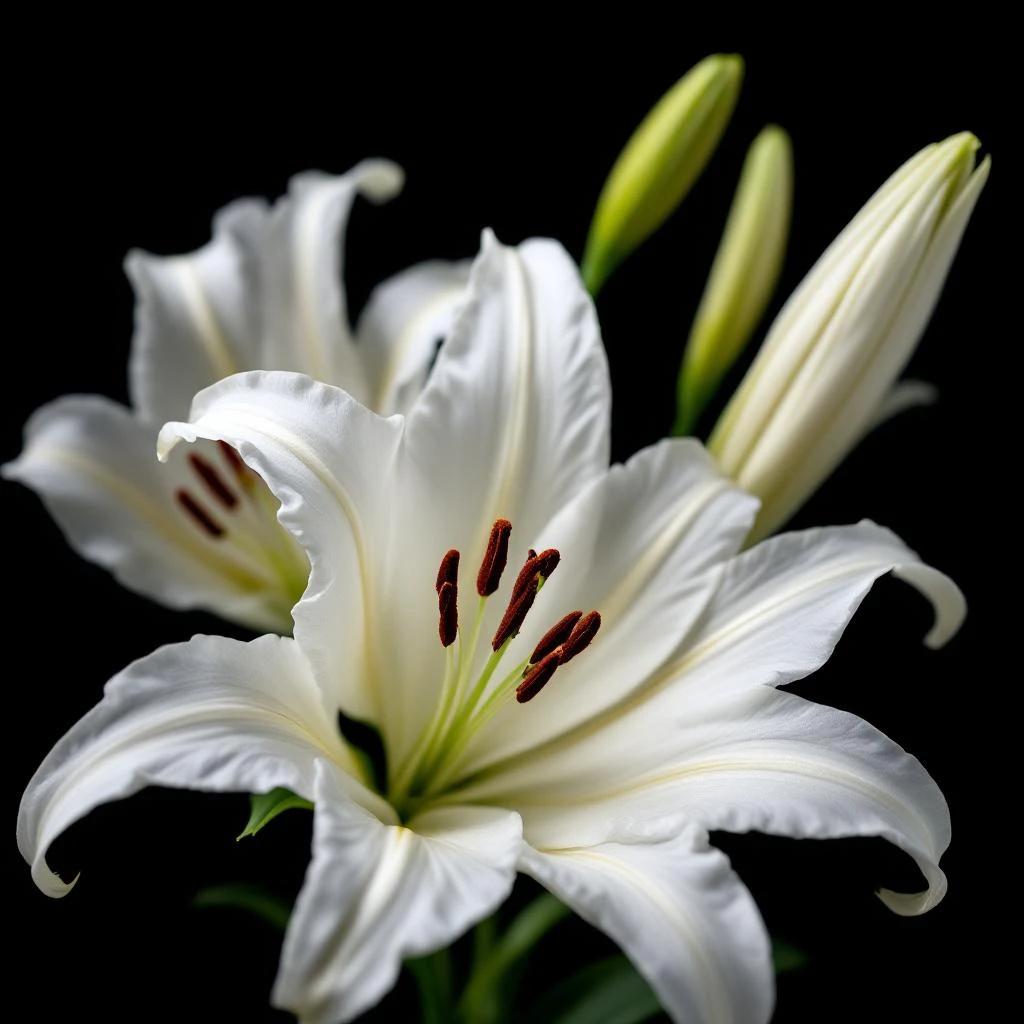
Pink Tuberose
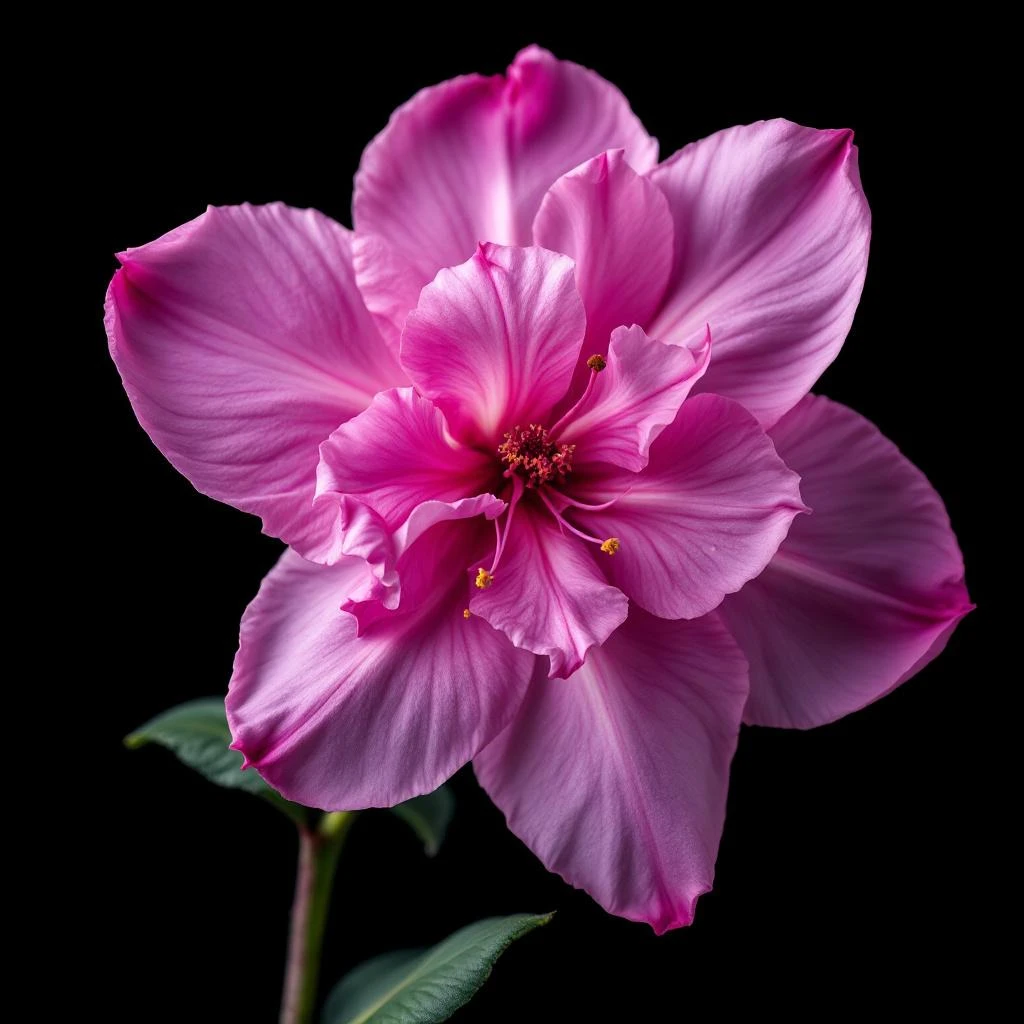
Night-blooming and intoxicating. Pink Tuberose delivers one of nature's most sensual white floral scents, native to Southern Mexico and cherished across centuries for its lush, creamy aroma with warm, honeyed undertones.
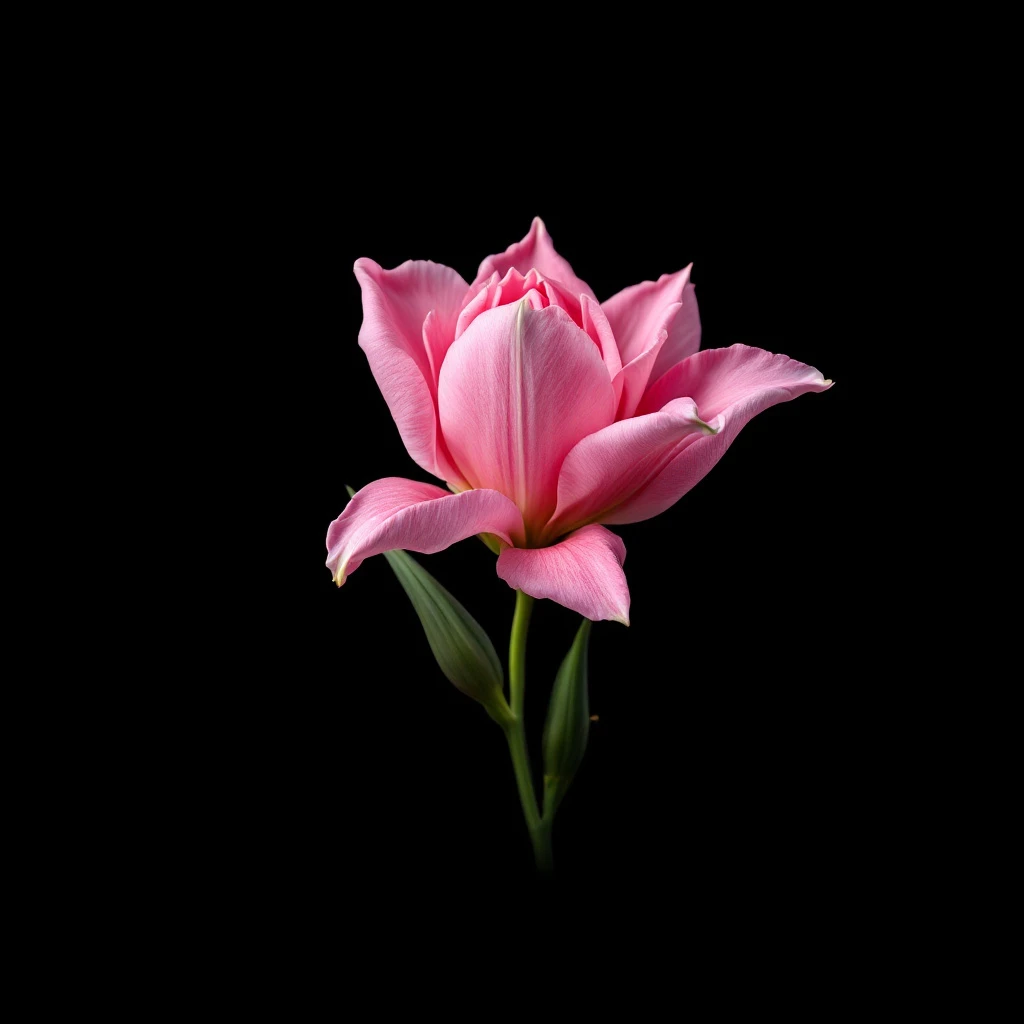
Character
How it smells
Intoxicating white floral that blooms at night.
Renaissance gardeners reportedly banned tuberose from estates because the scent was considered too arousing for guests.



Origin
Mexico
Tuberose originated in Southern Mexico, where Aztec civilizations cultivated the flower for its intoxicating fragrance. Historical records suggest the Aztecs used tuberose essential oil to scent chocolate, a pairing that speaks to the flower's rich, complex aroma. Spanish conquistadors introduced tuberose to Europe during the 16th century, and European gardeners quickly became fascinated with its powerful scent. By the 17th century, cultivators had established the flower's presence throughout the Mediterranean.
Grasse, France, became the center of European tuberose production. Cultivators there refined extraction techniques, and the flower's lavish scent became a cornerstone of French perfumery. The enfleurage method, developed in Grasse, allowed perfumers to capture the flower's fragrance without heat. Indian traditions also embraced tuberose.
Brides weave the flowers into their hair during wedding ceremonies, where the scent symbolizes sensuality and is believed to bring good fortune. By the 19th century, global production increased substantially. Cultivation spread to Egypt, Morocco, and Comoros alongside traditional growing regions. Today, tuberose remains one of the most valued ingredients in fine perfumery, prized for its ability to add depth, warmth, and an unmistakably sensual quality to fragrance compositions.
Wears it best
Fragrances featuring Pink Tuberose
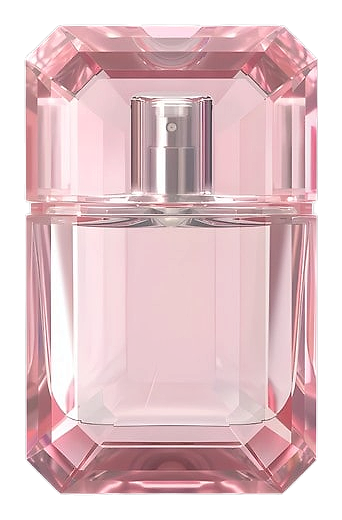

Brands
Brands known for Pink Tuberose
Good to know
Questions, answered
The essentials on Pink Tuberose in perfumery: how it smells, where it comes from, and how it behaves on skin.
What makes pink tuberose different from white tuberose in perfumery?
Pink tuberose refers to Polianthes tuberosa, the specific species cultivated for perfumery. The blooms appear predominantly white with a subtle pinkish tinge at petal edges. The scent combines creamy white floral notes with warm honeyed undertones and a distinctive animalic quality that makes it uniquely sensual among florals.
Can synthetic compounds replicate natural tuberose absolute?
Fragrance chemists have developed synthetic tuberose accord, but fully replicating natural tuberose remains challenging. Natural absolute contains hundreds of aromatic molecules that interact in complex ways. Synthetic versions capture recognizable tuberose character but often lack the depth and natural variation found in the botanical extract.
What does tuberose smell like?
Tuberose delivers a rich, creamy white floral scent with warm honey and coconut facets. The fragrance carries a distinctive animalic quality that adds depth and sensuality. Some people detect green, slightly spicy undertones alongside the dominant sweet floral character. The overall effect is intoxicating and Narcotic.
Why was tuberose considered controversial in history?
Tuberose developed a reputation for being dangerously sensual. Renaissance-era gardeners supposedly banned the flower from estates because the powerful scent was considered too arousing for guests. The plant earned the nickname "mistress of the night" for its evening-blooming habit, which only strengthened its provocative reputation.
What fragrance families pair well with tuberose?
Tuberose anchors white floral compositions and pairs beautifully with ylang ylang, jasmine, and gardenia. The scent harmonizes with creamy sandalwood, warm vanilla, and golden amber. Tuberose also adds complexity to green fragrances and unexpected contrast in woody compositions.
How do perfumers extract fragrance from tuberose?
Tuberose resists steam distillation because heat damages its delicate aroma compounds. Perfumers rely on solvent extraction instead. Fresh petals are soaked in solvent, which pulls out the aromatic molecules. This produces a concrete that gets washed with alcohol to separate the absolute from waxes.
Is tuberose considered a strong fragrance?
A single tuberose stem can perfume an entire room. The flower ranks among the most potent fragrant blooms in nature. This intensity allows it to function as both a heart note and a base note in perfumery, providing lasting presence throughout the wear of a fragrance.
Where does the highest quality tuberose come from today?
India produces significant quantities, particularly from farms near Bangalore. France, Morocco, and Egypt also cultivate the flower. Quality varies more by harvest timing and extraction methods than by geography. Fragrance houses typically specify strict harvesting windows and extraction protocols to ensure consistent results.