Pink Guava Sorbet
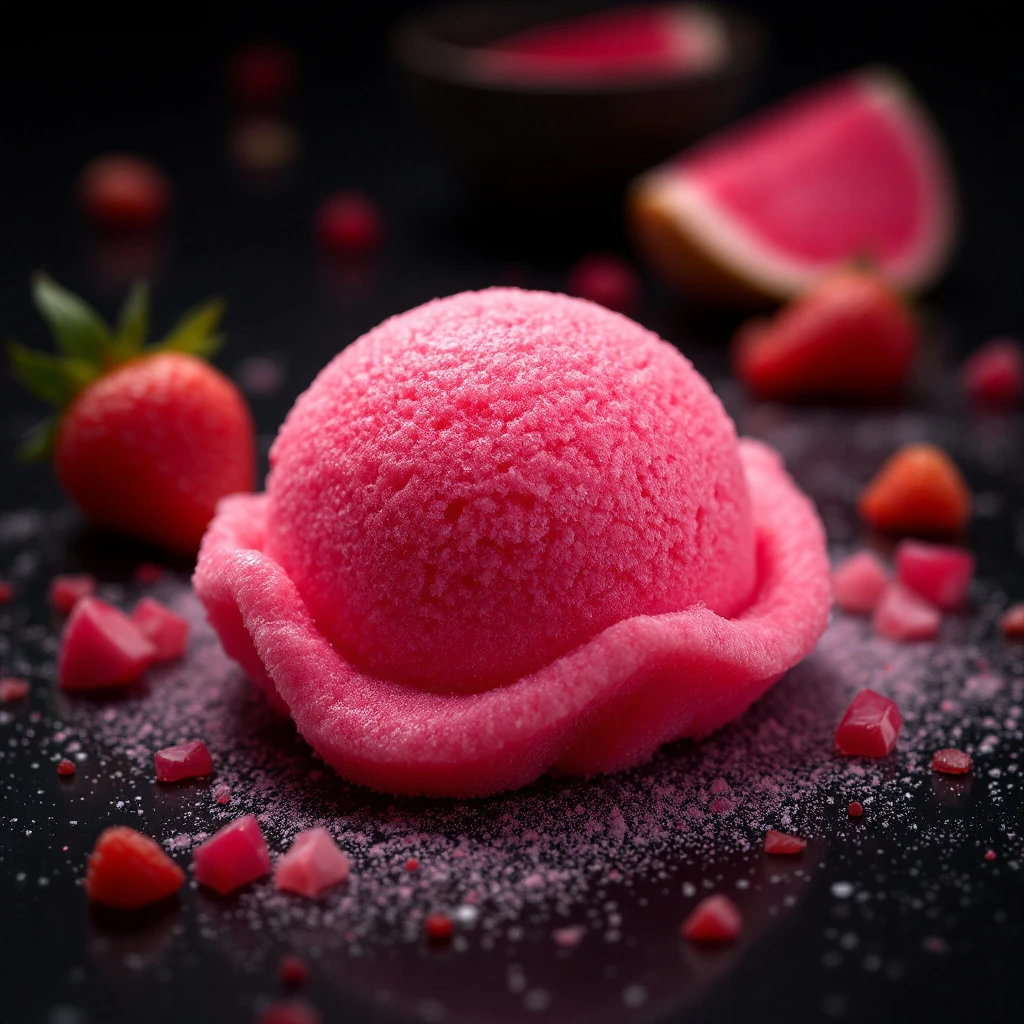
Pink guava sorbet captures the frosty, sun-warmed sweetness of ripe tropical fruit at its peak. The note blends juicy guava nectar with sparkling citrus and creamy vanilla undertones, evoking that first spoonful of chilled sorbet on a warm afternoon. A modern gourmand accent that turns tropical fruit into something luminous and addictive.
Character
How it smells
Frosted tropical fruit, scooped and drizzled with sunshine
Real guava delivers one of the most complex fruit aromas in nature, with perfumers detecting over 200 volatile compounds in a single ripe fruit.
Pairs beautifully with
Origin
Brazil
Guava arrived in European perfume lexicons slowly, long after the fruit had spread from its native range across Latin America's tropics and into Southeast Asia. Spanish and Portuguese traders carried Psidium guajava seeds across the Pacific in the sixteenth century, but the fruit remained a culinary curiosity in Europe for centuries. Its aromatic potential only entered fine fragrance discussions in the late twentieth century, as synthetic tropical bases grew sophisticated enough to render convincing guava characters.
Before that, perfumers relied on bergamot and ylang-ylang for tropical-fruital impressions. The 'sorbet' framing—a frosty, semi-sweet fruit interpretation—emerged in the 2010s alongside the broader gourmand trend that reframed desserts as wearable art. Pink guava specifically references the pink-fleshed varieties popular in Hawaii, Mexico, and Thailand, prized for their aromatic intensity over the milder white varieties.
By the early 2020s, pink guava sorbet had become a signature note for indie and niche houses chasing summer-driven compositions.
Wears it best
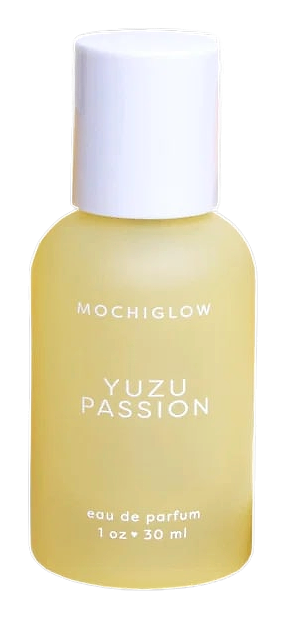
Fragrances featuring Pink Guava Sorbet
Brands
Brands known for Pink Guava Sorbet
Good to know
Questions, answered
The essentials on Pink Guava Sorbet in perfumery: how it smells, where it comes from, and how it behaves on skin.
What does pink guava sorbet smell like in perfume?
It smells like ripe tropical guava blended with sparkling citrus notes—pink grapefruit, mandarin, and passionfruit—over a creamy vanilla and sandalwood base. The 'sorbet' aspect adds a frosty sweetness, as if the fruit were served cold rather than fresh.
Is pink guava sorbet a natural or synthetic note?
It is almost always synthetic in perfumery. Guava fruit cannot be reliably extracted for fragrance use, so perfumers construct the note from individual aroma molecules called esters, combined with fruity and creamy bases.
Where does pink guava originally come from?
Pink guava (Psidium guajava) is native to tropical regions of Central and South America, with Brazil as its primary genetic origin. Spanish and Portuguese traders spread the fruit to Asia and the Pacific over several centuries.
What fragrance families does pink guava sorbet fit into?
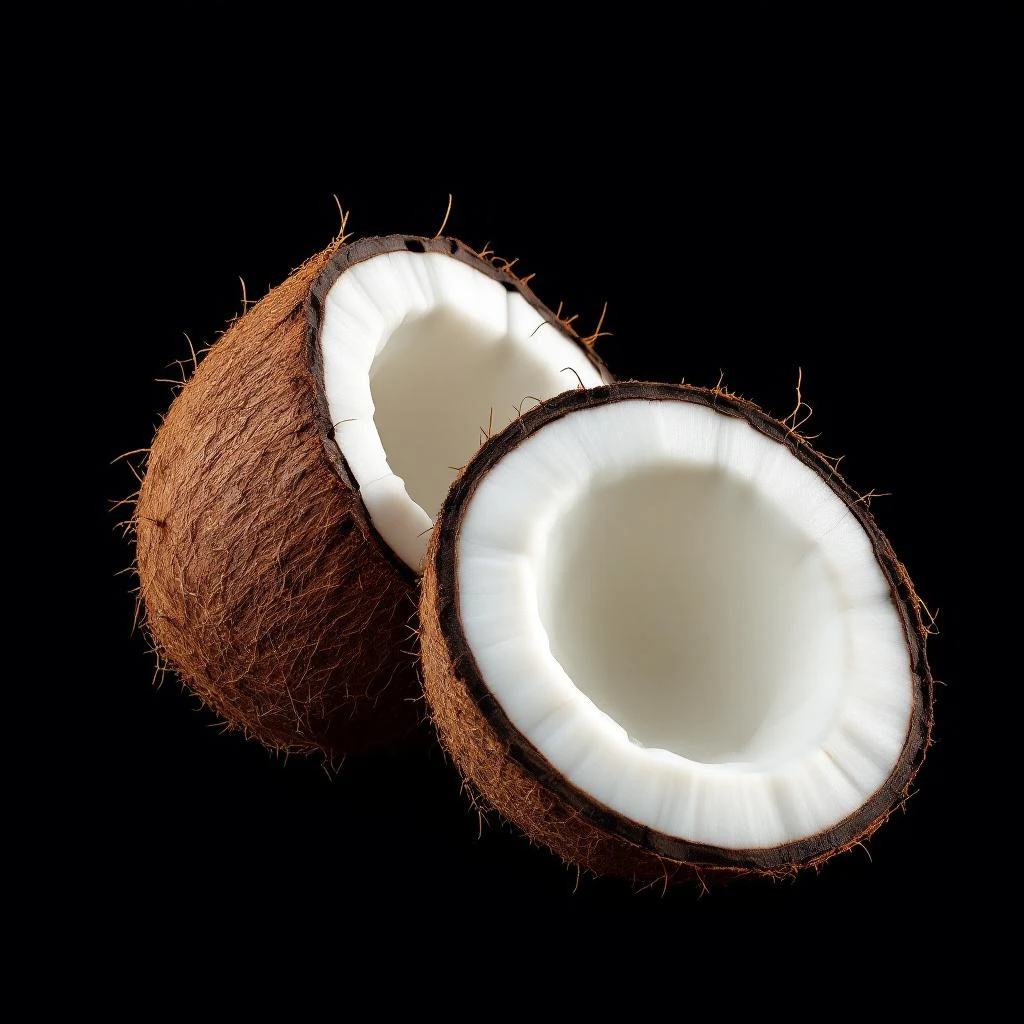
It belongs to the gourmand and fruity families, often crossing into tropical floral territory. Perfumers pair it with jasmine, osmanthus, coconut, and sandalwood for warm-weather compositions.
When did guava first appear in perfumery?
Guava entered fine fragrance in earnest during the late twentieth century, alongside advances in synthetic tropical bases. The 'sorbet' interpretation emerged in the 2010s as part of the gourmand movement that made dessert notes mainstream.
Why is guava hard to use as a natural extract in perfume?
Guava juice oxidizes within hours and yields very little usable aroma material when steam distilled. The fruit's delicate volatile compounds break down quickly, making natural extraction impractical for stable commercial fragrances.
What notes pair well with pink guava sorbet?
Passionfruit, pink grapefruit, mandarin, and bergamot brighten the top. White jasmine, osmanthus, and coconut flower enrich the heart. Sandalwood, vanilla, and soft musk create a creamy, skin-hugging base.
Is pink guava sorbet suitable for year-round wear?
Yes, though it shines most in warm-weather settings. Lighter versions of the note work well in spring and summer, while sandalwood-heavy formulations can read as cozy enough for transitional seasons.