Pineapple Sage
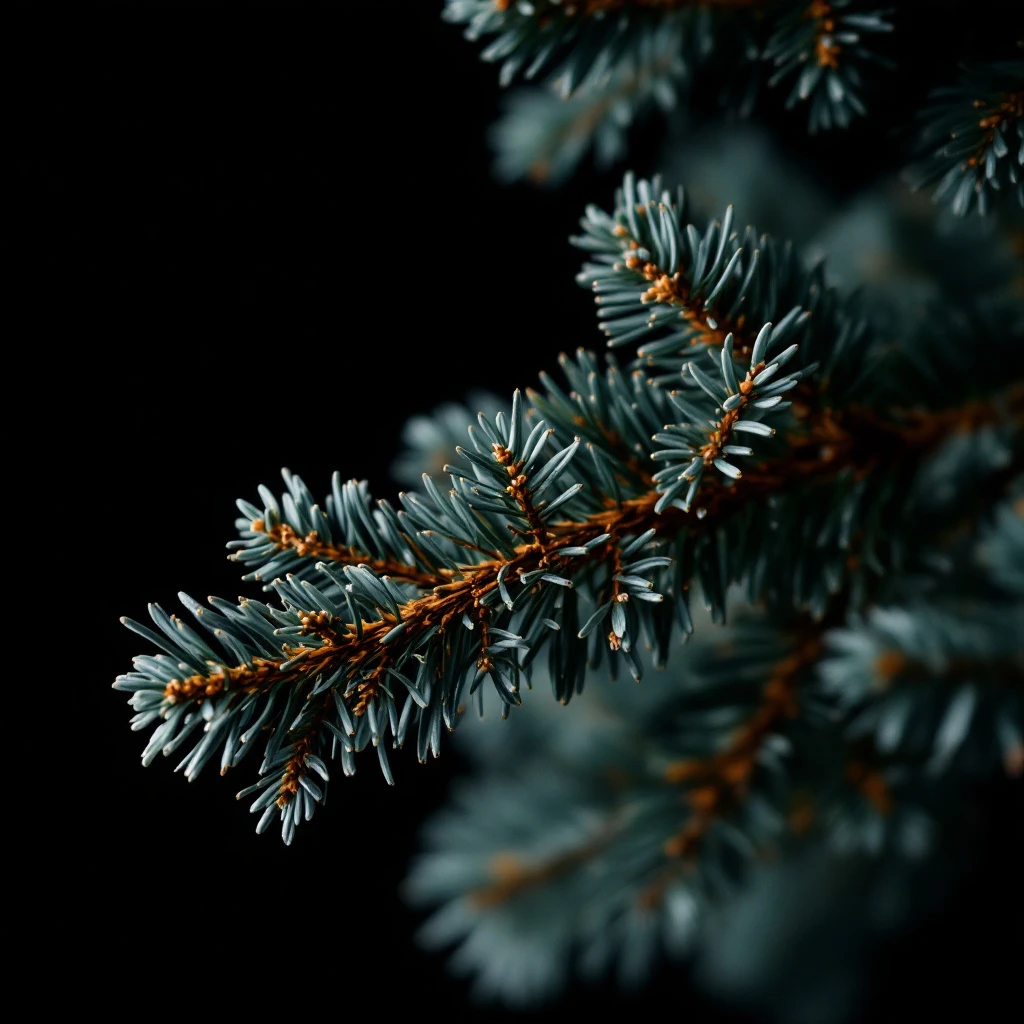
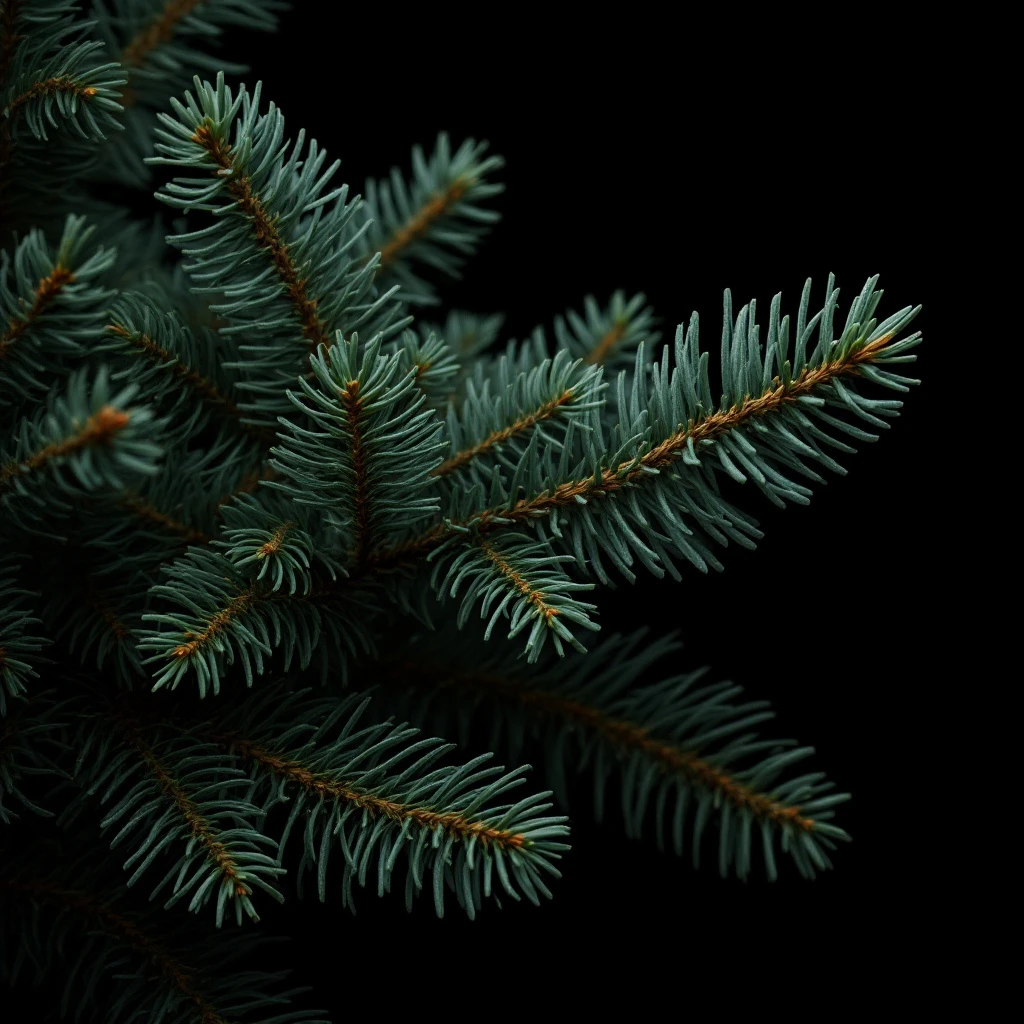
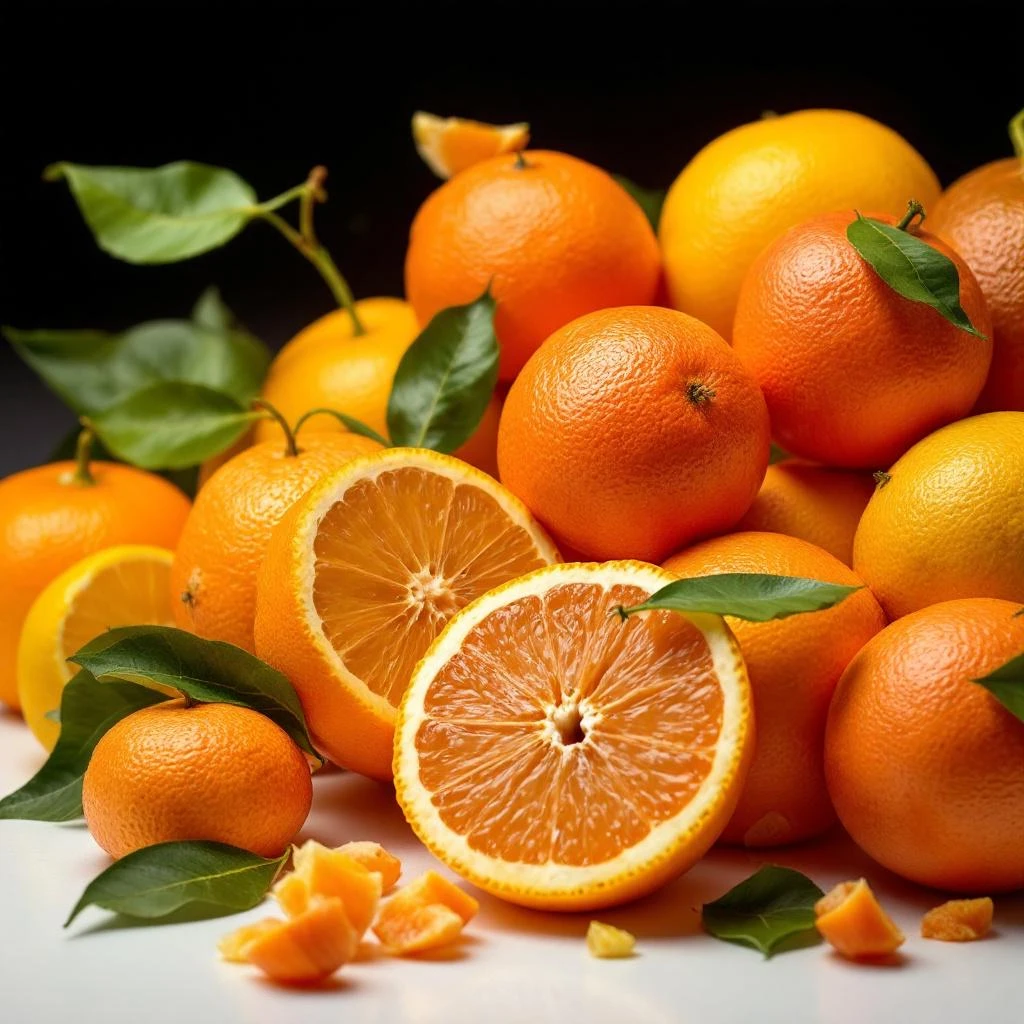
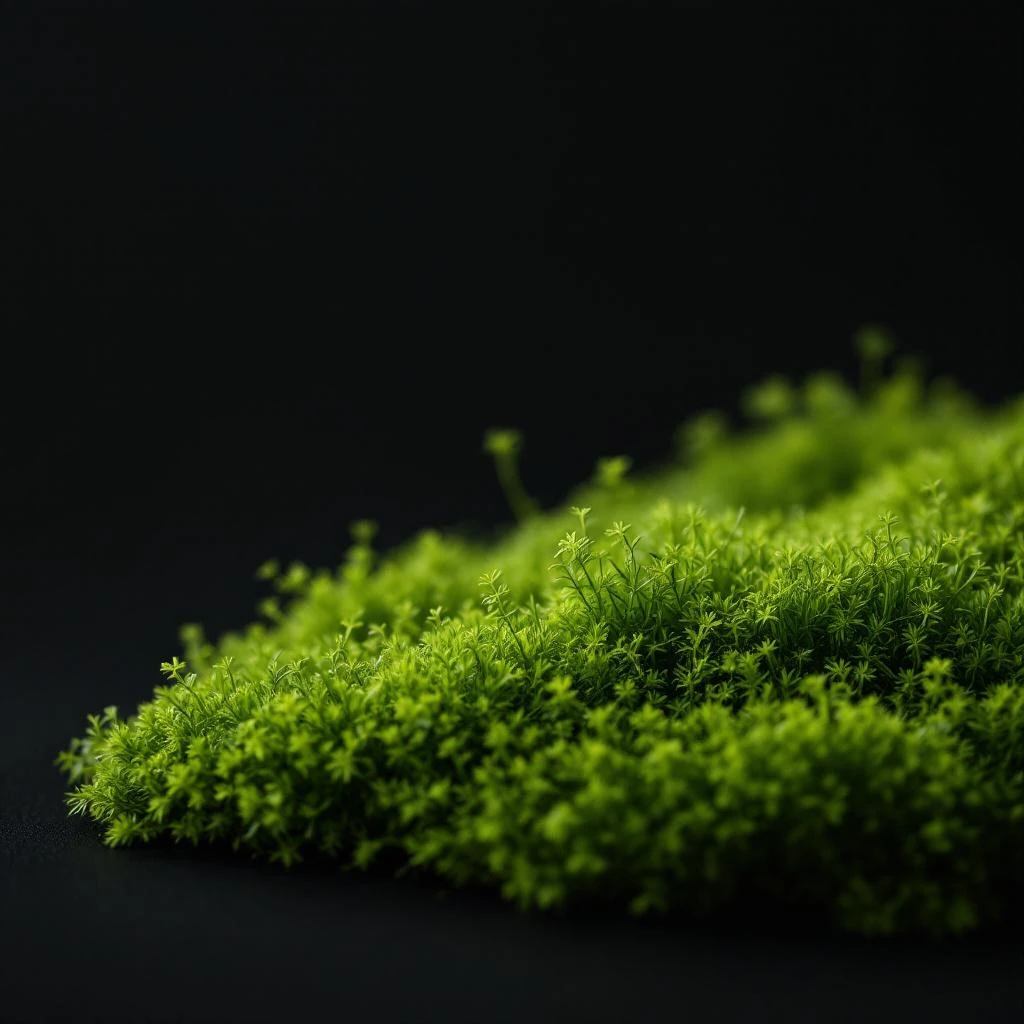
Pineapple Sage brings together sun-ripened tropical sweetness with the herbaceous depth of Dalmatian sage. This modern perfumery accord captures the vibrant, juicy character of fresh pineapple elevated by the clean, slightly camphorated greenness of sage leaves.
Character
How it smells
Tropical sweetness meets herbal clarity.
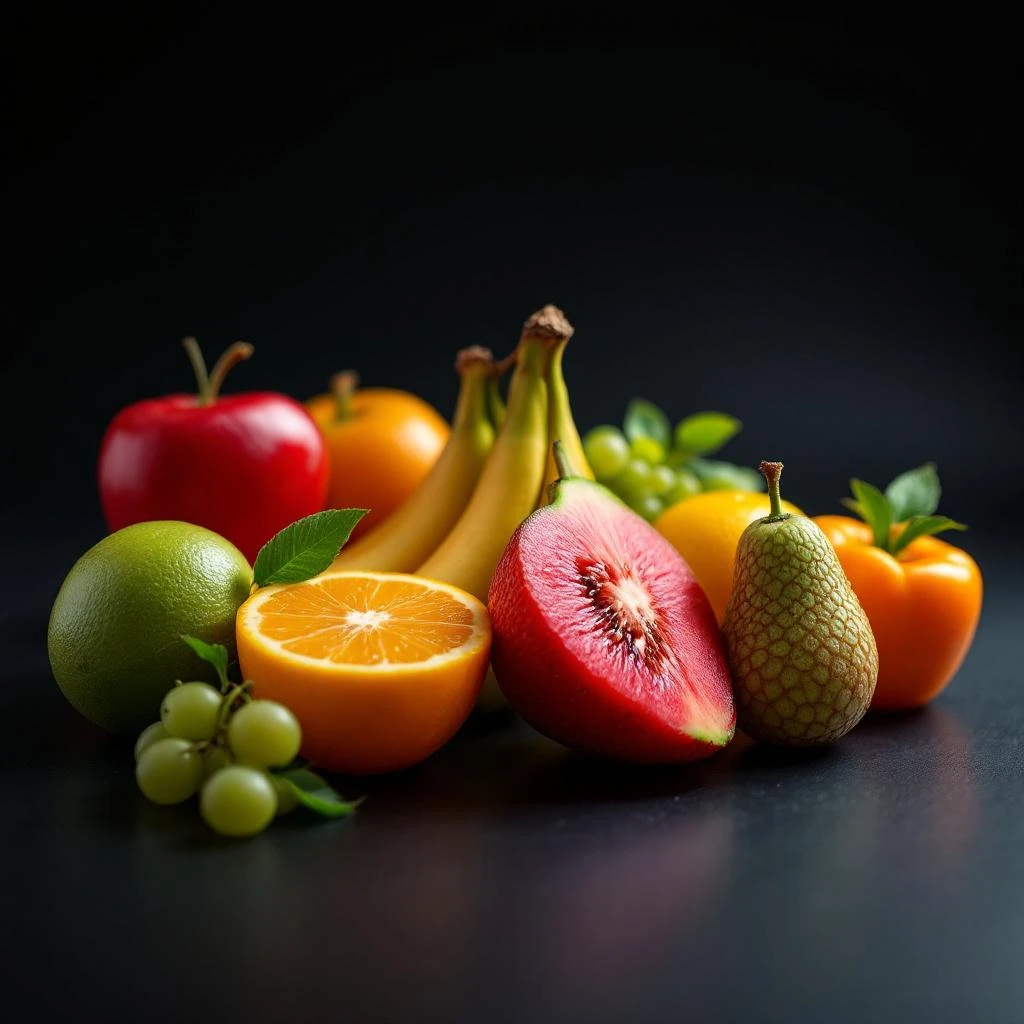
Pineapple scent cannot be extracted directly from fruit. Perfumery creates the effect using aroma compounds like ethyl butyrate, a chemical that mimics the fruit's signature bright, tangy character.

Origin
Brazil
Sage has anchored perfumery and medicine for millennia. Ancient Egyptians used Salvia officinalis in religious ceremonies, while Greek physicians like Dioscorides prescribed sage tea for digestive complaints and throat infections. The plant's name derives from the Latin salvare, meaning to save or heal, reflecting its historical importance.
Pineapple entered European consciousness after Columbus encountered it in the Caribbean in 1493, but tropical fruit remained inaccessible luxury for centuries. The synthetic aroma chemicals needed to bottle pineapple's scent only became commercially viable in the twentieth century. Pineapple Sage as a named fragrance accord emerged in the late twentieth century as perfumers sought to capture fresh, green-tropical atmospheres.
The combination resonates because it mirrors how the actual plant Salvia elegans smells: the leaves genuinely emit a faint pineapple fragrance when crushed, giving this perfumery concept botanical roots.
Wears it best
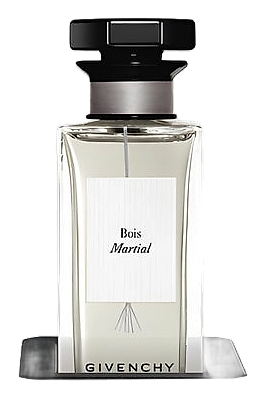
Fragrances featuring Pineapple Sage
Brands
Brands known for Pineapple Sage
Good to know
Questions, answered
The essentials on Pineapple Sage in perfumery: how it smells, where it comes from, and how it behaves on skin.
Is Pineapple Sage a natural fragrance ingredient?
Pineapple Sage is a fragrance accord, not a single natural ingredient. The sage component comes from steam-distilled essential oil, while the pineapple element uses synthetic aroma chemicals that replicate the fruit's scent without extraction.
What does Pineapple Sage smell like?
Pineapple Sage opens with bright, tangy tropical sweetness followed by the clean, slightly medicinal greenness of sage. The combination creates a fresh, herbaceous-fruity character often described as garden-fresh and energizing.
How do perfumers create pineapple scent without the fruit?
Pineapple aroma relies on synthetic compounds like ethyl butyrate, hexyl acetate, and isoamyl acetate. These chemicals mimic specific volatile compounds released when fresh pineapple is cut, creating realistic tropical fruit effects.
Which sage species is used in perfumery?
Perfumery primarily uses Salvia officinalis, known as common or Dalmatian sage. The leaves are harvested just before flowering when essential oil concentration reaches its peak, producing the characteristic herbaceous, slightly camphorated aroma.
What extraction method produces sage essential oil?
Steam distillation extracts sage essential oil. Plant material sits in a still while steam passes through, rupturing oil glands and carrying volatile compounds into a condenser where they separate from the water stream.
Does fresh pineapple sage plant exist?
Yes. Salvia elegans, called pineapple sage, genuinely emits a pineapple fragrance when its leaves are crushed. This Mexican native plant inspired the perfumery accord, though commercial pineapple sage fragrance uses synthesized materials.
What fragrance families use Pineapple Sage?
Pineapple Sage appears in fresh, green, and tropical fragrance families. It suits summer perfumes, citrus colognes, and bright florals where it adds an herbaceous counterpoint to sweet fruit notes.
Can Pineapple Sage cause skin reactions?
The sage component in high concentration may irritate sensitive skin due to thujone content. The synthetic pineapple elements are generally well-tolerated. Professional dilution and patch testing remain standard practice for all fragrance materials.