Phenylacetaldehyde
Phenylacetaldehyde is a synthetic aroma chemical prized for its intensely green, honey-like sweetness with a slightly earthy, almost chocolate-like undertone.
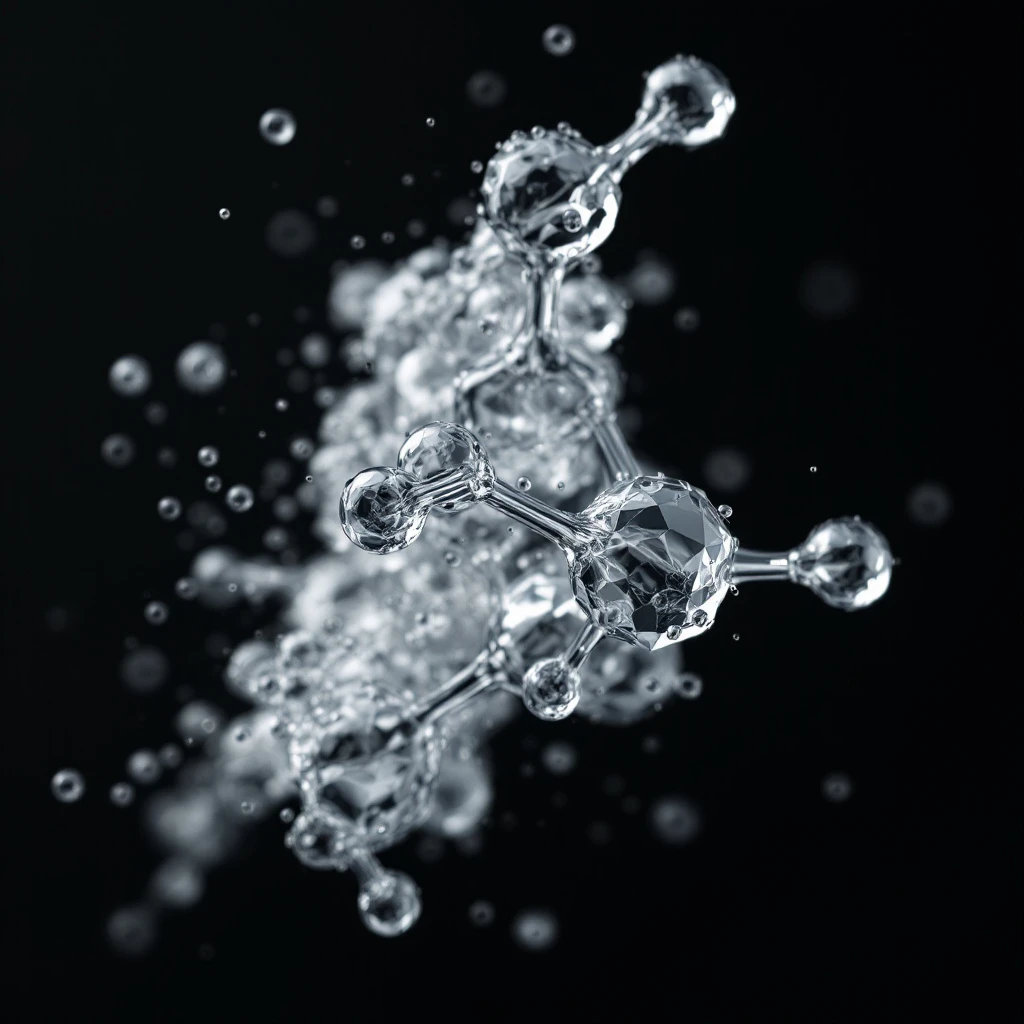
Character
How it smells
Green honey in molecular form.
Despite smelling sweet, it shares chemical kinship with compounds found in rotting proteins, which is partly why it adds such a lifelike, almost animalic depth to florals.
Pairs beautifully with

Origin
Germany
Phenylacetaldehyde entered perfumery during the great expansion of synthetic aroma chemicals that began in the late 19th and accelerated through the 20th century. As chemists catalogued the volatile constituents of essential oils, they identified phenylacetaldehyde as a key contributor to the scent of flowers such as hyacinth, lilac, and rose.
Isolating enough of it from nature proved impractical, so laboratories developed routes to manufacture it directly. By the 1920s and 1930s, it had become a staple in so-called aldehydic floral bases, supplying the dewy, honeyed sweetness that defined many classic perfumes of the mid-century era.
Its instability posed a challenge for decades, until improved stabilizers and the practice of blending it within accord structures became standard. Today it sits in the toolbox of nearly every perfumer working in the white floral or green-honey register.
Wears it best
Fragrances featuring Phenylacetaldehyde
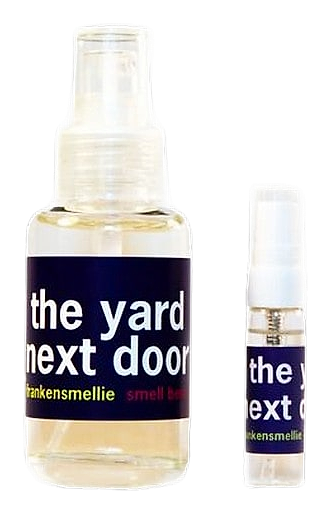
Brands
Brands known for Phenylacetaldehyde
Good to know
Questions, answered
The essentials on Phenylacetaldehyde in perfumery: how it smells, where it comes from, and how it behaves on skin.
What does phenylacetaldehyde smell like in perfume?
Phenylacetaldehyde delivers a sharp green-honey sweetness with subtle earthy and chocolate-like undertones. It intensifies the lifelike, dewy quality of white floral accords, particularly in hyacinth, lilac, and rose reconstructions.
Is phenylacetaldehyde natural or synthetic?
Phenylacetaldehyde is produced almost exclusively through industrial synthesis. Although trace amounts occur in essential oils such as rose and orange blossom, natural concentrations are far too low for commercial extraction.
Why do perfumers use phenylacetaldehyde?
It supplies a realistic, honeyed floral sweetness that is difficult to replicate with other aroma chemicals. Its addition lends a freshly picked, almost dewy character to white floral bases.
Is phenylacetaldehyde safe to use in fragrance?
Phenylacetaldehyde is approved for use in fragrance under IFRA guidelines, with restrictions on concentration levels due to its skin sensitization potential at higher doses. Most formulations keep it well below sensitizing thresholds.
Which famous perfumes contain phenylacetaldehyde?
Many classic mid-century floral fragrances feature phenylacetaldehyde within their white floral or honey bases. Aldehydic compositions from the 1940s through the 1960s frequently used it to amplify realism in lilac and hyacinth themes.
How stable is phenylacetaldehyde in a finished perfume?
Phenylacetaldehyde oxidizes and polymerizes quickly on air exposure, which can dull its scent over time. Perfumers mitigate this by using diluted, stabilized grades and storing finished concentrates away from heat and light.
Can phenylacetaldehyde be derived from essential oils?
Some essential oils like rose otto and orange blossom absolute contain phenylacetaldehyde in trace amounts, but isolating it commercially is uneconomical. Synthetic production remains the only practical supply route.
What fragrance family does phenylacetaldehyde belong to?
Phenylacetaldehyde sits within the green-honey and white floral olfactive family. It bridges the fresh, leafy notes and the sweeter, nectar-rich facets of floral perfumery.





