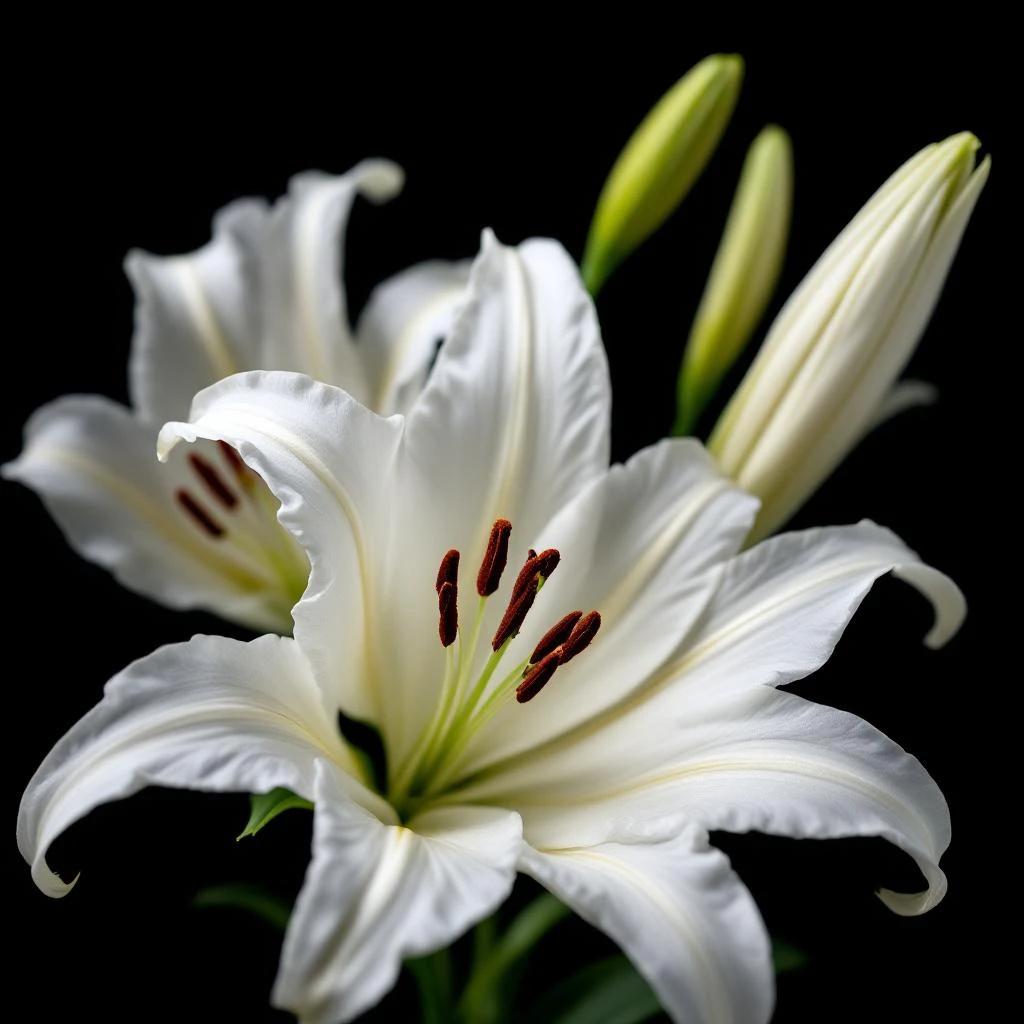
Peony Nectar
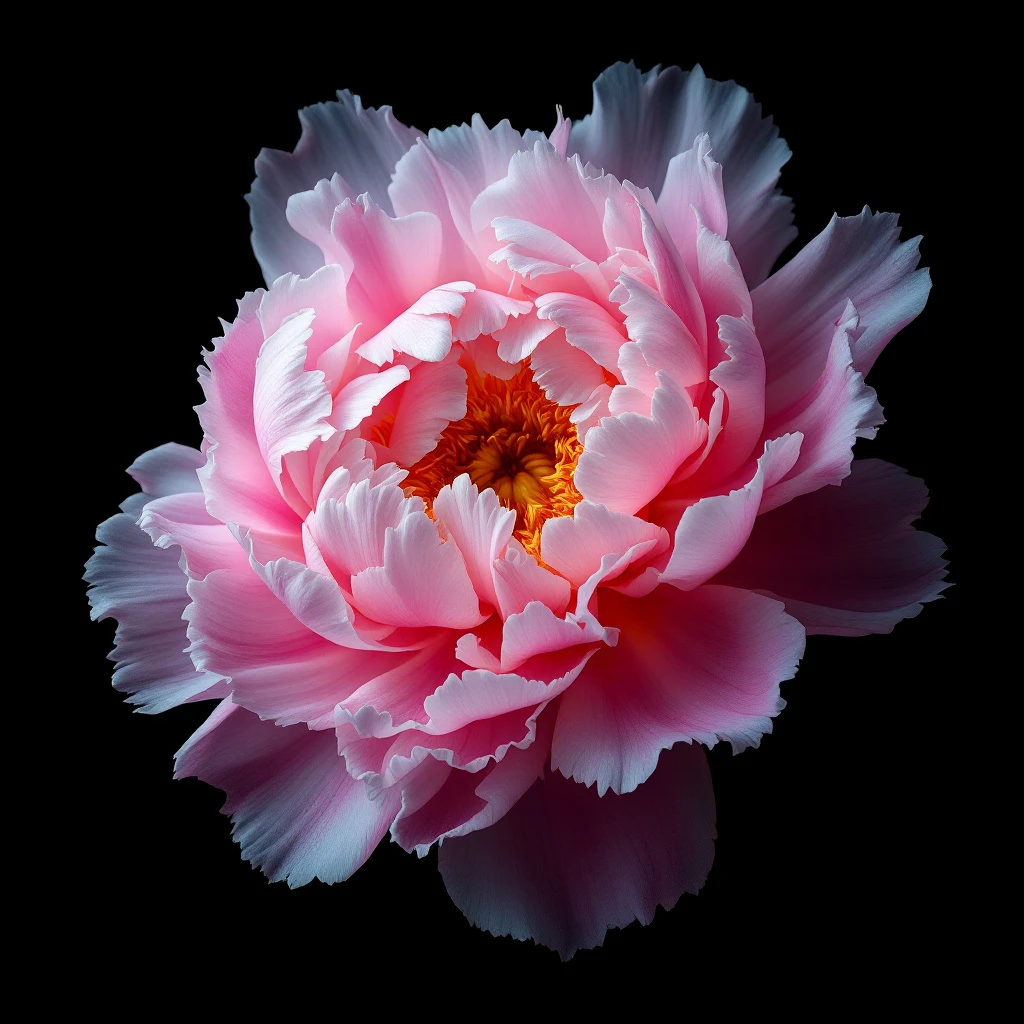
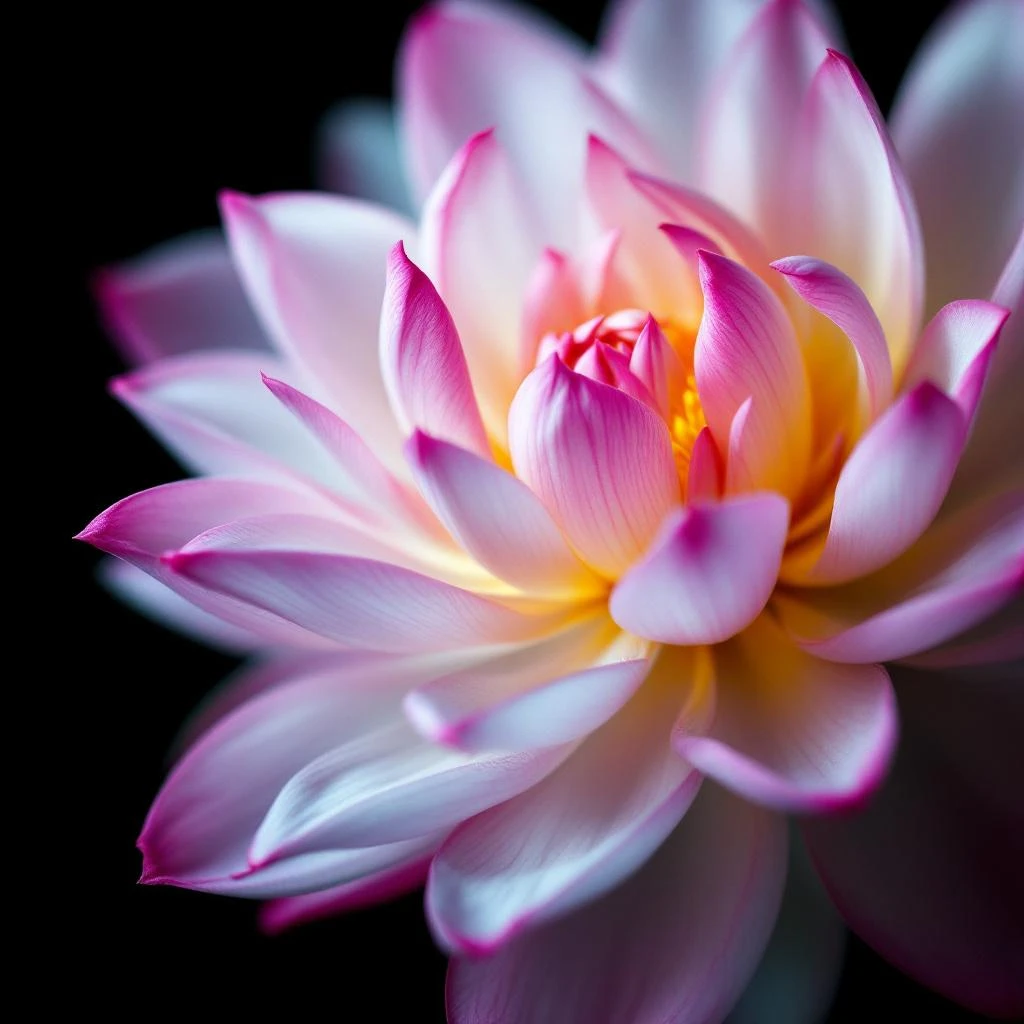
Peony Nectar captures the lush, velvety bloom of the garden peony through a masterful rose-forward accord. This romantic note brings soft femininity and radiant freshness to any composition.
Character
How it smells
The mute flower made audible through perfumery's craft.
Peony is a mute flower: no natural extract exists. Every peony fragrance is an artful reconstruction built from rose alcohols like citronellol and phenyl ethyl alcohol.
Pairs beautifully with
Origin
China
Peony has ancient roots in traditional medicine rather than perfumery. Traditional Chinese Medicine employed peony root, known as Bai Shao, for over two thousand years to treat conditions ranging from night sweats and menstrual discomfort to muscle cramps and stomach complaints. The flower held symbolic significance across East Asia, representing wealth, honor, and prosperity in Chinese art and literature.
Japanese cultivation produced prized varieties celebrated during hanami season. European interest in peonies grew during the 18th and 19th centuries as botanical explorers brought specimens from China to England and France, where horticulturists developed hundreds of cultivars prized for their extravagant blooms. Yet despite their visual splendor and garden fragrance, peonies remained outside perfumery's reach until the 20th century.
The rise of synthetic aromatic chemistry finally allowed perfumers to capture the elusive scent, transforming a flower known for its silence into one of perfumery's most beloved and widely used floral notes.
Wears it best
Fragrances featuring Peony Nectar
Brands
Brands known for Peony Nectar
Good to know
Questions, answered
The essentials on Peony Nectar in perfumery: how it smells, where it comes from, and how it behaves on skin.
Is peony extract used in natural perfumery?
No. Peony produces no extractable aromatic oil. The flower is classified as 'mute' because its scent molecules cannot be captured through distillation, solvent extraction, or enfleurage. Perfumers reconstruct peony entirely through accord-building using rose alcohols and complementary aromatics.
What gives Peony Nectar its characteristic scent?
Rose-derived compounds form the core. Citronellol provides the rounded rosy base, phenyl ethyl alcohol adds delicate floral sweetness, and trace ionones introduce powdery, violet-like depth. This combination creates peony's signature lush yet fresh character.
How does peony differ from other florals in perfumery?
Peony occupies a unique middle ground. It carries the romance of rose but with a distinctive freshness that feels greener and more transparent. Unlike heady jasmine or indolic tuberose, peony reads as clean, feminine, and approachable.
What fragrance families pair well with Peony Nectar?
Peony harmonizes naturally with rose, lily of the valley, magnolia, and citrus. It also bridges beautifully to green notes like galbanum and softer musks. The pairing possibilities span from romantic florals to modern aquatic compositions.
Does peony have historical significance beyond perfumery?
Yes. Peony root has been a staple of Traditional Chinese Medicine for over 2,000 years, prescribed for night sweats, muscle tension, and digestive issues. The flower's cultural significance spans Chinese art, Japanese celebrations, and European botanical gardens.
What gives peony its romantic, feminine reputation in fragrance?
The reconstructed note combines soft rose warmth with powdery freshness and subtle fruitiness. This balance creates an impression of lush blossoms in full bloom without heaviness or density. The result feels romantic precisely because it captures that garden fullness while remaining light and accessible.
Where do peonies grow natively?
The primary species used in perfumery reconstruction, Paeonia lactiflora, originates from central and eastern Asia, particularly central China and Tibet. Related species grow across the Himalayan region, Siberia, and Japan.
Can I find an authentic natural peony fragrance?
Authentic natural peony extract does not exist commercially. Any perfume claiming 'natural peony' contains synthetic reconstruction. The best interpretations use high-quality aromatic materials to build peony accords that closely approximate the garden flower's scent.