Peony Leaf
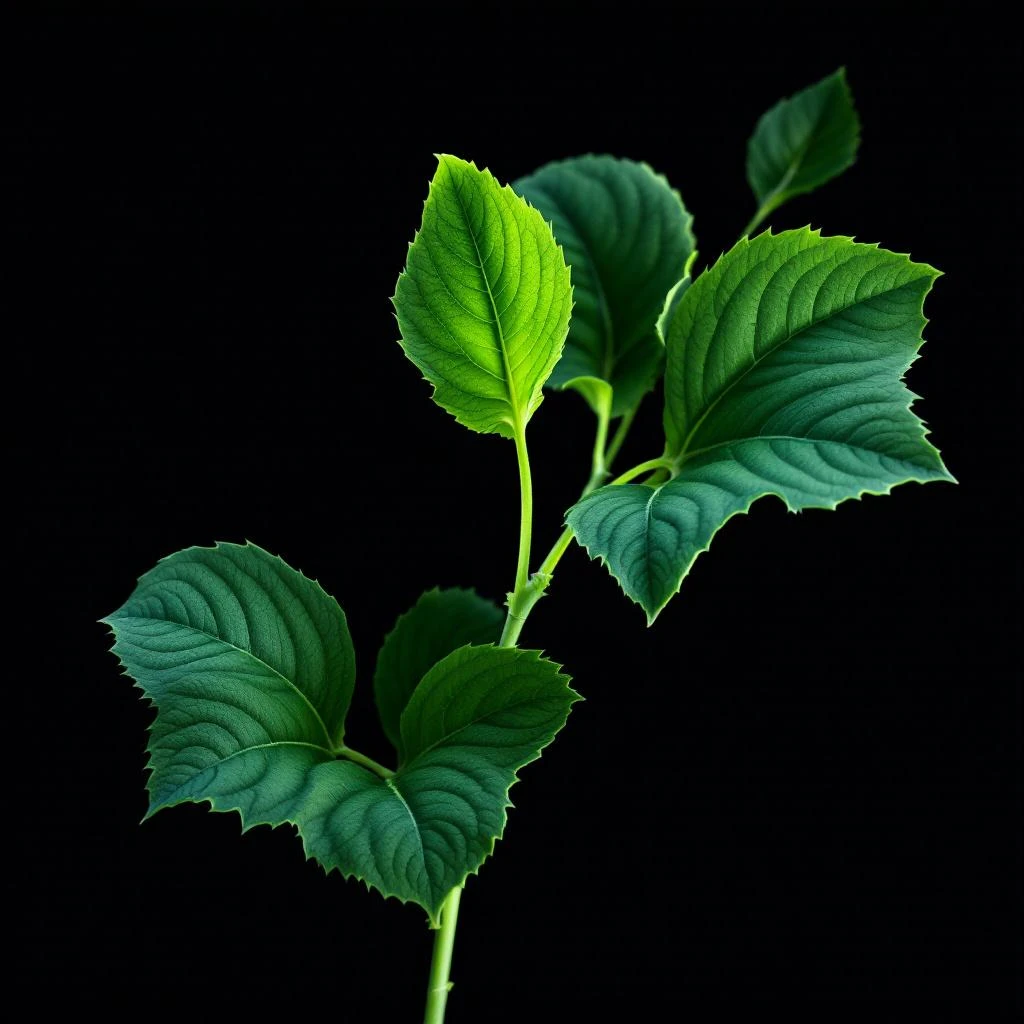
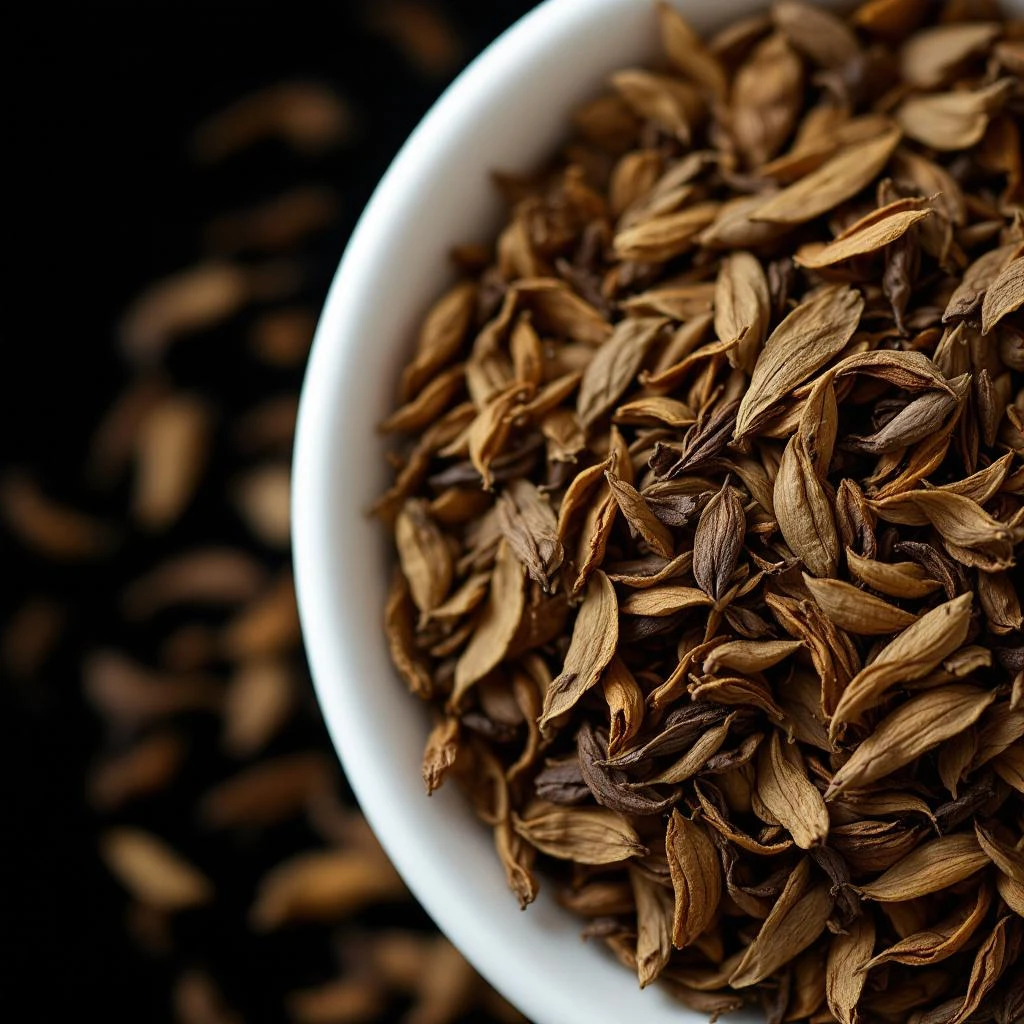
Peony leaf captures the crisp, green side of the peony plant, a watery, herbaceous facet that perfumers reach for when a peony accord needs freshness over floral sweetness.
Character
How it smells
The green breath of a mute flower
The peony bloom itself yields no usable extract, so every peony note in perfumery, including the leaf interpretation, is reconstructed through aroma molecules.
Pairs beautifully with
Origin
Switzerland
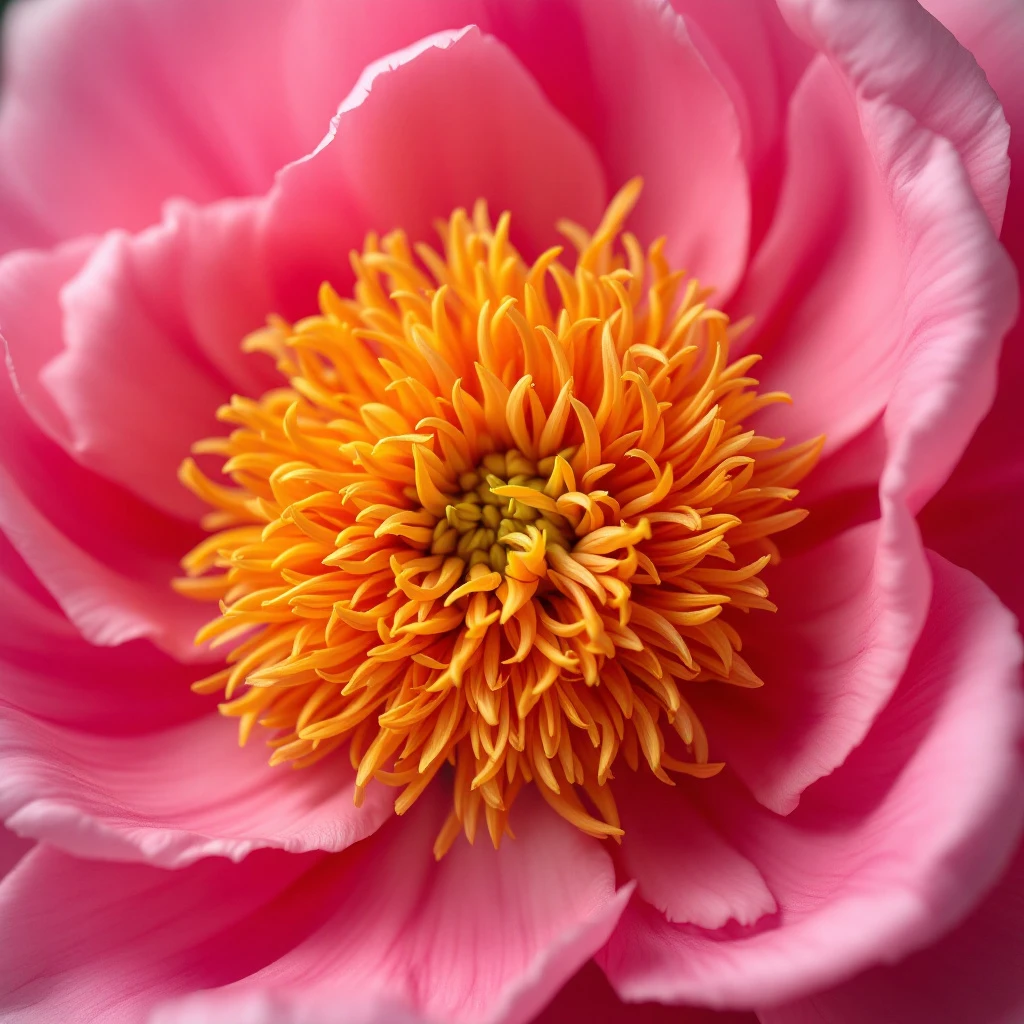
Peony carries one of the longest medicinal histories of any flowering plant, yet a remarkably short history as a direct perfume ingredient. In Traditional Chinese Medicine, peony root remains a staple treatment for night sweats, injuries, and abdominal discomfort, a use stretching back more than two thousand years. European herbal traditions similarly prized the plant for its roots, not its flowers.
The peony bloom entered Western gardens as an ornamental curiosity during the 18th and 19th centuries, but its scent resisted capture by distillation, enfleurage, or solvent extraction. By the early 20th century, perfumers had accepted peony as a mute flower, a bloom too delicate or too chemically stubborn to yield its fragrance to a flask. The breakthrough came only in 1976, when Jean-Pierre Bachmann synthesized Peonile at a major aroma-chemical house, giving the industry its first purpose-built peony molecule.
From that point, peony leaf and peony floral accords proliferated in fine fragrance, allowing perfumers to invoke the flower without ever harvesting it. The leaf accent, crisp and herbaceous, emerged alongside these floral reconstructions as a way to suggest the whole living plant rather than just the petal.
Wears it best
Fragrances featuring Peony Leaf
Brands
Brands known for Peony Leaf
Good to know
Questions, answered
The essentials on Peony Leaf in perfumery: how it smells, where it comes from, and how it behaves on skin.
What does peony leaf smell like?
Peony leaf carries a crisp, watery greenness with subtle bitter and sappy undertones. It smells fresher and more herbaceous than the peony bloom itself, which perfumers describe as rosy, dewy, and slightly honeyed.
Can peony leaf be extracted naturally?
No. Peony leaf has no commercially viable natural extraction. Every peony note in perfumery, including leafy facets, is reconstructed using synthetic aroma chemicals such as Peonile.
Why is peony called a mute flower?
Peony is classified as a mute flower because its scent cannot be captured through distillation, enfleurage, or solvent extraction. The living bloom resists every traditional extraction method used in perfumery.
What is Peonile?
Peonile is the first dedicated peony aroma molecule, synthesized in 1976 by chemist Jean-Pierre Bachmann. It remains the cornerstone of modern peony accords in fine perfumery.
Where does peony grow originally?
Peony is native to temperate regions of Asia, Europe, and western North America. China has cultivated herbaceous and tree peonies for over 1,500 years, both as ornamentals and for medicinal use.
Is peony leaf used in Traditional Chinese Medicine?
Peony root, not leaf, holds a central place in Traditional Chinese Medicine for treating night sweats, muscle pain, and abdominal complaints. The leaf has no significant documented medicinal role.
How do perfumers build a peony accord?
Perfumers combine synthetic molecules like Peonile with rose alcohols, hydroxycitronellal, and green notes such as cis-3-hexenol to reconstruct the flower's dewy, rosy, slightly green character.
Does peony leaf smell different from peony flower?
Yes. Peony leaf smells greener, more aqueous, and faintly bitter, like crushed foliage after rain. Peony flower reads as softer, rosier, and more honeyed, with the leaf note adding freshness to the accord.