Pencil
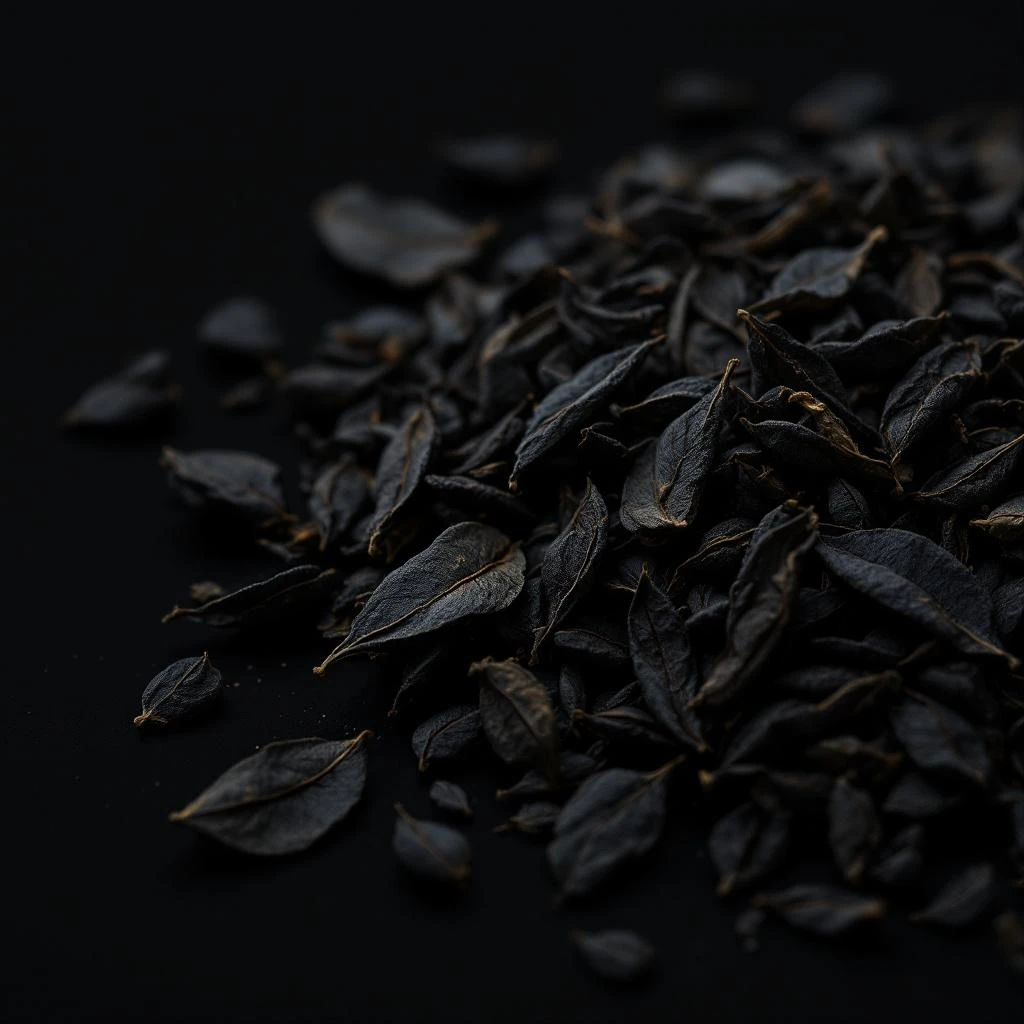
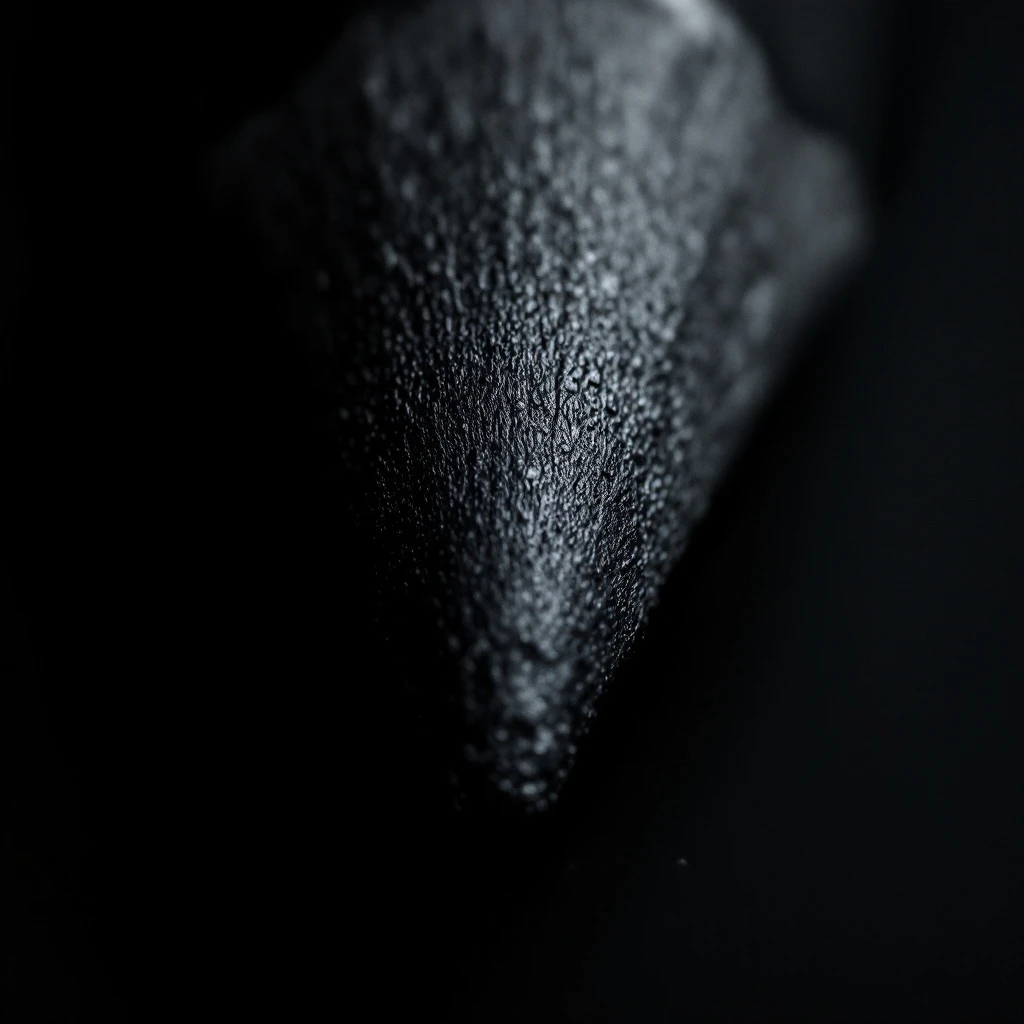
Pencil shavings in perfumery conjure a dry, woody-mineral scent that bridges the gap between a forest cabin and a stationery drawer. This unconventional note delivers graphite-like coolness, soft cedar warmth, and a subtle papery dryness that anchors modern compositions.
Character
How it smells
Graphite, cedar, and memory in a single breath
The pencil note in niche perfumery is typically reconstructed using cedarwood, vetiver, and synthetic molecules like iso E super to mimic the mineral-creamy facets of graphite and wood shavings.
Pairs beautifully with

Origin
France (accord construction); key raw materials from Morocco (cedar), Haiti (vetiver)
The pencil note has no ancient origin because graphite writing implements only entered widespread European use after the discovery of a large graphite deposit in Borrowdale, England, around 1564. Before the industrial production of cedar-encased pencils in Nuremberg beginning in the 17th century, the scent of wood and graphite together was largely unknown in daily life.
The idea of translating this everyday aroma into perfume belongs to the modern niche fragrance movement. Early 20th-century perfumers occasionally hinted at cedar and wood shavings, but the specific pencil accord gained recognition in the 1990s and 2000s.
Japanese perfumeries, known for celebrating quiet, everyday materials, helped legitimize these so-called utilitarian or memory-driven notes. Today, pencil sits within a broader trend of olfactory realism, where perfumers capture the smell of rain, paper, or old libraries, reflecting a cultural shift toward intimate, personal, and autobiographical scent experiences rather than purely botanical or floral traditions.
Wears it best
Fragrances featuring Pencil
Brands
Brands known for Pencil
Good to know
Questions, answered
The essentials on Pencil in perfumery: how it smells, where it comes from, and how it behaves on skin.
What does the pencil note smell like in perfume?
It smells like freshly sharpened cedar wood combined with cool, slightly metallic graphite and a soft papery dryness. The accord is dry, woody, and mineral rather than sweet.
Is pencil a natural or synthetic fragrance note?
It is primarily a reconstructed accord. Most pencil notes blend natural cedarwood and vetiver essential oils with synthetic molecules to capture the mineral quality of graphite.
Which perfumes feature a pencil note?
Several niche fragrances from the early 2000s onward use this accord. The note has appeared in compositions by independent houses exploring memory-driven, utilitarian scent profiles.
Why is pencil used in perfumery?
Perfumers use it to evoke nostalgia, intellectual warmth, and tactile intimacy. It adds a dry, grounding character that contrasts well with sweet or floral compositions.
What ingredients create a pencil accord?
A typical pencil accord includes cedarwood essential oil, vetiver, and synthetic materials like Cashmeran or Iso E Super. Some versions add birch tar for a charred edge.
When was the pencil note first used in perfumery?
The note gained traction in niche perfumery during the 1990s. Japanese and European indie perfumers popularized everyday, object-inspired scents around that period.
Does pencil note contain actual graphite?
No. Perfumers simulate the scent of graphite using aroma chemicals that mimic its cool, mineral character. No actual graphite is included in fragrance formulations.
Is pencil a masculine or unisex note?
It is largely unisex. Its dry, woody profile reads as neutral and tends to appeal across gender lines, especially in minimalist and avant-garde compositions.