Palm tree wood
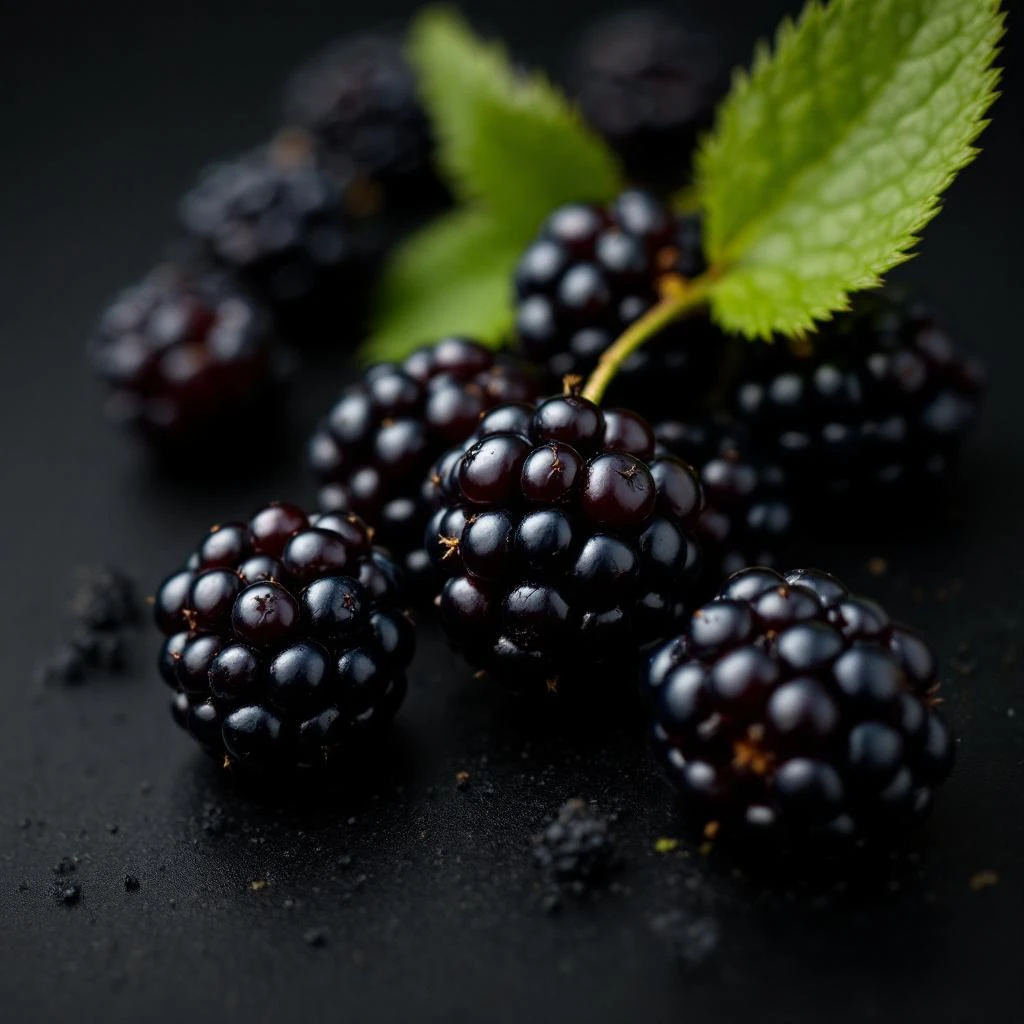
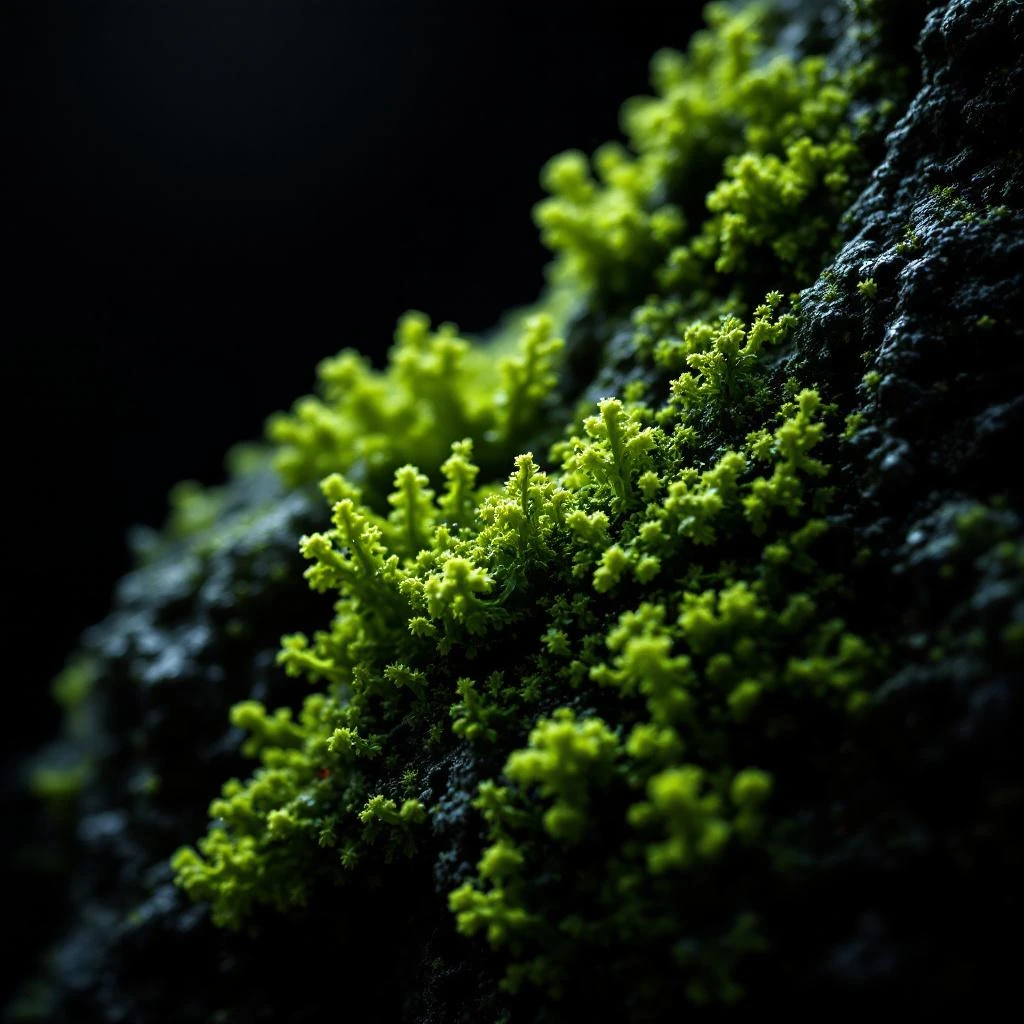
Palm tree wood delivers warm, moist earthy tones with subtle coconut and smoky undertones. This rare tropical material adds distinctive complexity to bases, creating recognizable exotic effects in fine fragrance.
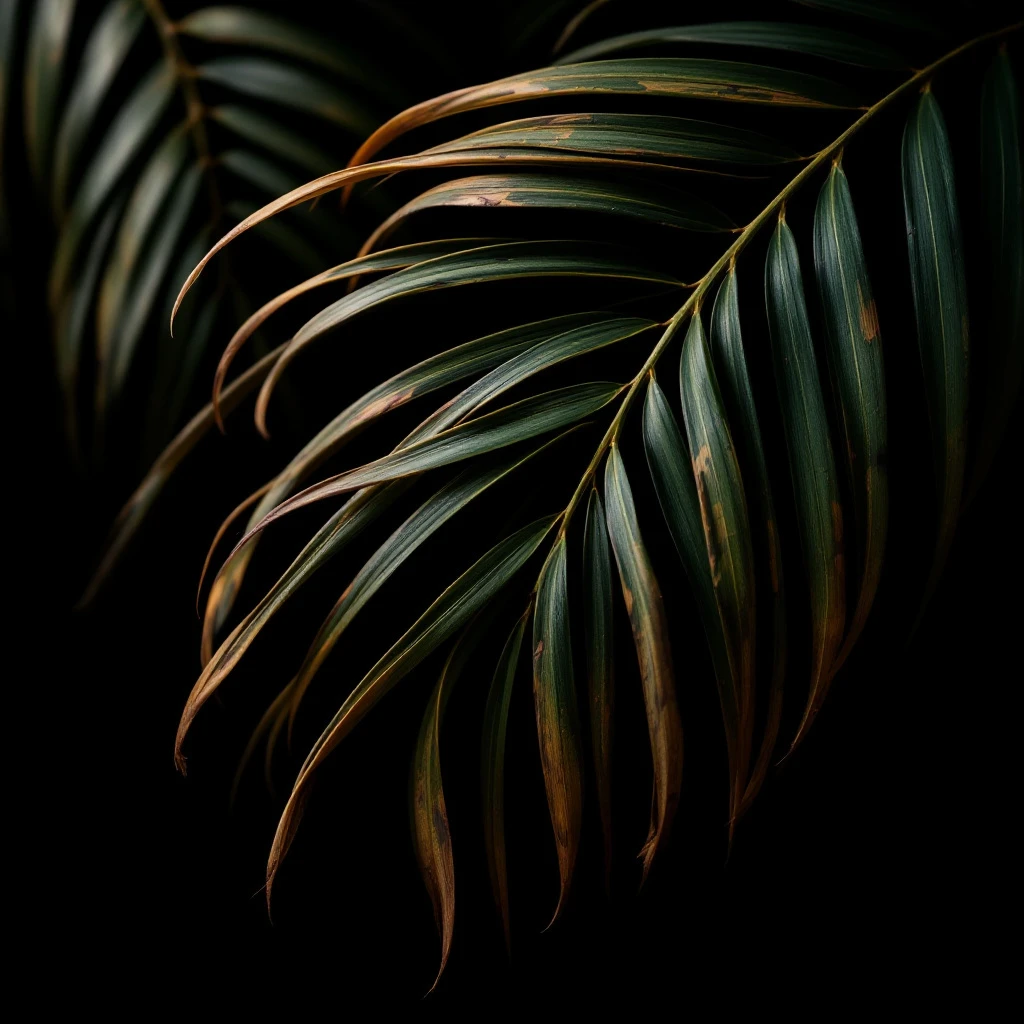
Character
How it smells
Warm, moist, earthy tropical complexity for bases.
Palm species span tropical regions across five continents, yet true palm wood remains one of the rarest woody materials in fine fragrance.




Origin
Ghana
Palm has woven through human perfumery history for millennia. Ancient Egyptians imported palm materials for fragrance production during Ptolemaic times. Greek records document palm oil as a traded luxury, transported along Mediterranean routes before becoming aromatic unguents.
Various palm species grow across the tropical world. Date palm, coconut palm, and oil palm each served different cultural traditions. African communities developed their own palm traditions using oil palm wood and fruit extracts for traditional preparations. Across Asia, coconut palm held sacred significance in Hindu and Buddhist practices.
While palm fronds, flowers, and fruits appear more frequently in historical perfumery, the wood itself represents a newer discovery in fine fragrance. Its warm, slightly sweet tropical character creates recognizable exotic effects, much prized for its rarity and the complexity of extraction. The material continues to earn attention as perfumers seek distinctive tropical woody notes from sustainably managed sources.
Wears it best
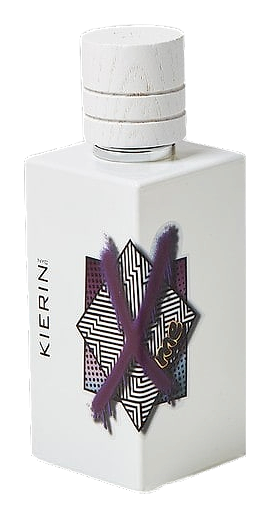
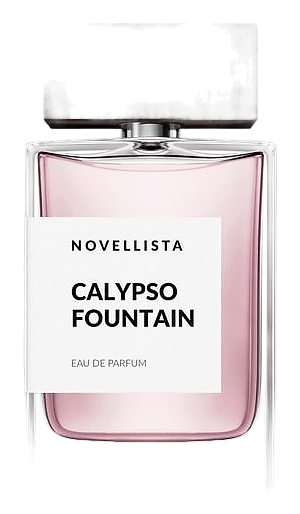
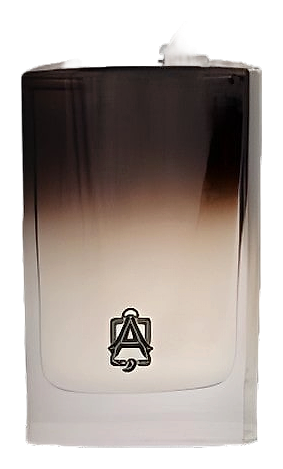
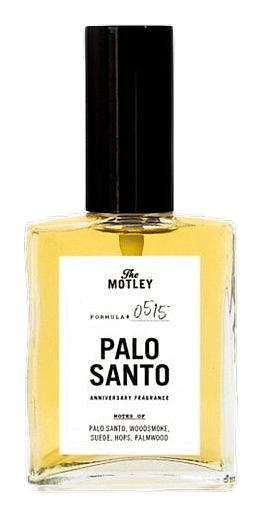
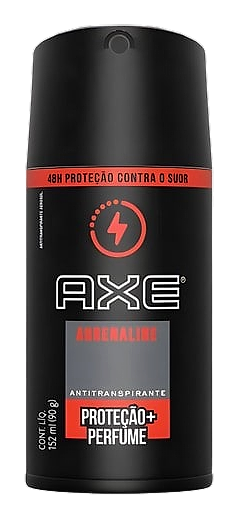
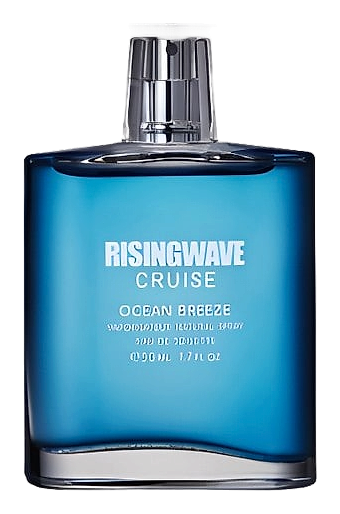
Fragrances featuring Palm tree wood


Brands
Brands known for Palm tree wood
Good to know
Questions, answered
The essentials on Palm tree wood in perfumery: how it smells, where it comes from, and how it behaves on skin.
What does palm tree wood smell like?
Palm tree wood carries grassy green top notes with tropical undertones. The heartwood contributes warm, moist, and earthy characteristics that deepen base compositions. Smoky nuances emerge in dry-down, adding complexity rather than dominance.
What role does palm tree wood play in perfumery?
The material functions as a base note fixative, adding tropical warmth to woody and exotic fragrance constructions. Its dense composition makes it ideal for anchoring lighter top notes in complex blends. Perfumers use it sparingly for its earthy depth.
Where does palm tree wood originate from?
Oil palm grows across tropical Africa, originating from West Guinea. Current production centers include Ghana, Nigeria, and the Ivory Coast. Coconut palms provide similar aromatic potential from Southeast Asia and tropical Pacific regions. Origin specifications vary by supplier.
Why does palm tree wood appear rarely in fine fragrance?
True palm wood remains uncommon compared to established woody materials. Extraction presents challenges. The material appeals to perfumers seeking distinctive tropical woody notes that create recognizable exotic effects in a composition, earned through rarity and extraction complexity.
What extraction method produces palm tree wood absolute?
Solvent extraction produces the absolute from palm wood. The dense material resists steam distillation. Processors use food-grade solvents to extract aromatic compounds from ground wood. Some producers employ CO2 extraction as an alternative method.
Is palm tree wood a sustainable fragrance ingredient?
Oil palm cultivation raises legitimate sustainability concerns regarding deforestation and biodiversity loss in tropical regions. Coconut palm wood presents a less problematic alternative. Reputable suppliers now source from certified sustainable plantations, verified through organizations like the Roundtable on Sustainable Palm Oil.
How does palm tree wood compare to coconut fragrance?
Palm tree wood absolute does not replicate coconut or palm kernel oil scents. The woody material itself carries subtle tropical undertones. Coconut water sweetness appears only as a nuance in palmetto wood, shared with coconut wood specifically. The material serves as a base note, not a primary coconut fragrance.
What fragrance families pair best with palm tree wood?
Palm tree wood suits tropical and exotic fragrance families alongside woody and Oriental constructions. It combines well with coconut, vanilla, sandalwood, and other warm base notes. Date palm, oil palm, coconut palm, and sago palm offer distinct sensory profiles, from grassy and green to lightly floral.