Oysters
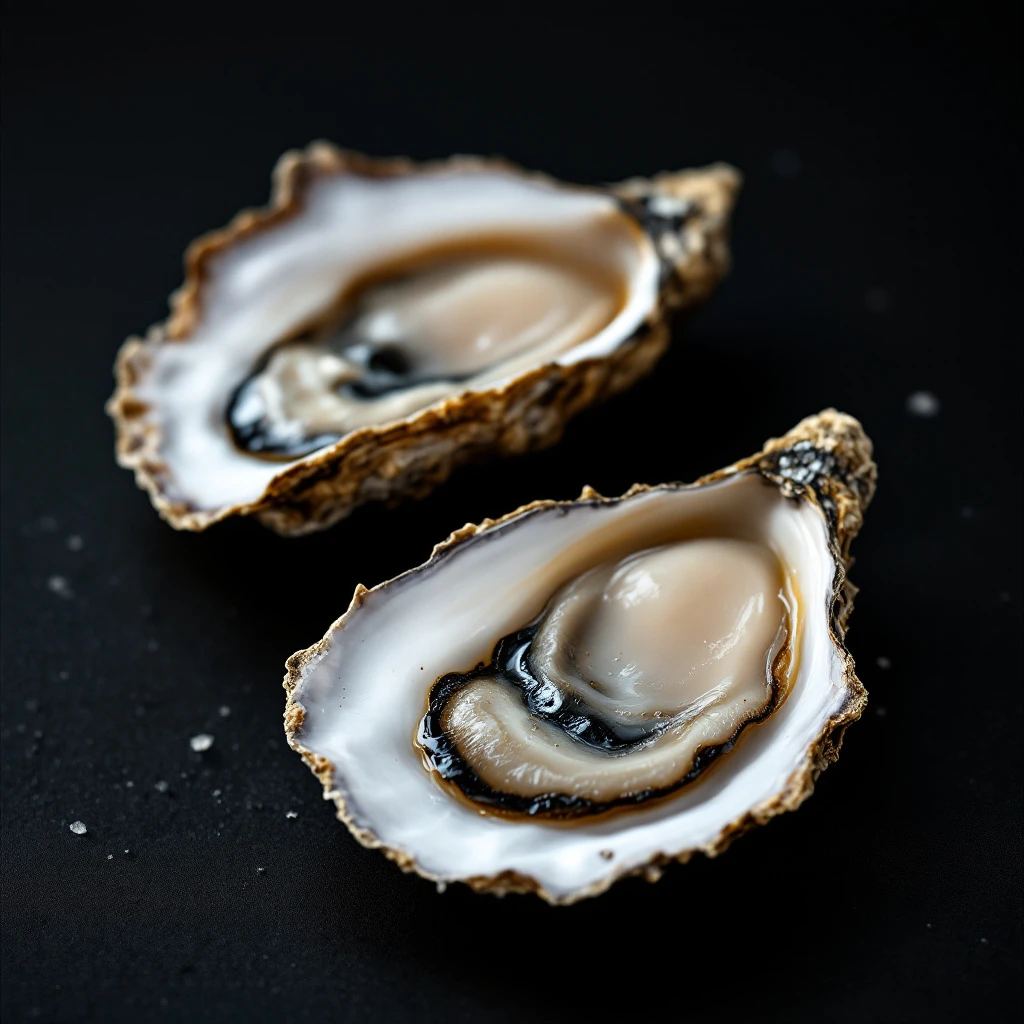
Oysters deliver a briny, mineral freshness rarely captured in perfumery. Discover how marine scientists and perfumers reconstruct this coastal essence for aquatic fragrances.
Character
How it smells
The sea's mineral soul, recreated for fragrance
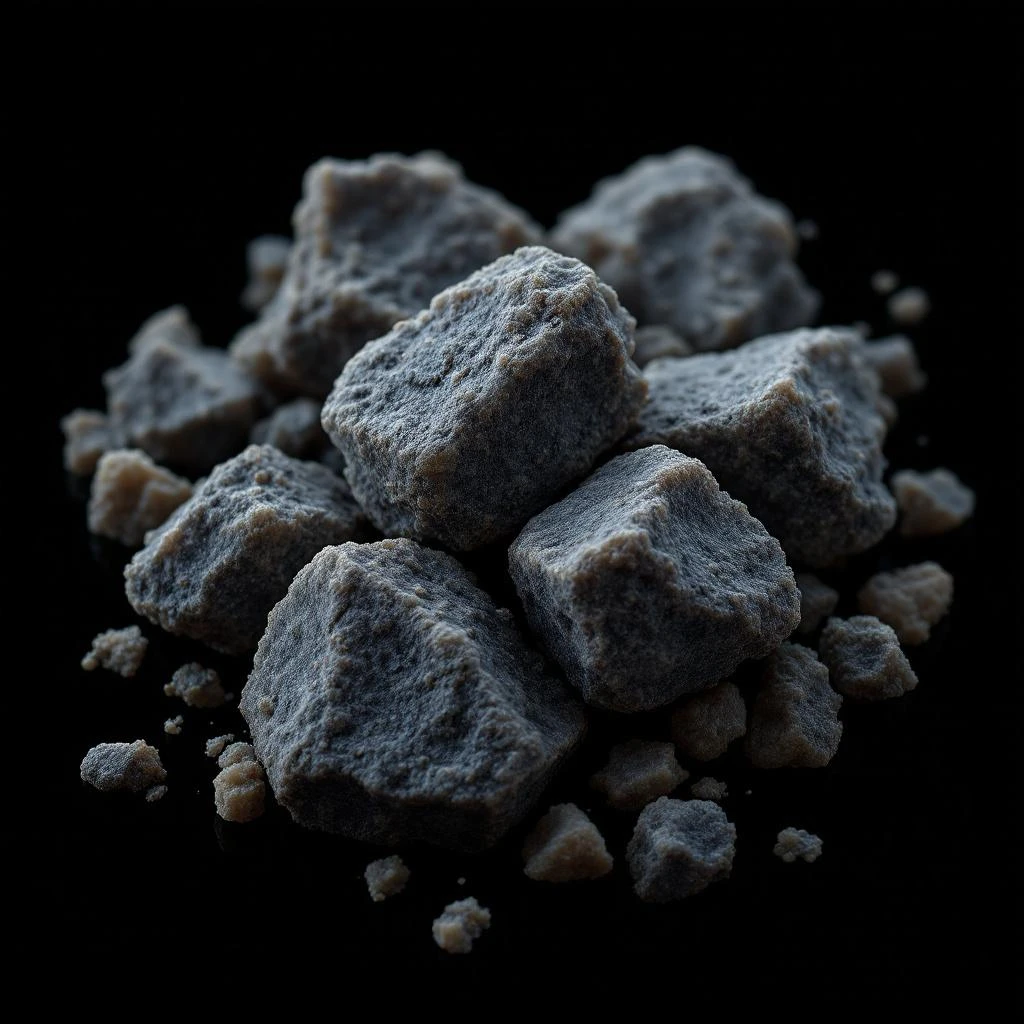
Real oyster extract was once a luxury perfumery ingredient, used sparingly in a handful of 1970s chypres to add uncanny marine realism.





Origin
Japan
Oysters entered perfumery through marine biologist collaborations in the early 1970s. Fragrance houses sought authentic aquatic notes beyond standard seaweed extracts.
The breakthrough came when Japanese researchers documented the complete volatile profile of live oysters, identifying why fresh oysters smell so distinctly marine. By 1975, several niche houses began experimenting with oyster-derived accords in limited-edition fragrances.
The ingredient never became mainstream due to production challenges and cost, but it established a precedent for marine ingredients beyond traditional ambergris. Today, oyster accords represent the sophisticated end of aquatic perfumery, appearing in luxury fragrances that aim for genuine ocean character rather than synthetic sunscreen substitutes.
Wears it best
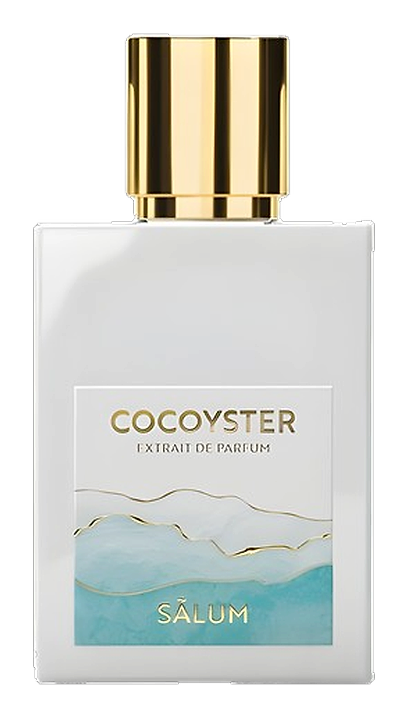
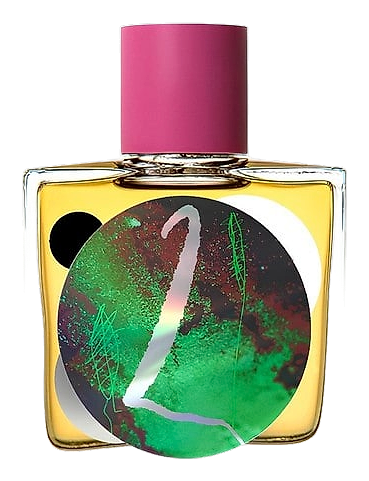
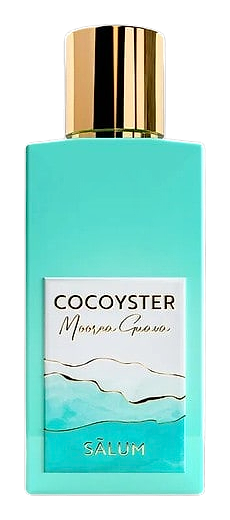
Fragrances featuring Oysters



Brands
Brands known for Oysters
Good to know
Questions, answered
The essentials on Oysters in perfumery: how it smells, where it comes from, and how it behaves on skin.
What does oyster smell like in perfume?
Oyster accord delivers briny salinity with mineral undertones. Expect sharp marine notes upfront, followed by a subtle earthy-mushroom quality from octenol compounds. The effect is a deeply authentic coastal freshness that reads as both clean and animalic.
Is oyster a natural or synthetic ingredient?
Modern oyster notes are synthetic reconstructions. Perfumers analyze the volatile compounds of fresh oysters using headspace technology, then rebuild the profile using marine molecules like dimethyl sulfide. Natural oyster absolute exists but remains extremely rare.
Which fragrances feature oyster as a key note?
Oyster appears in several niche aquatic fragrances released between 2015-2020. Houses like Aedes de Venustas and Atelier des Ors have used oyster accord to create hyper-realistic marine effects. Check current fragrance databases for specific products.
How much oyster accord do perfumers typically use?
Perfumers use oyster accord sparingly, typically 1-5% of a fragrance formula. The note works as a supporting character in marine bases rather than a dominant feature. Even small amounts add convincing ocean authenticity.
What other ingredients pair well with oyster?
Oyster accord pairs naturally with marine woody notes like driftwood and kelp. It also complements mineral ingredients such as ambrette seed and ambergris. In modern formulations, perfumers combine it with calone for enhanced aquatic effect.
Can oyster extract be used in natural perfumery?
Natural oyster absolute exists but presents challenges. The flesh oxidizes quickly, extraction costs are high, and the result varies by harvest location. Most natural perfumers prefer synthetic oyster accord for consistency and ethical sourcing.
What makes oyster note different from standard marine accords?
Standard marine accords typically use calone or dihydromyrcenol for synthetic ocean character. Oyster accord goes further by including earthy, umami-like molecules that replicate the actual scent of live oysters on the half shell. The result feels more authentic and less synthetic.
Where can I find fragrances with oyster note?
Look for niche perfumery houses and independent designers who specialize in marine fragrances. Specialty retailers and indie fragrance platforms typically stock these products. Authenticity-focused marine fragrances often list oyster as a specific note on their ingredient transparency pages.