Orange Tea
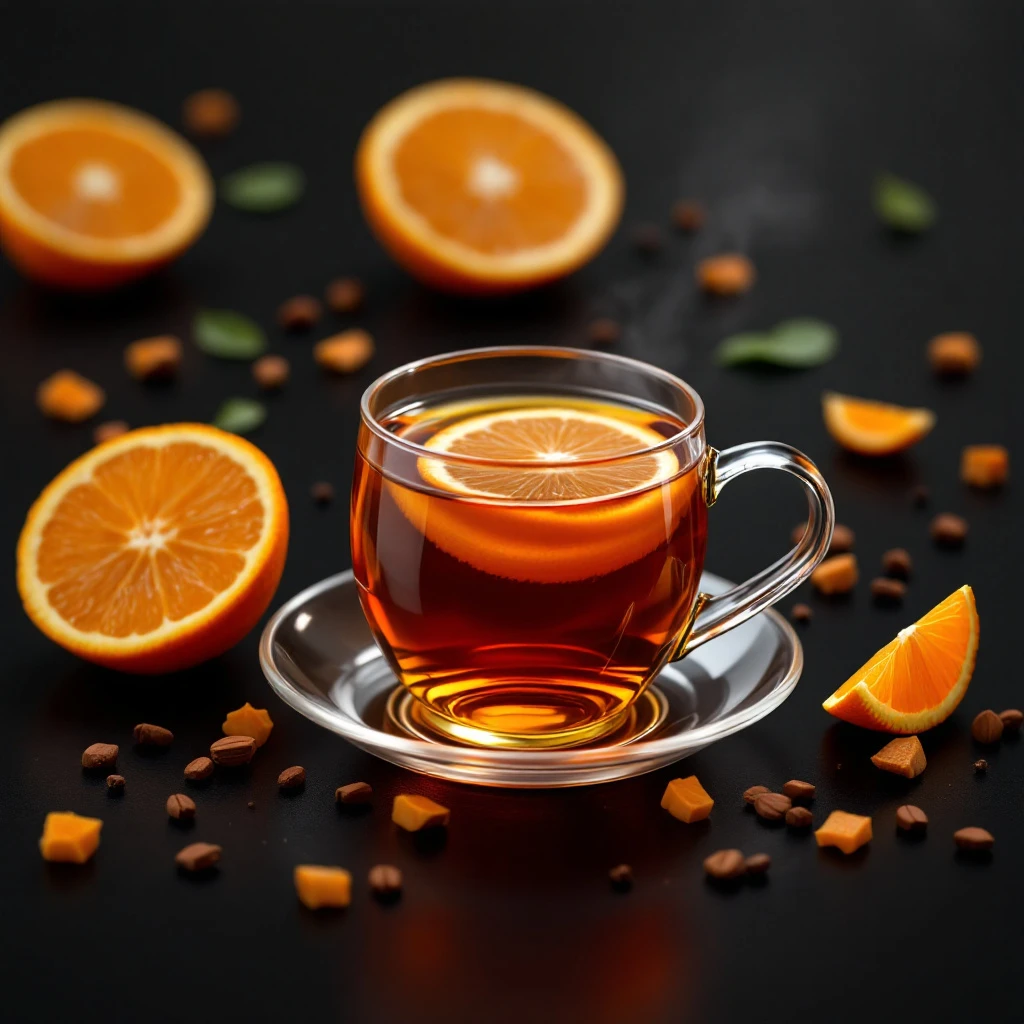
Orange Tea pairs the luminous peel of orange with the green, honeyed facets of tea, creating a note that feels both citrus-bright and quietly refined.
Character
How it smells
Orange brightness meets the calm of tea.
Orange blossom and orange peel come from different parts of Citrus aurantium, yet both contribute distinct aromatic materials to perfumery.
Pairs beautifully with
Origin
Morocco
Orange has a long history in scented preparations. Orange peel has been used for fragrance and food since antiquity, while citrus cultivation expanded across Mediterranean and Middle Eastern regions through trade and agricultural exchange. Orange blossom entered European perfumery through distilled floral oils associated with the work of the Persian physician and chemist Ibn Sina, also known as Avicenna.
In the 19th century, orange blossom cultivation in France became especially important to natural perfumery, with the flowers supporting the production of neroli and orange-flower absolutes. Production later declined as synthetic aroma chemicals changed the economics of fragrance making. Tea itself has also carried symbolic and aromatic associations in many cultures, but the modern idea of pairing citrus with tea belongs to contemporary perfumery, where both notes can be adjusted for clarity, bitterness, and dry texture.
Orange Tea therefore joins two established fragrance materials, using citrus for radiance and tea for a composed, gently bitter finish.
Wears it best
Fragrances featuring Orange Tea
Brands
Brands known for Orange Tea
Good to know
Questions, answered
The essentials on Orange Tea in perfumery: how it smells, where it comes from, and how it behaves on skin.
What does Orange Tea smell like in perfume?
Orange Tea usually smells bright, citrusy, and slightly leafy, with a dry bitter finish. Its character depends on the proportions of orange oil, tea materials, and any supporting floral notes used by the perfumer.
Is Orange Tea a natural ingredient or a fragrance accord?
Orange Tea is generally an accord, not one naturally occurring substance. It combines orange-derived materials with tea extracts or aroma chemicals that suggest tea leaves, tannin, and gentle bitterness.
Which part of the orange is used for Orange Tea perfume?
The aromatic peel of sweet orange, Citrus sinensis, is the main source of orange oil. Orange blossom may also be used, although it contributes a floral rather than fruity profile.
How is orange oil produced for perfumery?
Orange oil is commonly produced by cold compression or steam distillation. Cold compression presses the peel for a fresh, juicy aroma, while steam distillation separates volatile compounds through heated water vapor.
Does Orange Tea contain actual tea?
Some formulations include real tea extracts, but many rely on selected aroma chemicals to reproduce the smell of black, green, or Earl Grey tea. These materials can provide dry leaves, smoke, tannin, and subtle floral notes.
Is Orange Tea suitable for unisex fragrances?
Yes. Its citrus profile can feel fresh and polished, while the tea accord adds softness and dryness, allowing the note to work across many compositions without imposing a strongly gendered character.
What fragrance family is Orange Tea?
Orange Tea most often fits within citrus and aromatic fragrance families. Depending on the formulation, it can also share notes with green, woody, or tea-oriented compositions.
Does Orange Tea smell sweet?
It can smell lightly sweet when orange oil is prominent, but tea materials often introduce a drier, more bitter finish. The balance changes with citrus, floral, and smoky additions.