Ocean Musk
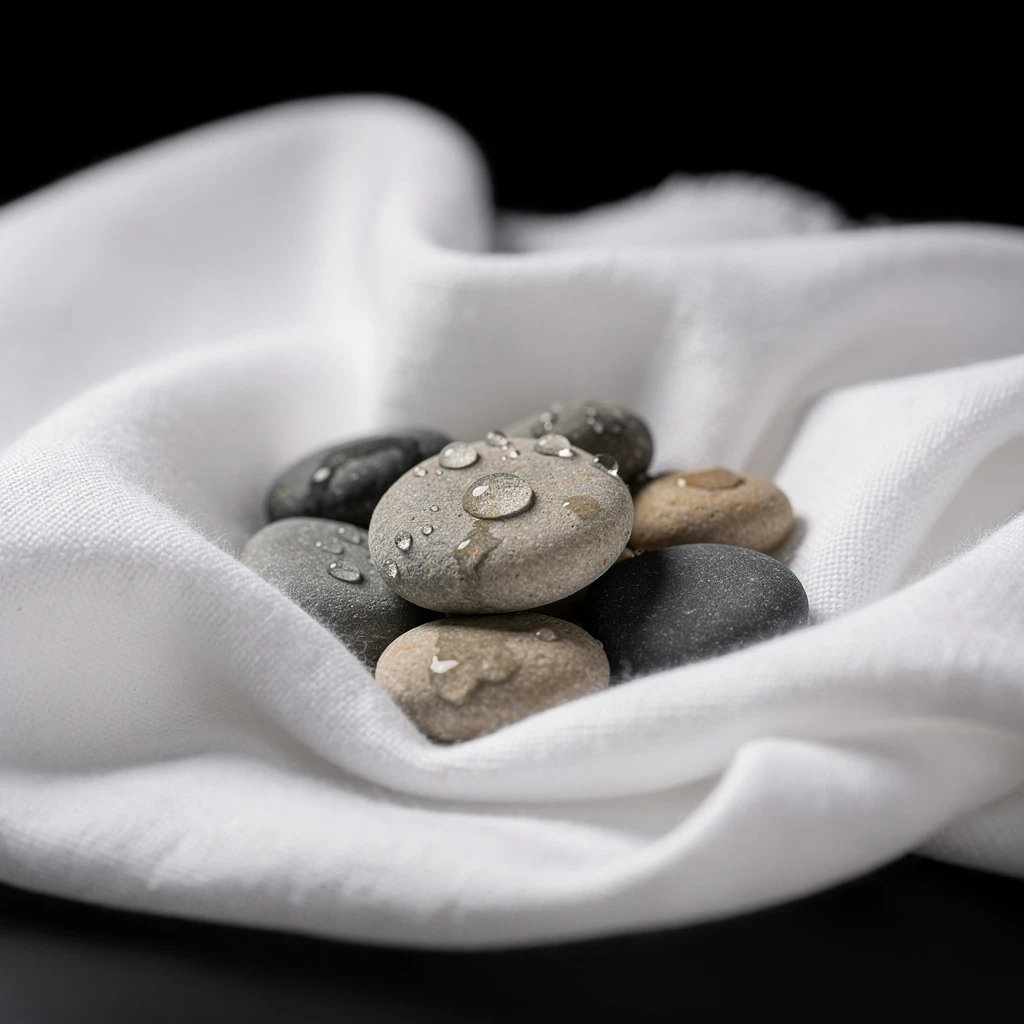
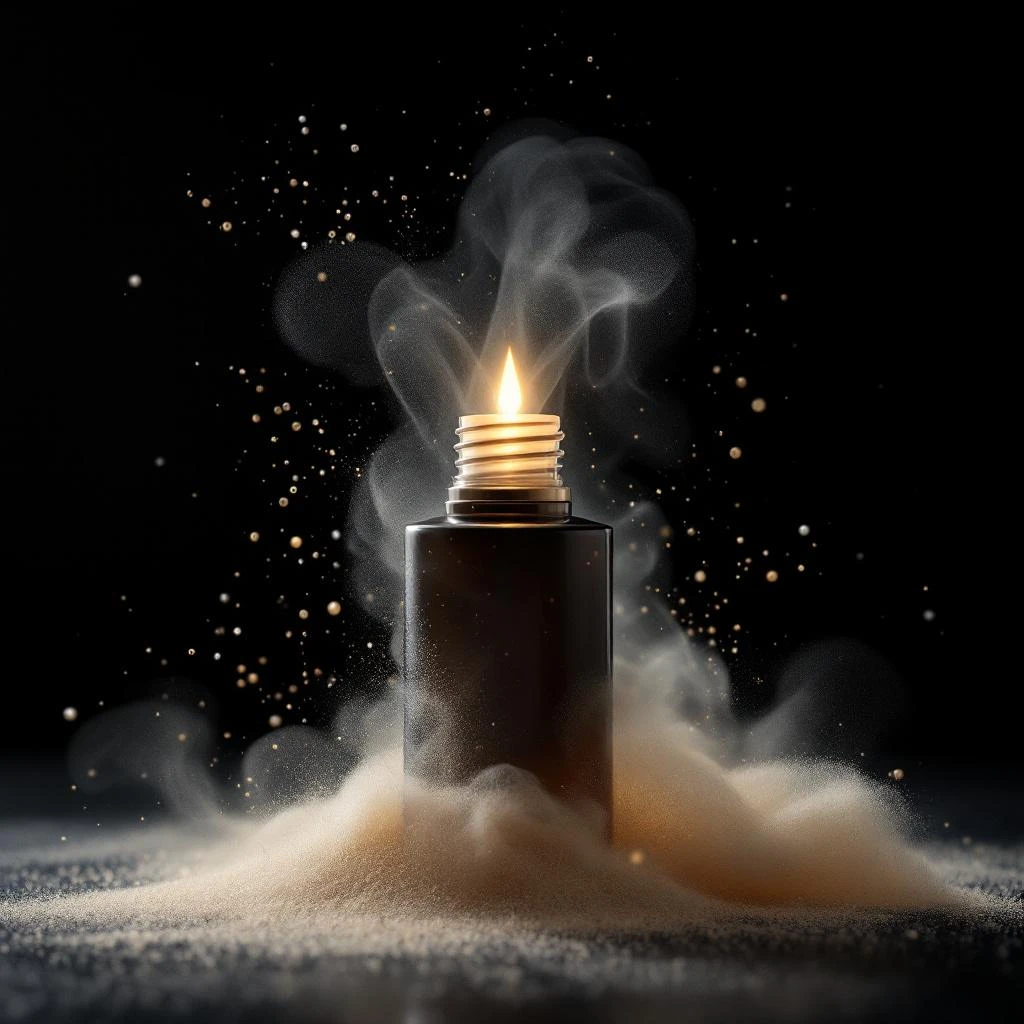
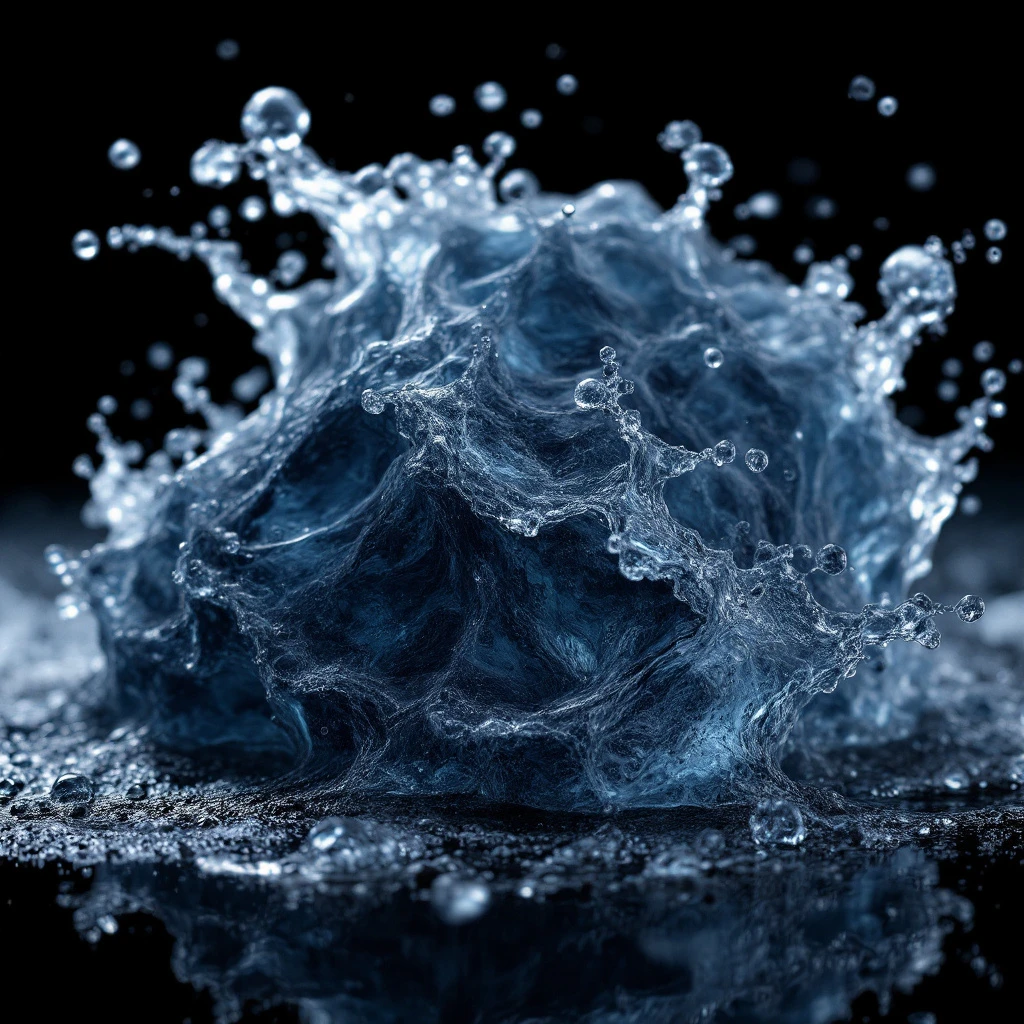
Ocean Musk pairs marine freshness with a clean, skin-like musk trail, recalling salt air, cool surf, and soft white musk.
Character
How it smells
Salt air wrapped in soft, clean musk.
The first synthetic musks appeared around 1900, replacing animal musk in perfumery and opening the way for modern white-musk accords.
Pairs beautifully with

Origin
Global
Musk has a long, complicated history in perfumery. Natural musk came from the glandular secretion of the male musk deer, especially the Tibetan musk deer, and was prized for its warm, powerful, skin-like aroma. Its use was associated with severe animal exploitation, and the species became endangered through hunting and habitat loss.
The shift toward synthetic substitutes began in the late nineteenth century and accelerated during the early twentieth century, when chemists developed compounds that reproduced musk's distinctive character without animal sourcing. White musk became a major perfumery idiom, valued for its clean diffusion and soft trail. Ocean Musk extends that tradition with marine and ozonic notes, reflecting modern fragrance preferences for fresh, transparent, and mineral-like effects.
Today, the name most often signals an aquatic interpretation of musk rather than a literal material extracted from the sea.
Wears it best
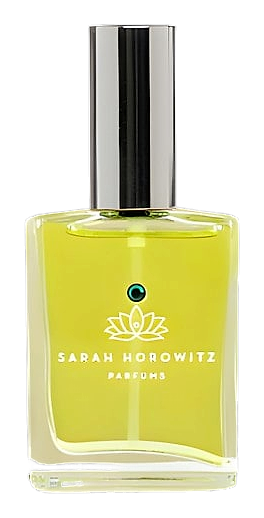
Fragrances featuring Ocean Musk
Brands
Brands known for Ocean Musk
Good to know
Questions, answered
The essentials on Ocean Musk in perfumery: how it smells, where it comes from, and how it behaves on skin.
What does Ocean Musk smell like?
Ocean Musk usually smells cool, salty, and aquatic, with a clean musk base that softens the sharper marine notes. It commonly suggests sea air, wet stone, and warm skin, although the exact profile changes with the formula.
Is Ocean Musk made from real ocean ingredients?
Usually, no. Most Ocean Musk fragrances are built from laboratory-made musk compounds, aquatic accords, and aromatic chemicals. A formula may include seaweed, ambergris-inspired, or ozonic notes without containing substantial natural ocean materials.
Is Ocean Musk animal-derived?
Most modern Ocean Musk formulas are animal-free because they use synthetic or plant-derived alternatives. Historic natural musk came from musk deer and involved cruelty, so contemporary perfumery relies on substitutes such as polycyclic, macrocyclic, and alicyclic musks.
When were synthetic musks first developed?
Synthetic musk materials appeared around the beginning of the twentieth century, after animal musk had been widely used. This chemical development allowed perfumers to reproduce a similar musky effect without sourcing secretion from animals.
How is Ocean Musk produced?
Producers blend selected musk molecules with watery, mineral, salty, and ozonic aroma chemicals. The concentrate is then matured and used at controlled concentrations in perfumes, soaps, and other scented products.
Does Ocean Musk last longer than ordinary aquatic notes?
It often does, because musk molecules provide diffusion and a lasting base. Aquatic notes can disappear quickly on their own, while a balanced Ocean Musk formula keeps its clean, skin-like trail present for longer.
Is Ocean Musk the same as white musk?
No, though the two categories overlap. White musk emphasizes a clean, soft, intimate effect, while Ocean Musk adds marine, mineral, salty, or ozonic notes. Ocean Musk may still include white-style musks as its foundation.
Why is Ocean Musk popular in contemporary perfumes?
It combines freshness with a rounded, lasting base. The result suits the modern preference for transparent aquatic scents that still feel comfortable on skin rather than sharp, artificial, or purely citrus-led.