
Heritage
A house, in its own words
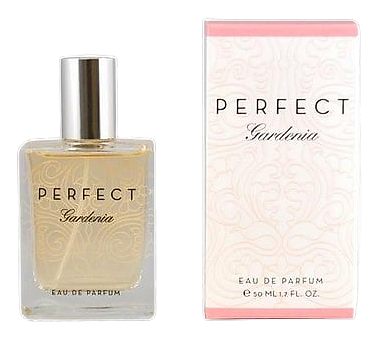
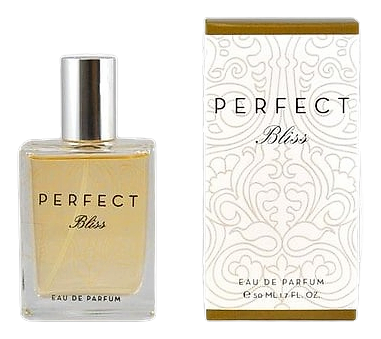
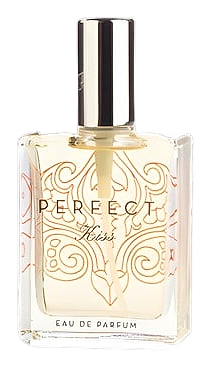
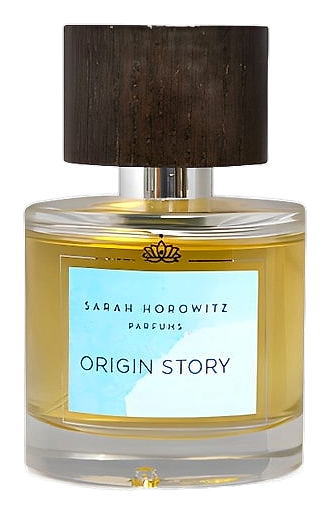
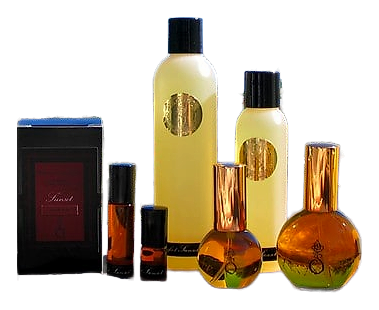
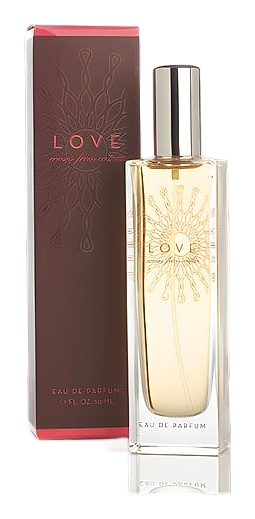
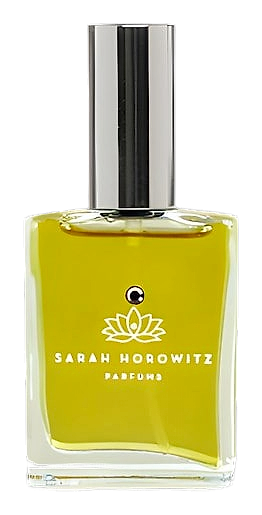
Sarah Horowitz-Thran stumbled into perfumery by accident. A theater student at Emerson College in Boston during the late 1980s, she took a part-time job at an offbeat establishment that sparked her fascination with scent. She began designing custom fragrances for clients, honing her craft one bespoke creation at a time. This hands-on experience with individual clients shaped her understanding of how fragrance connects to memory and identity. The transition from custom work to a commercial collection came in the late 1990s with her Perfect Parfums line. Perfect Gardenia launched first, eventually joined by Perfect Love and Perfect Tuberose in 1998. These founding scents established her approach: single-note focused compositions with emotional resonance. The collection expanded over the following decade, adding Perfect Hope and Perfect Sunset in 2001, Perfect Bliss in 2002, and Perfect Innocence in 2004. As her reputation grew, Horowitz-Thran began exploring broader themes. Huntress arrived in 2011, marking a shift toward more complex narratives. Rose Gold followed in 2016, described as an homage to the woman who commands attention in any room. More recent releases including Pride & Carnation, Life's A Beach, and Violet Haze in 2019 demonstrate her ongoing evolution while maintaining the personal touch that has defined her work from the start. Horowitz-Thran approaches fragrance as an emotional medium rather than simply a beauty product. She designs scents that capture specific moments, feelings, and aspects of identity. This philosophy stems directly from her background in custom perfumery, where she learned that people wear fragrance to express who they are or who they wish to become. Her Perfect Parfums collection embodies this thinking with its single-flower focus. Rather than building complex bouquets, she strips each fragrance to its essential character. Perfect Gardenia, Perfect Tuberose, Perfect Rose: these are declarations rather than suggestions. The naming itself reinforces the directness. Perfect Love does not hint at romance; it claims it. What distinguishes her work is the accessibility she maintains despite her artisanal approach. While many independent perfumers cater to fragrance connoisseurs, Horowitz-Thran creates scents that welcome newcomers to the category. Her compositions avoid aggressive sillage or challenging accords in favor of wearable warmth. This accessibility, combined with her indie credibility, explains her longevity in a challenging market.