Nappa Leather
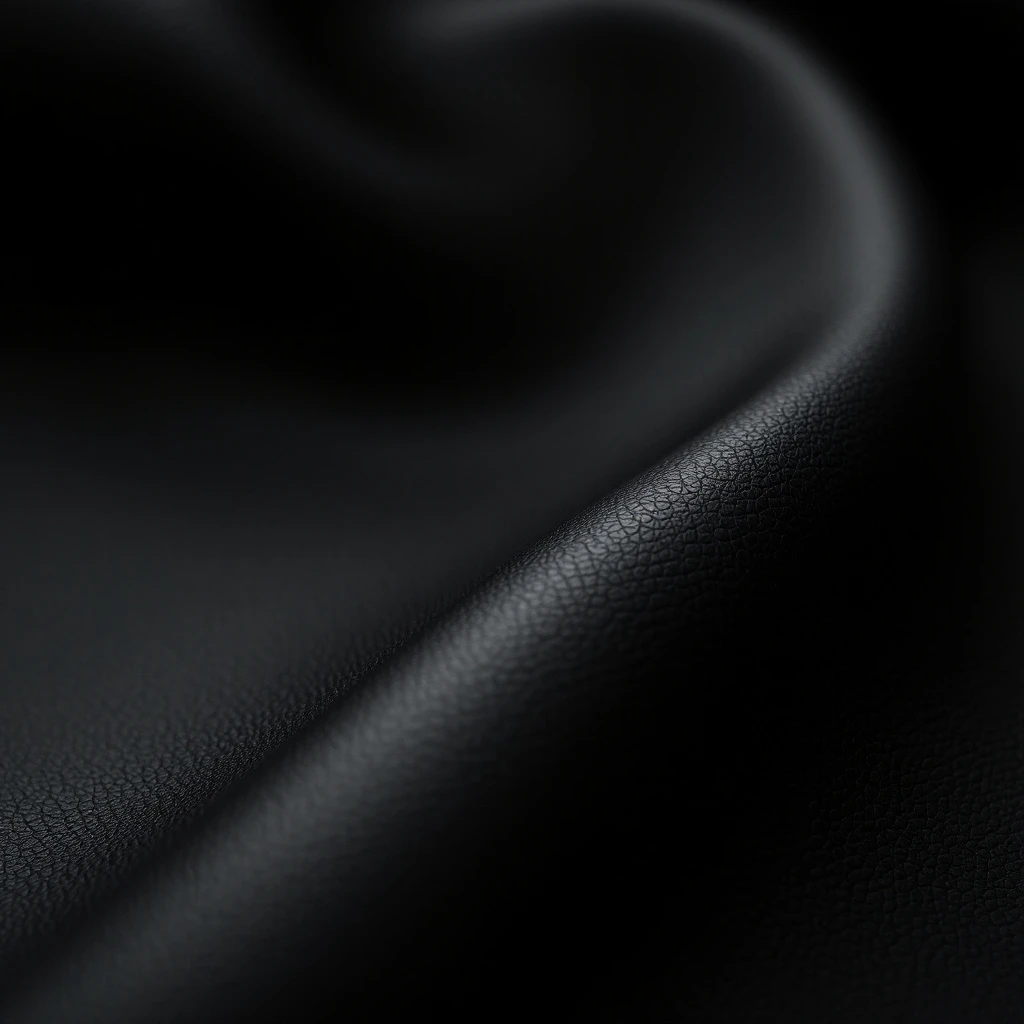
Nappa leather opens like the sun-warmed interior of a luxury car. Soft, creamy, and undeniably warm, it carries the memory of fine gloves and supple accessories crafted in Grasse since the 1800s.
Character
How it smells
The softest leather, born of Mediterranean tradition.
The name comes from Napa Valley, California, where this premium full-grain sheepskin was first produced for driving gloves in the early 20th century.







Origin
United States
Leather notes entered perfumery through necessity. Glovemakers in Grasse, France, who crafted scented gloves for French nobility during the Renaissance, found that their materials absorbed fragrance oils exceptionally well. By the mid-1800s, perfumers had developed dedicated leather tinctures using birch tar and cade oil to create distinct leather bases.
The term Nappa emerged in the early 20th century, named for the Napa Valley region of California where tanners produced exceptionally soft full-grain sheepskin. American tanneries combined Mediterranean techniques with local materials, creating a leather prized for its buttery texture. When perfumers sought to capture this particular leather quality, they found natural materials insufficient.
The soft, almost powdery warmth of Nappa leather required molecular precision, marking leather notes as one of perfumery's earliest triumphs of synthetic reconstruction over nature.
Wears it best
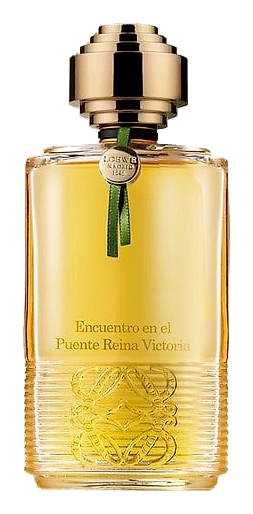
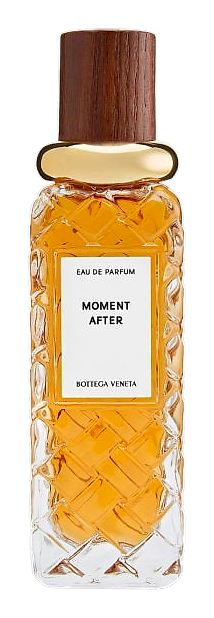
Fragrances featuring Nappa Leather

Brands
Brands known for Nappa Leather
Good to know
Questions, answered
The essentials on Nappa Leather in perfumery: how it smells, where it comes from, and how it behaves on skin.
What does Nappa leather smell like in perfume?
Nappa leather reads as soft, warm, and slightly powdery. It lacks the smoky tar quality of traditional leather bases and instead evokes the interior of a luxury automobile or fine leather accessories. The scent is comforting rather than aggressive.
Is Nappa leather a natural or synthetic ingredient?
It is primarily synthetic. Nappa leather accord combines aromatic molecules like isobutyl quinoline with resinous materials such as styrax. No single natural material reproduces this specific leather quality, making it a perfumer's construction.
Where does the name Nappa leather come from?
The name traces to Napa Valley, California, where tanners developed a signature full-grain sheepskin process in the early 1900s. The leather's exceptional softness made it ideal for driving gloves, and perfumers later adopted the name for this scent profile.
Which perfumes use Nappa leather as a prominent note?
Many contemporary fragrances feature Nappa leather, particularly those marketed as luxury or automotive-inspired scents. The note appears frequently in women's perfumes seeking a soft, modern leather quality rather than traditional smoky leather.
How is Nappa leather different from other leather notes?
Traditional leather notes like birch tar or cade oil carry smoky, tarry, and animalic qualities. Nappa leather instead emphasizes soft warmth and subtle creaminess, closer to suede than to heavy boot leather. It represents the modern, refined interpretation of leather.
Does Nappa leather have any association with Grasse?
Yes. Grasse, France, remains the spiritual home of leather notes in perfumery. Local glove-makers first developed leather tinctures in the 1800s, and the town's perfumers refined these techniques into the sophisticated leather accords used today.
Is Nappa leather suitable for vegan or cruelty-free perfumes?
Yes. Modern Nappa leather accord contains no animal materials. The entire construction relies on synthetic molecules and plant-derived resins, making it compatible with vegan and cruelty-free formulations.
What companion notes work well with Nappa leather in fragrance blends?
Nappa leather pairs naturally with powdery notes like iris and heliotrope, which reinforce its soft quality. Woody notes such as sandalwood and cedar add warmth, while subtle vanilla can enhance its creamy character without overwhelming the leather.