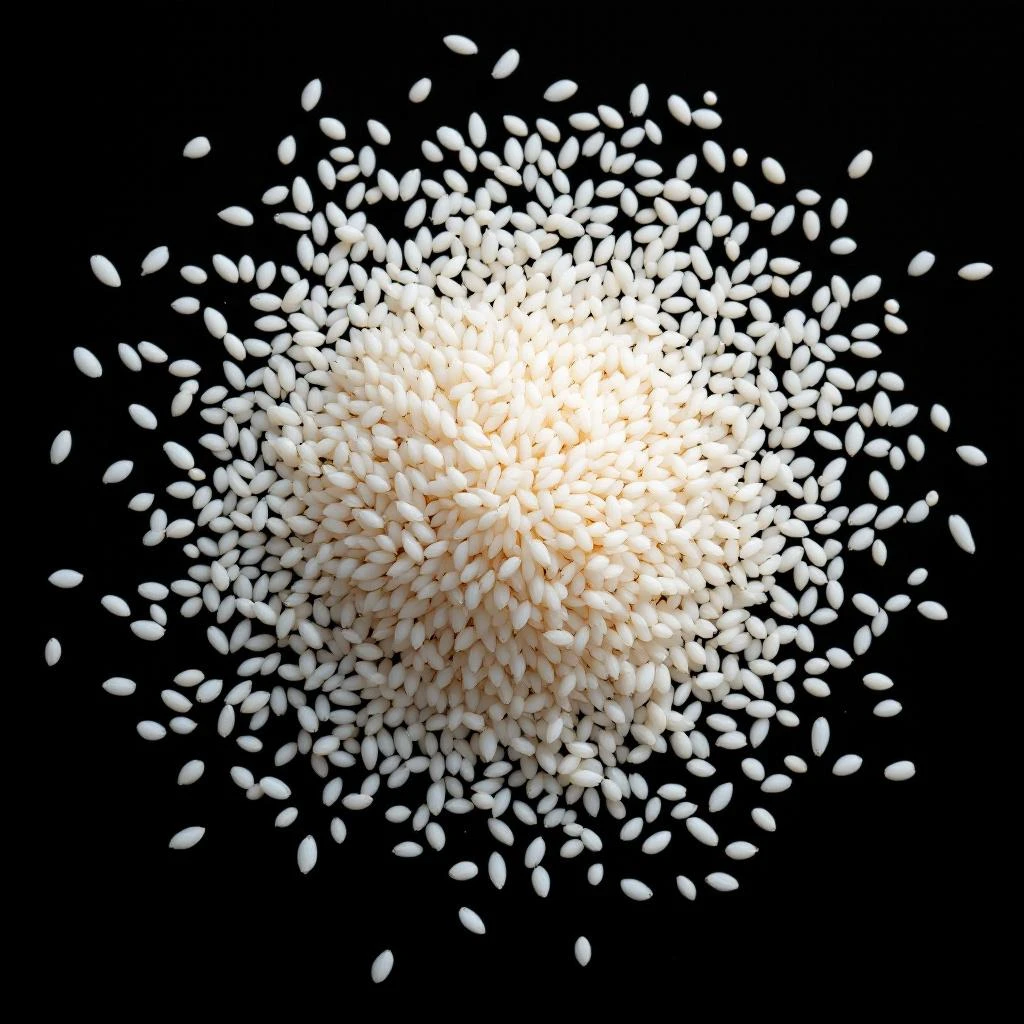
Mung Bean
The humble seed that shaped modern perfumery. Tonka bean delivers the sweet, warm embrace of vanilla, tobacco, and almonds that anchors countless fragrances. Behind its simple appearance lies a molecule that revolutionized the entire industry.
Character
How it smells
The seed that redefined modern fragrance
Coumarin, the compound that makes tonka irresistible, was the first synthetic aroma molecule used in perfume, debuting in 1889.


Origin
Venezuela
Long before tonka bean earned its place in fine fragrance, it served a simpler purpose: perfuming cupboards. Crushed and powdered, these Amazonian seeds were sold in small sachets throughout Central and South America, bringing their sweet warmth to stored linens and clothing. The discovery of coumarin in 1820 changed everything.
When English chemist William Henry Perkin synthesized coumarin in 1868, he opened a door that would reshape perfume history. The molecule appeared in Guerlain's Jicky that same year, becoming the first synthetic fragrance compound to enter a prestige perfume. Today, while natural tonka absolute remains precious and regulated due to coumarin restrictions in the United States, its influence persists.
Over 30 percent of commercial fragrances contain coumarin in some form, a testament to the modest seed from the Amazonian rainforest that transformed an industry.
Wears it best
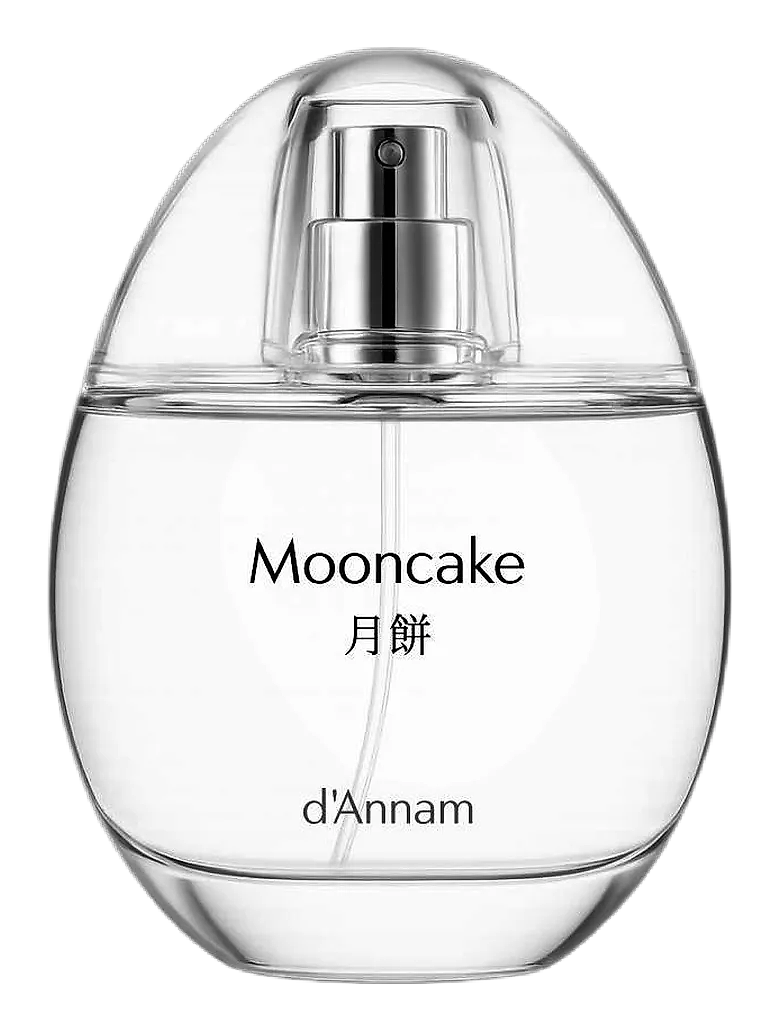
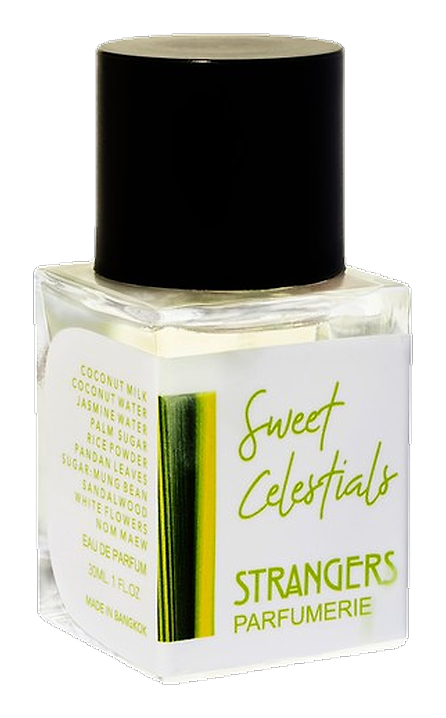
Fragrances featuring Mung Bean
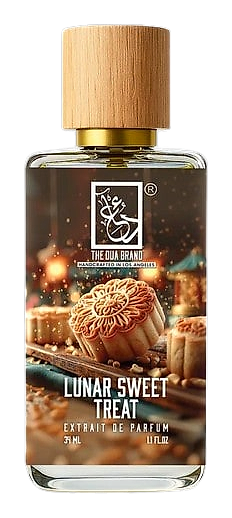
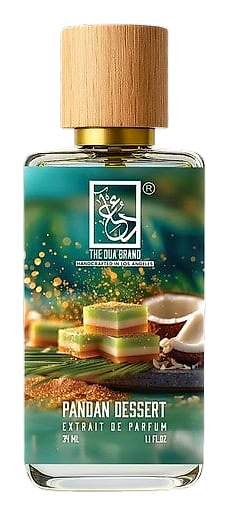
Brands
Brands known for Mung Bean
Good to know
Questions, answered
The essentials on Mung Bean in perfumery: how it smells, where it comes from, and how it behaves on skin.
What does tonka bean smell like?
Tonka bean offers warm, sweet aroma combining vanilla, tobacco, caramel, and toasted almonds. Natural tonka absolute carries more complexity than synthetic coumarin, with subtle spicy and creamy facets.
Why is tonka bean banned as food in the US?
The FDA banned tonka bean as food in 1954 due to coumarin content. Coumarin in high doses may cause liver damage, though the trace amounts in perfumes pose no consumer risk.
Is synthetic coumarin different from natural tonka bean?
Synthetic coumarin replicates the primary aroma molecule but lacks the botanical's full complexity. Natural tonka absolute contains dozens of compounds creating richer, more nuanced fragrance development.
Where do the best tonka beans come from?
Venezuela produces the world's most prized tonka beans, particularly those harvested from the Amazon basin. Venezuelan tonka commands premium pricing due to superior coumarin content and traditional harvesting methods.
How much coumarin is in tonka bean?
Natural tonka beans contain approximately 1 to 3 percent coumarin by weight. Regulatory bodies set limits on coumarin in consumer products, which perfumers carefully calculate when formulating.
When was coumarin first synthesized?
English chemist William Henry Perkin synthesized coumarin in 1868. His discovery enabled affordable production of the molecule, democratizing the warm, sweet note across the fragrance industry.
What famous perfume first used synthetic coumarin?
Guerlain's Jicky, released in 1889, was the first prestige perfume to feature synthetic coumarin alongside natural isolates like linalool and ethyl vanillin, marking a turning point in perfumery history.
Can I smell tonka bean in most fragrances?
Over 30 percent of commercial fragrances contain coumarin, whether from natural tonka extract or synthetic reproduction. The warm, powdery base notes in many popular scents trace directly to this humble Amazonian seed.