Mousse de vanille
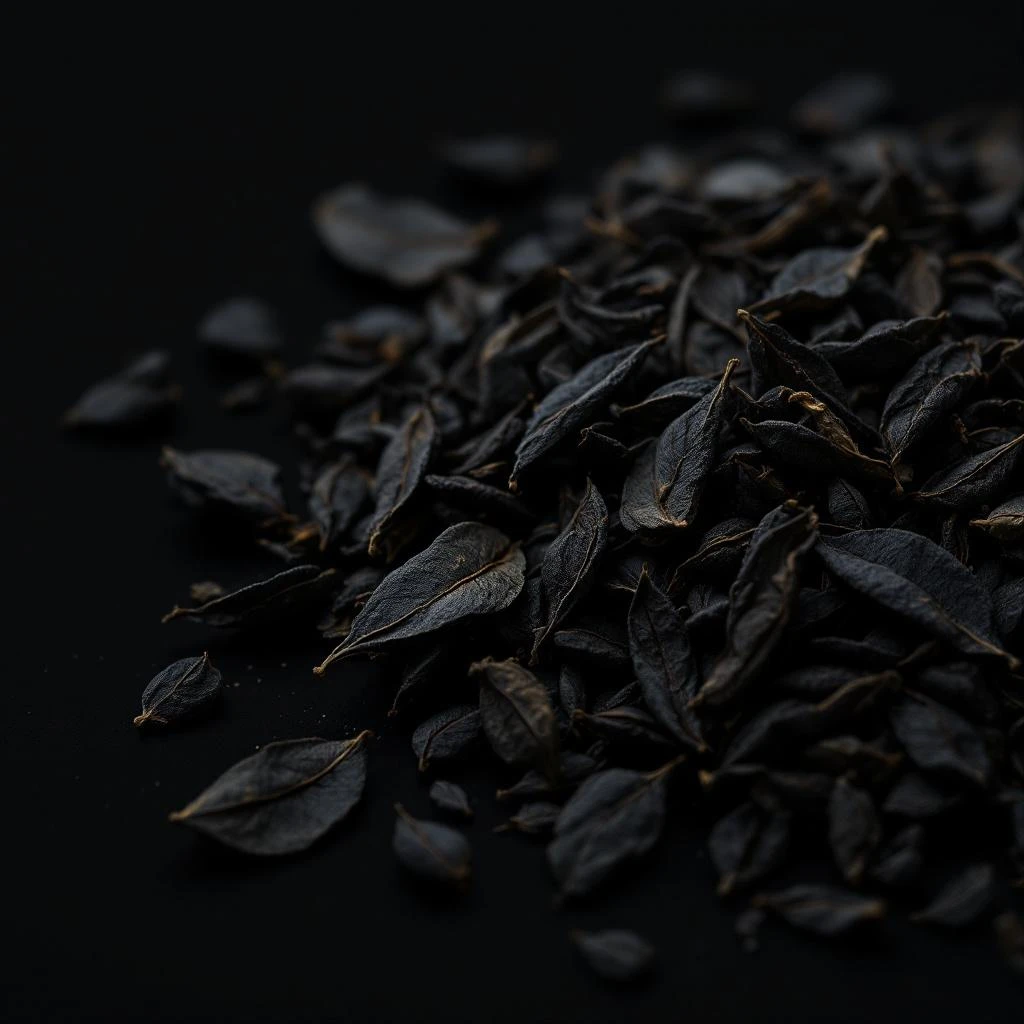
Mousse de vanille is a signature perfumery accord combining the earthy depth of moss with vanilla's creamy warmth. This blend creates a distinctive aromatic profile that evokes damp forest floors warmed by afternoon sun, translated into an intimate wearable form.
Character
How it smells
Where forest floors meet warm vanilla.
The moss used in perfumery is actually a lichen that grows on oak trees, not a true moss, giving this accord its technical name: oakmoss absolute.






Origin
France
The moss-vanilla combination emerged naturally in classical perfumery as perfumers discovered that adding warmth to mossy compositions created more wearable fragrances. The oakmoss ingredient itself has ancient roots in perfumery, documented in Mediterranean fragrance traditions since antiquity.
Vanilla's journey began when Spanish conquistadors encountered it in Mesoamerica during the 16th century, bringing the orchid Vanilla planifolia to European attention. By 1841, twelve-year-old Edmond Albius on Réunion island discovered how to hand-pollinate vanilla flowers, enabling global cultivation.
The synthetic vanillin compound entered perfumery in the late 19th century, allowing perfumers to standardize vanilla notes. The mousse de vanille accord represents a synthesis of these traditions, combining the ancient moss with vanilla's New World discovery into a single perfumery material that defines classic chypre and fougère families.
Wears it best
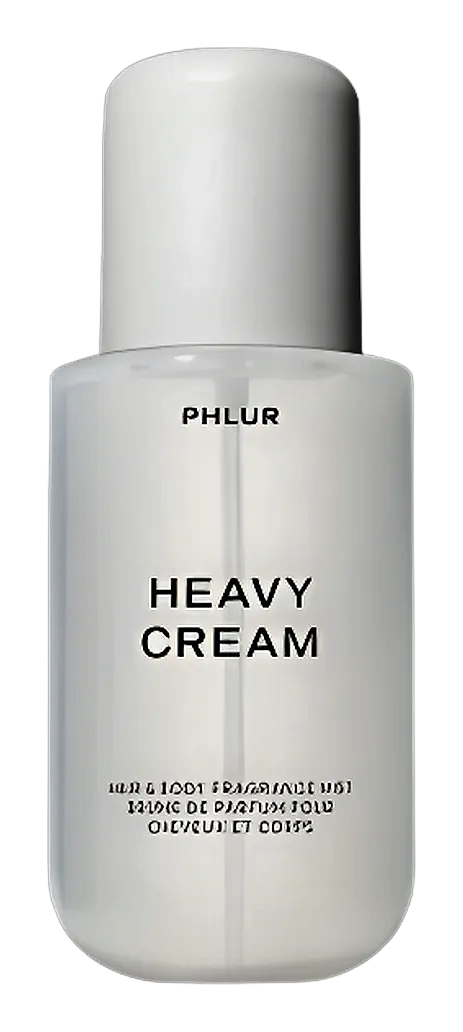
Fragrances featuring Mousse de vanille
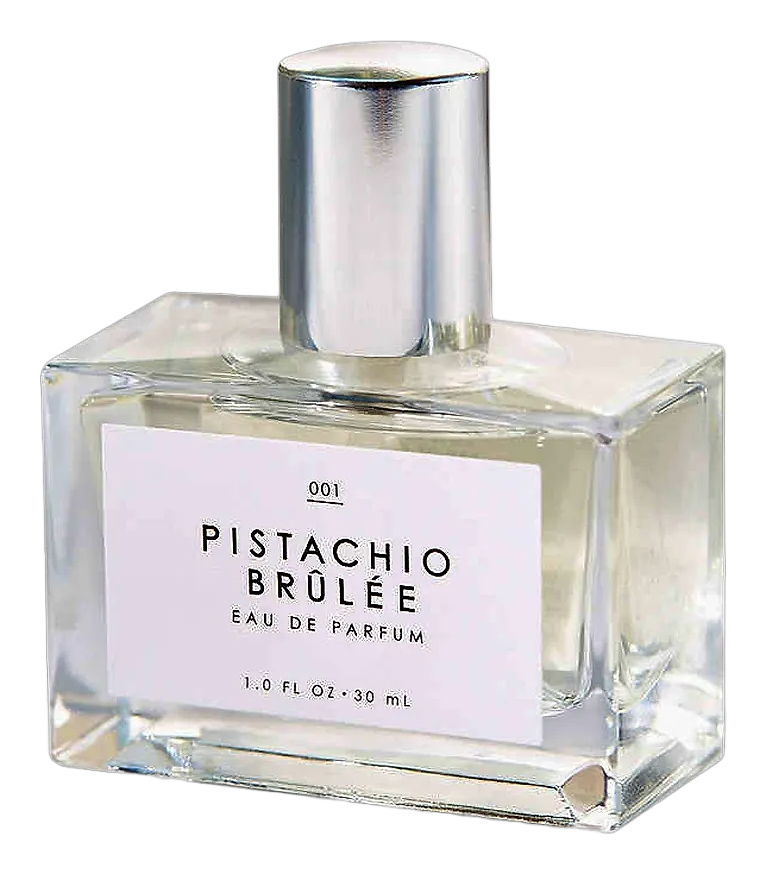
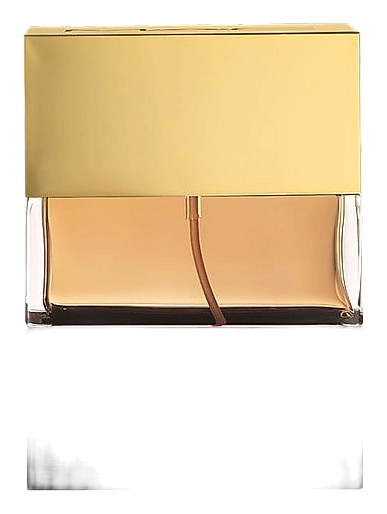
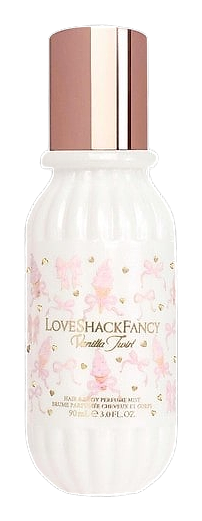
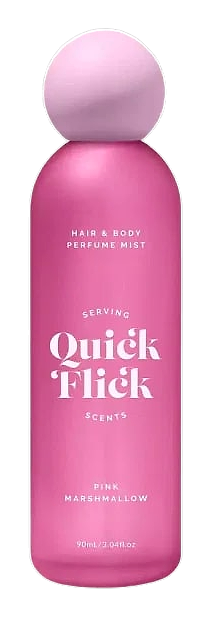
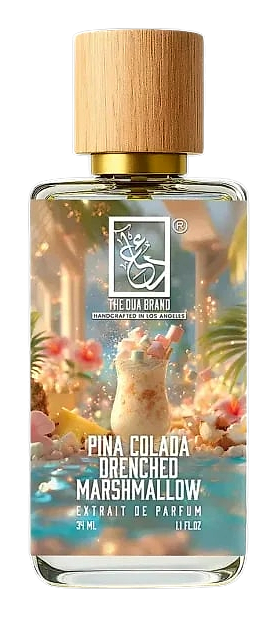
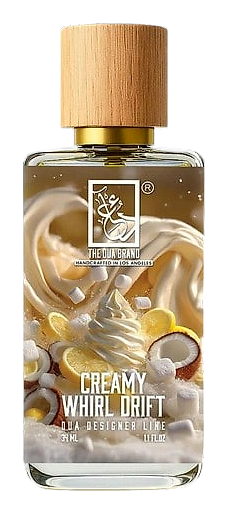
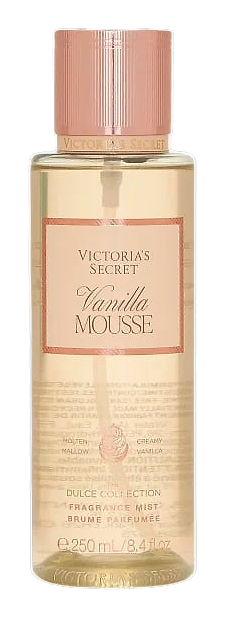

Brands
Brands known for Mousse de vanille
Good to know
Questions, answered
The essentials on Mousse de vanille in perfumery: how it smells, where it comes from, and how it behaves on skin.
What does mousse de vanille smell like?
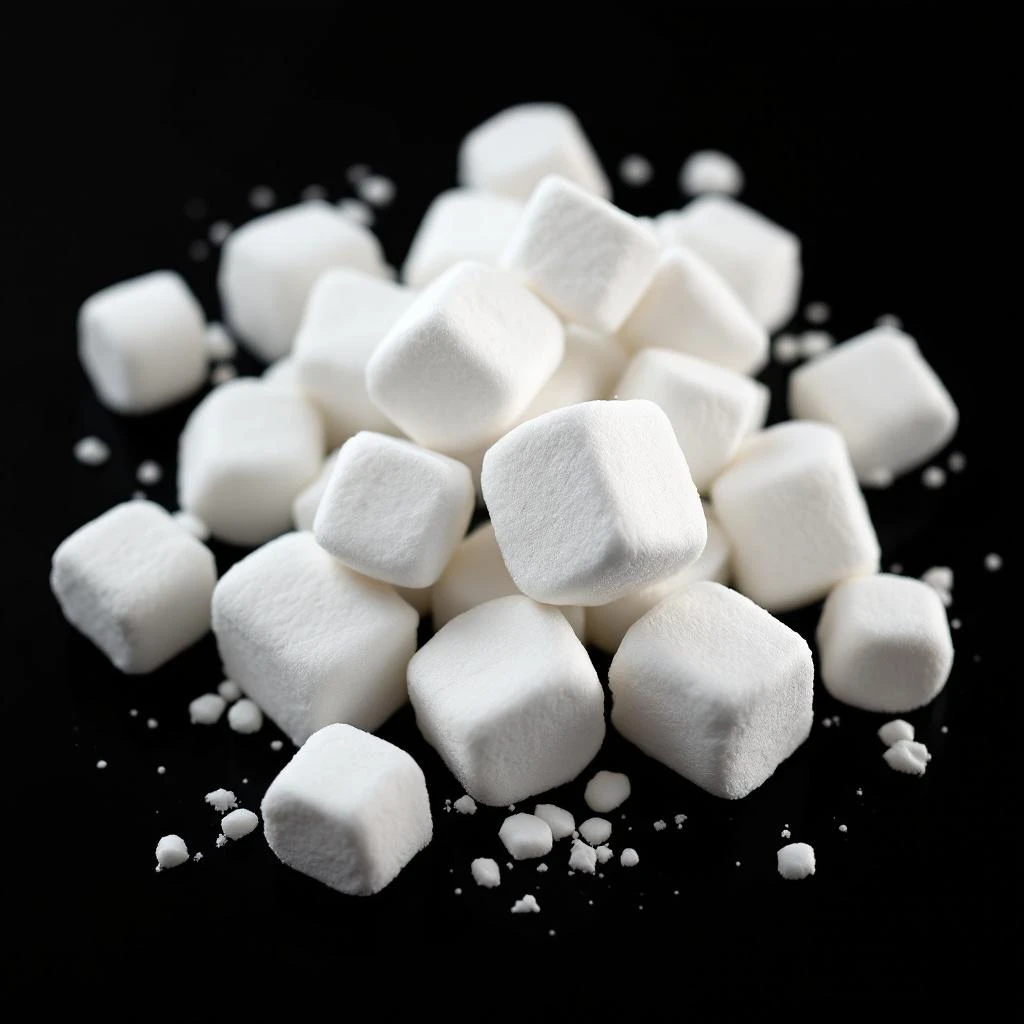
Mousse de vanille combines earthy, slightly medicinal moss notes with warm, creamy vanilla. The result is a cozy forest scent with sweet undertones, reminiscent of walking through damp woods on a warm day.
Is mousse de vanille natural or synthetic?
It can be either or a blend. Modern mousse de vanille accords typically combine natural oakmoss absolute with either natural vanilla or synthetic vanillin, depending on the perfumer's formulation and cost considerations.
Which perfume families use mousse de vanille?
This accord appears primarily in chypre and fougère families. Classic examples include Chanel Pour Monsieur and modern interpretations in several men's fragrances seeking that mossy warmth signature.
Why is mousse de vanille restricted in perfumery?
Oakmoss contains atranorin, a compound that can cause skin sensitization. IFRA regulations limit its concentration in consumer products to protect against allergic reactions, affecting how perfumers construct this accord.
How does mousse de vanille differ from vanilla alone?
Vanilla alone is sweet and gourmand. Moss adds depth, earthiness, and a slightly medicinal quality that makes the vanilla feel grounded and forest-like rather than purely dessert-like.
What perfumes feature mousse de vanille prominently?
The accord appears in masculine classics like grey flannel and newer releases that seek that vintage mossy character. Exact formulations vary, so checking ingredient lists helps identify specific interpretations.
Can mousse de vanille be used in home fragrances?
Yes, the accord works well in candles and room sprays seeking a forest-fresh atmosphere with warm undertones. The moss note provides grounding while vanilla adds comfort.
What season suits mousse de vanille best?
This accord excels in cooler months. The moss's earthy character and vanilla's warmth create an intimate atmosphere suited for autumn and winter wear, though lighter versions work in spring evenings.