Mokara Orchid
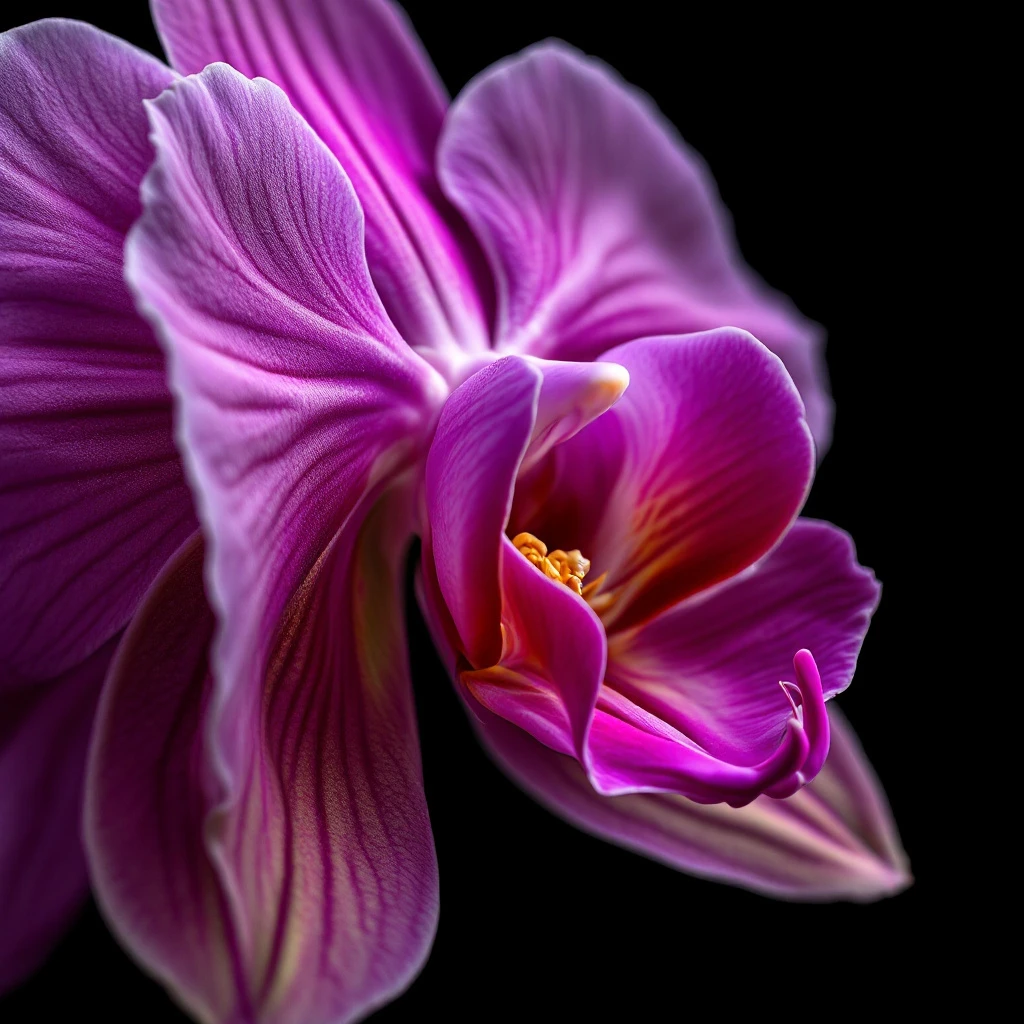
Mokara Orchid is a hybrid tropical orchid prized in contemporary perfumery for its luminous, almost watery floral profile. Native to Southeast Asia, it carries a dewy green sweetness that brightens modern floral compositions.
Character
How it smells
Tropical light captured in a petal.
Mokara Orchids are man-made hybrids first bred in Singapore in 1969, combining Arachnis, Vanda, and Ascocentrum parent species, making them a relatively young botanical creation.
Pairs beautifully with
Origin
Singapore
The Mokara Orchid owes its existence to deliberate human intervention rather than natural evolution. In 1969, Singaporean hybridizer K. H.
Ern developed the first Mokara cross, uniting Arachnis, Vanda, and Ascocentrum species into a vigorous tropical line prized for vivid color and long vase life. The genus name Mokara honors Mokara Ismail, a Singaporean patron of orchid breeding. While orchids have appeared in Asian fragrance traditions for centuries, Mokara itself entered perfumery only as 20th-century synthetic chemistry made its delicate scent reproducible.
Thai and Singaporean growers built extensive Mokara farms for the global cut-flower trade throughout the 1970s and 1980s, eventually catching the attention of perfumers drawn to the flower's clean, aquatic-floral brightness. Today Mokara appears as a fantasy note in numerous contemporary launches, representing a rare case where a hybrid bloom developed for floristry crossed directly into mainstream scent design.
Wears it best
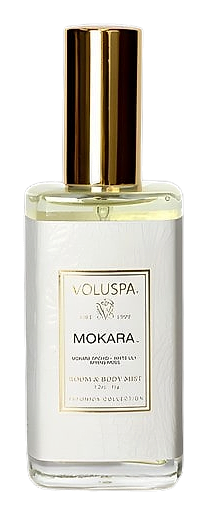
Fragrances featuring Mokara Orchid
Brands
Brands known for Mokara Orchid
Good to know
Questions, answered
The essentials on Mokara Orchid in perfumery: how it smells, where it comes from, and how it behaves on skin.
What does Mokara Orchid smell like in perfume?
Mokara Orchid presents a dewy, watery floral character layered with soft green nuances and a faint creamy sweetness. It reads as luminous and airy rather than indolic or heavy, lending a clean brightness to compositions.
Is Mokara Orchid a natural or synthetic note?
Nearly all Mokara Orchid notes in commercial perfumery are synthetic reconstructions. The flower's natural absolute exists but is vanishingly rare and costly, so perfumers rely on headspace analysis and lab-created molecules.
Where does Mokara Orchid originate?
Mokara Orchids were first bred in Singapore in 1969 by crossing Arachnis, Vanda, and Ascocentrum species. The genus is named after Mokara Ismail, a noted supporter of orchid hybridization.
Why is Mokara Orchid popular in modern perfumery?
Its watery, green-floral profile blends easily with white florals, aquatic notes, and ozonic accords. The note adds radiance without weight, a quality that suits contemporary skin scents and fresh floral launches.
Are Mokara Orchids used outside of perfumery?
Yes. Mokara Orchids are cultivated extensively for the floral industry, particularly in Thailand and Singapore, where they are sold as long-lasting cut flowers for arrangements and ornamental displays.
How is Mokara Orchid scent captured from the flower?
Producers use headspace technology to analyze the volatile molecules released by a living Mokara bloom. This data guides the synthesis of aroma chemicals that recreate the flower's signature profile.
Does Mokara Orchid absolute exist as a natural ingredient?
Small amounts of Mokara absolute have been created via solvent extraction, but commercial supply is limited because each flower yields minimal oil. This scarcity is why synthetic versions dominate the market.
What perfume types feature Mokara Orchid most?
Mokara Orchid appears most often in white floral, aquatic, and green-floral fragrances, frequently paired with jasmine sambac, lily of the valley, and modern musks to create sheer, radiant effects.





