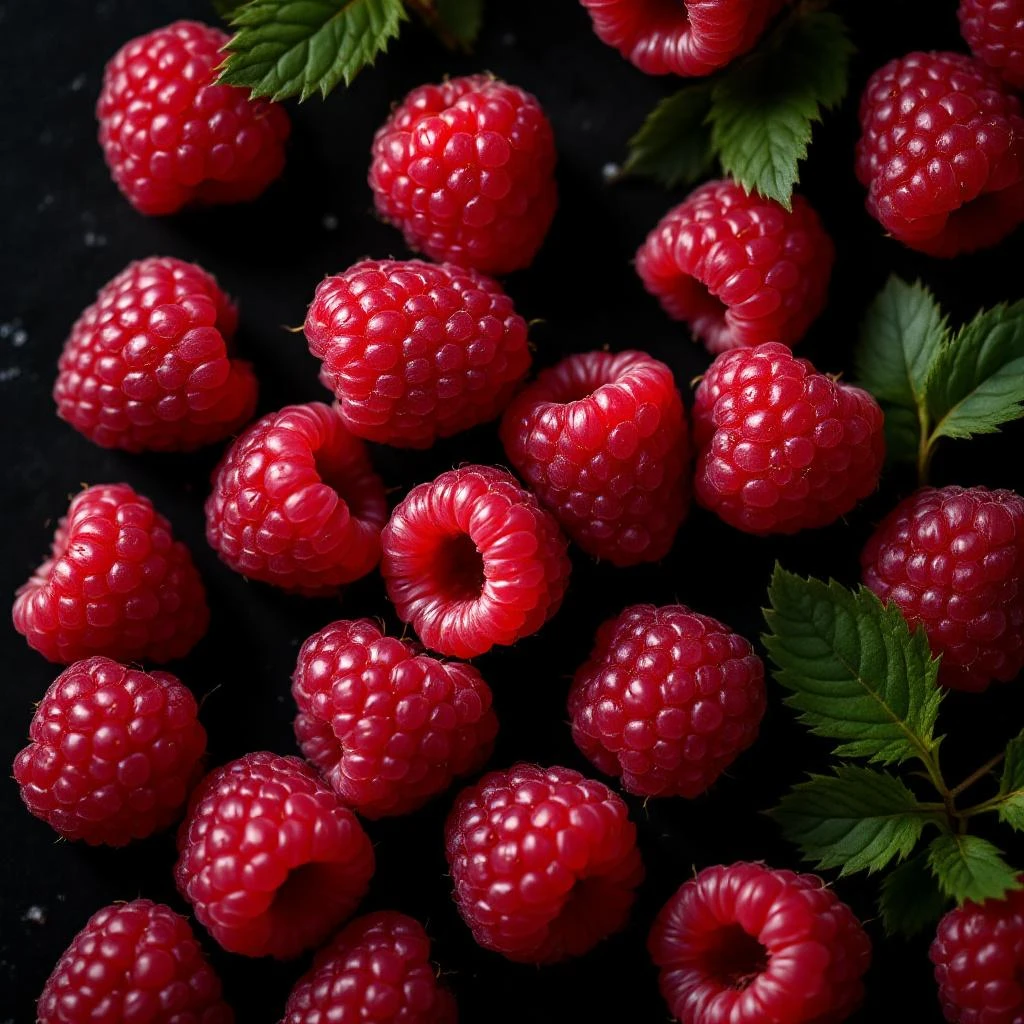
Miracle Berry
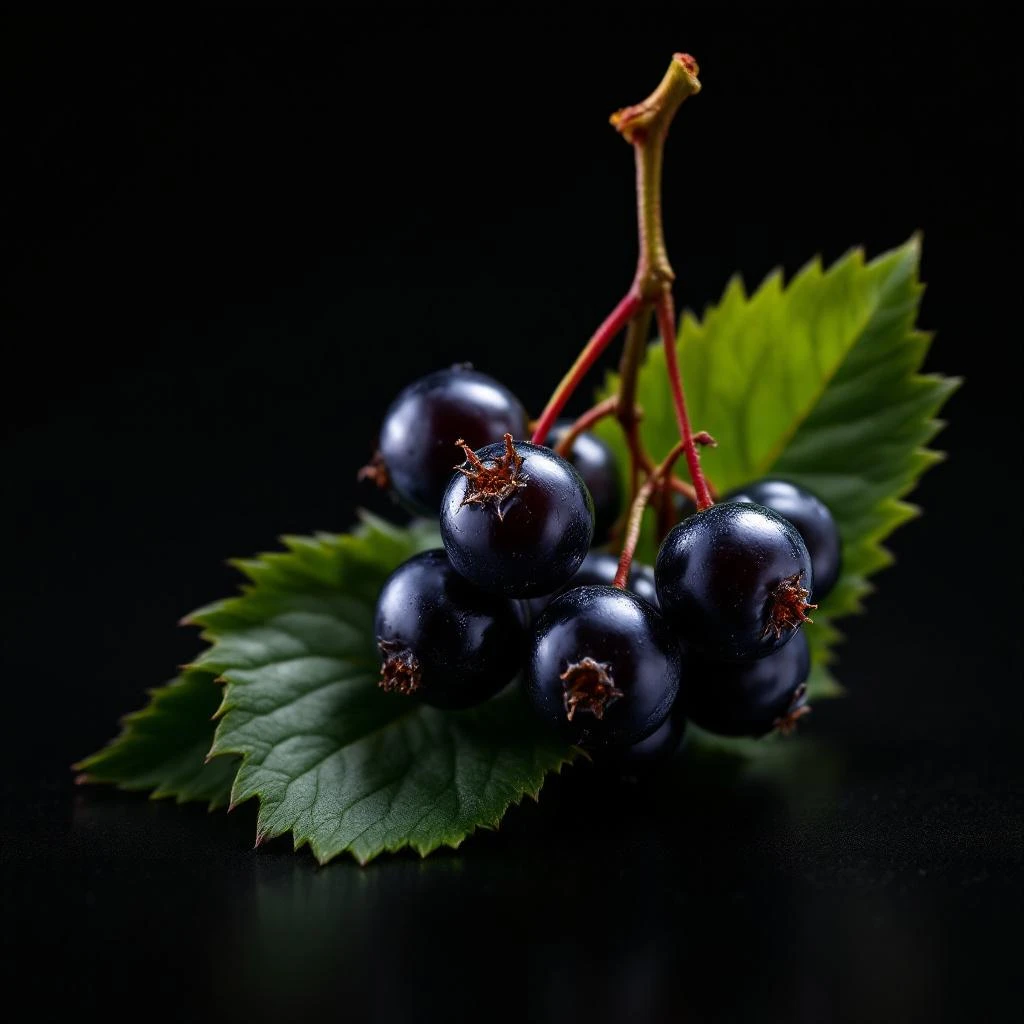
Synsepalum dulcificum captivates with its extraordinary talent for reshaping taste—turning sour to sweet. This West African berry, now entering perfumery's creative lexicon, offers a juicy, tangy-fruity character that adds luminous depth to gourmand and bright compositions alike.
Character
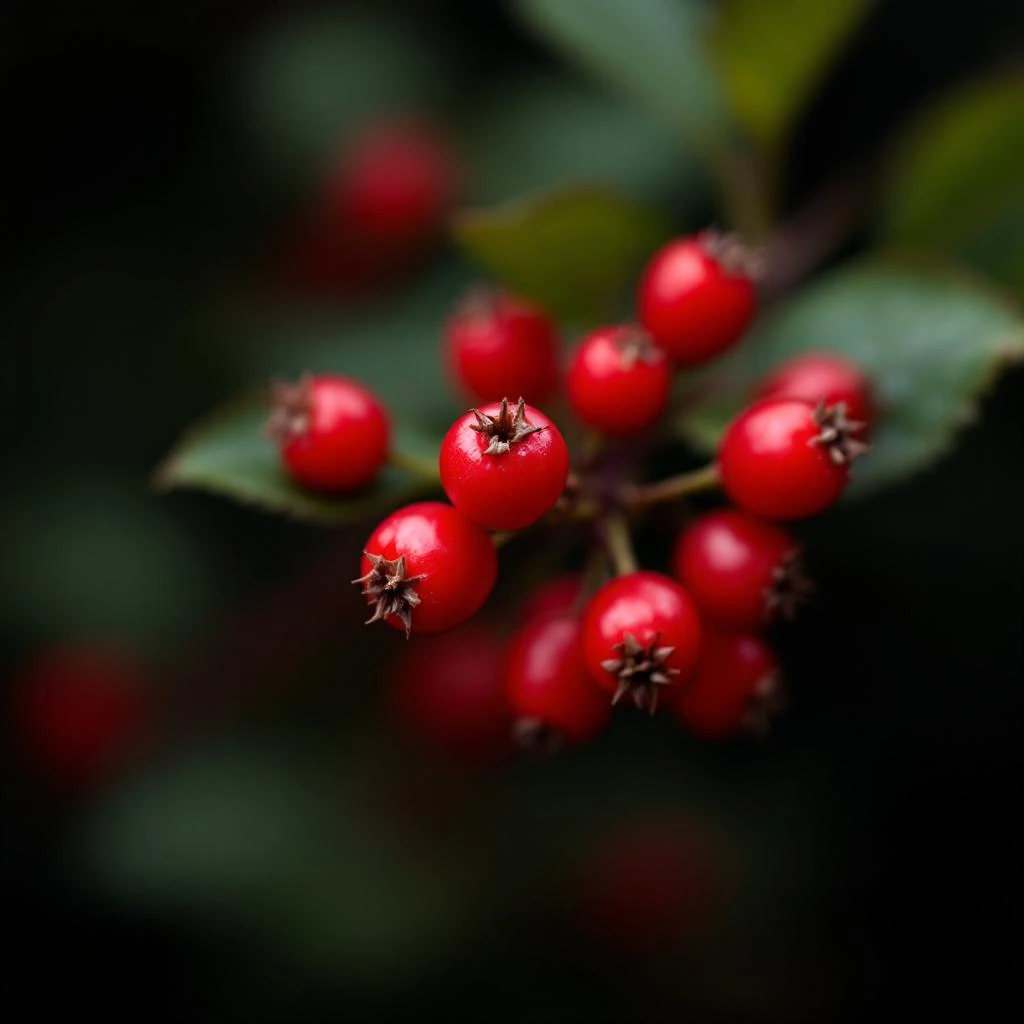
How it smells
The berry that rewires your senses—and now, your scent.
Chevalier des Marchais documented this berry in 1725 while exploring West Africa, noting how locals used it to sweeten sour foods.


Origin
Senegal
Explorer Chevalier des Marchais first documented Synsepalum dulcificum during his 1725 expeditions through West Africa, where local populations had long relied on the berry to transform sour fare—from palm wine to acidic fruits—into sweet treats. The fruit remained relatively obscure until the 1960s, when Japanese and Dutch scientists independently isolated its active glycoprotein, naming it miraculin.
Though the FDA prohibited miraculin as a food additive in 1974, the berry found new life in culinary tasting menus and, more recently, in perfumery's experimental terrain. Perfumers now reinterpret its sensory mystique through synthetic reconstruction, honoring a legacy rooted in West African tradition while pushing creative boundaries in modern fragrance design.
Wears it best
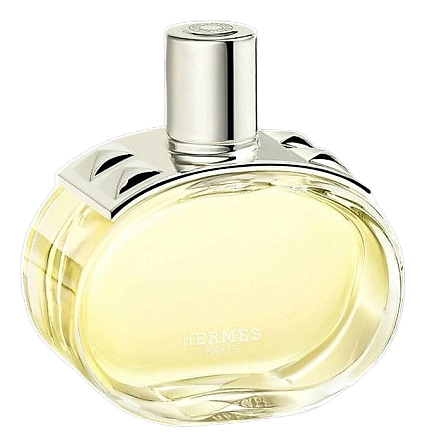
Fragrances featuring Miracle Berry
Brands
Brands known for Miracle Berry
Good to know
Questions, answered
The essentials on Miracle Berry in perfumery: how it smells, where it comes from, and how it behaves on skin.
Can Miracle Berry be extracted for use in perfumery?
No. Miracle Berry cannot be directly extracted for perfumery—its aromatic compounds do not survive conventional methods like distillation or solvent extraction. Perfumers recreate its sweet-tart, fruity profile synthetically.
What does Miracle Berry smell like in a fragrance?
The reconstructed note reads as bright, juicy, and subtly tangy—closer to raspberry or red berry than tropical fruit. It adds a sugary-fresh lift without heaviness, working especially well in top and heart notes.
Why is this ingredient called a ‘miracle’ berry?
The name stems from the fruit’s extraordinary effect on taste: its miraculin protein binds to taste receptors, making sour foods register as sweet. This phenomenon made the berry famous in tasting menus worldwide.
When was Miracle Berry first documented?
West African explorer Chevalier des Marchais recorded the berry during expeditions in 1725. He observed how indigenous peoples used it to sweeten acidic foods, a practice still alive in parts of West Africa today.
What famous fragrances use Miracle Berry?
Fragrance compositions inspired by the berry appear in gourmand scents like Thierry Mugler Angel and various modern flankers. It also surfaces in fruity-floral releases where brands seek a ‘taste-reality’ hook.
What is the connection between Miracle Berry and miraculin?
Miraculin is the active glycoprotein in Miracle Berry responsible for its taste-altering effect. Scientists isolated and named it in the 1960s. Though banned as a food additive in the US in 1974, the berry itself remains legal to sell as whole fruit or tablets.
Is Miracle Berry used in food and fragrance simultaneously?
In cuisine, the berry is consumed directly for its taste-altering properties. In perfumery, only its scent profile is recreated—the berry itself does not appear in fragrance formulas. Both applications leverage its sweet-fruity character.
What fragrance families pair well with Miracle Berry?
Gourmand, fruity, and bright chypre compositions benefit most. Blending with raspberry, citrus, vanilla, or caramel amplifies its sweetness, while pairing with amber or musk adds depth and staying power.