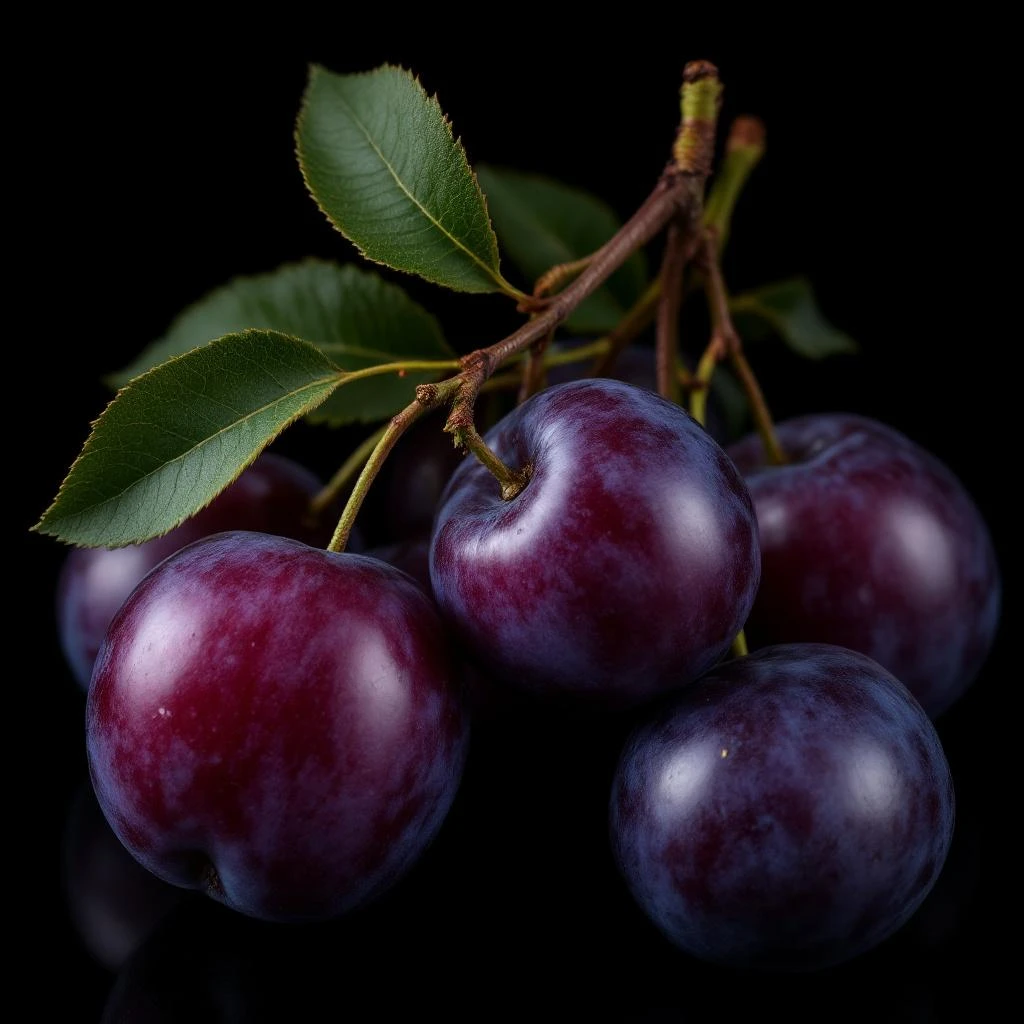
Mirabelle Plum Flower
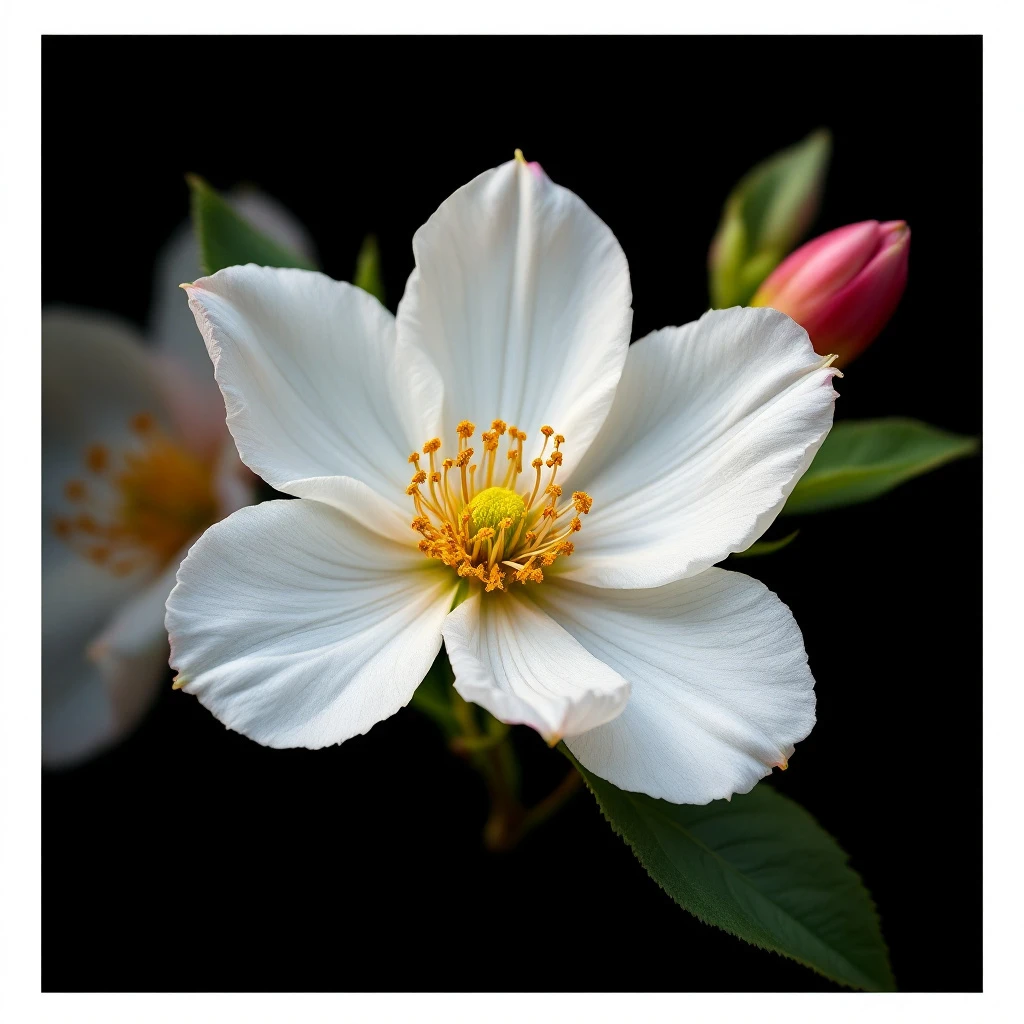
Mirabelle Plum Flower captures the delicate, ephemeral beauty of early spring blossoms. Unlike the jammy depth of the fruit, the flower delivers a translucent, slightly almond-tinged sweetness with quiet floral grace.
Character
How it smells
Spring blossoms distilled into scent.
Mirabelle plums ripen fully in August, but their blossoms burst open in early spring, making the flower note a fragrance of anticipation and renewal.
Pairs beautifully with



Origin
France
The mirabelle plum has grown wild across eastern Asia for thousands of years before reaching Europe through trade routes. French growers in Lorraine began cultivating mirabelles seriously by the 16th century, and by the 18th century, the region produced thousands of tons annually.
Plum blossoms hold deep cultural significance in China, Japan, and Korea, celebrated during festivals that honor their resilience in blooming before winter fully releases its grip. Japanese poets associated the brief flowering with the samurai ideal of beautiful impermanence.
In perfumery, plum blossom appeared rarely until the late 20th century, when synthetic reconstruction made the note commercially accessible. Today it appears as a bridging element in fragrances that wish to evoke East Asian gardens or springtime European orchards.
Wears it best
Fragrances featuring Mirabelle Plum Flower
Good to know
Questions, answered
The essentials on Mirabelle Plum Flower in perfumery: how it smells, where it comes from, and how it behaves on skin.
Does Mirabelle Plum Flower smell like the fruit or the blossom?
It smells like the blossom, not the fruit. The flower delivers a translucent, slightly almond-floral sweetness. The jammy, deep plum note in perfumery comes from synthetic damascones reproducing the fruit. The blossom is lighter and more fleeting.
Is Mirabelle Plum Flower a natural or synthetic ingredient?
Synthetic. Natural plum blossom extraction fails because the petals yield minimal material and the compounds degrade quickly. Perfumers reconstruct the blossom's scent using damascones and ionones, sometimes guided by headspace technology.
What does plum blossom smell like to most people?
Soft, sweet, and quietly floral with an almond undertone. Many people compare it to cherry blossom but with more sweetness and less greenery. The overall impression is of delicate petals floating in cool spring air.
Which damascones create the plum blossom effect?
Beta-damascenone and alpha-ionone serve as primary building blocks. These compounds appear in many fruits and flowers but together produce the distinctive sweet-almond-blossom character that reads as plum blossom to the trained nose.
What fragrance families use Mirabelle Plum Flower most often?
Floral and fruity florals most frequently feature this note. It appears in modern mainstream fragrances and niche compositions that wish to evoke springtime, East Asian gardens, or gentle fruit-blossom accords.
Does the mirabelle plum's French origin affect the flower note?
The mirabelle plum itself is a distinct variety grown primarily in Lorraine, France. The flower note draws from Prunus genus chemistry broadly, so the mirabelle's honeyed fruit character gives the blossom a subtly sweeter baseline compared to bitter ornamental plum varieties.
Can I find natural plum blossom absolute in commerce?
No commercial natural plum blossom absolute exists at scale. Small artisanal producers occasionally attempt enfleurage or supercritical CO2 extraction from blossoms, but these remain rare, expensive, and variable in quality.
What temperatures or conditions affect the plum blossom scent in fragrance?
Heat amplifies the almond nuances of the damascones. On skin, the note develops with warmth, initially presenting as greener and more delicate before softening into the characteristic sweet-floral character within 15 to 30 minutes.