Mineral moss
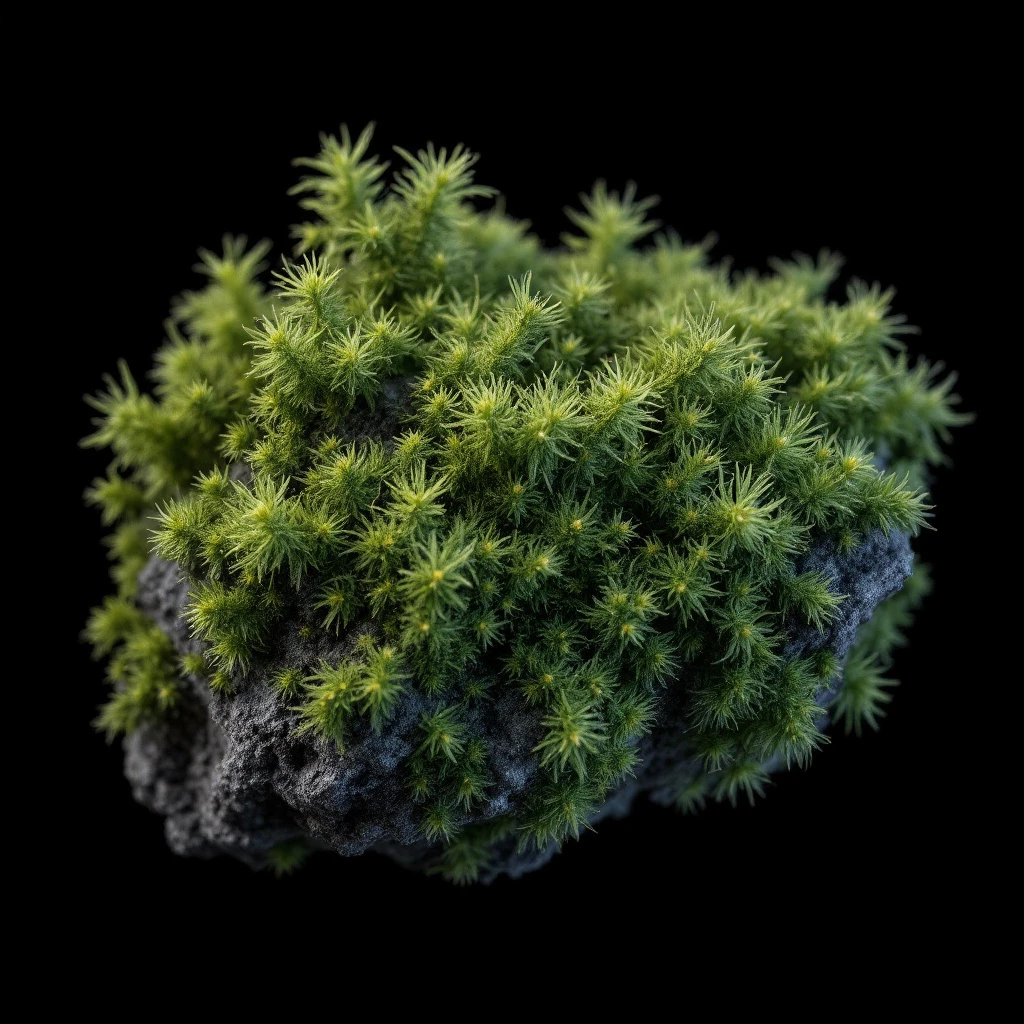
Mineral moss captures the cool, damp essence of ancient forests compressed into a single note. Where botanical moss brings green weight, mineral moss adds crystalline clarity—an atmospheric quality that grounds compositions without heaviness.
Character
How it smells
Forest floor clarity in crystalline form.
Mineral moss was developed as a safer alternative to natural oakmoss after IFRA restrictions tightened in 2015, offering perfumers the signature earthy character without allergen concerns.







Origin
France
Moss has anchored perfumery for centuries, lending depth and sensuality to chypre compositions from the early 20th century. However, natural oakmoss contains compounds that can cause skin sensitization in some wearers. As regulatory bodies tightened restrictions—particularly following updated IFRA guidelines in 2015—perfumers faced a challenge: how to preserve the beloved mossy character while ensuring safer formulations.
The answer emerged from synthetic chemistry. Rather than abandoning moss entirely, perfumers and aroma chemists collaborated to develop lab-created alternatives that replicate the sensory experience natural moss provides. Mineral moss represents this innovation—a modern solution that honors the classical perfumery tradition of earthiness while addressing contemporary safety requirements.
It bridges the gap between heritage and responsibility, allowing moss's atmospheric quality to continue gracing modern compositions.
Wears it best
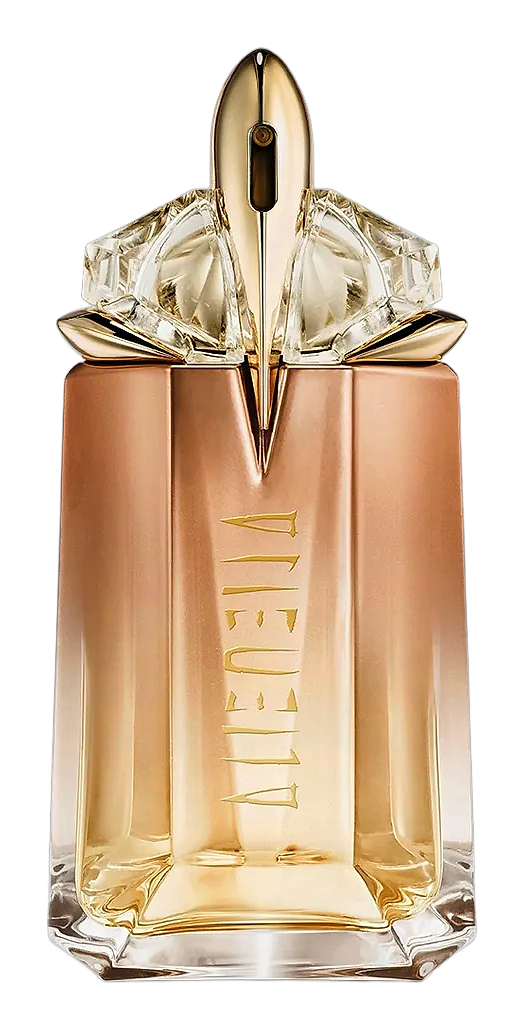
Fragrances featuring Mineral moss
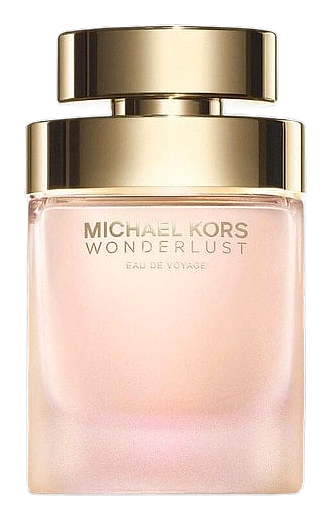
Brands
Brands known for Mineral moss
Good to know
Questions, answered
The essentials on Mineral moss in perfumery: how it smells, where it comes from, and how it behaves on skin.
What does mineral moss smell like?
Mineral moss delivers a cool, damp forest-floor character without the weight of botanical moss. It reads as crisp and slightly atmospheric, with an almost crystalline quality that grounds fragrances cleanly.
How does mineral moss differ from natural oakmoss?
Natural oakmoss carries complex, slightly animalic depth with green and earthy facets. Mineral moss captures the atmospheric quality while introducing cleaner, more mineral precision, resulting in a brighter and safer alternative.
Why was mineral moss created?
IFRA restrictions on oakmoss due to allergen concerns prompted the development. Perfumers needed an ingredient that preserved moss's signature character while meeting modern safety standards.
Is mineral moss used in all fragrance families?
Mineral moss appears most frequently in chypres, fougères, and woody compositions where earthy depth is essential. It also features in modern aquatic and green fragrances seeking forest-like atmospherics.
Does mineral moss perform differently than natural moss?
Synthetic mineral moss offers better consistency between batches and extends well in the base of fragrances. Natural moss can vary based on harvest conditions, while the synthetic version delivers predictable performance.
Can mineral moss replace oakmoss completely in formulas?
Not entirely. Mineral moss captures the sensory impression but may lack the full complexity of natural oakmoss. Perfumers often combine it with other earthy materials to approximate that depth.
Is mineral moss considered sustainable?
Mineral moss production requires no agricultural land, water, or seasonal harvesting. This makes it a more sustainable option that avoids the resource demands of cultivating and extracting natural moss.
Which famous fragrances influenced mineral moss development?
Classical chypres like Chanel No 19 and aromatic fougères demonstrated how integral mossy notes could be. Preserving this legacy while addressing safety concerns drove the innovation behind mineral moss.